
The North Pole, often romanticized in literature and popular culture, represents not only a geographical point but also a symbol of the Earth’s most extreme environments. Located at the northernmost point of the planet, it is surrounded by the Arctic Ocean and is characterized by its icy expanse and harsh climate.
The region is a barometer for climate health, with changes in its environment serving as early indicators of broader climatic shifts. Moreover, the North Pole holds immense cultural and scientific importance. It has been a focal point for explorers and scientists alike, drawing attention to the mysteries of the Arctic ecosystem.
The indigenous peoples of the Arctic have long revered this region, integrating its natural phenomena into their cultural narratives and traditional practices. As climate change accelerates, understanding the North Pole’s significance becomes increasingly vital, not only for environmental reasons but also for the socio-economic implications that arise from its changing landscape.
Current climate change trends in the Arctic region
In recent years, the Arctic region has become a hotspot for climate change, experiencing warming at a rate nearly twice that of the global average. This phenomenon, often referred to as Arctic amplification, is driven by a combination of factors including feedback loops that exacerbate warming. As ice melts, it exposes darker ocean waters that absorb more sunlight, further accelerating temperature increases.
The consequences of these trends are profound, affecting not only local ecosystems but also global weather patterns. The data collected from various scientific studies indicate alarming trends in temperature rise and ice melt. For instance, satellite observations have shown a significant decline in sea ice extent during summer months, with some estimates suggesting that Arctic sea ice could disappear entirely in the summer by mid-century if current trends continue.
This rapid transformation poses serious questions about the future of the Arctic environment and its inhabitants, as well as the implications for global climate stability.
Impact of climate change on the North Pole’s environment
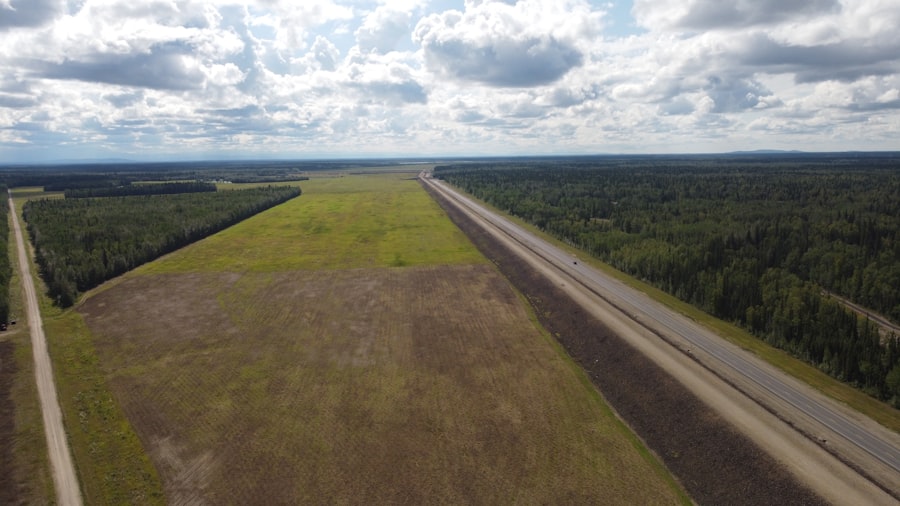
The environmental impact of climate change on the North Pole is multifaceted and deeply concerning. One of the most visible effects is the dramatic reduction in sea ice coverage, which not only alters the physical landscape but also disrupts marine ecosystems. The loss of ice affects species that depend on it for survival, including seals and polar bears, while also impacting the food web that sustains these animals.
Furthermore, as ice retreats, it opens up new areas for ocean currents to flow, potentially altering nutrient distribution and affecting marine biodiversity. In addition to changes in sea ice, rising temperatures are leading to permafrost thawing across the Arctic region. This thawing releases greenhouse gases such as methane and carbon dioxide that have been trapped in frozen soil for millennia.
The release of these gases further exacerbates global warming, creating a vicious cycle that threatens to accelerate climate change even more. The transformation of the North Pole’s environment is not just a local issue; it has far-reaching implications for ecosystems and human societies worldwide.
Effects of melting ice on polar bears and other wildlife
| Impact | Effect |
|---|---|
| Loss of habitat | Reduction in available hunting grounds for polar bears and other wildlife |
| Food scarcity | Decrease in availability of prey due to melting ice impacting the food chain |
| Migration challenges | Difficulty for wildlife to migrate to new areas as ice melts and landscapes change |
| Competition for resources | Increased competition among species for limited resources in changing environments |
The melting ice in the Arctic has dire consequences for polar bears, which rely on sea ice as a platform for hunting seals—one of their primary food sources. As ice diminishes, polar bears are forced to swim longer distances in search of food, leading to increased energy expenditure and decreased survival rates. The stress of finding adequate nutrition can result in lower reproductive success and higher mortality rates among cubs.
This decline in polar bear populations serves as a stark reminder of how interconnected climate systems are; the fate of one species can signal broader ecological shifts. Other wildlife in the Arctic is also feeling the impact of melting ice. Species such as walruses and various seabirds face similar challenges as their habitats change or disappear altogether.
The disruption of food sources and breeding grounds can lead to cascading effects throughout the ecosystem. As these species struggle to adapt to their changing environment, researchers are increasingly concerned about biodiversity loss in the Arctic region—a loss that could have implications for global ecological health.
Changes in sea levels and implications for coastal communities
The melting ice at the North Pole contributes significantly to rising sea levels, which pose a serious threat to coastal communities around the world. As glaciers and ice sheets melt, they add freshwater to the oceans, causing sea levels to rise and increasing the risk of flooding in low-lying areas. Coastal cities such as Miami, New Orleans, and Jakarta are already experiencing the effects of rising waters, with increased flooding events becoming more common.
The implications for infrastructure, housing, and local economies are profound. Moreover, communities that rely on fishing and tourism are facing challenges as their environments change. The loss of coastal land can lead to displacement and loss of livelihoods for many people who depend on these ecosystems for their survival.
As sea levels continue to rise, it becomes imperative for governments and organizations to develop adaptive strategies to protect vulnerable communities from the impacts of climate change.
Potential for increased shipping and resource extraction in the Arctic
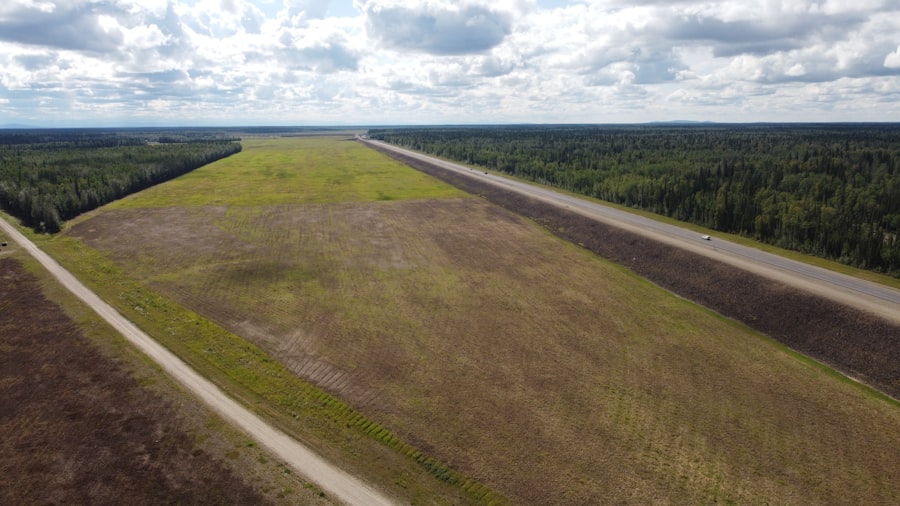
As ice melts in the Arctic, new shipping routes are becoming accessible, presenting both opportunities and challenges. The Northern Sea Route and Northwest Passage are increasingly navigable during summer months, allowing for shorter shipping times between major markets. This potential for increased maritime traffic raises concerns about environmental degradation and oil spills that could devastate fragile ecosystems.
The prospect of resource extraction—such as oil and gas drilling—also looms large as companies eye untapped reserves beneath the Arctic seabed. However, this newfound accessibility comes with significant risks. Increased shipping activity could lead to greater greenhouse gas emissions and pollution in an already vulnerable region.
Additionally, oil spills in icy waters are notoriously difficult to manage, posing catastrophic risks to marine life and local communities. Balancing economic interests with environmental protection will be crucial as nations navigate these complex issues in an era of climate change.
International cooperation and governance in the Arctic region
The challenges posed by climate change in the Arctic necessitate international cooperation and effective governance among Arctic nations. The region is governed by various treaties and agreements aimed at promoting sustainable development while protecting its unique environment. The Arctic Council—a high-level intergovernmental forum—plays a pivotal role in fostering collaboration among member states on issues such as environmental protection, scientific research, and indigenous rights.
However, geopolitical tensions can complicate efforts at cooperation. As nations vie for control over resources and shipping routes, there is a risk that competition could undermine collaborative efforts aimed at addressing climate change. It is essential for countries to prioritize dialogue and diplomacy to ensure that governance frameworks remain effective in protecting the Arctic environment while accommodating economic interests.
Indigenous communities and their traditional ways of life in the face of climate change
Indigenous communities in the Arctic have lived sustainably within their environments for generations, relying on traditional knowledge passed down through centuries. However, climate change poses unprecedented challenges to their ways of life. As ice melts and ecosystems shift, traditional hunting grounds may become less accessible or less productive, threatening food security and cultural practices tied to these activities.
Moreover, indigenous peoples often find themselves at the forefront of climate impacts while having limited representation in decision-making processes regarding resource management and environmental protection. Their voices are crucial in discussions about adaptation strategies that respect traditional knowledge while addressing contemporary challenges posed by climate change. Empowering indigenous communities to participate actively in governance can lead to more effective solutions that honor both cultural heritage and environmental stewardship.
Strategies for mitigating the environmental impact of climate change in the North Pole
Mitigating the environmental impact of climate change in the North Pole requires a multifaceted approach that encompasses local actions as well as global initiatives. One key strategy involves reducing greenhouse gas emissions through international agreements such as the Paris Agreement, which aims to limit global warming to well below 2 degrees Celsius above pre-industrial levels. Transitioning to renewable energy sources can significantly reduce reliance on fossil fuels that contribute to climate change.
Additionally, conservation efforts aimed at protecting critical habitats can help preserve biodiversity in the Arctic region. Establishing marine protected areas can safeguard vital ecosystems from overfishing and industrial activities while allowing species to adapt to changing conditions. Engaging local communities in conservation initiatives can enhance resilience while fostering stewardship over natural resources.
The role of scientific research and technology in understanding and addressing climate change in the Arctic
Scientific research plays a pivotal role in understanding climate change impacts in the Arctic region. Researchers utilize advanced technologies such as satellite imagery, remote sensing, and climate modeling to monitor changes in ice cover, temperature fluctuations, and ecosystem dynamics. This data is essential for informing policy decisions aimed at mitigating climate impacts while enhancing adaptive capacity among vulnerable communities.
Moreover, technological innovations can facilitate more sustainable practices within industries operating in or near Arctic environments. For instance, advancements in clean energy technologies can reduce emissions associated with resource extraction while minimizing ecological footprints. Collaborative research efforts involving scientists from various disciplines can lead to comprehensive solutions that address both environmental challenges and socio-economic needs.
The future of the North Pole and the global implications of climate change in the region
The future of the North Pole hangs in a delicate balance as climate change continues to reshape its landscape. If current trends persist, scientists predict significant alterations not only within the Arctic but also across global systems interconnected through ocean currents and atmospheric patterns.
As nations grapple with these challenges, it becomes increasingly clear that collective action is essential for safeguarding both the North Pole and our planet’s future. By prioritizing sustainability, fostering international cooperation, and respecting indigenous knowledge systems, humanity can work towards a more resilient future—one where both people and nature thrive despite the looming threats posed by climate change.
The future of the North Pole is a topic of growing concern as climate change continues to impact the region’s delicate ecosystem. As the ice caps melt and temperatures rise, the implications for global weather patterns, sea levels, and biodiversity are profound. An insightful article on this subject can be found on MyGeoQuest, which delves into the environmental changes occurring in the Arctic and their potential global consequences. For more detailed information, you can read the article by visiting