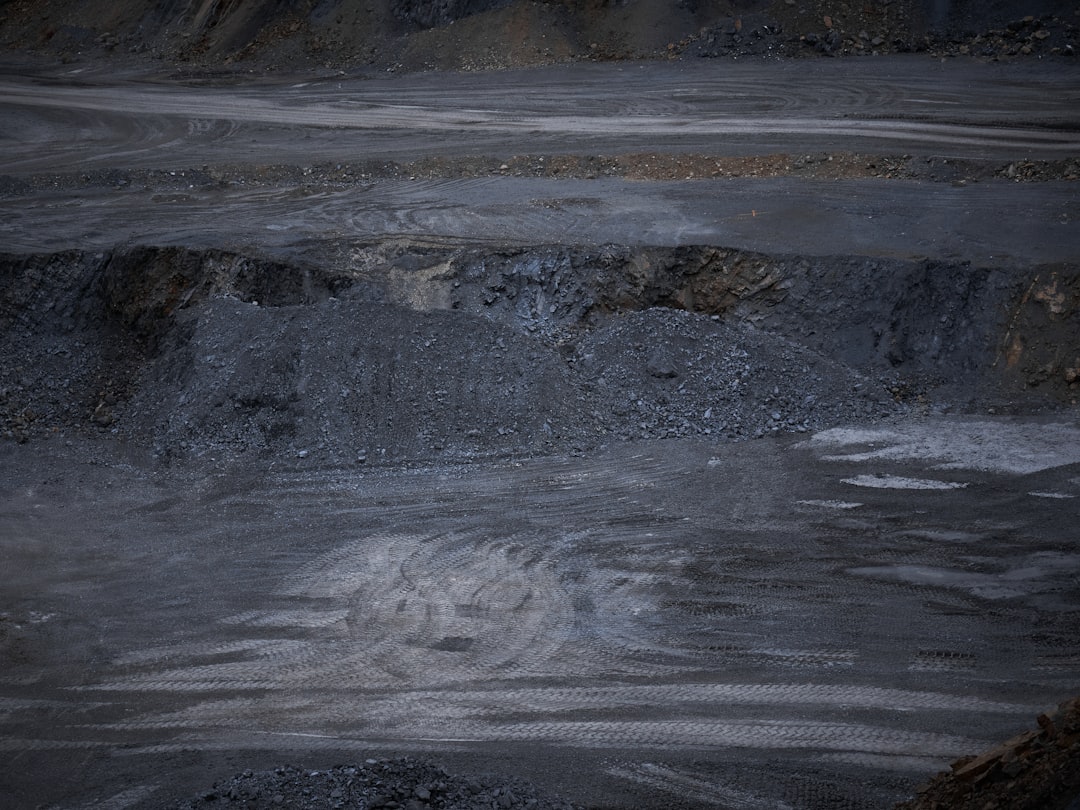
The quest for energy independence and the exponential growth of electric vehicles and renewable energy storage systems have thrust lithium into the spotlight. This alkali metal, often referred to as “white gold,” is the cornerstone of modern battery technology. As demand escalates, so does the pressure on existing mining practices, prompting a surge of innovation aimed at extracting this vital resource more efficiently, sustainably, and cost-effectively. The future of lithium mining is not a monolithic entity but a mosaic of emerging technologies and refined techniques, each offering a distinct pathway to meet the insatiable appetite for this crucial element.
Traditional methods of lithium extraction, primarily hard rock mining and brine evaporation, have served the industry for decades. However, these methods are often energy-intensive, water-guzzling, and can carry significant environmental footprints. The future of lithium mining is characterized by a relentless pursuit of alternatives and improvements that minimize these drawbacks while maximizing yield. This evolution is driven by several key factors: the need for a broader supply chain, the desire to reduce the environmental impact, and the economic imperative to lower production costs. As the global battery market continues its upward trajectory, the methods used to procure its fundamental building block must adapt and transform. Consider the current methods as established arteries in the body of the industry; the innovations discussed below represent the development of new capillaries and more efficient circulatory pathways, ensuring a robust and sustained flow of lithium to power future technologies.
Hard Rock Mining: Refinements and Enhancements
While often associated with larger environmental disruption, hard rock lithium mining, particularly from spodumene, is undergoing significant technological advancements. These improvements focus on optimizing crushing, grinding, and froth flotation processes to increase lithium recovery rates and reduce energy consumption. The goal is to extract more value from every ton of ore processed, turning what was once waste into a valuable byproduct.
Advanced Comminution Techniques
The initial stages of hard rock mining involve breaking down massive rock formations into smaller particles. Innovations in comminution, such as High-Pressure Grinding Rolls (HPGRs) and stirred milling technologies, offer more energy-efficient alternatives to traditional ball mills. HPGRs use high pressure to fracture rocks, requiring less energy than repetitive grinding actions. Stirred mills employ advanced agitators to grind finer particles with greater efficiency. These technologies are crucial as they directly influence the energy budget of the entire extraction process. More efficient comminution means less electricity consumed, translating to lower operating costs and a reduced carbon footprint.
Enhanced Froth Flotation Chemistry
Froth flotation is a physico-chemical process that separates valuable minerals from waste rock. In the context of lithium, this involves using specific chemical reagents that selectively adhere to lithium-bearing minerals like spodumene, allowing them to be captured in a froth that can be skimmed off. Research is actively exploring new, more selective, and environmentally benign flotation reagents. The development of “designer” collectors and frothers, tailored to the specific mineralogy of a deposit, can significantly improve lithium recovery and reduce the amount of waste generated, thereby elevating the efficiency of this crucial separation step.
In-Situ Recovery (ISR) for Hard Rocks
While more common for brines, ISR concepts are being explored for hard rock deposits. This involves introducing a lixiviant (a solvent that dissolves lithium) into the rock formation to extract lithium directly from the ore body, thereby eliminating the need for surface excavation and transportation. This approach, if viable for specific hard rock chemistries, could revolutionize mining by drastically reducing surface disturbance and material handling, fundamentally altering the operational paradigm of hard rock extraction.
Brine Extraction: Revolutionizing Purity and Speed
Lithium brine extraction, predominantly practiced in arid regions with salt flats and salars, involves pumping underground brines rich in lithium salts to the surface for processing. This method has historically been criticized for its slow evaporation rates and significant water consumption. Future advancements are focused on accelerating the extraction and purification processes, making them less water-intensive and more efficient.
Direct Lithium Extraction (DLE) Technologies
Direct Lithium Extraction (DLE) represents a paradigm shift in brine processing. Unlike conventional solar evaporation ponds, DLE aims to selectively extract lithium ions directly from the brine solution using various sorbent materials, membranes, or electrochemical methods. This approach promises faster processing times, significantly reduced water usage, and a higher lithium recovery rate. The development of highly selective adsorbent materials, capable of binding lithium ions while rejecting other dissolved salts like magnesium and calcium, is at the heart of many DLE technologies. These materials act like molecular sieves, precisely capturing the target element.
- Adsorption-based DLE: This widely researched DLE method utilizes solid sorbent materials that preferentially bind lithium ions from the brine. Once saturated, these sorbents are regenerated, releasing concentrated lithium solutions that can be further processed into battery-grade lithium. The efficiency of these sorbents, their lifespan, and the energy required for regeneration are key areas of ongoing research and development. Imagine sponges specifically designed to soak up only lithium from a complex salty soup; this is the essence of adsorption-based DLE.
- Membrane-based DLE: This approach employs advanced selective membranes that allow lithium ions to pass through while blocking other dissolved salts, or vice versa. Nanotechnology plays a crucial role in engineering these membranes with precise pore sizes and surface chemistries for optimal lithium separation. The durability and fouling resistance of these membranes in the harsh brine environment are critical engineering challenges being addressed.
- Electrochemical DLE: Electrochemical methods harness electrical currents to drive the selective extraction of lithium ions. This can involve electrodialysis or capacitive deionization techniques where electrodes are used to attract and concentrate lithium ions from the brine. This method offers potential for high selectivity and minimal chemical reagent use, offering a cleaner and potentially more energy-efficient pathway.
Artificial Evaporation and Enhanced Desalination
While DLE is a primary focus, researchers are also optimizing traditional evaporation methods. Artificial evaporation techniques, employing technologies to accelerate water removal through controlled heating or air circulation, are being explored to shorten the lengthy evaporation cycle. Furthermore, advancements in desalination technologies, adapted for brine treatment, can help concentrate lithium solutions and remove unwanted impurities, improving the overall efficiency of brine processing.
As the demand for lithium continues to surge due to the growing electric vehicle market and renewable energy storage solutions, advancements in lithium mining technology are becoming increasingly critical. A related article that delves into the future of lithium extraction methods and their environmental implications can be found at this link. This article explores innovative techniques that aim to make lithium mining more sustainable and efficient, highlighting the importance of balancing resource extraction with ecological responsibility.
Innovations in Geothermal Lithium Extraction
A remarkable frontier in lithium extraction lies within geothermal brines. These are hot, mineral-rich fluids that issue from the Earth’s crust, often associated with volcanic activity. Geothermal energy operations, which tap into this heat for power generation, frequently encounter brines with significant concentrations of dissolved lithium. The future sees a growing synergy between geothermal energy and lithium production, creating a dual-purpose resource extraction model.
Leveraging Geothermal Heat for Extraction
The inherent heat of geothermal brines can be utilized to drive lithium extraction processes, offering a potentially less energy-intensive approach compared to surface-based methods. The elevated temperatures can enhance the kinetics of DLE processes or facilitate the separation of lithium from other dissolved minerals. This represents a significant advantage, as the energy for extraction is partially or wholly supplied by the geothermal resource itself.
Catalytic and Thermal Enhancement of DLE
Researchers are investigating how the thermal energy present in geothermal brines can be used to catalyze or enhance the efficiency of DLE processes. For instance, certain sorbent materials may perform optimally at elevated temperatures, or thermal energy can be used to drive desorption in adsorption-based DLE systems. This integration aims to create a closed-loop system where the energy from the geothermal resource fuels the lithium extraction, creating a highly synergistic operation.
Mineral Separation in Geothermal Fluids
Geothermal brines are complex chemical cocktails. Innovations are focused on efficiently separating lithium from other dissolved constituents like silica, heavy metals, and other alkali metals, which can interfere with lithium recovery or contaminate the final product. Advanced filtration, precipitation, and selective extraction techniques are being developed to address these challenges, ensuring the purity of the extracted lithium. Consider the geothermal brine as a complex organic broth containing many ingredients; the goal is to carefully isolate and extract the nutritional value (lithium) without contamination.
Subsurface Mining and Reservoir Engineering
Beyond surface-based extraction, future lithium mining may involve significant advancements in understanding and exploiting subsurface lithium deposits, including engineered reservoirs. This involves a deeper understanding of geological formations and the application of sophisticated reservoir management techniques.
Enhanced Oil and Gas Recovery (EOGRR) Principles for Lithium
Principles borrowed from enhanced oil and gas recovery (EOGRR) are being adapted for lithium extraction, particularly from unconventional sources like oilfield brines or geological formations that may not be traditional brines. This involves injecting fluids to mobilize and extract lithium from tight rock formations or depleted reservoirs. The challenge lies in tailoring injection fluids and extraction strategies to the specific geochemistry of lithium-bearing formations.
Injected Fluid Design for Mobilization
The success of subsurface lithium extraction hinges on designing injected fluids that can effectively mobilize lithium without causing significant environmental issues or damaging the reservoir. This involves careful consideration of fluid chemistry, including pH, salinity, and the presence of chelating agents that can bind with lithium ions. The goal is to create a chemical handshake that persuades the lithium to leave its geological embrace and enter the fluid stream.
Reservoir Monitoring and Control
Advanced sensing technologies and reservoir simulation software are crucial for monitoring the movement of injected fluids and the extraction of lithium in subsurface operations. This allows for real-time adjustments to injection rates, pressures, and fluid compositions to optimize lithium recovery and minimize potential environmental risks. Precise control is paramount in these operations to ensure efficiency and safety. Imagine navigating a complex underground maze; sophisticated mapping and guidance systems are essential to reach the desired destination.
Exploiting Sedimentary and Volcanic Deposits
Lithium is not exclusively found in brines or hard rock ores. It is also present in sedimentary deposits, such as clays and zeolites, and in certain volcanic rock formations. Future mining technologies are being developed to unlock the economic viability of these often lower-concentration but potentially vast lithium resources.
Novel Extraction Methods for Laminated Deposits
Clays and zeolites often present lithium in a form that is less amenable to traditional extraction methods. Innovations include the development of specialized leaching agents and hydrometallurgical processes tailored to these mineralogical complexities. These methods aim to efficiently release lithium from the fine-grained structures of clays and zeolites, making them accessible for recovery.
Heap Leaching and Bioleaching Advancements
Heap leaching, a technique where crushed ore is piled up and leached with a solvent, is being explored and refined for certain types of lithium deposits. Bioleaching, which utilizes microorganisms to facilitate the dissolution of lithium from ores, is also an area of active research. While still in its nascent stages for lithium, bioleaching holds the promise of a low-impact, environmentally friendly extraction method, leveraging nature’s own chemical engineers.
Automation, Robotics, and Data Analytics in Mining Operations
The future of lithium mining is inextricably linked to the integration of advanced digital technologies. Automation, robotics, and sophisticated data analytics are poised to transform every facet of the mining lifecycle, from exploration to processing. This integration promises to enhance safety, improve efficiency, reduce operational costs, and provide invaluable insights for optimizing resource management.
Autonomous Mining Equipment and Operations
The deployment of autonomous drilling rigs, haul trucks, and other heavy machinery is becoming increasingly common in the mining sector. In lithium mining, these robotic systems can operate continuously in challenging environments, reducing human exposure to hazardous conditions and increasing operational uptime. Their precision and consistency contribute to more predictable and efficient extraction processes.
Remote Operation and Monitoring Centers
The ability to remotely operate and monitor mining equipment from centralized control centers is a significant advancement. This allows for a smaller on-site human presence, further enhancing safety and reducing logistical complexities. “Eyes and ears” in the form of advanced sensors and communication systems provide real-time data, enabling rapid decision-making and problem-solving.
Predictive Maintenance and Optimization
Robotic systems, equipped with sophisticated sensors, can provide vast amounts of data on equipment performance. This data is fed into predictive maintenance algorithms that can identify potential equipment failures before they occur, minimizing unplanned downtime and costly repairs. Similarly, operational parameters can be optimized in real-time based on sensor feedback, leading to enhanced efficiency and resource utilization.
AI-Powered Geological Modeling and Exploration
Artificial intelligence (AI) is revolutionizing geological exploration and resource prediction. AI algorithms can analyze vast datasets, including seismic data, satellite imagery, and historical geological records, to identify promising new lithium deposits with greater accuracy and speed. This allows exploration efforts to be more targeted and efficient, reducing the time and cost associated with discovering new resources.
Enhanced Resource Characterization
AI can also be used to develop more detailed and accurate geological models of existing deposits. By analyzing geological, geochemical, and geophysical data, AI can predict the distribution and concentration of lithium within a deposit, providing crucial information for mine planning and optimization. This creates a more nuanced understanding of the subterranean treasure chest.
Real-Time Process Optimization
In processing plants, AI can monitor and control various parameters, such as reagent flow rates, temperatures, and pressures, to optimize lithium recovery and product quality in real-time. This dynamic adjustment ensures that the plant operates at peak efficiency, maximizing output and minimizing waste. The ability of AI to learn and adapt to changing conditions makes it a powerful tool for continuous improvement.
As the demand for electric vehicles continues to rise, advancements in lithium mining technology are becoming increasingly crucial. A recent article explores innovative methods that could revolutionize the extraction process, making it more sustainable and efficient. For those interested in the future of this industry, you can read more about these developments in the article on MyGeoQuest, which highlights the potential impact of these technologies on both the environment and the economy.
Sustainability and Environmental Stewardship
| Technology | Description | Potential Benefits | Challenges | Expected Adoption Timeline |
|---|---|---|---|---|
| Direct Lithium Extraction (DLE) | Processes that extract lithium directly from brine using membranes or sorbents. | Higher lithium recovery rates, reduced water usage, faster extraction. | High initial costs, technology scaling, environmental impact of chemicals. | 2025-2030 |
| Geothermal Lithium Mining | Extracting lithium from geothermal brines during geothermal energy production. | Dual resource extraction (energy + lithium), lower environmental footprint. | Limited suitable geothermal sites, complex extraction processes. | 2027-2035 |
| Recycling and Urban Mining | Recovering lithium from used batteries and electronic waste. | Reduces need for virgin mining, lowers environmental impact. | Collection logistics, recycling efficiency, economic viability. | Ongoing, with significant growth by 2030 |
| Automation and AI in Mining Operations | Use of robotics, AI, and data analytics to optimize lithium mining. | Improved safety, efficiency, and reduced operational costs. | High upfront investment, workforce adaptation. | 2023-2030 |
| Green Mining Practices | Implementing sustainable methods such as renewable energy powered mining. | Lower carbon footprint, improved community relations. | Infrastructure costs, regulatory compliance. | 2024 onwards |
The growing demand for lithium has amplified concerns about the environmental impact of its extraction. The future of lithium mining is intrinsically tied to the development and widespread adoption of sustainable practices
FAQs
What advancements are expected in lithium mining technology?
Future lithium mining technology is expected to incorporate more efficient extraction methods, such as direct lithium extraction (DLE), which can reduce environmental impact and increase yield. Automation and AI-driven processes are also anticipated to improve operational efficiency and safety.
How will future lithium mining technologies impact the environment?
Emerging technologies aim to minimize water usage, reduce chemical waste, and lower carbon emissions associated with lithium extraction. Innovations like DLE and recycling of lithium from batteries are expected to make lithium mining more sustainable and environmentally friendly.
What role does automation play in the future of lithium mining?
Automation is set to play a significant role by enhancing precision in mining operations, reducing human error, and improving safety. Autonomous vehicles, drones, and AI-powered monitoring systems will likely streamline extraction and processing activities.
Can future lithium mining technologies help meet the growing demand for lithium?
Yes, advancements in mining technology are crucial to meeting the increasing global demand for lithium, driven by electric vehicles and energy storage systems. Improved extraction efficiency and new sources, such as geothermal brines, will help scale lithium production sustainably.
Are there any emerging sources of lithium that future technologies will target?
Future technologies are exploring lithium extraction from unconventional sources like geothermal brines, seawater, and recycled batteries. These sources could diversify supply and reduce reliance on traditional hard rock and salt lake mining.