
The American West, a sprawling canvas etched by mountains, deserts, and plains, has long been a synonym for rugged individualism and boundless opportunity. However, beneath this romanticized surface lies a complex and evolving financialized geography, a landscape increasingly shaped by capital flows, investment strategies, and the relentless pursuit of profit. This article delves into how financial interests have superimposed themselves upon the physical and social fabric of the American West, transforming its land, its resources, and its communities.
The West’s history is replete with land dispossession and the concentration of ownership. Initially, vast tracts were under Indigenous stewardship. Through treaties, often broken, and outright force, these lands were transferred to federal or private control. The era of westward expansion was fueled by land grants to railroads and the Homestead Act, creating a mosaic of smallholding farmers and ranchers. However, this initial dispersal has been steadily eroded by a tide of financialization, leading to new forms of land consolidation.
The Rise of Institutional Landholders
Unlike the bygone era of individual ranchers passing down ranches through generations, a significant portion of Western land is now owned by large, often institutional, entities. These include timber companies that manage vast forests for extraction, agricultural conglomerates that operate sprawling monocultures, and real estate investment trusts (REITs) that view land as a financial asset. These entities operate with a fundamentally different calculus than traditional land stewards, prioritizing return on investment, which can lead to decisions that prioritize short-term gains over long-term ecological health or community stability. Think of it as the difference between a gardener tending a plot for sustenance and a commodities trader holding agricultural futures; both interact with the land, but their motivations and impacts differ dramatically.
The Influence of Private Equity and Sovereign Wealth Funds
In recent decades, the West has become a magnet for private equity firms and even sovereign wealth funds from abroad. These entities, often operating with immense capital and a global investment perspective, are increasingly acquiring significant landholdings. Their interest can be in a range of assets, from agricultural land to water rights, and even to the development of renewable energy projects. This influx of capital can drive up land prices, making it more difficult for local individuals and families to acquire or retain property, and often leads to management practices dictated by distant financial imperatives rather than local needs or contexts.
The Financialization of Natural Resources
Water rights, mineral deposits, and timber stands are no longer merely physical resources. They are increasingly treated as financial instruments, bought, sold, and speculated upon. Water, the lifeblood of the arid West, is particularly vulnerable. Water rights, often historically tied to agricultural use, are being leveraged and traded, leading to scenarios where agricultural land is converted to more lucrative uses or water is diverted to urban centers or industrial purposes, with profound implications for rural economies and ecosystems. Similarly, the prospect of extracting minerals or developing renewable energy sources can attract massive financial investment, shaping the land use patterns and environmental consequences of entire regions.
The financialized geography of the American West has been a subject of increasing interest among scholars and policymakers, particularly in understanding how economic forces shape land use and community development. A related article that delves into these themes can be found at My Geo Quest, where the intricate connections between finance, geography, and social dynamics are explored in depth. This resource provides valuable insights into the implications of financialization on the landscapes and economies of the region, highlighting the challenges and opportunities that arise in this evolving context.
Capital’s Footprint: Infrastructure and Development
The financialization of the West is not just about land ownership; it is also intrinsically linked to the development and transformation of its infrastructure, from transportation networks to energy grids and even the very digital highways that connect communities.
The Legacy of Federally Funded Infrastructure
The historical development of the West was heavily subsidized by federal investment in infrastructure, such as railroads, dams, and highways. While these projects facilitated settlement and economic activity, they also laid the groundwork for future financial exploitation. The routes chosen, the resources harnessed, and the communities that grew around them were all influenced by these foundational investments, creating a landscape primed for further capital infusion.
Public-Private Partnerships and Speculative Development
In contemporary Western development, public-private partnerships (PPPs) are increasingly common. These arrangements, while often presented as efficient ways to fund projects, can also create opportunities for private financial actors to shape development agendas and extract profits. Think of a well-intentioned road project, but with financial mechanisms that prioritize toll revenues over community accessibility or ecological impact. This can lead to speculative development, where projects are undertaken not for intrinsic need, but for the potential to generate financial returns, sometimes at the expense of existing communities or environmental sustainability.
The Energy Transition as a Financial Opportunity
The global push towards renewable energy has presented a new frontier for financialization in the West. The vast open spaces and abundant sunlight make states like California, Nevada, and Wyoming prime locations for solar and wind farms. While this transition offers potential for economic development and reduced carbon emissions, it also attracts significant financial investment, leading to debates around land use, visual impact, and the distribution of economic benefits. Developers, backed by financial institutions, are actively acquiring land and securing permits, sometimes with profound implications for rural landscapes and local economies.
Resource Extraction and the Shadow of Debt
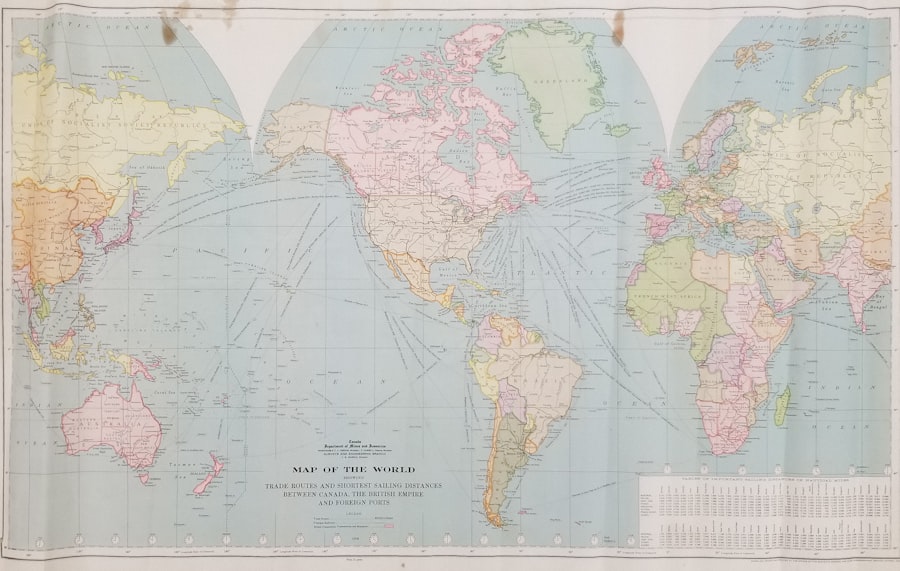
The West’s rich endowment of natural resources has always been a draw for capital. However, the modern era has seen this extraction become increasingly entwined with complex financial instruments and the dynamics of global debt markets.
Mining and Timber: From Local Industry to Global Capital
Historically, mining and timber were often localized industries, built on the labor of local communities. Today, many of these operations are owned by multinational corporations, driven by global commodity prices and financed through sophisticated debt and equity markets. This can lead to boom-and-bust cycles that disproportionately impact the communities dependent on these industries. When global markets shift, or debt obligations become too burdensome, operations can be shuttered with little regard for the local social and economic consequences.
Water Rights as a Marketable Commodity
As mentioned previously, water rights in the West are no longer solely tied to their historical uses. They have become a form of capital, amenable to sale, lease, and securitization. This trend is often driven by the higher returns that can be generated from urban or industrial uses compared to agriculture, leading to a potential reassidecline in agricultural output and a reordering of regional economies. The ability to trade water rights can create speculative bubbles and exacerbate existing water scarcity issues.
The Burden of Environmental Remediation and Financial Responsibility
The legacy of resource extraction often leaves a substantial environmental burden. Decisions made by financially driven entities in the past can dictate the cost and responsibility for future cleanup efforts. The question of who bears the financial responsibility for remediating polluted mine sites or restoring degraded ecosystems is a complex one, often involving legal battles and the scrutiny of financial performance.
Rural Communities on the Financial Frontier
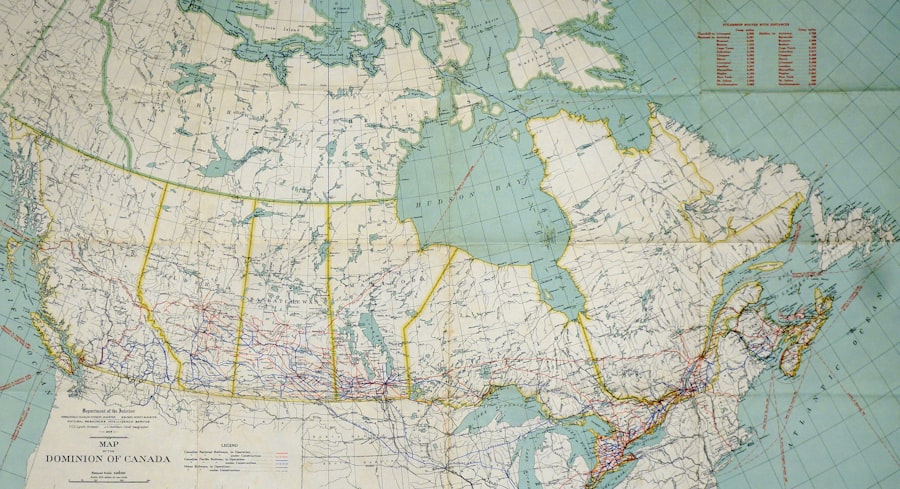
The impact of financialization on the American West is keenly felt in its rural communities, which often serve as the frontline for these economic transformations.
The Erosion of Traditional Livelihoods
As land ownership concentrates and resource extraction is driven by global capital, traditional livelihoods based on small-scale agriculture, ranching, and local resource management often struggle to compete. This can lead to the decline of rural economies, outward migration of younger generations, and the erosion of community cohesion. The economic engine of a small Western town might once have been a local mill or a family farm; now, its fate might be dictated by the quarterly earnings report of a distant corporation.
The Rise of Agribusiness and its Financial Underpinnings
The expansion of large-scale agribusiness in the West is heavily reliant on financial markets for everything from seed financing to crop insurance and land acquisition. This model prioritizes efficiency and scale, often at the expense of biodiversity and the economic viability of smaller, diversified farms. The financial architecture supporting agribusiness can create systemic risks that ripple through local economies.
The Challenge of Affordable Housing and Local Investment
The influx of capital, particularly in desirable areas, can drive up land and housing prices, making it increasingly difficult for local workers and families to afford to live in the communities where they work. This financial pressure can lead to a hollowing out of the middle class in rural areas, as wages fail to keep pace with rising costs, creating a stark disconnect between the economic activity generated and the benefits reaped by the local populace.
The financialized geography of the American West has been a topic of increasing interest among scholars and policymakers alike, as it highlights the intricate relationship between economic practices and spatial dynamics. A related article that delves deeper into this subject can be found at this link, where the implications of financialization on land use and resource allocation are explored in detail. Understanding these connections is crucial for addressing the challenges faced by communities in the region, as they navigate the complexities of economic development and environmental sustainability.
The Future of the Western Landscape: Navigating Financial Currents
| Metric | Description | Example Data | Source/Year |
|---|---|---|---|
| Real Estate Investment | Percentage of land in the American West owned by financial institutions | 15% | Urban Land Institute, 2023 |
| Housing Price Growth | Annual increase in median home prices in major Western cities | 8.5% | Zillow, 2023 |
| Private Equity Land Holdings | Acres of agricultural land owned by private equity firms | 1.2 million acres | Land Report, 2022 |
| Financialized Water Rights | Percentage of water rights traded as financial assets | 10% | Western Water Policy Center, 2023 |
| REIT Market Share | Share of real estate investment trusts in Western commercial property | 35% | NAREIT, 2023 |
| Venture Capital in Tech | Amount of venture capital invested in Western tech startups (in billions) | 4.7 | PitchBook, 2023 |
The financialization of the American West is not a static phenomenon; it is a dynamic process that continues to reshape the region. Understanding these forces is crucial for navigating the complex challenges and opportunities that lie ahead.
The Interplay of Policy and Financial Incentives
Government policies, from land use regulations to tax incentives and subsidies, play a significant role in shaping how financial interests interact with the Western landscape. Understanding this interplay is essential for crafting policies that promote sustainable development and equitable outcomes, rather than simply reinforcing existing financial structures.
The Growing Importance of Sustainable Finance and Impact Investing
As awareness of the impacts of financialization grows, there is a burgeoning interest in sustainable finance and impact investing. These approaches seek to align financial returns with positive social and environmental outcomes. In the West, this could manifest in investments in community-owned renewable energy projects, sustainable agriculture, or conservation easements that are designed to generate both financial and ecological benefits.
The Need for Local Agency and Community Resilience
Ultimately, the future of the financialized geography of the American West will depend on the agency and resilience of its communities. Empowering local stakeholders with knowledge, resources, and decision-making power is crucial to ensure that the region’s development benefits its inhabitants and its ecosystems, rather than simply serving as a canvas for distant financial calculations. The West is more than just a balance sheet; it is a living landscape, and its future depends on our ability to balance profit with preservation, and ambition with authenticity.
FAQs
What is meant by the term “financialized geography” in the context of the American West?
Financialized geography refers to the ways in which financial markets, institutions, and practices shape the spatial development, land use, and economic patterns of a region. In the American West, this involves how investment flows, real estate speculation, and financial instruments influence urban growth, resource extraction, and regional economies.
How has financialization impacted land ownership in the American West?
Financialization has led to increased land commodification and speculation, often resulting in large-scale acquisitions by investment firms, real estate developers, and institutional investors. This can drive up land prices, alter traditional land uses, and affect local communities, including indigenous populations and rural residents.
What role do real estate markets play in the financialized geography of the American West?
Real estate markets are central to the financialized geography of the American West, as housing and commercial property investments attract significant capital. This has contributed to urban expansion, gentrification, and changes in demographic patterns, especially in cities experiencing rapid growth and tourism-driven economies.
How does financialization affect natural resource management in the American West?
Financialization influences natural resource management by prioritizing profit-driven extraction and development projects funded by financial institutions. This can lead to intensified resource exploitation, environmental degradation, and conflicts over land use between economic interests and conservation efforts.
What are some social and economic consequences of financialized geography in the American West?
The financialization of geography in the American West can result in increased economic inequality, displacement of low-income and indigenous communities, housing affordability crises, and shifts in labor markets. It also shapes regional development patterns, often favoring sectors that attract financial investment over traditional industries.