
The Panama Canal stands as one of the most remarkable engineering feats in human history, a vital waterway that connects the Atlantic and Pacific Oceans. Completed in 1914, this 50-mile-long canal has transformed maritime trade by significantly reducing the travel distance for ships, eliminating the need for the perilous journey around the southern tip of South America. The canal’s construction was a monumental task, fraught with challenges ranging from tropical diseases to complex geological conditions.
It not only serves as a shortcut for shipping routes but also acts as a barometer for global economic health.
The canal’s operations are closely tied to the ebb and flow of international trade, making it a focal point for discussions about maritime logistics and economic policy. As global trade patterns evolve, the canal continues to adapt, reflecting changes in shipping technology and market demands. Its significance extends beyond mere transportation; it embodies the intersection of engineering prowess, economic strategy, and geopolitical considerations.
Key Takeaways
- The Panama Canal is a vital waterway that connects the Atlantic and Pacific Oceans, revolutionizing global trade and transportation.
- The economic impact of the Panama Canal is significant, as it reduces shipping time and costs, benefiting global trade and the economies of countries around the world.
- Environmental concerns surrounding the Panama Canal include habitat destruction, water pollution, and the introduction of invasive species, impacting the delicate ecosystem of the region.
- Maintenance issues, such as sediment buildup and infrastructure deterioration, can disrupt the canal’s operations and lead to costly delays for shipping companies.
- The threat of competition from alternative shipping routes, such as the Arctic and Suez Canals, poses a challenge to the Panama Canal’s dominance in global trade routes.
Economic impact of the Panama Canal
The economic impact of the Panama Canal is profound and multifaceted. By providing a shortcut for maritime traffic, it has drastically reduced shipping times and costs, which in turn has stimulated trade between nations. The canal allows vessels to save approximately 8,000 nautical miles on a journey from New York to San Francisco, translating into significant fuel savings and reduced shipping times.
This efficiency has made it an indispensable route for global shipping companies, enhancing their competitiveness in an increasingly interconnected world. Moreover, the canal generates substantial revenue for the Panamanian government through tolls charged to passing vessels. These tolls are based on various factors, including the size and type of ship, which means that larger vessels contribute more significantly to the canal’s income.
This revenue is crucial for Panama’s economy, funding infrastructure projects, social programs, and public services. The canal’s financial contributions extend beyond direct tolls; it also stimulates local economies by creating jobs in sectors such as logistics, tourism, and construction. The ripple effects of its operations can be felt throughout the region, underscoring its role as an economic engine.
Environmental concerns surrounding the Panama Canal

While the Panama Canal has brought significant economic benefits, it has also raised serious environmental concerns. The construction and expansion of the canal have had profound impacts on local ecosystems, leading to habitat destruction and biodiversity loss. The original construction involved extensive deforestation and alteration of natural waterways, which disrupted local flora and fauna.
As shipping traffic has increased over the years, so too have concerns about pollution from vessels traversing the canal, including oil spills and waste discharge that threaten marine life. In recent years, environmentalists have called attention to the need for sustainable practices in managing the canal’s operations. The introduction of larger ships has exacerbated these concerns, as they require deeper channels and wider locks, further impacting surrounding ecosystems.
Efforts to mitigate these effects have included initiatives aimed at preserving biodiversity and promoting sustainable practices among shipping companies. However, balancing economic growth with environmental stewardship remains a complex challenge that requires ongoing attention and innovative solutions.
Maintenance issues and their impact on the canal’s operations
| Issue | Impact |
|---|---|
| Equipment breakdown | Delays in canal traffic |
| Structural damage | Reduced water flow |
| Silt buildup | Navigation difficulties |
| Leakage | Water loss and potential flooding |
Maintenance is a critical aspect of ensuring the smooth operation of the Panama Canal. Given its age and the constant wear and tear from heavy shipping traffic, regular upkeep is essential to prevent disruptions. The canal’s infrastructure, including locks and channels, requires continuous monitoring and repair to accommodate modern vessels’ increasing size and weight.
Any maintenance delays can lead to significant bottlenecks in maritime traffic, affecting global supply chains. In recent years, maintenance challenges have become more pronounced due to budget constraints and competing priorities within Panama’s government. The need for modernization is urgent; outdated systems can lead to inefficiencies that ripple through global trade networks.
For instance, if a lock experiences mechanical failure or requires emergency repairs, it can result in extended wait times for ships, causing delays that affect delivery schedules worldwide. Thus, investing in maintenance is not merely a local concern but a global imperative that underscores the interconnectedness of modern trade.
The threat of competition from alternative shipping routes
As global trade continues to evolve, the Panama Canal faces increasing competition from alternative shipping routes. Notably, developments such as the Northern Sea Route along Russia’s Arctic coast present new opportunities for shipping companies seeking shorter paths between Europe and Asia. This route offers a potential alternative to traditional passages like the Panama Canal but comes with its own set of challenges related to ice conditions and geopolitical tensions.
Additionally, advancements in shipping technology have led to larger vessels that may not fit through the canal’s locks without significant modifications. As these mega-ships become more common, some shipping companies may opt for routes that allow them to bypass the canal altogether if they perceive it as less efficient or cost-effective. This competitive pressure underscores the need for ongoing investment in the canal’s infrastructure to ensure it remains a viable option for global shipping.
The impact of climate change on the Panama Canal
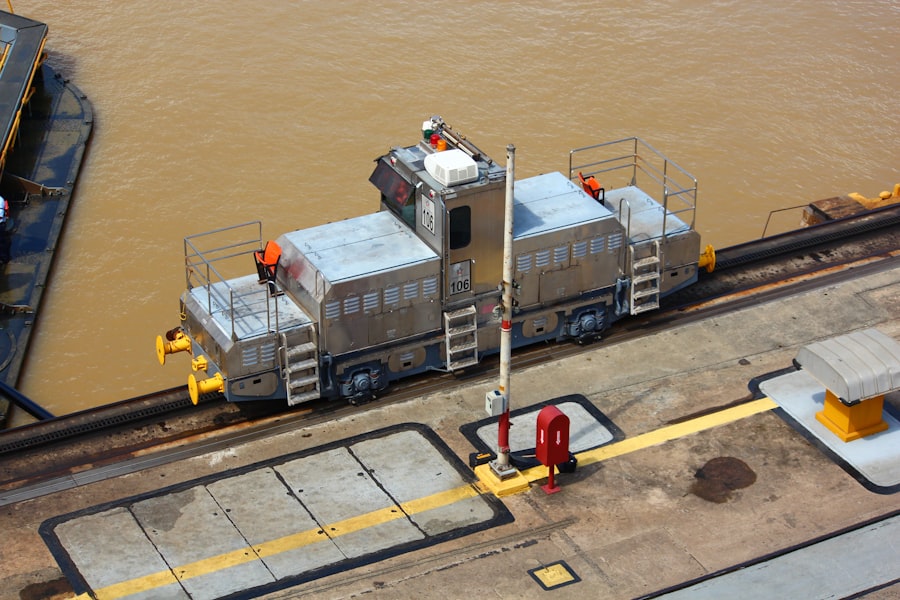
Climate change poses significant risks to the Panama Canal’s operations and long-term viability. Rising sea levels threaten to inundate coastal areas surrounding the canal, potentially impacting its infrastructure and accessibility. Additionally, changing weather patterns can lead to increased rainfall or drought conditions that affect water levels in Gatun Lake, which is crucial for canal operations.
Fluctuations in water levels can disrupt navigation and necessitate adjustments in shipping schedules. Moreover, climate change may exacerbate existing environmental challenges faced by the canal. Increased temperatures can lead to more frequent and severe storms, posing risks to both ships traversing the canal and the infrastructure itself.
As these challenges mount, it becomes imperative for canal authorities to develop adaptive strategies that address both immediate operational concerns and long-term sustainability goals.
The role of the Panama Canal in global trade
The Panama Canal plays an indispensable role in facilitating global trade by serving as a critical junction for maritime traffic between major economic regions. It connects key markets in North America with those in Asia and Europe, enabling efficient transportation of goods ranging from consumer products to raw materials. The canal’s strategic location allows it to serve as a conduit for approximately 5% of global trade volume each year.
Furthermore, the canal’s significance extends beyond mere transportation; it influences trade patterns and economic relationships among nations. By providing a reliable route for shipping goods, it fosters economic interdependence among countries that rely on timely deliveries for their industries. As global supply chains become increasingly complex, the Panama Canal remains a vital link that supports economic growth and stability across borders.
The canal’s importance for the economies of Panama and the surrounding region
The economic significance of the Panama Canal extends far beyond its immediate operations; it is a cornerstone of Panama’s economy and a catalyst for regional development. The revenue generated from tolls provides essential funding for public services and infrastructure projects within Panama, contributing to overall national development. Additionally, the canal creates thousands of jobs directly related to its operations while also stimulating employment in ancillary sectors such as logistics, tourism, and construction.
The surrounding region also benefits from the canal’s presence through increased investment opportunities and improved infrastructure connectivity. As businesses seek to capitalize on the advantages offered by this strategic waterway, they often invest in local communities, further enhancing economic prospects for residents. This symbiotic relationship between the canal and regional economies underscores its importance as not just a transportation route but a driver of sustainable development.
Efforts to address the canal’s economic and environmental challenges
Recognizing both its economic potential and environmental responsibilities, various stakeholders have initiated efforts to address the challenges facing the Panama Canal. These initiatives encompass a range of strategies aimed at enhancing operational efficiency while minimizing environmental impacts. For instance, investments in modernizing infrastructure are underway to accommodate larger vessels while ensuring that ecological considerations are integrated into planning processes.
Additionally, partnerships between governmental agencies, non-governmental organizations (NGOs), and private sector stakeholders have emerged to promote sustainable practices within maritime operations. These collaborations focus on reducing pollution from ships traversing the canal and implementing conservation measures to protect local ecosystems. By fostering dialogue among diverse stakeholders, these efforts aim to create a balanced approach that prioritizes both economic growth and environmental stewardship.
Potential consequences of the failing Panama Canal
Should the Panama Canal face significant operational failures or decline in relevance due to competition or environmental challenges, the consequences could be far-reaching. A failing canal would disrupt established trade routes, leading to increased shipping costs and delays that ripple through global supply chains. Such disruptions could result in higher prices for consumers as businesses grapple with increased transportation expenses.
Moreover, a decline in canal operations would have dire implications for Panama’s economy. The loss of revenue from tolls would strain public finances and hinder investment in essential services such as education and healthcare. Additionally, job losses within industries reliant on canal operations could exacerbate social inequalities within Panama and surrounding regions.
Thus, ensuring the continued viability of this critical waterway is paramount not only for global trade but also for regional stability.
The future of the Panama Canal and its significance for global trade
Looking ahead, the future of the Panama Canal remains intertwined with broader trends in global trade and environmental sustainability. As shipping companies continue to adapt to changing market demands and technological advancements, there will be ongoing pressure on canal authorities to modernize infrastructure while addressing environmental concerns. Embracing innovation will be key; investments in green technologies and sustainable practices can help mitigate ecological impacts while enhancing operational efficiency.
Ultimately, the significance of the Panama Canal will endure as long as it remains responsive to evolving challenges within maritime trade dynamics. Its ability to adapt will determine not only its relevance but also its role as a linchpin in global commerce. As nations navigate an increasingly interconnected world marked by both opportunities and challenges, the Panama Canal will continue to serve as a vital conduit that shapes economic relationships across continents.
The Panama Canal, a crucial artery for global maritime trade, is facing significant challenges that threaten its operational efficiency. One of the primary issues is the ongoing drought, which has drastically reduced water levels in the Gatun Lake, the canal’s main water source. This has led to restrictions on the number of ships that can pass through and the amount of cargo they can carry, impacting global supply chains. For a deeper understanding of the environmental factors contributing to this crisis, you can explore a related article on the topic by visiting this page. This article delves into the broader implications of climate change on critical infrastructures like the Panama Canal and offers insights into potential solutions to mitigate these challenges.
😨 WATCH THIS! 🚢 The Panama Canal Is a Ticking Time Bomb: What Happens If It Fails?
FAQs
What is the Panama Canal?
The Panama Canal is a man-made waterway that connects the Atlantic Ocean to the Pacific Ocean. It allows ships to bypass the lengthy and treacherous journey around the southern tip of South America.
Why is the Panama Canal considered to be failing?
The Panama Canal is considered to be failing due to a variety of factors, including maintenance issues, operational inefficiencies, and competition from other shipping routes such as the Suez Canal.
What are some of the maintenance issues affecting the Panama Canal?
Some of the maintenance issues affecting the Panama Canal include water leaks, erosion of the canal walls, and the aging infrastructure of the locks and gates.
What are the operational inefficiencies contributing to the failure of the Panama Canal?
Operational inefficiencies such as long wait times for ships, scheduling conflicts, and labor disputes have contributed to the declining reputation of the Panama Canal as a reliable shipping route.
How does competition from other shipping routes impact the Panama Canal?
Competition from other shipping routes, particularly the Suez Canal, has led to a decrease in the number of ships using the Panama Canal, impacting its revenue and overall viability.
What are the potential consequences of the failure of the Panama Canal?
The potential consequences of the failure of the Panama Canal include a negative impact on global trade, increased shipping costs, and a loss of revenue for the Panamanian government.