
Tibet, a region steeped in rich cultural heritage and spiritual significance, has long been characterized by its unique command networks. These networks, which encompass the social, political, and religious structures of Tibetan society, have evolved over centuries, reflecting the complexities of its history and the influences that have shaped it. The command networks in Tibet are not merely administrative frameworks; they represent a confluence of power dynamics, cultural practices, and spiritual beliefs that have guided the region’s governance and social organization.
Understanding Tibet’s command networks requires an exploration of their historical roots and the various factors that have influenced their development. From early forms of governance to the profound impact of Buddhism, feudalism, and external forces such as Chinese occupation, these networks have undergone significant transformations. As Tibet navigates the challenges of modernization and globalization, the resilience and adaptability of its command networks continue to be tested, raising questions about their future in an ever-changing world.
Key Takeaways
- Early forms of command networks in Tibet were based on a decentralized system of governance, with power distributed among various local leaders and monastic institutions.
- The influence of Buddhism on Tibet’s command networks can be seen in the close relationship between religious and political authority, with monasteries playing a key role in governance and decision-making.
- Feudalism played a significant role in shaping Tibet’s command networks, with a hierarchical system of land ownership and labor obligations defining the power structure.
- The Chinese occupation has had a profound impact on Tibet’s command networks, with the centralization of power and control by the Chinese government leading to significant changes in governance and decision-making processes.
- Modernization and technological advancements have brought significant changes to Tibet’s command networks, with the introduction of new communication and transportation systems altering the way power is distributed and exercised.
Early forms of Command Networks in Tibet
In the early stages of Tibetan history, command networks were primarily tribal and clan-based, reflecting the nomadic lifestyle of its inhabitants. These networks were characterized by a decentralized structure where local leaders held authority over their respective groups. The social organization was largely egalitarian, with decisions made through consensus rather than imposed from a central authority.
This early form of governance allowed for flexibility and adaptability, enabling communities to respond effectively to their environmental challenges. As Tibetan society began to settle and agricultural practices took root, these command networks evolved into more structured forms of governance. The emergence of regional kingdoms in the 7th century marked a significant shift in the political landscape.
The establishment of the Tibetan Empire under Songtsen Gampo introduced a centralized authority that sought to unify the diverse tribes and clans under a single rule. This period saw the development of administrative systems that laid the groundwork for future command networks, blending traditional practices with new governance models.
The Influence of Buddhism on Tibet’s Command Networks

Buddhism has played a pivotal role in shaping Tibet’s command networks, intertwining spiritual beliefs with political authority. The arrival of Buddhism in Tibet during the 7th century brought with it a new framework for governance that emphasized moral leadership and spiritual guidance. The integration of Buddhist principles into the political sphere fostered a unique relationship between religious leaders and secular authorities, creating a dual system of governance that remains influential to this day.
The establishment of monasteries as centers of power further solidified Buddhism’s impact on command networks. Monasteries not only served as religious institutions but also as hubs of education, culture, and political influence. High-ranking lamas often wielded significant power, advising rulers and participating in decision-making processes.
This symbiotic relationship between religion and politics contributed to a cohesive social order, where spiritual legitimacy was essential for maintaining authority.
The Role of Feudalism in Shaping Tibet’s Command Networks
| Feudalism in Tibet | Impact on Command Networks |
|---|---|
| Decentralized power structure | Resulted in fragmented command networks |
| Feudal lords and local chieftains | Controlled small territories and had limited influence |
| Weakened central authority | Led to difficulties in establishing unified command networks |
| Reliance on personal loyalties | Command networks based on personal relationships rather than formal structures |
Feudalism emerged as a dominant social structure in Tibet during the 11th century, profoundly influencing its command networks. The feudal system was characterized by a hierarchy of land ownership and obligations between lords and vassals. This structure created a complex web of relationships that dictated social interactions and governance.
Local lords held significant power over their territories, often acting independently while still recognizing the overarching authority of the central government. The feudal system also reinforced the importance of loyalty and allegiance within Tibetan society. Vassals were bound to their lords through oaths of loyalty, which were often accompanied by military service or agricultural production.
This interdependence fostered a sense of community but also led to conflicts as rival factions vied for control over land and resources. The feudal dynamics contributed to a fragmented political landscape, where local power struggles often overshadowed centralized governance.
The Impact of the Chinese Occupation on Tibet’s Command Networks
The Chinese occupation of Tibet in 1950 marked a watershed moment in the evolution of its command networks. The imposition of Chinese authority disrupted traditional governance structures and challenged the longstanding relationship between religion and politics. The Chinese government sought to integrate Tibet into the broader framework of the People’s Republic of China, leading to significant changes in administrative practices and social organization.
Under Chinese rule, many aspects of Tibetan life were transformed or suppressed. Monasteries were closed or repurposed, diminishing the influence of religious leaders in governance. The introduction of socialist policies aimed at redistributing land and resources further eroded feudal structures, leading to widespread discontent among the Tibetan populace.
The resistance against Chinese policies sparked movements for autonomy and cultural preservation, highlighting the resilience of Tibet’s command networks even in the face of external pressures.
Modernization of Tibet’s Command Networks
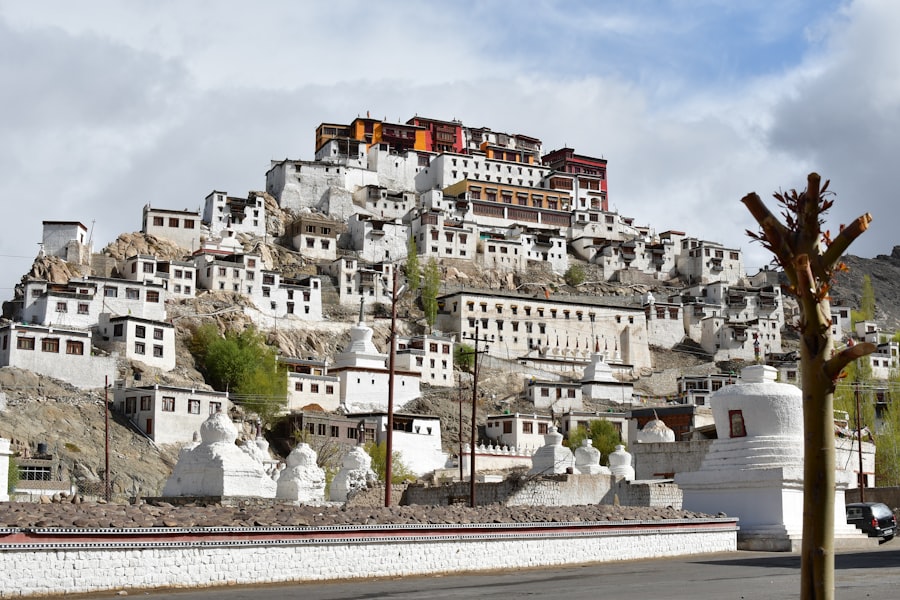
In recent decades, Tibet has experienced significant modernization efforts that have reshaped its command networks. Economic development initiatives have aimed to improve infrastructure, education, and healthcare, leading to changes in social dynamics and governance structures. The influx of technology and communication has also played a crucial role in transforming how information is disseminated and decisions are made within Tibetan society.
The rapid pace of change has led to tensions between traditional practices and contemporary values. As younger generations embrace new ideas and technologies, there is a growing desire for greater participation in governance and decision-making processes.
This shift has prompted discussions about how to balance modernization with the preservation of cultural identity and traditional command networks.
The Role of Technology in Shaping Tibet’s Command Networks
Technology has emerged as a powerful force in shaping Tibet’s command networks in the 21st century. The proliferation of mobile phones and internet access has revolutionized communication within Tibetan communities, enabling individuals to connect across vast distances and share information instantaneously. This connectivity has facilitated grassroots movements advocating for cultural preservation and political autonomy, empowering voices that were previously marginalized.
Moreover, technology has transformed how governance is approached in Tibet. Online platforms allow for greater transparency and accountability in decision-making processes, fostering a sense of civic engagement among the populace. However, this digital revolution also presents challenges, as authorities grapple with issues related to censorship and surveillance.
The interplay between technology and traditional command networks continues to evolve, raising questions about the future direction of governance in Tibet.
The Influence of Globalization on Tibet’s Command Networks
Globalization has had a profound impact on Tibet’s command networks, introducing new ideas, values, and economic opportunities while also posing challenges to traditional structures. As Tibet becomes increasingly connected to the global economy, external influences shape local practices and perceptions. This interconnectedness has led to a greater awareness of human rights issues and cultural preservation efforts among Tibetans both within the region and in diaspora communities.
The influx of international tourism has also transformed local economies and social dynamics. While tourism can provide economic benefits, it can also lead to cultural commodification and tensions between locals and visitors. As Tibetan society navigates these complexities, there is an ongoing dialogue about how to maintain cultural integrity while embracing the opportunities presented by globalization.
The Role of the Dalai Lama in Shaping Tibet’s Command Networks
The Dalai Lama has been a central figure in shaping Tibet’s command networks for decades, embodying both spiritual leadership and political authority. His role extends beyond religious duties; he has become a symbol of Tibetan identity and resilience in the face of adversity. The Dalai Lama’s teachings emphasize compassion, nonviolence, and dialogue, principles that resonate deeply within Tibetan society.
In exile since 1959, the Dalai Lama has worked tirelessly to advocate for Tibetan rights on the global stage while promoting a peaceful resolution to the conflict with China. His efforts have galvanized support for Tibetan autonomy and cultural preservation worldwide. As a result, he remains an influential figure not only within Tibet but also among international communities advocating for human rights.
Challenges and Controversies Surrounding Tibet’s Command Networks
Despite their resilience, Tibet’s command networks face numerous challenges and controversies that threaten their stability and effectiveness. Internal divisions among various factions within Tibetan society can lead to fragmentation and conflict over leadership roles and governance approaches. Additionally, external pressures from the Chinese government continue to complicate efforts toward autonomy and cultural preservation.
The question of how to balance tradition with modernity also poses significant challenges for Tibetans today. As younger generations seek greater participation in governance while navigating global influences, tensions may arise between preserving traditional values and embracing new ideas. These complexities underscore the need for ongoing dialogue within Tibetan society about its future direction.
The Future of Tibet’s Command Networks
Looking ahead, the future of Tibet’s command networks remains uncertain yet filled with potential for growth and adaptation. As globalization continues to shape social dynamics and technological advancements redefine communication methods, there is an opportunity for innovative approaches to governance that honor both tradition and modernity. The resilience demonstrated by Tibetan communities throughout history suggests that they will continue to navigate these challenges with determination.
By fostering inclusive dialogue among diverse voices within society—whether through grassroots movements or formal governance structures—Tibetans can work towards building command networks that reflect their unique identity while addressing contemporary issues. In conclusion, Tibet’s command networks are a testament to the region’s rich history and cultural heritage. As they evolve in response to internal dynamics and external influences, these networks will play a crucial role in shaping Tibet’s future trajectory amidst ongoing challenges and opportunities for growth.
Tibet’s history of command networks is a fascinating subject that highlights the intricate social and political structures that have shaped the region over centuries. For a deeper understanding of these dynamics, you can explore the article on MyGeoQuest, which delves into the historical context and significance of command networks in Tibet. To read more, visit this article.
WATCH THIS! Tibet’s Emptiness Is No Accident
FAQs
What is the history of Tibet’s command networks?
Tibet’s history of command networks dates back to ancient times, with a hierarchical system of governance and military organization.
How did Tibet’s command networks function?
Tibet’s command networks were based on a feudal system, with a central authority figure, such as the Dalai Lama or a local ruler, who held ultimate power and authority over military and administrative matters.
What role did the Dalai Lama play in Tibet’s command networks?
The Dalai Lama, as both the spiritual and political leader of Tibet, held significant influence over the command networks, often serving as the ultimate decision-maker in matters of governance and military strategy.
Did Tibet have a standing army?
Tibet maintained a standing army, known as the Tibetan Army, which was responsible for defending the region and enforcing the authority of the ruling government.
How did Tibet’s command networks change over time?
Tibet’s command networks evolved over time, particularly during periods of conflict and external influence, leading to shifts in power dynamics and changes in military organization and strategy.