
The electric vehicle (EV) battery supply chain is a complex network that is fundamental to the shift toward sustainable transportation. As demand for electric vehicles increases due to environmental awareness and technological progress, the need for a dependable and efficient battery supply chain has become increasingly critical. This supply chain includes raw material extraction, battery cell manufacturing, and product delivery to end consumers.
Industry stakeholders, policymakers, and consumers must understand these operations to make informed decisions. The EV battery supply chain involves multiple interconnected processes that require coordination and management. The process begins with extracting raw materials including lithium, cobalt, and nickel, which are necessary for battery production.
These materials go through processing stages before being converted into battery cells in manufacturing facilities. After production, battery cells must be transported to automakers and other users efficiently. As the industry develops, new challenges and opportunities emerge within this supply chain, creating ongoing needs for innovation and operational improvements.
Learn about the environmental impacts of lithium mining in this informative video.
Key Takeaways
- The EV battery supply chain faces significant challenges from raw material sourcing to logistics.
- Environmental and social impacts are critical concerns throughout the battery lifecycle.
- Innovations in battery technology and sustainable recycling practices are key to overcoming supply bottlenecks.
- Collaboration among industry stakeholders is essential for a resilient and efficient supply chain.
- The future outlook emphasizes sustainability, technological advancement, and global partnerships.
Challenges in the EV Battery Supply Chain
Despite its critical importance, the EV battery supply chain faces numerous challenges that can hinder its efficiency and sustainability. One of the most pressing issues is the volatility of raw material prices. The prices of essential minerals like lithium and cobalt can fluctuate dramatically due to geopolitical tensions, market demand, and supply chain disruptions.
Such volatility not only affects manufacturers’ costs but also poses risks to the overall stability of the EV market. Stakeholders must navigate these uncertainties while striving to maintain competitive pricing for consumers. Another significant challenge is the environmental impact associated with raw material extraction and processing.
Mining operations can lead to habitat destruction, water pollution, and other ecological concerns. Additionally, labor practices in some mining regions have raised ethical questions regarding human rights violations and worker safety. As consumers become increasingly aware of these issues, there is growing pressure on manufacturers to ensure that their supply chains are not only economically viable but also socially responsible and environmentally sustainable.
Raw Material Sourcing and Processing

The sourcing and processing of raw materials are foundational elements of the EV battery supply chain. Lithium, cobalt, nickel, and graphite are among the key components required for battery production. Lithium, often referred to as “white gold,” is primarily extracted from brine deposits or hard rock mining.
Cobalt, on the other hand, is predominantly sourced from the Democratic Republic of Congo, raising concerns about ethical sourcing due to reports of child labor and unsafe working conditions in some mines. Processing these raw materials into usable forms for battery production involves complex chemical processes that can be energy-intensive and environmentally damaging. For instance, lithium extraction can consume vast amounts of water, particularly in arid regions where brine is harvested.
Innovations in recycling technologies and alternative sourcing strategies are becoming increasingly important as stakeholders seek to address these challenges.
Battery Cell Manufacturing
Once raw materials have been sourced and processed, they enter the battery cell manufacturing phase. This stage involves assembling various components into cells that will ultimately power electric vehicles. The manufacturing process is highly technical and requires precision engineering to ensure optimal performance and safety.
Factors such as temperature control, material purity, and assembly techniques play a critical role in determining the quality of the final product. As demand for electric vehicles continues to rise, manufacturers are investing heavily in expanding their production capacities. This expansion often involves adopting advanced manufacturing technologies such as automation and artificial intelligence to enhance efficiency and reduce costs.
However, scaling up production also presents challenges, including maintaining quality control and managing supply chain logistics effectively. Manufacturers must strike a balance between increasing output and ensuring that each battery cell meets stringent performance standards.
Transportation and Logistics
| Metric | Value | Unit | Notes |
|---|---|---|---|
| Global Lithium Production | 100,000 | Metric Tons (2023) | Primary raw material for EV batteries |
| Projected Lithium Demand for EVs | 250,000 | Metric Tons (2025 forecast) | Demand outpaces supply causing bottlenecks |
| Cobalt Supply Deficit | 15% | Percentage | Shortage due to geopolitical and ethical sourcing issues |
| Battery Cell Manufacturing Capacity | 1,200 | GWh/year (2023) | Capacity constrained by raw material availability |
| Average Lead Time for Battery Materials | 9 | Months | Includes mining, refining, and transportation delays |
| Percentage of EV Battery Supply Chain Delays | 30% | Percentage | Delays caused by bottlenecks in raw material supply |
| Recycling Rate of Battery Materials | 5 | Percentage (2023) | Low recycling contributes to supply constraints |
Transportation and logistics are vital components of the EV battery supply chain that can significantly impact overall efficiency. Once battery cells are manufactured, they must be transported to automakers or distribution centers in a timely manner. This process involves navigating complex logistics networks that may include multiple modes of transportation such as trucks, ships, and trains.
Delays or disruptions at any point in this process can lead to production bottlenecks for automakers. Moreover, as battery technology evolves, so too do the requirements for transportation. For instance, lithium-ion batteries are classified as hazardous materials due to their flammability risks during transport.
This classification necessitates adherence to strict regulations governing their shipment, which can complicate logistics operations. Companies must invest in specialized training for personnel involved in handling these materials and ensure compliance with international shipping regulations to mitigate risks associated with transportation.
Environmental and Social Impact
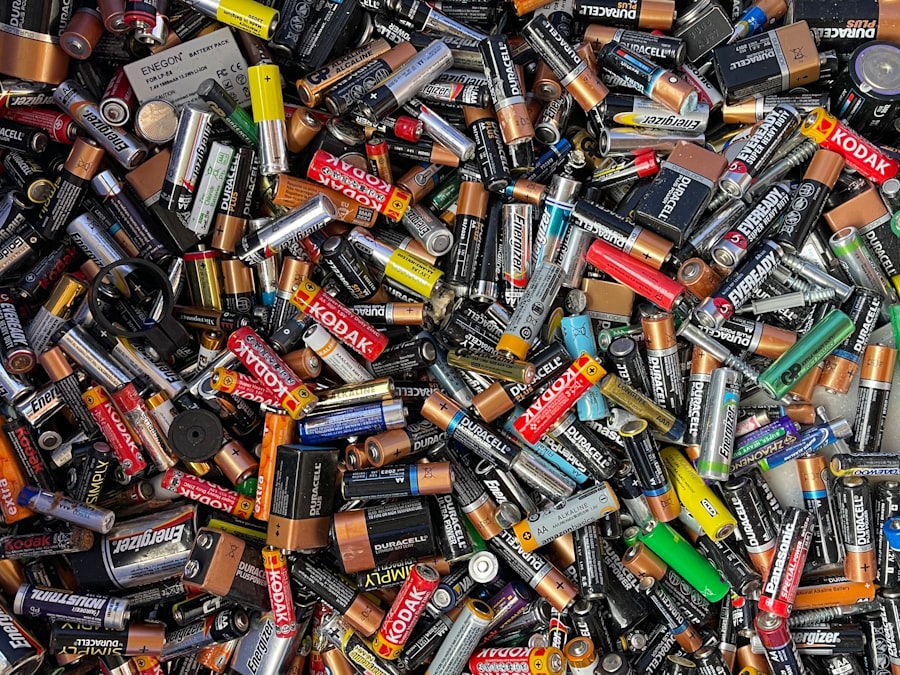
The environmental and social impacts of the EV battery supply chain are increasingly coming under scrutiny as consumers demand greater transparency from manufacturers. The extraction of raw materials often leads to significant ecological degradation, including deforestation, soil erosion, and water contamination. These environmental consequences can have far-reaching effects on local ecosystems and communities that depend on these natural resources for their livelihoods.
Reports of child labor in cobalt mines have sparked outrage among consumers and advocacy groups alike. As a result, many companies are now prioritizing ethical sourcing practices and seeking certifications that guarantee responsible mining operations.
By addressing these environmental and social concerns head-on, stakeholders can work towards creating a more sustainable and equitable EV battery supply chain.
Solutions to the EV Battery Supply Chain Bottleneck
To address the bottlenecks within the EV battery supply chain, stakeholders are exploring a variety of solutions aimed at enhancing efficiency and sustainability. One approach involves diversifying sources of raw materials to reduce dependence on specific regions or suppliers. By investing in alternative mining operations or developing new extraction technologies, companies can mitigate risks associated with supply disruptions.
Additionally, fostering collaboration among industry players can lead to innovative solutions that benefit all stakeholders involved. For instance, partnerships between automakers and battery manufacturers can facilitate knowledge sharing and resource pooling, ultimately streamlining production processes. Furthermore, governments can play a pivotal role by implementing policies that support research and development initiatives focused on sustainable practices within the battery supply chain.
Innovation in Battery Technology
Innovation in battery technology is a driving force behind advancements in the EV battery supply chain. Researchers are continually exploring new chemistries and designs that promise improved energy density, faster charging times, and enhanced safety features. Solid-state batteries, for example, represent a promising alternative to traditional lithium-ion batteries by utilizing solid electrolytes instead of liquid ones.
This shift could lead to batteries that are lighter, more efficient, and less prone to overheating. Moreover, advancements in recycling technologies are gaining traction as manufacturers seek to reclaim valuable materials from used batteries. By developing efficient recycling processes that recover lithium, cobalt, and other critical components, companies can reduce their reliance on newly mined resources while minimizing waste.
This circular economy approach not only addresses environmental concerns but also contributes to a more resilient supply chain by creating a closed-loop system for battery materials.
Collaboration and Partnerships
Collaboration among various stakeholders is essential for overcoming challenges within the EV battery supply chain. Automakers, battery manufacturers, raw material suppliers, and governments must work together to create a cohesive ecosystem that supports sustainable practices and innovation. Joint ventures between companies can facilitate knowledge sharing and resource pooling while enabling them to tackle common challenges more effectively.
Furthermore, partnerships with research institutions can drive technological advancements that benefit the entire industry. By investing in research initiatives focused on improving battery performance or developing alternative materials, stakeholders can collectively address pressing issues such as resource scarcity or environmental impact. Collaborative efforts not only enhance individual company capabilities but also contribute to a more resilient and sustainable EV battery supply chain overall.
Sustainable Practices and Recycling
Sustainable practices are becoming increasingly important within the EV battery supply chain as stakeholders recognize the need for environmentally responsible operations. From responsible sourcing of raw materials to implementing energy-efficient manufacturing processes, companies are taking steps to minimize their ecological footprint. Additionally, many manufacturers are exploring ways to reduce waste generated during production by optimizing processes and reusing materials whenever possible.
Recycling plays a pivotal role in promoting sustainability within the battery supply chain. As electric vehicles become more prevalent on roads worldwide, the need for effective recycling solutions will only grow. By developing efficient methods for reclaiming valuable materials from used batteries—such as lithium, cobalt, nickel, and graphite—companies can reduce their reliance on newly mined resources while minimizing environmental impact.
This commitment to recycling not only conserves resources but also fosters a circular economy that benefits both businesses and consumers alike.
Future Outlook for the EV Battery Supply Chain
The future outlook for the EV battery supply chain appears promising yet challenging as demand for electric vehicles continues to rise globally. With governments implementing stricter emissions regulations and consumers increasingly favoring sustainable transportation options, the need for efficient battery production will only intensify. However, addressing existing challenges—such as raw material sourcing volatility and environmental concerns—will be crucial for ensuring long-term success.
As innovation continues to drive advancements in battery technology and recycling practices evolve further, stakeholders have an opportunity to create a more resilient supply chain that meets growing demands sustainably. By fostering collaboration among industry players while prioritizing ethical sourcing practices and environmental stewardship, the EV battery supply chain can pave the way for a cleaner future in transportation—one where electric vehicles play an integral role in reducing carbon emissions and promoting sustainable mobility solutions worldwide.
The ongoing challenges in the electric vehicle (EV) battery supply chain have been a significant concern for manufacturers and consumers alike. A related article that delves deeper into this issue can be found at this link. It discusses the various factors contributing to the bottleneck, including raw material shortages and production delays, which are critical for understanding the future of EV adoption and sustainability.
WATCH THIS! 🌍 “THE WATER IS GONE: Inside the Desert Killing the EV Revolution
FAQs
What is an EV battery supply chain bottleneck?
An EV battery supply chain bottleneck refers to a point in the production and distribution process where the supply of essential materials, components, or manufacturing capacity for electric vehicle (EV) batteries is limited or delayed, causing slowdowns or shortages in battery availability.
What causes supply chain bottlenecks in EV battery production?
Common causes include shortages of critical raw materials like lithium, cobalt, and nickel; limited mining and refining capacity; disruptions in transportation and logistics; manufacturing constraints; and geopolitical factors affecting trade and resource access.
Why are raw materials important in the EV battery supply chain?
Raw materials such as lithium, cobalt, nickel, and graphite are essential components of lithium-ion batteries used in EVs. Their availability, quality, and cost directly impact battery production capacity, performance, and pricing.
How do supply chain bottlenecks affect EV production?
Bottlenecks can lead to delays in battery manufacturing, increased costs, reduced EV production volumes, and longer wait times for consumers. This can slow down the adoption of electric vehicles and impact automakers’ ability to meet demand.
What steps are being taken to address EV battery supply chain bottlenecks?
Efforts include increasing mining and refining capacity, developing alternative battery chemistries with less reliance on scarce materials, improving recycling of battery materials, diversifying supply sources, and investing in domestic production facilities.
Can battery recycling help alleviate supply chain bottlenecks?
Yes, recycling used EV batteries can recover valuable materials like lithium, cobalt, and nickel, reducing dependence on new mining and helping to stabilize supply chains over time.
Are there geographic regions critical to the EV battery supply chain?
Yes, countries like China, Australia, the Democratic Republic of Congo, and Chile are key players in mining, refining, and manufacturing stages of the EV battery supply chain, making geopolitical stability and trade policies important factors.
How long might supply chain bottlenecks impact the EV industry?
The duration varies depending on factors such as investment in capacity expansion, technological advancements, and global economic conditions. Some bottlenecks may persist for several years as the industry scales up.
What role do automakers play in managing supply chain bottlenecks?
Automakers are increasingly securing long-term supply contracts, investing in battery production facilities, collaborating with suppliers, and supporting research into alternative materials and battery technologies to mitigate bottlenecks.
How does the EV battery supply chain bottleneck impact consumers?
Consumers may face higher prices, limited vehicle availability, and longer delivery times for electric vehicles due to constrained battery supply caused by bottlenecks.