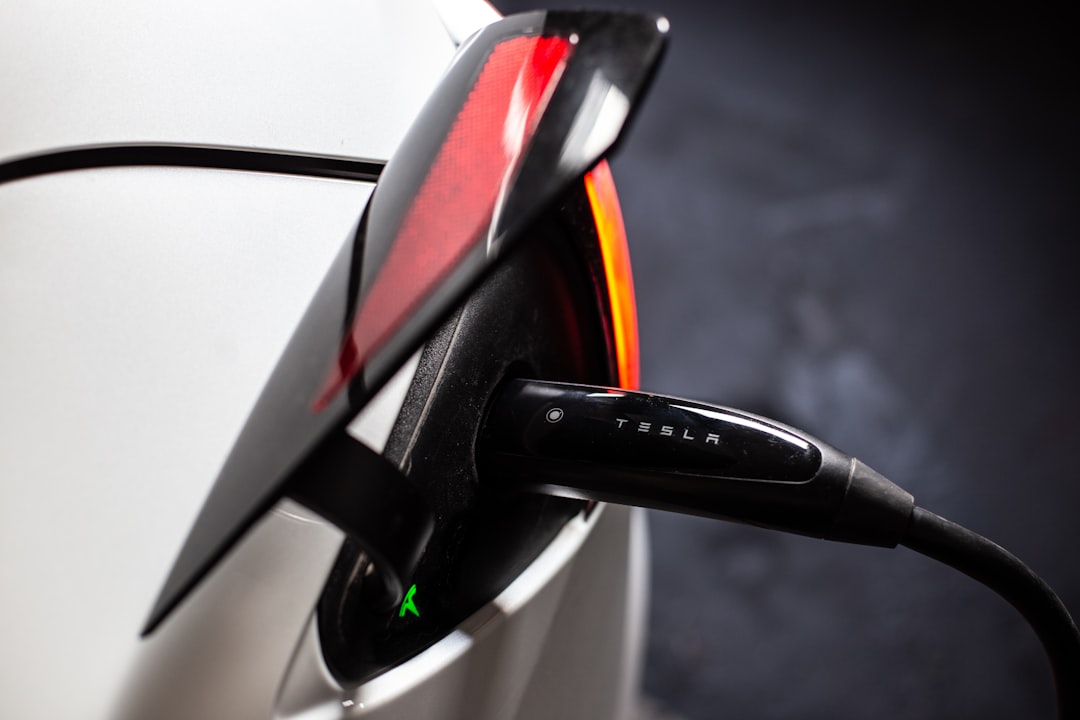
The rise of electric vehicles (EVs) is often lauded as a pivotal step in combating climate change and reducing our reliance on fossil fuels. Indeed, the promise of zero tailpipe emissions paints a verdant future for urban air quality and a significantly gentler impact on the planet from the perspective of direct operation. Yet, while EVs offer a compelling alternative, a comprehensive understanding of their environmental footprint necessitates a deep dive into the often-overlooked life cycle of their most critical component: the battery. These energy powerhouses, the beating heart of every EV, present their own set of environmental challenges, from the extraction of raw materials to their eventual disposal. Navigating this complex landscape reveals that the transition to electric mobility is not a simple switch, but rather a complex recalibration of our environmental impact, demanding careful consideration and innovation at every stage.
The very foundation of an EV battery is built upon a medley of relatively rare and often geologically concentrated minerals. These materials, once extracted from the Earth, are the essential building blocks that enable the electrochemical processes storing and releasing energy. The journey from unearthed ore to a functioning battery cell is a lengthy and resource-intensive one, carrying a significant environmental burden that precedes even the first mile driven by an EV.
Lithium: The Light Metal Backbone
Lithium, a cornerstone of most lithium-ion batteries, is primarily extracted through two methods: hard-rock mining and brine evaporation. Each method carries distinct environmental implications.
Hard-Rock Mining: Scarring the Earth
Hard-rock mining, common in countries like Australia and China, involves traditional open-pit or underground mining techniques. This process can lead to significant land disturbance, habitat fragmentation, and the generation of substantial waste rock and tailings. The sheer scale of these operations can reshape landscapes, impacting local ecosystems and biodiversity. Moreover, the energy intensive nature of crushing and processing ore contributes to greenhouse gas emissions, even before the lithium is refined. The water required for dust suppression and mineral processing can also place a strain on local water resources, particularly in arid regions.
Brine Evaporation: Thirsty Reservoirs
Brine evaporation, prevalent in South America’s “lithium triangle” (Chile, Argentina, and Bolivia), involves pumping underground saline groundwater rich in lithium into vast, shallow evaporation ponds. These ponds are then left to the sun and wind, slowly concentrating the lithium salts. While this method generally requires less energy than hard-rock mining, it is incredibly water-intensive. In already water-scarce regions like the Atacama Desert, this process can significantly deplete local water tables, impacting not only the natural environment but also the livelihoods of indigenous communities and agricultural practices. The sheer visual impact of these expansive, artificial lakes dramatically alters the desert landscape.
Cobalt: The Controversial Catalyst
Cobalt is another essential element in many EV battery chemistries, contributing to battery longevity and energy density. However, its extraction is fraught with ethical and environmental concerns.
Geopolitical Concentrations and Human Rights
The vast majority of the world’s cobalt is mined in the Democratic Republic of Congo (DRC). Reports from various human rights organizations have highlighted widespread issues of artisanal mining, including dangerous working conditions, child labor, and environmental contamination from unregulated mining practices. The lack of stringent environmental regulations in some areas means that toxic byproducts can leach into soil and water, posing risks to both human and ecological health. The concentration of production in a single, politically unstable region also creates supply chain vulnerabilities and ethical dilemmas for EV manufacturers.
Environmental Degradation and Health Risks
The mining of cobalt, often occurring alongside other mineral extractions, can lead to deforestation, soil erosion, and the release of heavy metals into the environment. Waterways can become contaminated with cobalt and other pollutants, impacting aquatic life and posing health risks to communities downstream. The dust generated from mining operations can also contribute to air pollution, affecting respiratory health.
Nickel and Manganese: The Supporting Cast
Nickel and manganese are also key components in many EV batteries, influencing their performance and cost. Their extraction shares many of the environmental challenges associated with other metal mining.
Large-Scale Mining Operations
The extraction of nickel, often from lateritic soils or sulfide ores, and manganese, typically from sedimentary or volcanic deposits, involves large-scale mining operations. These operations necessitate significant land use, habitat disruption, and the generation of vast quantities of waste material. Smelting and refining processes for these metals are also energy-intensive and can release air pollutants, including sulfur dioxide and particulate matter.
Water and Energy Consumption
Similar to other metal mining, the processing of nickel and manganese requires substantial amounts of water and energy, contributing to greenhouse gas emissions and potential water resource depletion in mining regions. The chemical leaching processes used in some extraction methods can also create hazardous waste streams that require careful management to prevent environmental contamination.
The environmental consequences of electric vehicle batteries are a growing concern as the demand for electric vehicles continues to rise. A related article that delves into this issue can be found at My Geo Quest, where it discusses the lifecycle of battery production, the sourcing of raw materials, and the challenges of recycling used batteries. Understanding these factors is crucial for assessing the overall sustainability of electric vehicles and their impact on our planet.
The Manufacturing Menace: From Components to Cells
Once the raw materials are extracted and refined, the journey of an EV battery continues into the complex and energy-intensive realm of manufacturing. Transforming these materials into functional battery cells involves intricate chemical processes and assembly lines, each with its own environmental implications.
Energy-Intensive Assembly
The fabrication of battery cells, particularly lithium-ion cells, is an energy-intensive process. This includes the precise mixing of active materials, electrode coating, electrolyte filling, and cell formation. The sheer scale of battery production for the burgeoning EV market means that the energy required to power these factories is substantial. If this energy is sourced from fossil fuels, the carbon footprint associated with battery manufacturing can be significant, effectively offsetting some of the emissions savings gained from EV operation.
Chemical Processes and Waste Generation
The chemical processes involved in battery manufacturing can also generate hazardous waste streams. Solvents used in electrode production, byproducts from electrolyte synthesis, and rejected cells all require careful management and disposal. While efforts are made to recycle and reuse chemicals, complete elimination of waste is challenging. The handling of these chemicals necessitates stringent safety protocols to prevent environmental contamination and protect worker health.
Water Usage in Production
While perhaps not as publicly discussed as the water usage in lithium brine extraction, the manufacturing of EV batteries also consumes significant quantities of water for cooling, cleaning, and various chemical processes. In regions with water scarcity, this can exacerbate existing pressures on water resources.
The Driving Dilemma: Operational Emissions (or Lack Thereof)

This is where the immediate environmental advantage of EVs becomes apparent. Unlike internal combustion engine (ICE) vehicles, EVs produce zero tailpipe emissions. This is a critical distinction that directly impacts urban air quality and reduces the release of greenhouse gases and air pollutants into the atmosphere during operation.
Cleaner Air in Urban Centers
The absence of tailpipe emissions from EVs directly translates to cleaner air in cities. This means a reduction in harmful pollutants such as nitrogen oxides (NOx), particulate matter (PM), and volatile organic compounds (VOCs), which are major contributors to respiratory illnesses, cardiovascular problems, and smog. The cacophony of exhaust fumes that once characterized busy streets can be replaced by a quieter hum, improving the quality of life for urban dwellers.
Shifting the Emissions Burden
However, it is crucial to understand that while EVs eliminate tailpipe emissions, the electricity they consume must be generated somewhere. The environmental impact of EV operation is therefore intrinsically linked to the energy mix of the grid powering them.
The Impact of the Grid’s Carbon Intensity
If an EV is charged using electricity generated from coal or natural gas power plants, the overall greenhouse gas emissions associated with its operation might still be significant, albeit generally lower than a comparable gasoline vehicle. This is because the emissions are shifted from the tailpipe to the power plant. Conversely, if the electricity is derived from renewable sources like solar or wind, the operational emissions of the EV become virtually negligible, making it a truly zero-emission mode of transport. This highlights the critical importance of decarbonizing electricity grids for maximizing the environmental benefits of EVs.
The End of the Road: Battery Recycling and Disposal
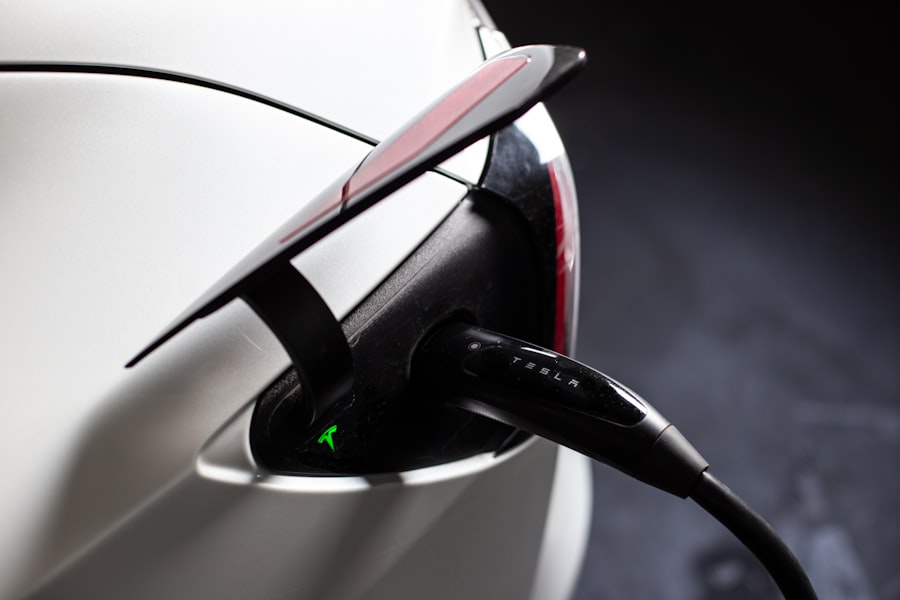
The lifespan of an EV battery is finite, and while manufacturers are striving to extend it, eventually these complex energy storage devices will reach the end of their useful life in a vehicle. The question of what happens to these batteries then becomes a pressing environmental challenge.
The Challenge of Scale
As the number of EVs on the road grows, so too will the volume of spent batteries. This presents a significant logistical and environmental challenge, as these batteries contain valuable materials but also potentially hazardous substances if not managed properly. Without robust recycling infrastructure and processes, there is a risk of these batteries ending up in landfills, leading to potential soil and groundwater contamination.
The Promise of a Circular Economy: Recycling
Recycling EV batteries offers a compelling solution, enabling the recovery of valuable metals like lithium, cobalt, nickel, and copper. This not only reduces the need for virgin material extraction, with its associated environmental impacts, but also creates a more sustainable, circular economy for battery components.
Current Recycling Technologies and Their Limitations
Various recycling technologies are being developed and implemented, including pyrometallurgical (high-temperature smelting), hydrometallurgical (chemical leaching), and direct recycling (recovering cathode materials without full disassembly). While these methods can recover a significant portion of battery materials, they are not always 100% efficient. Some processes require substantial energy and can produce secondary waste streams. The complex chemistry of different battery chemistries also poses challenges for standardization and widespread applicability of recycling processes.
The Economic Viability of Recycling
Currently, the economic viability of EV battery recycling is heavily influenced by the fluctuating prices of the recovered metals and the cost of the recycling process itself. As battery technologies evolve and the demand for recycled materials increases, the economics are expected to improve. Government incentives and regulations are also playing a crucial role in driving investment in recycling infrastructure.
The Second Life of Batteries: Repurposing
Beyond traditional recycling, there is a growing interest in “second-life” applications for EV batteries. Once a battery can no longer provide sufficient power for a vehicle, it may still have enough capacity for less demanding energy storage solutions.
Grid-Scale Storage Solutions
EV batteries, even with reduced capacity, can be repurposed for grid-scale energy storage. This can help stabilize renewable energy grids by storing excess solar and wind power when it is abundant and releasing it when demand is high or generation is low. This not only extends the life of the battery but also contributes to a more reliable and sustainable energy infrastructure.
De-centralized Energy Systems
Repurposed EV batteries can also be used in smaller, de-centralized energy systems for homes, businesses, or remote communities. This can provide backup power, enable off-grid living, and reduce reliance on fossil fuel-based generators. The potential for creating microgrids and enhancing energy resilience is significant.
The environmental consequences of electric vehicle batteries are becoming an increasingly important topic as the demand for sustainable transportation grows. A related article explores the various impacts of battery production and disposal on ecosystems and communities. For more insights on this critical issue, you can read the full discussion in this article, which highlights both the benefits and challenges associated with the shift towards electric vehicles. Understanding these factors is essential for making informed decisions about our future energy sources.
Innovations for a Greener Future: The Path Forward
| Metric | Description | Environmental Impact | Notes |
|---|---|---|---|
| Raw Material Extraction | Mining of lithium, cobalt, nickel, and manganese | Habitat destruction, water pollution, high energy use | Cobalt mining linked to human rights concerns |
| Energy Consumption in Manufacturing | Energy required to produce battery cells | High carbon emissions depending on energy source | Manufacturing emissions can be 30-50% of total lifecycle emissions |
| Battery Lifespan | Typical operational life of EV batteries | Longer lifespan reduces frequency of replacement and waste | Average lifespan: 8-15 years |
| Recycling Rate | Percentage of battery materials recovered and reused | Reduces need for new mining, lowers environmental footprint | Current global recycling rates are below 5% |
| End-of-Life Disposal | Methods of battery disposal or repurposing | Improper disposal can lead to soil and water contamination | Second-life applications for stationary storage are emerging |
| Carbon Footprint per kWh | CO2 emissions associated with producing 1 kWh of battery capacity | 50-150 kg CO2e depending on production methods | Lower with renewable energy powered manufacturing |
The environmental challenges associated with EV batteries are undeniable, but they are not insurmountable. A concerted effort involving technological innovation, improved policy, and increased consumer awareness is essential to mitigate these impacts and ensure that the transition to electric mobility is truly sustainable.
Advancements in Battery Chemistry
Researchers are continuously working to develop new battery chemistries that reduce or eliminate the reliance on problematic materials like cobalt. Solid-state batteries, for example, hold promise for improved safety, higher energy density, and potentially reduced environmental impact throughout their life cycle. Sodium-ion batteries are also emerging as a potential alternative, utilizing more abundant and less toxic materials.
Enhanced Recycling Technologies and Infrastructure
Investment in and development of more efficient and cost-effective battery recycling technologies are crucial. Establishing a robust and widespread recycling infrastructure is vital to handle the growing volume of spent batteries and ensure that valuable materials are recovered. This requires collaboration between battery manufacturers, automakers, recycling companies, and governments.
Sustainable Sourcing of Raw Materials
Efforts are underway to promote more responsible and sustainable sourcing of raw materials. This includes exploring alternative extraction methods with lower environmental footprints, investing in technologies to reduce water and energy consumption in mining, and ensuring ethical labor practices throughout the supply chain. Traceability and transparency in the mining process are becoming increasingly important.
Extended Battery Lifespan and Design for Disassembly
Manufacturers are focusing on designing batteries that have longer lifespans, reducing the frequency with which they need to be replaced. Furthermore, designing batteries with ease of disassembly in mind can significantly streamline the recycling process, making it more efficient and less resource-intensive.
In conclusion, the environmental impact of electric vehicle batteries is a multifaceted issue that demands careful consideration. While EVs offer significant advantages in reducing operational emissions, the cradle-to-grave journey of their batteries presents a complex web of challenges. From the environmental toll of raw material extraction to the complexities of manufacturing and the crucial need for effective recycling and repurposing, a holistic approach is vital. The path forward lies in continuous innovation, responsible sourcing, robust recycling infrastructure, and a commitment to building a truly sustainable electric mobility ecosystem. The choices we make today regarding battery technology, manufacturing practices, and end-of-life management will profoundly shape the environmental legacy of our electric future.
FAQs
1. What are the main environmental impacts of electric vehicle (EV) batteries?
The primary environmental impacts of EV batteries include resource extraction, energy-intensive manufacturing processes, and challenges related to battery disposal and recycling. Mining for materials like lithium, cobalt, and nickel can lead to habitat destruction, water pollution, and significant carbon emissions.
2. How does the production of EV batteries affect the environment?
Battery production requires substantial energy and raw materials, often sourced from mining operations that can cause soil degradation, water contamination, and biodiversity loss. Additionally, the manufacturing process emits greenhouse gases, contributing to climate change.
3. Are electric vehicle batteries recyclable, and how does recycling impact the environment?
Yes, EV batteries are recyclable. Recycling helps recover valuable materials, reducing the need for new mining and lowering environmental harm. However, current recycling technologies are still developing, and improper disposal can lead to toxic chemical leakage and pollution.
4. How do electric vehicle batteries compare to traditional fossil fuel vehicles in terms of environmental impact?
While EV batteries have environmental costs, electric vehicles generally produce fewer greenhouse gas emissions over their lifetime compared to fossil fuel vehicles. This is especially true when the electricity used to charge EVs comes from renewable sources.
5. What measures are being taken to reduce the environmental consequences of EV batteries?
Efforts include developing more sustainable battery chemistries, improving recycling technologies, implementing stricter mining regulations, and promoting second-life applications for used batteries. Additionally, increasing the use of renewable energy in battery production helps minimize environmental impacts.