The Caspian Sea, a vast inland body of water straddling the borders of five nations, is currently in the throes of a significant and concerning decline in its water levels. This environmental crisis, often overshadowed by more globally prominent ecological issues, carries profound implications for the region’s biodiversity, economies, and the livelihoods of millions. Understanding the multifaceted environmental impact of this receding tide is crucial for developing effective mitigation strategies and safeguarding one of the planet’s most unique aquatic ecosystems.
The Caspian Sea’s predicament is not a sudden, dramatic event but rather a gradual, relentless shrinkage driven by a complex interplay of natural and anthropogenic factors. Imagine a vast bathtub where the faucet has been turned down significantly, and the drain is not only open but also being widened. This is a simplified, yet potent, analogy for the forces at play.
Climatic Shifts and the Great Thirst
At the heart of the Caspian Sea’s decline lies the undeniable influence of climate change, manifesting as altered precipitation patterns and increased evaporation rates.
Reduced Riverine Inflow: The Arteries of the Sea
The Caspian Sea, despite its immense size, is an endorheic basin, meaning it has no natural outflow to the oceans. Its sustenance relies almost entirely on water replenished by major river systems, with the Volga River accounting for a staggering 80% of the freshwater inflow. Projections indicate a decrease in snowmelt and rainfall in the Volga’s watershed, a direct consequence of rising global temperatures. This reduction in the lifeblood of the Caspian signifies a critical vulnerability. Less snowpack in the Caucasus and Central Asian mountains translates to less meltwater flowing down these vital arteries, leaving the sea gasping for its essential hydration.
Intensified Evaporation: The Sun’s Relentless Kiss
As global temperatures climb, the rate at which water evaporates from the Caspian Sea’s surface also escalates. The vast surface area of the sea, exposed to the sun’s amplified heat, acts like a giant skillet, progressively steaming away its precious volume. This intensified evaporation, much like a relentless thirst that cannot be quenched, exacerbates the overall water loss, contributing significantly to the shrinking shoreline.
Human Footprints: Diversion and Development
Beyond the overarching influence of climate change, human activities have played a substantial role in accelerating the Caspian Sea’s decline, essentially diverting its water resources and altering its delicate balance.
Agricultural Demands: Siphoning Scarce Resources
In the fertile river basins surrounding the Caspian, particularly in Central Asia, intensive agriculture is a major consumer of river water. Large-scale irrigation projects, designed to support crop production, divert significant volumes of water before it can reach the sea. This practice acts like a series of straws, siphoning off the incoming flow and leaving less to replenish the Caspian. The growing global demand for food, coupled with population growth, often translates into increased pressure on these vital water resources.
Industrial Consumption and Hydropower Projects: Changing the Flow
Industrial activities, including oil and gas extraction (a significant economic driver in the Caspian region), also contribute to water consumption. Furthermore, the construction of dams and reservoirs for hydropower generation, while providing electricity, can disrupt natural river flows and alter the timing and volume of water reaching the Caspian. These engineered interventions, intended to harness natural resources, have inadvertently become contributors to the sea’s dwindling state.
The environmental impact of falling Caspian Sea levels has garnered significant attention in recent years, as it affects local ecosystems, economies, and communities. For a deeper understanding of this pressing issue, you can explore a related article that discusses the implications of these changes on biodiversity and regional climate patterns. To read more, visit this article.
The Shifting Shores: Ecological Ramifications of the Declining Caspian
The receding waters of the Caspian Sea are not merely a change in the landscape; they are a catalyst for a cascade of ecological disruptions, threatening the unique biodiversity that calls this inland sea home. The very foundations of this ecosystem are being shaken, leading to a domino effect of challenges.
Habitat Loss and Fragmentation: A Shrinking Sanctuary
As the water level drops, vast areas of previously submerged habitat are exposed, transforming wetlands, shallow bays, and estuarine zones into dry land. This represents a direct loss of critical breeding grounds, feeding areas, and nurseries for a multitude of species.
Impacts on Endemic Species: A Unique World Under Siege
The Caspian Sea is renowned for its high degree of endemism, meaning a significant proportion of its flora and fauna are found nowhere else on Earth. This includes species like the Caspian seal, the world’s only exclusively freshwater seal, and numerous species of sturgeon, the source of valuable caviar. The shrinking of their habitat directly threatens their survival. Imagine a unique species of fish that has evolved to thrive in a specific type of submerged forest; as that forest dries out, the fish loses its world. The Caspian seal, for instance, relies on ice floes for breeding and haul-outs, and the warming climate and reduced sea ice due to lower water levels pose a significant threat.
Bird Migratory Routes: A Disrupted Flyway
The Caspian Sea and its surrounding wetlands are vital stopover points for millions of migratory birds traveling along major flyways. The desiccation of these wetlands reduces the availability of food and resting sites, impacting the birds’ ability to complete their arduous journeys. This disruption can have far-reaching consequences on bird populations across continents, turning a crucial bridge in their migratory paths into a broken causeway.
Altered Salinity and Water Quality: A Chemical Imbalance
The Caspian Sea’s salinity is naturally lower than that of the oceans, a characteristic that influences its unique ecological dynamics. As water levels decline, the concentration of salts increases, leading to a rise in salinity. This subtle yet significant shift can have profound impacts on aquatic life.
Stress on Freshwater and Brackish Water Species
Many species adapted to the Caspian’s original salinity levels are highly sensitive to changes. Increased salinity can cause osmotic stress, affecting their physiological functions, reproductive success, and ultimately their survival. Imagine a plant meticulously adapted to grow in a specific type of soil; suddenly, the soil’s composition changes, making it toxic.
Increased Concentration of Pollutants: A Toxic Brew
As the sea shrinks, pollutants already present in the water become more concentrated. Industrial discharges, agricultural runoff containing pesticides and fertilizers, and oil spill residues are all amplified in their impact as the volume of water available to dilute them diminishes. This creates a more potent and hazardous environment for all living organisms within the Caspian.
The Echoes in Coastal Communities: Socio-Economic Consequences
The environmental plight of the Caspian Sea is inextricably linked to the socio-economic well-being of the millions of people who inhabit its shores and depend on its resources. The shrinking waters are not just an ecological problem; they are a crisis with tangible human costs.
Fishing Industry Disruption: A Fading Livelihood
The Caspian Sea has historically been a vital source of fish, supporting a significant fishing industry for the riparian countries. The decline in fish stocks, driven by habitat loss, altered salinity, and increased pollution, directly impacts the livelihoods of fishermen and the associated processing and markets.
Decline of Sturgeon Populations: The Caviar Crisis
The most iconic example is the drastic decline of sturgeon populations, primarily due to overfishing and the destruction of their spawning grounds by dams on upstream rivers. The Caspian Sea’s caviar, once considered a delicacy from a region of abundance, is now a symbol of environmental degradation and endangered species. The economic blow to communities that have relied on this lucrative industry for generations is immense.
Impact on Other Commercial Fish Species: A Broader Economic Ripple
Beyond sturgeon, other commercially important fish species are also affected. Reduced spawning grounds and altered environmental conditions lead to smaller catches for species like carp and herring, impacting local economies and food security. The ripple effect extends to processing plants, transportation networks, and markets, creating a broader economic downturn.
Tourism and Recreation: Lost Opportunities
The Caspian Sea, with its beaches and unique landscapes, historically attracted tourism and recreational activities. As the shoreline recedes and the ecological health of the sea deteriorates, these attractions diminish, leading to lost economic opportunities and a decline in the appeal of coastal regions. The dried-out expanses of former beaches become ghost towns for what once was vibrant tourism.
Port and Navigation Challenges: Obstructed Trade Routes
Lower water levels can create significant challenges for maritime transport. Ports may become inaccessible to larger vessels, requiring costly dredging operations or forcing ships to carry lighter loads. This disrupts trade routes, increases transportation costs, and can hinder economic development in landlocked regions that rely on the Caspian for access to international shipping lanes. The arteries of commerce are becoming shallower, hindering the flow of goods.
The Land’s Unraveling: Desertification and Land Use Changes
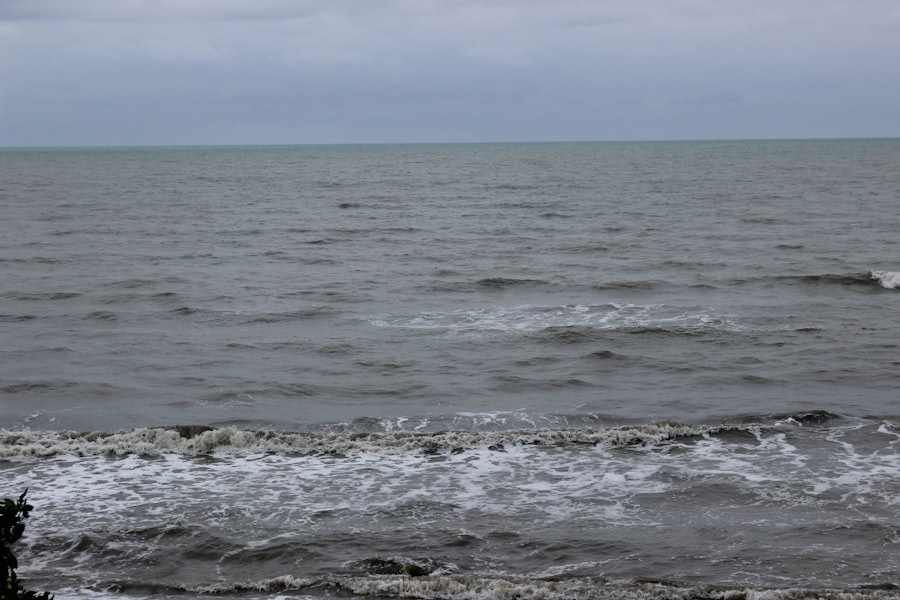
The receding waters of the Caspian Sea do not simply leave behind an empty space; they initiate a complex process of land degradation, leading to desertification and forcing significant changes in land use patterns. The terrestrial environment adjacent to the sea is not immune to the ongoing desiccation.
Salinization of Coastal Soils: The Salt’s Bitter Embrace
As the sea retreats, saline water is left behind, and the shallow water table in adjacent coastal areas can become increasingly saline. This salt intrusion contaminates agricultural lands, making them unsuitable for cultivation. The land that was once fertile, nourished by proximity to the sea, can become a salt-crusted wasteland, akin to a field of forgotten tears.
Impact on Agriculture: The Farmer’s Losing Battle
Farmers in the coastal zones face the daunting challenge of declining soil fertility and increased salinity, rendering traditional crops unviable. This forces a shift towards salt-tolerant crops or abandonment of agricultural activities altogether, leading to economic hardship and migration.
Loss of Biodiversity on Land: The Dry Expanse
The drying out of coastal wetlands and the salinization of soils also impact terrestrial biodiversity. Plant species that were adapted to a more humid environment struggle to survive, and the habitats for various land animals are altered or destroyed. The delicate balance of life on the land bordering the sea is thrown into disarray.
Dust Storms and Air Quality: The Airborne Threat
The exposed, dry seabeds of the Caspian Sea are susceptible to wind erosion, leading to the formation of dust storms. These storms carry salt particles, heavy metals, and other pollutants over vast distances, impacting air quality and posing health risks to populations far beyond the immediate coastal areas. The dried seabed becomes a source of airborne irritants, a constant reminder of the sea’s plight.
Health Implications: Breathing the Bitter Air
The inhalation of fine dust particles and pollutants can exacerbate respiratory problems, contribute to cardiovascular diseases, and have other long-term health consequences for exposed populations. The invisible threat from the drying seabed infiltrates homes and lungs.
Impact on Infrastructure: The Grinding Erosion
Dust storms can also damage infrastructure, including buildings, roads, and agricultural machinery, through abrasive wear and tear. This adds an additional layer of economic cost to the ongoing environmental crisis.
The environmental impact of falling Caspian Sea levels is a pressing issue that affects not only the local ecosystems but also the livelihoods of communities dependent on its resources. A related article discusses the broader implications of such changes on regional biodiversity and economic stability. For more insights, you can read the article here. Understanding these dynamics is crucial for developing effective conservation strategies and ensuring sustainable management of the area’s natural resources.
Navigating the Tempest: Mitigation and Adaptation Strategies
| Metric | Value | Unit | Impact Description |
|---|---|---|---|
| Sea Level Drop | 2.5 | meters (since 1970) | Significant reduction in water volume affecting shoreline ecosystems |
| Surface Area Reduction | 10,000 | km² | Loss of aquatic habitat and increased desertification of surrounding areas |
| Salinity Increase | 15-20% | percentage increase | Adverse effects on native fish species and biodiversity |
| Wetland Loss | 30 | km² per year | Decline in bird migration stopover sites and breeding grounds |
| Fish Population Decline | 40 | percentage decrease | Reduction in commercial fish stocks impacting local fisheries |
| Increase in Dust Storms | 25 | percentage increase | More frequent dust storms due to exposed seabed, affecting air quality |
| Coastal Erosion Rate | 1.5 | meters per year | Accelerated erosion threatening infrastructure and habitats |
Addressing the complex environmental impact of the Caspian Sea’s declining levels requires a multi-pronged approach, combining efforts to mitigate the causes with robust adaptation strategies to cope with the inevitable changes. There is no single magic bullet, but a concerted effort towards preservation and resilience is vital.
International Cooperation and Policy Frameworks: A United Front
Given that the Caspian Sea is a shared resource, effective solutions necessitate strong international cooperation and coordinated policy frameworks among the five riparian states.
Transboundary Water Management: Sharing the Scarce Flow
Establishing robust agreements for the equitable and sustainable management of transboundary river basins that feed the Caspian is paramount. This includes coordinated efforts to reduce water diversion for agriculture and industry and to ensure sufficient flow reaches the sea. A shared understanding of the problem and a commitment to collaborative solutions are the bedrock of any effective strategy.
Pollution Control and Environmental Monitoring: Cleaning the Waters and Gaining Insight
Implementing stringent regulations to control industrial and agricultural pollution, coupled with improved wastewater treatment, is essential to improve the water quality of the Caspian. Continuous environmental monitoring is also crucial to track changes, assess the effectiveness of mitigation efforts, and provide early warnings of potential environmental crises.
Ecosystem Restoration and Conservation Efforts: Rebuilding the Fading Canvas
Active efforts to restore degraded habitats and conserve remaining valuable ecosystems are crucial for safeguarding biodiversity.
Wetland Rehabilitation: Rehydrating the Marges
Initiatives to rehabilitate and protect the remaining wetlands around the Caspian Sea are vital for supporting migratory birds and other wildlife. This could involve managed replenishment of water levels in critical areas and the restoration of natural hydrological functions.
Sustainable Fisheries Management: Safeguarding the Bounty
Implementing strict quotas, combating illegal fishing, and creating protected areas can help in the recovery of depleted fish stocks, particularly sturgeon populations. Rebuilding these populations is a long-term endeavor requiring sustained commitment.
Adaptation and Socio-Economic Resilience: Living with the Change
While mitigation efforts are crucial, adaptation strategies are also necessary to help communities cope with the ongoing changes and their socio-economic consequences.
Diversification of Livelihoods: Seeking New Horizons
Supporting communities heavily reliant on Caspian resources to diversify their livelihoods beyond traditional fishing or agriculture can build resilience. This could involve promoting ecotourism, sustainable aquaculture, or developing new industries that are less water-intensive.
Coastal Zone Management and Land Use Planning: Building for the Future
Developing comprehensive coastal zone management plans that account for receding water levels and land salinization is essential. This includes appropriate land use planning, promoting salt-tolerant agriculture, and potentially relocating communities from highly vulnerable areas.
Conclusion: The Caspian’s Cry for Attention
The declining water levels of the Caspian Sea represent a critical environmental challenge with far-reaching ecological, socio-economic, and land use implications. The intricate web of life within and around this unique body of water is fraying, and the livelihoods of millions are at stake. While the causes are multifaceted, ranging from global climate shifts to regional human activities, the consequences are undeniable and demand urgent attention. Ignoring the Caspian’s plight is akin to ignoring a deeply troubled patient; the symptoms will only worsen without intervention. A united, collaborative, and sustained effort from all stakeholders – governments, scientists, communities, and international organizations – is imperative to chart a course towards the preservation of this vital ecosystem and the well-being of its surrounding regions. The Caspian Sea, a jewel of Eurasia, is crying out for understanding, action, and a renewed commitment to its future.
FAQs
What causes the Caspian Sea levels to fall?
The Caspian Sea levels fall primarily due to reduced river inflow, increased evaporation rates, and climate change impacts. Human activities such as water diversion for agriculture and dam construction also contribute to the decline.
How does the falling water level affect the local ecosystem?
Falling water levels lead to habitat loss for many aquatic and coastal species, disrupt breeding grounds, and reduce biodiversity. It can also alter water salinity, affecting fish populations and other marine life.
What are the consequences of Caspian Sea level decline for surrounding communities?
Communities around the Caspian Sea face challenges such as reduced fishing yields, loss of wetlands, increased soil salinity, and damage to infrastructure. Economic activities dependent on the sea, like fishing and tourism, are also negatively impacted.
How does the decline in Caspian Sea levels impact regional climate?
Lower sea levels can lead to changes in local microclimates, including increased temperature fluctuations and reduced humidity. This can affect agriculture and water availability in the surrounding regions.
What measures are being taken to address the environmental impact of falling Caspian Sea levels?
Efforts include regional cooperation to manage water resources sustainably, restoration of wetlands, monitoring of water inflows, and policies aimed at reducing water consumption and pollution. Scientific research is ongoing to better understand and mitigate the impacts.