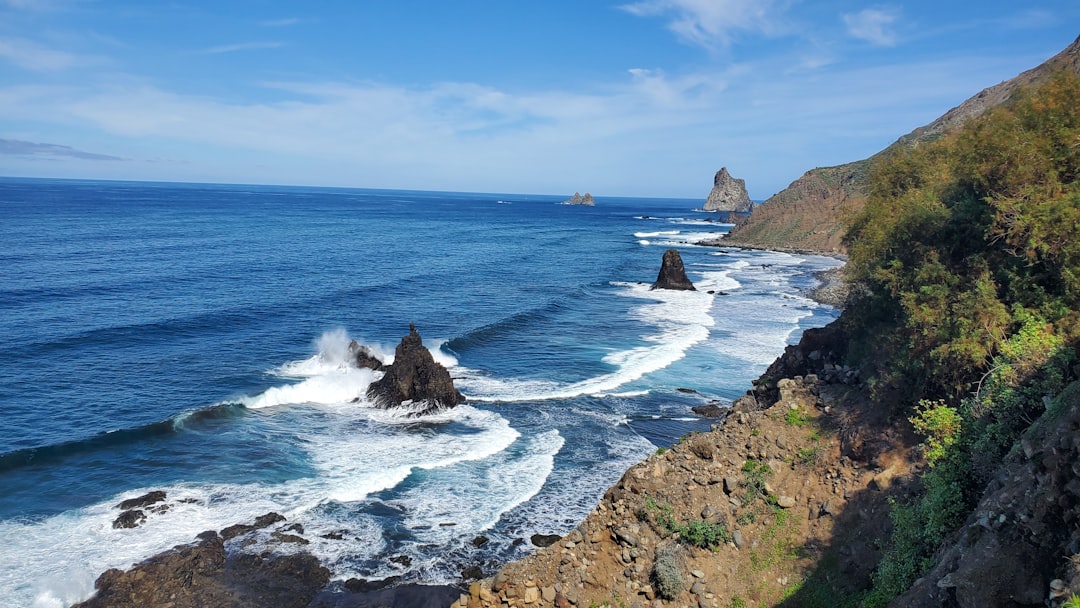
The island, often romanticized in travel brochures and social media posts, harbors a history that is anything but idyllic. Once a thriving hub of indigenous culture, it became a site of exploitation and tragedy with the arrival of colonizers. The indigenous population faced violence, forced labor, and the imposition of foreign beliefs that sought to erase their rich traditions.
This dark chapter left scars that are still felt today, as the descendants of those original inhabitants grapple with the legacy of colonialism. The island’s history is a reminder of the resilience of its people, who have fought to preserve their identity amidst centuries of oppression. As tourism began to flourish in the latter half of the 20th century, the island’s past was often glossed over in favor of picturesque landscapes and vibrant festivals.
However, the shadows of its history linger, influencing the dynamics between visitors and locals. Many tourists remain unaware of the struggles faced by the indigenous communities, leading to a superficial understanding of the island’s culture. This disconnect perpetuates a cycle where the true essence of the island is overshadowed by commercial interests, leaving its dark history unacknowledged and unaddressed.
Key Takeaways
- The island has a dark history of exploitation and displacement of its indigenous people.
- Tourism has had a significant environmental impact on the island, threatening its fragile ecosystem.
- The indigenous culture of the island is at risk of being further marginalized and lost due to tourism.
- The tourism industry on the island has been exploitative, taking advantage of both the environment and local residents.
- Overcrowding on the island poses dangers to both the environment and the visitors.
The Environmental Impact of Tourism
Tourism has undeniably brought economic benefits to the island, but it has also inflicted significant environmental damage. The influx of visitors has led to increased waste production, pollution, and habitat destruction. Beaches that once served as nesting grounds for sea turtles are now littered with plastic debris, while coral reefs suffer from the effects of overfishing and careless snorkeling practices.
The delicate balance of the island’s ecosystems is being disrupted, threatening not only wildlife but also the very landscapes that attract tourists in the first place. Moreover, the construction of hotels and resorts has encroached upon natural habitats, leading to deforestation and loss of biodiversity. The once-pristine landscapes are now dotted with concrete structures that cater to tourists’ desires for luxury and comfort.
This transformation not only alters the physical environment but also diminishes the cultural significance of these spaces for local communities. As the island grapples with these environmental challenges, it becomes increasingly clear that sustainable practices must be prioritized to protect its natural beauty for future generations.
The Threatened Indigenous Culture
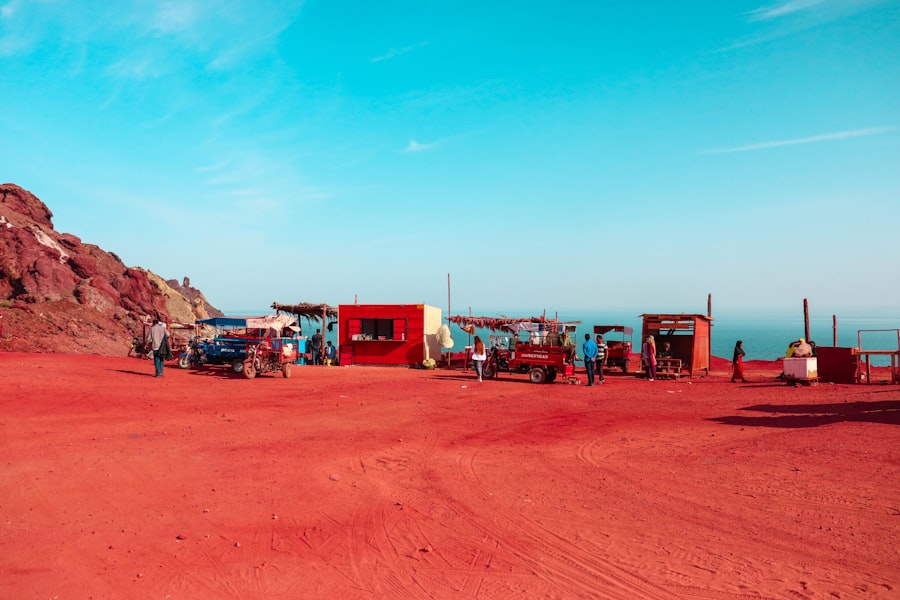
The indigenous culture of the island is rich and diverse, steeped in traditions that have been passed down through generations.
Many indigenous practices are commodified for tourist consumption, reducing complex rituals and traditions to mere performances for entertainment.
This commercialization strips away the authenticity and significance of these cultural expressions, leaving locals feeling alienated from their own heritage. Furthermore, as more tourists flock to the island, there is a growing pressure on indigenous communities to conform to external expectations. The desire for economic gain often leads to a dilution of cultural practices, as traditional ways of life are sacrificed in favor of more profitable ventures.
This cultural erosion not only impacts the identity of indigenous peoples but also diminishes the overall richness of the island’s cultural tapestry. It is crucial for both visitors and stakeholders in the tourism industry to recognize and respect the importance of preserving indigenous culture in its true form.
The Exploitative Tourism Industry
| Issues in Exploitative Tourism Industry | Impact |
|---|---|
| Low wages for local workers | Financial instability for local communities |
| Environmental degradation | Loss of natural habitats and biodiversity |
| Cultural appropriation | Erosion of local traditions and customs |
| Child labor and exploitation | Violation of human rights and ethical standards |
The tourism industry on the island has often been characterized by exploitative practices that prioritize profit over people. Many local workers find themselves in precarious employment situations, receiving low wages while multinational corporations reap substantial profits. This economic disparity creates a cycle of dependency where locals are forced to rely on an industry that does not adequately support their livelihoods.
As a result, many families struggle to make ends meet while witnessing their cultural heritage being commodified for outsiders. Additionally, the lack of regulation within the tourism sector has led to numerous ethical concerns. Tour operators may engage in practices that harm both the environment and local communities, such as promoting activities that exploit wildlife or encourage unsustainable resource use.
This exploitation not only undermines the integrity of the island’s ecosystems but also perpetuates a narrative where local voices are silenced in favor of profit-driven motives. Addressing these issues requires a concerted effort from all stakeholders to create a more equitable and responsible tourism model.
The Dangers of Overcrowding
Overcrowding has become a pressing issue on the island, particularly during peak tourist seasons. The sheer volume of visitors can overwhelm local infrastructure and resources, leading to strained public services and diminished quality of life for residents. Roads become congested, public spaces are overrun, and essential services struggle to keep pace with demand.
This influx can create an atmosphere where both locals and tourists feel uncomfortable, detracting from the overall experience. Moreover, overcrowding poses significant risks to the island’s natural environment. Sensitive ecosystems are unable to cope with the increased foot traffic, leading to soil erosion, habitat destruction, and pollution.
Popular attractions may become degraded due to overuse, diminishing their appeal for future visitors. As such, it is imperative for both tourists and local authorities to implement measures that manage visitor numbers effectively while preserving the island’s unique charm.
The Fragile Ecosystem at Risk

The island’s ecosystems are incredibly fragile, shaped by unique geological formations and climatic conditions. However, they face numerous threats from human activity, particularly tourism-related practices that disrupt natural processes. Coral reefs, which serve as vital habitats for marine life, are particularly vulnerable to climate change and pollution from tourist activities.
As ocean temperatures rise and water quality declines, these ecosystems face an uncertain future. In addition to coral reefs, terrestrial ecosystems are also at risk from invasive species introduced through tourism. These non-native species can outcompete local flora and fauna, leading to a decline in biodiversity and altering ecosystem dynamics.
The delicate balance that sustains life on the island is increasingly jeopardized by human actions that prioritize short-term gains over long-term sustainability.
The Displacement of Local Residents
As tourism continues to expand on the island, many local residents find themselves displaced from their homes and communities. Rising property values driven by demand for vacation rentals and luxury accommodations push long-time inhabitants out of their neighborhoods. This gentrification process not only disrupts social networks but also erodes cultural ties that have existed for generations.
The loss of community spaces further exacerbates feelings of alienation among residents who feel sidelined by an industry that prioritizes tourists over locals. Displacement also has profound implications for local economies. As traditional livelihoods are threatened by rising costs and changing demographics, many residents are forced into low-wage jobs within the tourism sector or leave the island altogether in search of better opportunities elsewhere.
This exodus diminishes the cultural richness of the community while perpetuating cycles of poverty and inequality. Addressing these challenges requires policies that prioritize affordable housing and support for local businesses to ensure that residents can thrive alongside tourism.
The Lack of Sustainable Infrastructure
The rapid growth of tourism on the island has outpaced the development of sustainable infrastructure necessary to support it. Many areas lack adequate waste management systems, leading to pollution and environmental degradation as litter accumulates in public spaces and natural habitats alike. Water resources are often strained due to increased demand from hotels and restaurants catering to tourists, resulting in shortages for local residents.
Furthermore, transportation systems may be ill-equipped to handle large volumes of visitors, leading to congestion and safety concerns on roads that were never designed for such traffic levels. Without investment in sustainable infrastructure that prioritizes both environmental health and community needs, the island risks becoming overwhelmed by its own popularity. It is essential for stakeholders to collaborate on solutions that promote responsible development while safeguarding the island’s unique character.
The Hidden Costs of a Visit
While many tourists may view their trip as a simple escape from daily life, there are hidden costs associated with visiting the island that extend beyond financial expenditure. The environmental impact of travel—such as carbon emissions from flights—contributes significantly to climate change, which poses existential threats to vulnerable ecosystems worldwide. Additionally, tourists may inadvertently support practices that harm local communities or wildlife through their choices in accommodations or activities.
Moreover, there is often an emotional toll on local residents who feel overwhelmed by an influx of visitors who may not fully appreciate or respect their culture and way of life. This disconnect can lead to tensions between locals and tourists, creating an atmosphere where genuine connections are difficult to forge. Recognizing these hidden costs is crucial for fostering a more mindful approach to travel that considers both personal enjoyment and broader implications.
The Ethical Dilemma of Tourism
The ethical implications surrounding tourism on the island present a complex dilemma for travelers seeking authentic experiences while also wanting to minimize their impact on local communities and environments. Tourists must grapple with questions about their role in perpetuating systems that exploit resources or contribute to cultural erosion. This moral quandary can lead individuals to reconsider their travel choices and seek alternatives that align with their values.
Moreover, stakeholders within the tourism industry face similar ethical challenges as they navigate profit-driven motives alongside social responsibility. Balancing economic growth with environmental stewardship requires a commitment to ethical practices that prioritize sustainability and respect for local cultures. By fostering dialogue around these issues, both tourists and industry leaders can work towards creating a more equitable tourism model that benefits all parties involved.
The Alternative Ways to Support the Island
Despite the challenges posed by mass tourism, there are alternative ways for travelers to support the island while minimizing negative impacts on its communities and ecosystems. Engaging in responsible travel practices—such as choosing locally-owned accommodations or participating in community-led tours—can help ensure that economic benefits flow directly back into local hands rather than multinational corporations. Additionally, travelers can contribute by supporting conservation initiatives aimed at protecting fragile ecosystems or participating in volunteer programs focused on community development.
By prioritizing experiences that foster genuine connections with local residents and promote cultural exchange, visitors can play an active role in preserving the island’s unique heritage while enjoying its beauty responsibly. In conclusion, while tourism has brought undeniable changes to the island—both positive and negative—it is essential for all stakeholders involved to engage thoughtfully with its complexities. By acknowledging its dark history, respecting indigenous cultures, advocating for sustainable practices, and supporting local communities through ethical choices, travelers can help ensure that this enchanting destination remains vibrant for generations to come.
In the article “The Island Too Beautiful to Visit,” readers are taken on a journey to a breathtaking yet fragile destination that remains largely untouched by mass tourism. For those intrigued by the allure of such pristine locations, a related article on MyGeoQuest delves into the challenges and rewards of exploring lesser-known natural wonders. This piece, available at MyGeoQuest, offers insights into sustainable travel practices and highlights other hidden gems around the world that are equally captivating yet require mindful exploration to preserve their beauty.
FAQs
What is the island too beautiful to visit?
The island too beautiful to visit is a remote and pristine island that is so ecologically sensitive and fragile that it is off-limits to tourists.
Where is the island too beautiful to visit located?
The specific location of the island too beautiful to visit is not disclosed to the public in order to protect its delicate ecosystem from potential harm caused by tourism.
Why is the island too beautiful to visit off-limits to tourists?
The island is off-limits to tourists in order to protect its unique and fragile ecosystem from the negative impacts of human activity, such as pollution, habitat destruction, and the introduction of invasive species.
What makes the island too beautiful to visit so special?
The island too beautiful to visit is known for its pristine natural beauty, diverse wildlife, and unique ecological features that are rare and valuable on a global scale.
Can scientists and researchers visit the island too beautiful to visit?
Access to the island too beautiful to visit is strictly controlled, and only authorized scientists and researchers are allowed to visit in order to conduct studies and conservation efforts under strict guidelines to minimize their impact on the environment.
Are there any plans to open the island too beautiful to visit to tourists in the future?
There are no current plans to open the island too beautiful to visit to tourists, as the priority is to protect and preserve its delicate ecosystem for future generations.