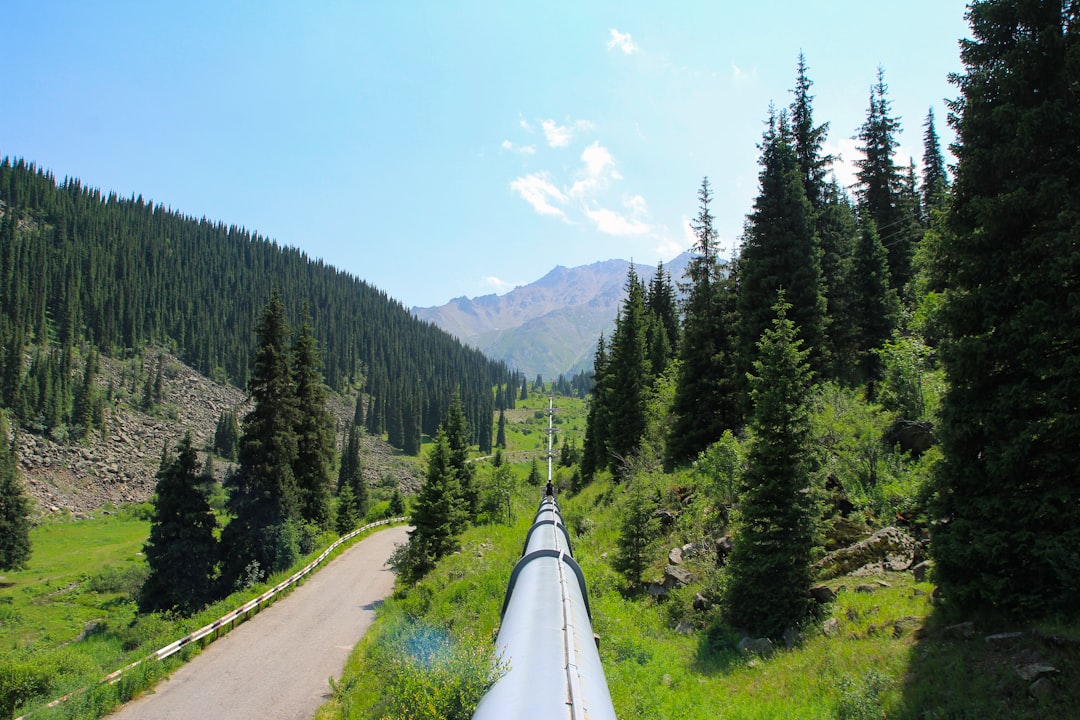
The Enbridge Line 5 pipeline, a crucial component of North America’s energy infrastructure, has been a focal point of debate and concern for years. Stretching approximately 645 miles, this pipeline transports crude oil and natural gas liquids from Superior, Wisconsin, to Sarnia, Ontario, traversing the Straits of Mackinac in Michigan. Its significance lies not only in its role in supplying energy to various markets but also in the potential risks it poses to the environment and local communities.
As discussions surrounding energy security and environmental sustainability intensify, the future of Line 5 remains uncertain, making it a topic of considerable interest and scrutiny. The pipeline’s operation has sparked a complex interplay of economic, environmental, and social factors. Proponents argue that it is essential for maintaining energy supplies and supporting jobs, while opponents raise alarms about the potential for catastrophic spills and the long-term impacts on ecosystems.
This article delves into the history, controversies, and implications surrounding the Enbridge Line 5 pipeline, providing a comprehensive overview of its significance in contemporary energy discussions.
Key Takeaways
- Enbridge Line 5 Pipeline is a major oil pipeline that runs from Superior, Wisconsin to Sarnia, Ontario, passing through Michigan and the Straits of Mackinac.
- The pipeline was built in 1953 and has faced numerous controversies and legal battles over the years.
- Environmental concerns surrounding the pipeline include the risk of oil spills in the Great Lakes and the impact on indigenous communities and their land.
- Legal and regulatory issues have arisen due to the aging infrastructure of the pipeline and concerns about its safety and environmental impact.
- There are ongoing debates about the economic impact of shutting down the pipeline and the potential alternatives to meet the energy needs of the region.
History of Enbridge Line 5 Pipeline
The Enbridge Line 5 pipeline was constructed in 1953, a time when the demand for oil was surging in North America. Initially designed to facilitate the transportation of crude oil from Canada to the United States, it has undergone various expansions and modifications over the decades. The pipeline’s route was strategically chosen to connect key markets while minimizing construction costs.
However, as the years passed, the infrastructure aged, raising concerns about its integrity and safety. In its early years, Line 5 operated with little public scrutiny. The growing awareness of environmental issues and the increasing emphasis on sustainable energy practices have since transformed the landscape of public opinion regarding fossil fuel transportation.
As environmental movements gained momentum in the late 20th century, the pipeline began to attract criticism for its potential risks. The history of Line 5 is not merely a tale of energy supply; it reflects broader societal shifts towards environmental consciousness and the complexities of balancing economic needs with ecological preservation.
The Controversy Surrounding Enbridge Line 5 Pipeline
The controversy surrounding Enbridge Line 5 is multifaceted, encompassing environmental, economic, and social dimensions.
The potential for a spill in the Straits of Mackinac could have devastating consequences for aquatic life, local economies reliant on tourism and fishing, and the overall health of the ecosystem.
This fear has galvanized environmental groups and concerned citizens to advocate for the pipeline’s closure or significant modifications. On the other hand, supporters of Line 5 emphasize its importance for energy security and economic stability. They argue that shutting down the pipeline would lead to increased reliance on alternative energy sources that may not be as reliable or cost-effective.
The debate often becomes polarized, with each side presenting compelling arguments that reflect broader societal values regarding energy consumption and environmental stewardship. This ongoing controversy highlights the challenges of navigating complex energy needs while addressing legitimate environmental concerns.
Environmental Concerns and Impact of Enbridge Line 5 Pipeline
| Environmental Concerns and Impact of Enbridge Line 5 Pipeline |
|---|
| 1. Oil Spills |
| 2. Impact on Great Lakes Ecosystem |
| 3. Potential Damage to Wetlands and Wildlife |
| 4. Greenhouse Gas Emissions |
| 5. Risk of Contamination of Drinking Water |
Environmental concerns related to Enbridge Line 5 are at the forefront of discussions about its future. The pipeline’s route through sensitive ecological areas raises alarms about potential spills and leaks that could have catastrophic effects on local wildlife and habitats. The Straits of Mackinac, where the pipeline crosses, is particularly vulnerable due to its unique ecosystem and its role as a critical waterway connecting Lake Huron and Lake Michigan.
Environmentalists warn that even a minor spill could lead to long-lasting damage to these precious resources. Moreover, the broader implications of continued fossil fuel reliance cannot be overlooked. As climate change becomes an increasingly pressing global issue, many argue that maintaining infrastructure like Line 5 contradicts efforts to transition towards renewable energy sources.
The extraction and transportation of fossil fuels contribute significantly to greenhouse gas emissions, exacerbating climate-related challenges. Thus, the environmental impact of Line 5 extends beyond immediate risks; it also raises questions about long-term sustainability and responsibility towards future generations.
Legal and Regulatory Issues Related to Enbridge Line 5 Pipeline
The legal landscape surrounding Enbridge Line 5 is complex and fraught with challenges. Various stakeholders have raised legal objections to its operation, citing concerns about regulatory compliance and environmental protection laws. In recent years, state governments, environmental organizations, and Indigenous groups have sought legal avenues to halt or modify the pipeline’s operations.
These legal battles often hinge on interpretations of existing laws regarding water protection and land use. Regulatory oversight also plays a crucial role in determining the future of Line 5. The Michigan Public Service Commission and federal agencies such as the Pipeline and Hazardous Materials Safety Administration (PHMSA) are tasked with ensuring that pipelines operate safely and within legal parameters.
However, critics argue that regulatory frameworks may not adequately address the unique risks posed by aging infrastructure like Line 5. As legal challenges continue to unfold, they underscore the need for robust regulatory mechanisms that prioritize both safety and environmental integrity.
Indigenous Rights and Enbridge Line 5 Pipeline
The issue of Indigenous rights is intricately woven into the narrative surrounding Enbridge Line 5. Many Indigenous communities in Michigan have expressed strong opposition to the pipeline’s operation, citing concerns about its impact on their ancestral lands and waters. For these communities, the Straits of Mackinac hold cultural significance, serving as a vital resource for fishing and traditional practices.
The pipeline’s presence raises questions about consent and respect for Indigenous sovereignty. Legal battles have emerged as Indigenous groups seek recognition of their rights in relation to the pipeline’s operation. The struggle for justice highlights broader issues of environmental racism and the need for equitable treatment in decision-making processes regarding natural resources.
As discussions about energy infrastructure evolve, it becomes increasingly important to center Indigenous voices in conversations about environmental stewardship and resource management.
Political and Public Opinion on Enbridge Line 5 Pipeline
Political dynamics surrounding Enbridge Line 5 are complex and often contentious. Elected officials at both state and federal levels have taken varied stances on the issue, reflecting differing priorities among constituents. Some politicians advocate for the pipeline’s continued operation as a means of ensuring energy security and job preservation, while others call for its closure in light of environmental concerns.
This division often mirrors broader ideological divides regarding energy policy and climate action. Public opinion on Line 5 is equally polarized. Surveys indicate that while some residents support the pipeline due to its economic benefits, a significant portion expresses concern over its environmental risks.
Grassroots movements have mobilized around this issue, with protests and campaigns aimed at raising awareness about potential dangers associated with fossil fuel infrastructure. As public sentiment continues to evolve, it will undoubtedly influence political discourse and decision-making regarding the future of Enbridge Line 5.
Alternatives to Enbridge Line 5 Pipeline
As discussions about Enbridge Line 5 intensify, attention has turned towards potential alternatives for transporting crude oil and natural gas liquids.
Options such as increased rail transport or enhanced pipeline systems designed with modern safety features are often proposed as interim solutions while transitioning towards cleaner energy sources.
Moreover, technological advancements in renewable energy present opportunities for diversifying energy portfolios beyond fossil fuels. Wind, solar, and hydroelectric power are increasingly viable alternatives that can provide reliable energy without the associated risks of oil spills or greenhouse gas emissions. Exploring these alternatives not only addresses immediate concerns related to Line 5 but also aligns with broader goals of achieving a sustainable energy future.
Economic Impact of Enbridge Line 5 Pipeline
The economic implications of Enbridge Line 5 are significant and multifaceted. Proponents argue that the pipeline supports thousands of jobs across various sectors, from construction to maintenance and operation. Additionally, it plays a crucial role in supplying refineries with crude oil necessary for producing gasoline and other petroleum products essential for daily life.
The economic benefits extend beyond direct employment; local businesses often rely on the economic activity generated by pipeline operations. However, opponents contend that these economic benefits come at too high a cost when considering potential environmental disasters. A major spill could lead to substantial economic losses for industries reliant on clean water resources, such as tourism and fishing.
Furthermore, as society increasingly shifts towards renewable energy sources, reliance on fossil fuel infrastructure like Line 5 may become economically untenable in the long run. Balancing immediate economic interests with long-term sustainability remains a critical challenge in discussions surrounding the pipeline’s future.
Recent Developments and Future of Enbridge Line 5 Pipeline
Recent developments regarding Enbridge Line 5 have further complicated its future trajectory. Legal battles continue to unfold as various stakeholders seek clarity on regulatory compliance and environmental protections associated with its operation. In addition to ongoing litigation, public protests have gained momentum as activists call for immediate action to address perceived risks posed by the pipeline.
Looking ahead, the future of Enbridge Line 5 remains uncertain amid shifting political landscapes and evolving public sentiment regarding fossil fuels. As climate change becomes an increasingly pressing issue globally, pressure mounts on policymakers to prioritize sustainable energy solutions over traditional fossil fuel infrastructure. The outcome of ongoing legal disputes will likely play a pivotal role in determining whether Line 5 continues to operate or faces significant modifications or closure.
Conclusion and Implications of Enbridge Line 5 Pipeline
In conclusion, the Enbridge Line 5 pipeline represents a microcosm of broader debates surrounding energy security, environmental protection, Indigenous rights, and economic sustainability. Its history reflects changing societal values regarding fossil fuels and their impact on ecosystems and communities alike. As controversies persist over its operation, it becomes evident that finding common ground among diverse stakeholders is essential for navigating this complex issue.
The implications of decisions made regarding Line 5 extend far beyond Michigan; they resonate throughout North America as society grapples with transitioning towards cleaner energy sources while addressing immediate economic needs. Ultimately, how stakeholders choose to engage with this issue will shape not only the future of Enbridge Line 5 but also broader conversations about energy infrastructure in an era increasingly defined by climate consciousness and sustainability efforts.
The Enbridge Line 5 pipeline controversy has sparked significant debate regarding environmental concerns and energy needs in the Great Lakes region. For a deeper understanding of the implications surrounding this issue, you can read a related article that explores the environmental impact and the ongoing legal battles at this link.
WATCH THIS! The Great Lakes Are Dying: The $6 Trillion Lie That’s Killing America’s Water
FAQs
What is the Enbridge Line 5 pipeline?
The Enbridge Line 5 pipeline is a 645-mile pipeline that carries up to 540,000 barrels of light crude oil and natural gas liquids per day from Superior, Wisconsin, to Sarnia, Ontario.
What is the controversy surrounding the Enbridge Line 5 pipeline?
The controversy surrounding the Enbridge Line 5 pipeline stems from concerns about its potential environmental impact, particularly the risk of a spill in the Great Lakes, as well as its impact on Indigenous communities and their land rights.
What are the environmental concerns related to the Enbridge Line 5 pipeline?
Environmental concerns related to the Enbridge Line 5 pipeline include the potential for a spill in the Great Lakes, which could have devastating consequences for the surrounding ecosystems and drinking water sources.
What are the concerns of Indigenous communities regarding the Enbridge Line 5 pipeline?
Indigenous communities have raised concerns about the potential impact of the Enbridge Line 5 pipeline on their land rights, as well as the potential environmental and cultural impact of a spill on their traditional territories.
What is Enbridge’s response to the controversy surrounding the Line 5 pipeline?
Enbridge has stated that the Line 5 pipeline is safe and has taken measures to address concerns, including installing additional supports and conducting regular inspections.
What is the current status of the Enbridge Line 5 pipeline?
As of [date of article], the Enbridge Line 5 pipeline is the subject of ongoing legal and regulatory battles, with various parties advocating for its continued operation or its shutdown.