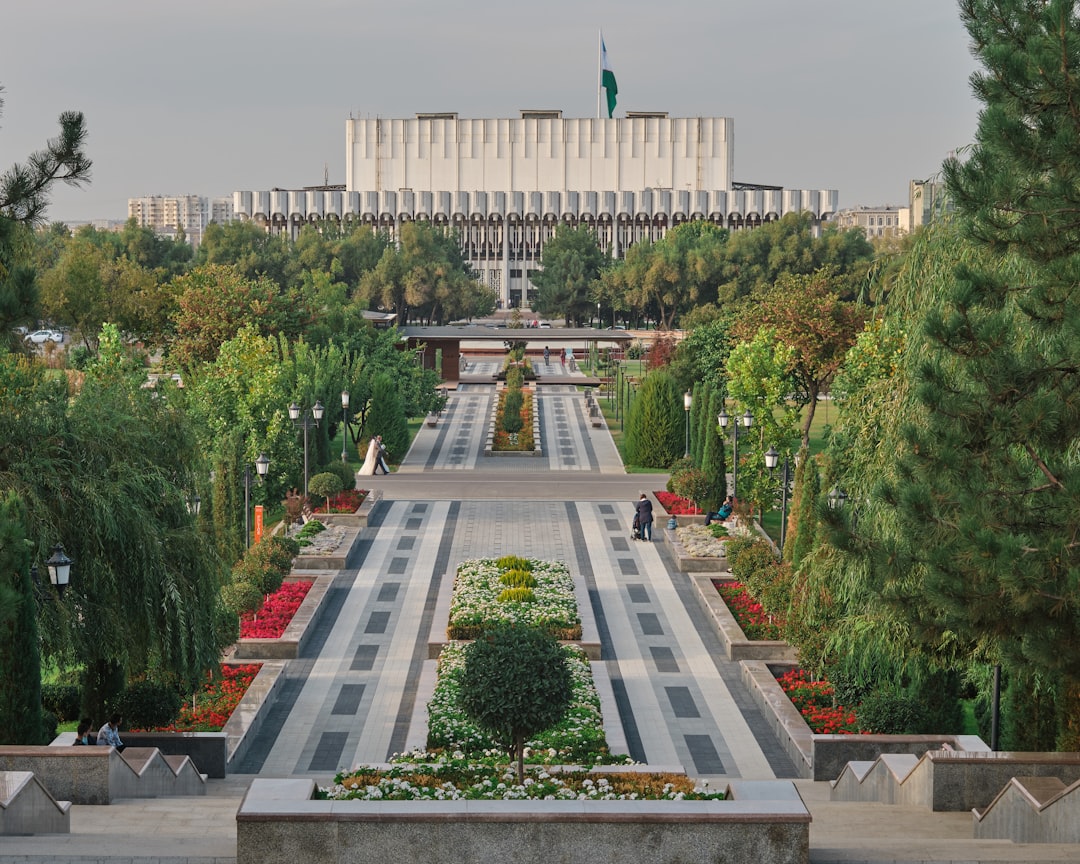
Central Asia, a region once a vibrant crossroads of civilizations and a conduit for the Silk Road, is experiencing a demographic transformation. This article delves into the complex phenomenon of population decline in several Central Asian states, examining its multifaceted causes and potential far-reaching consequences. From historical legacies to contemporary socio-economic pressures, the factors contributing to this trend are intricate and deeply embedded within the region’s fabric.
The concept of a “shrinking heartbeat” effectively encapsulates the demographic shifts occurring across Central Asia. While some countries, notably Uzbekistan and Tajikistan, still exhibit positive, albeit slowing, population growth, others, particularly Kazakhstan and Kyrgyzstan, are facing a more pronounced challenge of declining birth rates and outward migration. This divergence within the region highlights the varying degrees to which different nations are grappling with these trends.
Divergent Paths: A Look at Individual Nations
Kazakhstan, the largest country in Central Asia by land area, has experienced significant out-migration, particularly of its ethnic Russian and German populations, since the collapse of the Soviet Union. This demographic shock, combined with a subsequent decline in birth rates, has profoundly impacted its population trajectory. While recent years have shown a slight rebound in birth rates, the cumulative effect of past demographic shifts continues to be felt.
Kyrgyzstan, another country grappling with population decline, faces similar challenges. Economic hardship and limited opportunities have driven a substantial portion of its workforce, particularly young people, to seek employment abroad, primarily in Russia. This outward flow of human capital has a compound effect, not only reducing the current population but also impacting future birth rates as potential parents migrate.
Uzbekistan, in contrast, has historically maintained a higher birth rate and a more robust population growth. However, even Uzbekistan is witnessing a deceleration in its growth, a trend influenced by increased access to education, changing societal norms, and the nascent stages of an economic transition. While not experiencing an absolute decline, the slowing growth presents its own set of challenges, particularly for managing an expanding young population in an evolving job market.
Tajikistan, despite its ongoing challenges with poverty and outward migration, maintains one of the highest fertility rates in the region. This demographic characteristic is largely attributed to deeply ingrained cultural factors and still limited access to family planning resources in some rural areas. However, like its neighbors, Tajikistan faces the challenge of brain drain and the social consequences of a significant portion of its male working-age population residing abroad.
Turkmenistan, a largely closed society, presents a more opaque demographic picture. Official statistics are often difficult to verify, but anecdotal evidence and reports suggest a similar trend of outward migration driven by economic stagnation and political repression. The true extent of its demographic changes remains largely unquantified due to the lack of transparent data.
Central Asia, often perceived as a vast expanse of emptiness, has intrigued researchers and travelers alike. The reasons behind this phenomenon are multifaceted, encompassing historical, geographical, and socio-economic factors. For a deeper understanding of why Central Asia appears so sparsely populated, you can explore the article on this topic at My Geo Quest, which delves into the complexities of the region’s demographics and land use.
Echoes of the Past: Historical and Political Undercurrents
The present demographic landscape of Central Asia is not a sudden emergence but a culmination of historical processes and political decisions. The Soviet era, with its emphasis on industrialization, collectivization, and planned economies, significantly reshaped the region’s demographics, often with unintended long-term consequences.
The Soviet Legacy: Reshaping a Region
The forced resettlement of populations, the arrival of ethnic Russians, Ukrainians, and other groups, and the promotion of a particular demographic model under Soviet rule undoubtedly influenced the ethnic composition and population distribution of Central Asian states. The collapse of the Soviet Union in 1991 triggered a mass exodus of these non-indigenous populations, primarily back to their ancestral homelands. This “return migration” was a significant factor in the immediate post-independence population decline experienced by several Central Asian nations, particularly Kazakhstan.
Furthermore, Soviet policies on family planning and urbanization also played a role. While the overall birth rates remained relatively high in the Central Asian republics compared to European Russia, the seeds of future demographic shifts were arguably sown during this period. The introduction of modern medicine and education, while beneficial in many respects, also contributed to a decline in mortality rates, eventually leading to a demographic transition.
Post-Independence Realities: Economic Shocks and Political Transitions
The transition from a planned economy to a market-oriented system following independence brought economic shocks that profoundly impacted demographic trends. Privatization, the collapse of established industries, and the emergence of new economic structures led to widespread unemployment and economic instability. These factors became significant drivers of outward migration as individuals sought better economic opportunities elsewhere.
The nascent political systems that emerged in the post-Soviet era also contributed to demographic challenges. In some countries, political instability, corruption, and a lack of democratic reforms have exacerbated economic hardship, further pushing citizens to seek a more stable and prosperous future abroad. The absence of robust social safety nets and a perceived lack of future prospects within their home countries often fuel these migratory patterns.
The Invisible Hand: Socio-Economic Drivers of Decline
Beyond historical and political contexts, a powerful “invisible hand” of socio-economic factors is shaping Central Asia’s demographic future. These factors, ranging from economic disparities to evolving societal norms, are directly influencing birth rates and migration patterns.
The Brain Drain and Labor Migration: A Two-Way Street
One of the most visible manifestations of population decline in Central Asia is the phenomenon of labor migration, particularly the “brain drain.” Highly skilled professionals, educated youth, and entrepreneurial individuals often find limited opportunities within their home countries, prompting them to migrate to more developed economies, primarily Russia, but increasingly to South Korea, Turkey, and even European Union countries.
This outward migration is a two-way street. While it provides a crucial source of remittances for many Central Asian families, alleviating poverty and supporting local economies, it simultaneously depletes the region of its human capital. The loss of educated and skilled workers has long-term implications for economic development, innovation, and social progress. It creates a demographic imbalance, leaving behind an older population and a younger generation with often limited educational prospects or work opportunities if they remain.
Urbanization and Changing Family Structures: A Modernizing Society
The increasing urbanization across Central Asia is another significant driver of demographic shifts. As populations move from rural areas to urban centers, traditional family structures often give way to more individualized lifestyles. Urban environments typically offer greater access to education and employment opportunities for women, leading to later marriages and smaller family sizes.
The changing roles of women in society, with increased participation in education and the workforce, are inextricably linked to declining fertility rates. As women pursue higher education and professional careers, they often delay childbearing or choose to have fewer children. This trend, while indicative of progress in gender equality, also contributes to the overall demographic decline.
Access to Education and Healthcare: A Double-Edged Sword
Improved access to education and healthcare, while undeniably beneficial, can also have a paradoxical effect on population trends. Higher levels of education, particularly for women, are consistently correlated with lower fertility rates globally. Education empowers individuals to make informed choices about family planning and provides alternatives to traditional family roles.
Similarly, improved healthcare, leading to lower infant mortality rates and increased life expectancy, can initially contribute to population growth. However, coupled with effective family planning programs and changing societal norms, it eventually contributes to a stabilization or even a decline in birth rates as families opt for quality over quantity in terms of children. The availability and adoption of modern contraception methods further augment this trend, allowing individuals to control family size more effectively.
The Looming Horizon: Consequences and Challenges
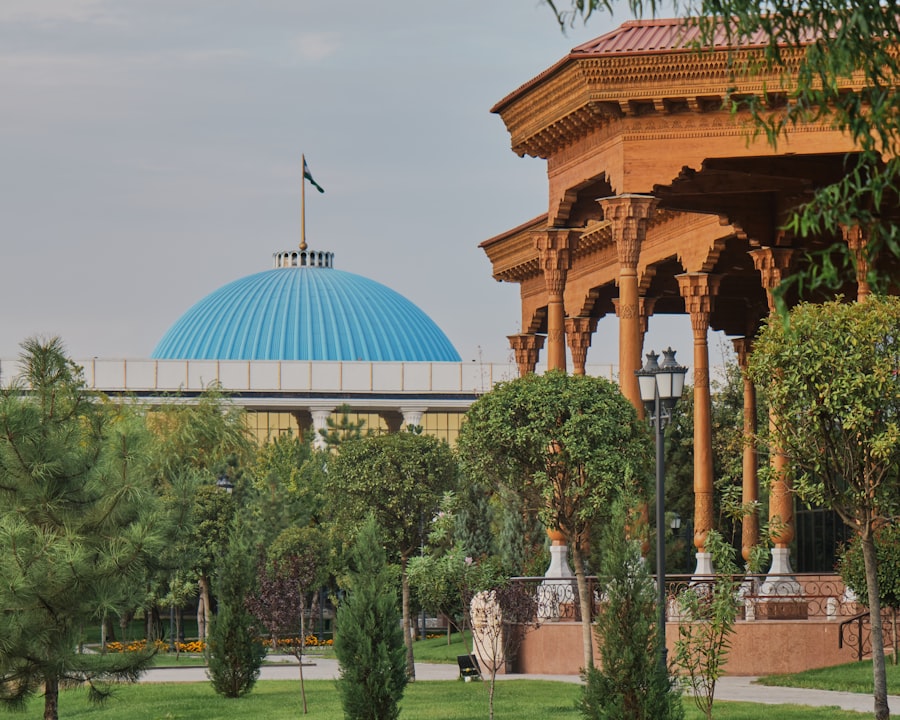
The demographic shifts underway in Central Asia foreshadow a complex and challenging future. The “looming horizon” presents a spectrum of consequences, from economic stagnation to social upheaval, requiring proactive and innovative policy responses.
Economic Implications: A Shrinking Workforce and Aging Population
One of the most immediate and significant consequences of population decline is its impact on the economy. A shrinking workforce can lead to labor shortages, particularly in specialized sectors, hindering economic growth and productivity. Furthermore, an aging population places increased strain on social welfare systems, healthcare services, and pension funds.
As the dependency ratio shifts, with fewer working-age individuals supporting an increasing number of retirees, governments face difficult choices regarding resource allocation and social policy. This demographic burden can impede investments in vital areas like education and infrastructure, further slowing economic development. The economic implications are akin to a ship with fewer hands on deck facing a gathering storm.
Social and Cultural Fabric: Erosion of Traditions and Community Bonds
Population decline and outward migration can profoundly impact the social and cultural fabric of Central Asian societies. The departure of young people can lead to a “hollowing out” of rural communities and a weakening of traditional community bonds. The loss of vibrant youth can result in a decline in cultural activities, language preservation, and intergenerational knowledge transfer.
Moreover, the increasing proportion of elderly individuals in some areas can lead to social isolation and a diminished sense of community vitality. The erosion of these societal pillars, if unchecked, can have long-term consequences for national identity and social cohesion. This is akin to the gradual dimming of embers in a once roaring hearth.
Geopolitical Repercussions: A Changing Regional Balance
From a geopolitical perspective, population decline in Central Asia could have far-reaching implications. A reduction in the overall population, particularly a decrease in the young, working-age demographic, could weaken the respective states’ human resource base for military and security purposes. This could potentially increase their reliance on external security partners or create perceived vulnerabilities.
Furthermore, demographic shifts can alter the ethnic balance within countries, potentially leading to social tensions or shifts in political priorities. The declining populations of some Central Asian states juxtaposed against the growing populations of neighboring, more populous nations like China and Afghanistan, could create new dynamics in regional power balances and influence.
Central Asia, often perceived as a vast and empty expanse, has a complex history that contributes to its current demographic landscape. Factors such as harsh climatic conditions, historical trade routes, and geopolitical influences have shaped the region’s population distribution. For a deeper understanding of these dynamics, you can explore a related article that delves into the reasons behind the sparse population in this intriguing area. To read more about this topic, visit this article.
Navigating the Demographic Labyrinth: Policy Responses and Future Prospects
| Factor | Description | Impact on Population Density |
|---|---|---|
| Harsh Climate | Extremely cold winters and hot summers with low precipitation. | Limits agricultural potential and human settlement. |
| Arid and Semi-Arid Land | Large desert areas such as the Karakum and Kyzylkum deserts. | Scarcity of water resources reduces habitability. |
| Mountainous Terrain | High mountain ranges like the Tien Shan and Pamirs. | Challenging for infrastructure and large-scale settlements. |
| Historical Nomadic Lifestyle | Traditionally nomadic populations with low permanent settlement density. | Lower urbanization and population concentration. |
| Limited Economic Development | Less industrialization and fewer urban centers compared to other regions. | Fewer job opportunities leading to lower population density. |
| Political and Social Factors | Historical conflicts and border disputes affecting stability. | Discourages migration and settlement in certain areas. |
Navigating the “demographic labyrinth” of Central Asia requires a multi-pronged approach, encompassing both short-term interventions and long-term strategic planning. There are no easy answers, but a combination of economic reforms, social support, and innovative policies can mitigate the negative impacts and potentially reverse some of the declining trends.
Economic Diversification and Job Creation: Anchoring the Workforce
At the heart of any effective policy response lies the imperative of economic diversification and robust job creation. Governments must move beyond reliance on natural resources and foster an environment conducive to entrepreneurship, innovation, and the growth of high-value industries. This will create compelling reasons for young, educated individuals to remain in their home countries rather than seeking opportunities abroad.
Investment in education and vocational training programs tailored to the demands of a modern economy is crucial. Equipping the workforce with relevant skills will enhance their employability and contribute to overall economic productivity. Incentivizing foreign direct investment and fostering regional economic integration can also create new avenues for growth and employment. The goal is to create economic bedrock that can anchor the workforce.
Strengthening Social Safety Nets and Supporting Families: Building Resilience
Strengthening social safety nets, including affordable healthcare, quality education, and reliable pension systems, is vital for building societal resilience and encouraging family formation. Policies that support working parents, such as affordable childcare and flexible work arrangements, can help alleviate the perceived trade-off between career and family.
Moreover, promoting gender equality and empowering women through education and economic opportunities can contribute to a more balanced and sustainable demographic trajectory. While increased female participation in the workforce can contribute to lower birth rates in the short term, it also leads to stronger societies and more resilient economies in the long run.
Harnessing Remittances and Managing Migration: A Strategic Approach
Rather than viewing labor migration solely as a loss, governments can adopt a strategic approach to managing it. Facilitating the legal and safe channels for outward migration can protect workers from exploitation and ensure a more consistent flow of remittances. Furthermore, policies that encourage migrants to invest their earnings back home, whether in businesses or property, can create a virtuous cycle of economic development.
Attracting back highly skilled members of the diaspora, through incentives or targeted programs, is another avenue for knowledge transfer and economic growth. This is like turning the outward flow of a river into a managed irrigation system, bringing sustenance back to the land.
Data-Driven Decision Making and Regional Cooperation: Illuminating the Path
Finally, addressing the complex demographic challenges requires robust data collection and analysis. Governments need accurate and up-to-date demographic statistics to formulate effective policies and monitor their impact. Investing in demographic research and capacity building is essential.
Regional cooperation among Central Asian states can also be a powerful tool. Sharing best practices, coordinating policies on labor migration, and collaborating on economic development initiatives can create a more cohesive and prosperous region, collectively addressing the multifaceted challenges of population decline. By working together, they can illuminate a clearer path through the demographic labyrinth.
The “empty heart” of Central Asia is not an inevitability but a challenge that demands foresight, resilience, and collaborative action. The future of this historically rich and strategically important region hinges on its ability to confront these demographic realities and forge a path towards sustainable human development.
▶️ STOP: The Middle Corridor Is A Death Trap
FAQs
1. Why is Central Asia considered sparsely populated?
Central Asia is sparsely populated primarily due to its harsh climate, vast deserts, and mountainous terrain, which make large-scale agriculture and urban development challenging. The region’s arid conditions and limited water resources restrict population density.
2. What geographical features contribute to the emptiness of Central Asia?
Central Asia features extensive deserts like the Karakum and Kyzylkum, as well as high mountain ranges such as the Tien Shan and Pamirs. These geographical features create inhospitable environments that limit human settlement and economic activities.
3. How does the climate affect population distribution in Central Asia?
The continental climate of Central Asia, characterized by extreme temperature variations and low precipitation, makes farming difficult and reduces the availability of water. This results in fewer settlements and a lower population density compared to more temperate regions.
4. Are there historical reasons for the low population in Central Asia?
Yes, historically, Central Asia was home to nomadic tribes rather than large, settled populations. The lack of permanent agricultural infrastructure and the region’s role as a transit area rather than a destination contributed to its low population density.
5. What role do economic factors play in Central Asia’s population density?
Economic factors such as limited industrial development, reliance on pastoralism, and scarce natural resources in some areas have restricted urban growth and job opportunities, leading to fewer people settling in Central Asia compared to more economically developed regions.