The brine shrimp, Artemia salina, a small, hardy crustacean found in hypersaline environments worldwide, represents a surprisingly significant economic entity. Often overlooked in broader discussions of aquaculture and fisheries, these tiny organisms serve as more than just a curiosity of nature; they are a cornerstone in various critical industries. Their economic value stems from their unique biological characteristics, specifically their ability to produce dormant eggs, known as cysts, which can be stored for extended periods and hatched on demand. This remarkable resilience and reproductive strategy have transformed the brine shrimp into a valuable commodity, fueling a global industry with far-reaching implications.
The economic currents flowing from brine shrimp are not a tidal wave of immense wealth in the traditional sense, but rather a steady, persistent river that nourishes vital sectors. Understanding this value requires dissecting its multifaceted applications and the infrastructure that supports its cultivation and distribution. This article will delve into the economic significance of the brine shrimp industry, exploring its primary markets, the economic drivers behind its growth, the challenges it faces, and its future prospects.
The brine shrimp industry’s primary economic function is to supply a crucial, nutrient-rich food source for a wide array of aquatic organisms. This role makes it an indispensable component of aquaculture, essentially acting as the “seed corn” for many farmed species.
Aquaculture Feed: The Dominant Market
The most significant economic contribution of brine shrimp lies in their use as a live or processed feed in aquaculture. Billions of dollars are invested annually in fish and shellfish farming worldwide, and providing nutritious food for these rapidly growing populations is paramount. Artemia cysts, when hatched, yield nauplii, which are tiny, free-swimming larvae rich in protein and essential fatty acids, making them an ideal first food for young fish and invertebrates.
Larval Stage Nutrition
Developing fish and shrimp larvae have specific nutritional requirements that are often unmet by artificial feeds. The nauplii of Artemia are perfectly sized for the mouths of these delicate organisms, and their high lipid content, particularly omega-3 fatty acids like EPA and DHA, is critical for larval growth, survival, and immune system development. This makes brine shrimp nauplii a virtually irreplaceable component in the early feeding regimes of many commercially important species.
Hatcheries and Nurseries
Brine shrimp cysts are a staple in aquaculture hatcheries. The ability to reliably hatch Artemia on demand provides a consistent supply of live food, ensuring that larval production is not bottlenecked by the availability of natural zooplankton. This predictability is a key economic advantage, allowing hatcheries to scale production and meet market demands efficiently. The profitability of many aquaculture operations is directly linked to the successful and cost-effective feeding of their juveniles, and brine shrimp play a pivotal role in this equation.
Broodstock Conditioning
Beyond larval feed, brine shrimp also play a role in conditioning broodstock – the adult animals that are kept for breeding. A well-conditioned broodstock produces higher quality eggs and gametes, leading to increased fertilization rates and healthier offspring. While not as large a market as larval feed, the value proposition here is significant, impacting the overall genetic quality and reproductive success of farmed populations.
Research and Development: A Niche but Vital Role
While the industrial scale consumption of brine shrimp dominates its economic landscape, a smaller but important segment exists within the research and development sector.
Model Organisms
The ease with which Artemia can be cultured and manipulated, coupled with their sensitivity to environmental changes, makes them valuable model organisms in scientific research. Studies on ecotoxicology, genetics, and developmental biology often utilize Artemia due to their accessibility and representative qualities for certain biological processes. The data generated from these studies can have indirect economic benefits by informing environmental regulations, developing safer industrial processes, and advancing our understanding of fundamental biological mechanisms.
Educational Tools
In educational settings, brine shrimp are frequently used to demonstrate basic biological principles, life cycles, and the impact of environmental factors. This educational role, while not directly generating significant revenue, contributes to the development of future scientists and aquaculturists, who may then become participants in the broader brine shrimp economy.
The brine shrimp industry plays a crucial role in aquaculture and marine research, significantly contributing to the global economy. An insightful article that delves into the economic value of the brine shrimp industry can be found at MyGeoQuest, where it explores various aspects such as market trends, production techniques, and the impact of brine shrimp on fish farming and biodiversity. This resource provides valuable information for anyone interested in understanding the financial implications and opportunities within this niche market.
Economic Drivers: The Engine of Demand
Several key economic factors fuel the demand for brine shrimp and, consequently, the growth of its supporting industry. These drivers are intrinsically linked to global trends in food production, trade, and scientific advancement.
The Global Food Demand Surge
The most significant economic driver for brine shrimp is the escalating global demand for seafood. As the world population continues to grow and economies develop, the appetite for protein-rich foods, including fish and shellfish, increases. Aquaculture is seen as a crucial component in meeting this demand sustainably, and as aquaculture expands, so does the need for reliable and effective feed sources, with brine shrimp at the forefront.
Population Growth and Protein Security
With projections indicating a global population nearing 10 billion by 2050, traditional capture fisheries are insufficient to meet evolving nutritional needs. Aquaculture offers a solution, but its success hinges on efficient larval rearing. The economic imperative for protein security directly translates into a sustained demand for brine shrimp, impacting nations reliant on aquaculture for food security and export revenue.
Economic Development and Dietary Shifts
As nations experience economic growth, dietary patterns often shift towards higher protein consumption, including seafood. This creates new markets for aquaculture products and, by extension, for brine shrimp. The economic uplift in developing countries is a powerful engine driving the demand for aquaculture, making brine shrimp an essential commodity in their burgeoning agricultural sectors.
The Aquaculture Expansion Factor
The continuous expansion of aquaculture operations globally is the most direct economic catalyst for the brine shrimp industry. New hatcheries being established, existing ones increasing their capacity, and diversification into new species all contribute to a growing market for brine shrimp cysts and cultivated products.
Diversification of Farmed Species
The aquaculture sector is not monolithic; it encompasses a vast array of species, from finfish like salmon and tilapia to shellfish like shrimp and oysters, and even ornamental fish for the aquarium trade. Each of these species has specific dietary needs, particularly in their larval stages, and brine shrimp have proven to be a versatile and effective food source for a significant portion of them. This diversification broadens the customer base for brine shrimp producers.
Technological Advancements in Aquaculture
Improvements in aquaculture technology, such as water recycling systems, advanced hatchery designs, and more sophisticated feeding strategies, have made aquaculture more efficient and scalable. These advancements, while not directly related to brine shrimp production, create an environment where aquaculture can thrive and expand, thereby increasing the demand for its essential inputs, including brine shrimp.
The Supply Chain: From Harvest to Hatchery
The economic value of brine shrimp is not solely derived from their consumption but also from the intricate global supply chain that facilitates their production and distribution. This chain involves significant investment and employment opportunities.
Harvesting and Processing
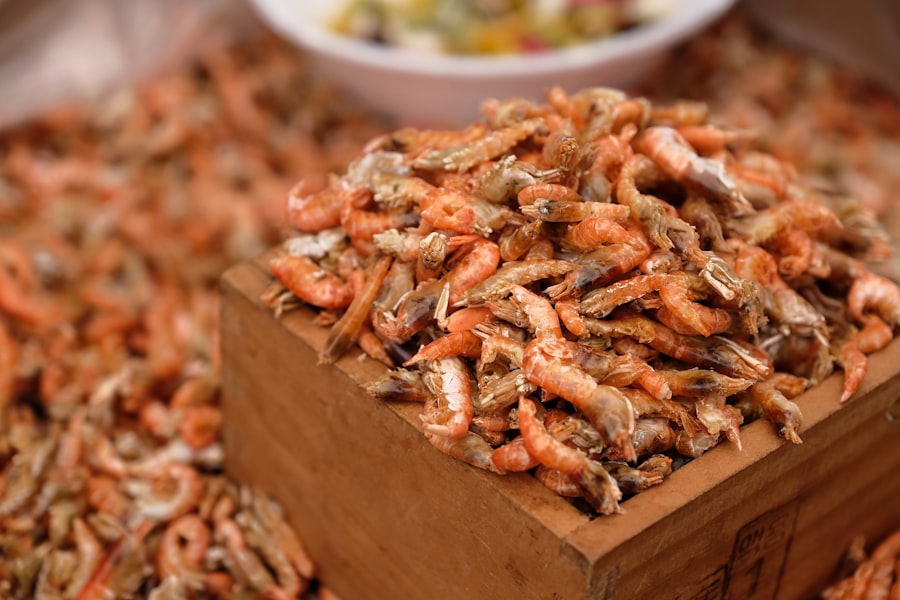
The initial stage involves the harvesting of brine shrimp, primarily from natural salt lakes and lagoons, or from cultivated pond systems. This process requires specialized equipment and labor. Following harvest, the brine shrimp are processed, with a focus on the cysts. This processing involves de-hatching, gut-loading (enriching the nauplii with specific nutrients), and packaging. Each step in this process represents economic activity, generating revenue and employment.
Geographical Distribution and Trade
Brine shrimp, and more importantly their cysts, are traded internationally. Major producing regions include the United States (Great Salt Lake), China, and Central Asian countries. These regions export their products to aquaculture hubs across the globe, including Southeast Asia, Europe, and South America. This international trade generates significant economic activity through shipping, logistics, customs, and financial transactions.
Economic Challenges: Navigating the Saltwater Currents
Despite its established economic importance, the brine shrimp industry faces several challenges that can impact its profitability and sustainability. These challenges are often rooted in environmental factors, market dynamics, and the biological nature of the commodity itself.
Environmental Vulnerability and Resource Management
Brine shrimp populations are intrinsically linked to specific hypersaline environments, making them vulnerable to environmental changes. Managing these resources sustainably is crucial for the long-term economic viability of the industry.
Habitat Degradation and Climate Change
Changes in precipitation patterns, increased industrial or agricultural runoff, and rising global temperatures can all impact the salinity and overall health of brine shrimp habitats. For instance, a drought can reduce the surface area of salt lakes, concentrating salts to levels that may be detrimental to brine shrimp. Conversely, excessive freshwater inflow can dilute salinity, making the environment unsuitable. These environmental shifts directly affect the availability and quality of harvested brine shrimp, creating economic uncertainty.
Overharvesting and Sustainable Practices
While natural lakes are vast, unchecked harvesting can lead to depletion, impacting future yields. The economic incentive to harvest as much as possible can, if not regulated, lead to unsustainable practices. The industry must continually adapt to implementing and adhering to sustainable harvesting quotas and methods to ensure the long-term health of wild populations and maintain economic stability. This often involves collaboration between industry stakeholders and environmental agencies.
Market Volatility and Price Fluctuations
The price of brine shrimp cysts can be subject to fluctuations driven by supply and demand, as well as by the quality of the harvest.
Supply Shocks
A poor harvest year due to adverse environmental conditions can lead to a significant reduction in the global supply of brine shrimp cysts. This scarcity can drive prices upwards, creating challenges for aquaculture producers who rely on a stable and affordable feed source. Such supply shocks can disrupt production schedules and impact the profitability of the entire aquaculture value chain.
Quality Variation and Consumer Preference
The nutritional quality of brine shrimp, particularly the omega-3 fatty acid content, can vary depending on the source and the diet of the shrimp. Aquaculture producers often seek specific grades or enriched products, and variations in quality can lead to price differentiation and a more complex market for producers to navigate. A consistent and high-quality product is essential for maintaining market share and stable pricing.
Competition and Artificial Feed Development
While brine shrimp remain a vital food source, ongoing research and development in artificial feed technologies present a potential challenge.
Advancement of Artificial Diets
Innovations in formulating artificial diets that mimic the nutritional profile and palatability of brine shrimp nauplii are continually being pursued. As these artificial feeds become more sophisticated, cost-effective, and widely adopted, they could potentially reduce the demand for live Artemia in certain aquaculture sectors. However, currently, for many larval stages, especially critical early ones, artificial feeds have not fully replicated the effectiveness of live Artemia.
Cost-Effectiveness and Scalability
The economic viability of artificial feeds often rests on their cost-effectiveness and ability to be produced at scale. While a more convenient option in some respects, the perceived superiority of live Artemia in terms of larval growth and survival, particularly for sensitive species, has maintained its market position. The economic balance between live feed and artificial alternatives is a continuous point of consideration for aquaculture operations.
Economic Opportunities: Emerging Tides of Growth
Despite the challenges, the brine shrimp industry is poised for continued economic growth, driven by new opportunities and evolving market demands.
Expansion of Aquaculture in Emerging Markets
The growth of aquaculture in developing nations represents a significant economic opportunity for the brine shrimp industry. As these economies mature, so does their domestic aquaculture sector, creating substantial new markets for feed inputs.
Asia and Africa’s Growing Demand
Regions like Southeast Asia are already major aquaculture producers, and their continued expansion, alongside the nascent but rapidly growing aquaculture sectors in African nations, presents a substantial opportunity. These markets often have a high demand for cost-effective and reliable feed sources, making brine shrimp a prime candidate for increased consumption.
Investment in Local Production
In some cases, the economic opportunity lies not just in exporting cysts but in supporting the development of local brine shrimp cultivation and processing facilities within these emerging markets. This can reduce transportation costs, improve product freshness, and foster economic development within those regions.
Niche Market Development and Value-Added Products
Beyond bulk cyst sales, there are emerging opportunities in developing value-added brine shrimp products and catering to specialized niche markets.
Enriched and Specialized Cysts
The demand for specific nutritional profiles in brine shrimp nauplii – such as higher levels of certain fatty acids or enrichment with specific vitamins – is growing. Producers who can offer these specialized, enriched, or genetically selected strains can command premium prices and capture niche market segments within the broader aquaculture industry.
Ornamental Fish and Reptile Feed
The ornamental fish industry, a significant market in its own right, also relies heavily on live feeds for the propagation of many aquarium species. Furthermore, some reptiles, particularly in their juvenile stages, can benefit from Artemia as a food source. These smaller but dedicated markets represent an opportunity for specialized producers.
Innovations in Sustainable Production and Biotechnology
Advancements in biotechnology and sustainable aquaculture practices can unlock new economic potential for the brine shrimp industry.
Bioremediation and Saline Waste Management
The ability of brine shrimp to thrive in saline environments suggests potential applications in bioremediation. As industries continue to generate saline wastewater, cultivating brine shrimp could serve as a method for processing and treating these effluents, potentially creating a symbiotic economic model where waste management becomes a revenue stream.
Genetic Improvement and Disease Resistance
Research into the genetics of brine shrimp could lead to the development of strains that are more efficient in cyst production, more resilient to environmental stressors, or possess enhanced nutritional qualities. Biotechnology could unlock significant economic gains by improving the fundamental biological attributes of the organism itself, making production more robust and valuable.
The brine shrimp industry plays a significant role in aquaculture and research, contributing substantially to the global economy. For a deeper understanding of its economic value and the factors influencing its market dynamics, you can explore a related article that provides insights into the industry’s growth and challenges. This informative piece can be found here, where you will discover various aspects of how brine shrimp are utilized across different sectors and their impact on sustainable practices.
Cost-Benefit Analysis: The Economic Ripple Effect
| Metric | Value | Unit | Notes |
|---|---|---|---|
| Global Production Volume | 2,500 | Metric Tons per Year | Estimated annual harvest of brine shrimp cysts |
| Market Price | 1,200 | Per Metric Ton | Wholesale price for dried brine shrimp cysts |
| Annual Market Value | 3,000,000 | Thousands | Estimated global market value of brine shrimp industry |
| Primary Use | Aquaculture Feed | N/A | Major application in fish and crustacean hatcheries |
| Top Producing Countries | USA, China, Mexico | N/A | Leading exporters of brine shrimp cysts |
| Growth Rate | 5 | Percent per Year | Projected industry growth rate |
A comprehensive economic assessment of the brine shrimp industry reveals a favorable cost-benefit ratio, with significant returns on investment extending beyond the direct sales of cysts. The industry acts as an economic engine, generating value at multiple points in the supply chain.
Return on Investment for Aquaculture Operations
For aquaculture producers, the return on investment from using brine shrimp as feed is substantial. The improved survival rates, faster growth, and better overall health of farmed species translate directly into higher yields and greater profitability. The cost of brine shrimp cysts, while a significant input, is often outweighed by the increased value of the harvested product.
Reduced Larval Mortality
High larval mortality rates can cripple an aquaculture operation. By providing the optimal first food, brine shrimp nauplii significantly reduce these losses, directly impacting the economic viability of hatcheries and nurseries. A few extra percentage points of survival can represent millions of dollars in revenue.
Enhanced Product Quality and Market Value
The nutritional benefits derived from brine shrimp contribute to the development of healthier, faster-growing fish and shellfish. This can lead to improved flesh quality, reduced time to market, and ultimately, a higher market value for the aquaculture product. The economic ripple effect here is clear: healthier shrimp fetch higher prices.
Employment and Economic Stimulation
The brine shrimp industry, from harvesting and processing to distribution and research, generates a significant number of direct and indirect employment opportunities. This economic stimulation extends to ancillary industries, such as equipment manufacturing, logistics, and packaging.
Rural and Coastal Economies
Brine shrimp harvesting and cultivation often take place in rural or coastal areas, providing vital economic activity and employment in regions that may have limited other industrial opportunities. These communities become reliant on the economic currents generated by the brine shrimp trade.
Supporting Industries
The demand for specialized harvesting equipment, processing machinery, packaging materials, and transportation services all contribute to the economic vibrancy of supporting industries. A thriving brine shrimp sector creates demand that fuels growth and innovation across a broader economic spectrum.
The Global Trade Impact
The international trade in brine shrimp and their cysts contributes to foreign exchange earnings for producing countries and provides essential inputs for aquaculture industries worldwide. This global trade network fosters economic interdependence and growth.
Export Revenue and Trade Balance
For countries that are major producers, brine shrimp exports represent a significant source of foreign exchange revenue, positively impacting their trade balance. This revenue can be reinvested in infrastructure, education, and further economic development.
Supply Chain Resilience
The existence of a global brine shrimp trade network contributes to the resilience of the global food supply chain. By diversifying sources and providing a consistent supply, it helps mitigate risks associated with localized production issues or environmental disruptions in individual regions.
Conclusion: The Unassuming Powerhouse
The economic value of the brine shrimp industry, though often understated, is undeniable. These minute crustaceans, through their remarkable biological resilience and their position as a critical nexus in aquaculture nutrition, fuel a global economic ecosystem. From providing the foundational sustenance for billions of larval fish and shellfish to stimulating employment and fostering international trade, brine shrimp are a testament to the significant economic impact that even the smallest organisms can have when harnessed effectively.
The industry is not without its challenges, grappling with environmental vulnerabilities, market fluctuations, and the emergence of competing technologies. However, the persistent and growing global demand for seafood, coupled with expanding aquaculture operations and emerging opportunities in specialized markets and biotechnological advancements, points towards a future of continued economic relevance. The brine shrimp, these tiny, salt-loving powerhouses, are set to remain a vital, albeit unassuming, pillar in the global economic landscape for the foreseeable future. Their continued importance is not a matter of passing fancy, but a reflection of fundamental biological necessity meeting economic demand.

WATCH NOW ▶️ WARNING: The $10 Trillion Toxic Lie Killing the American West
FAQs
What is the brine shrimp industry?
The brine shrimp industry involves the harvesting, cultivation, and processing of brine shrimp, primarily for use as live feed in aquaculture, aquarium hobbies, and scientific research.
What is the economic value of the brine shrimp industry?
The economic value of the brine shrimp industry is significant due to its role in supporting global aquaculture and aquarium markets. It generates revenue through the sale of live cysts, nauplii, and processed products, contributing to local economies, especially in regions where brine shrimp are harvested.
Which regions are the main producers of brine shrimp?
Major producers of brine shrimp include the Great Salt Lake in the United States, the San Francisco Bay, and salt lakes in China and Central Asia. These areas provide ideal saline environments for brine shrimp populations.
How does the brine shrimp industry impact local communities?
The industry provides employment opportunities in harvesting, processing, and distribution. It also supports ancillary businesses and can be a source of income for local communities, particularly in remote or economically challenged areas.
What are the primary uses of brine shrimp in the market?
Brine shrimp are primarily used as live feed in aquaculture to nourish fish and crustacean larvae. They are also popular in the aquarium trade for feeding ornamental fish and are used in scientific research due to their ease of cultivation and biological characteristics.