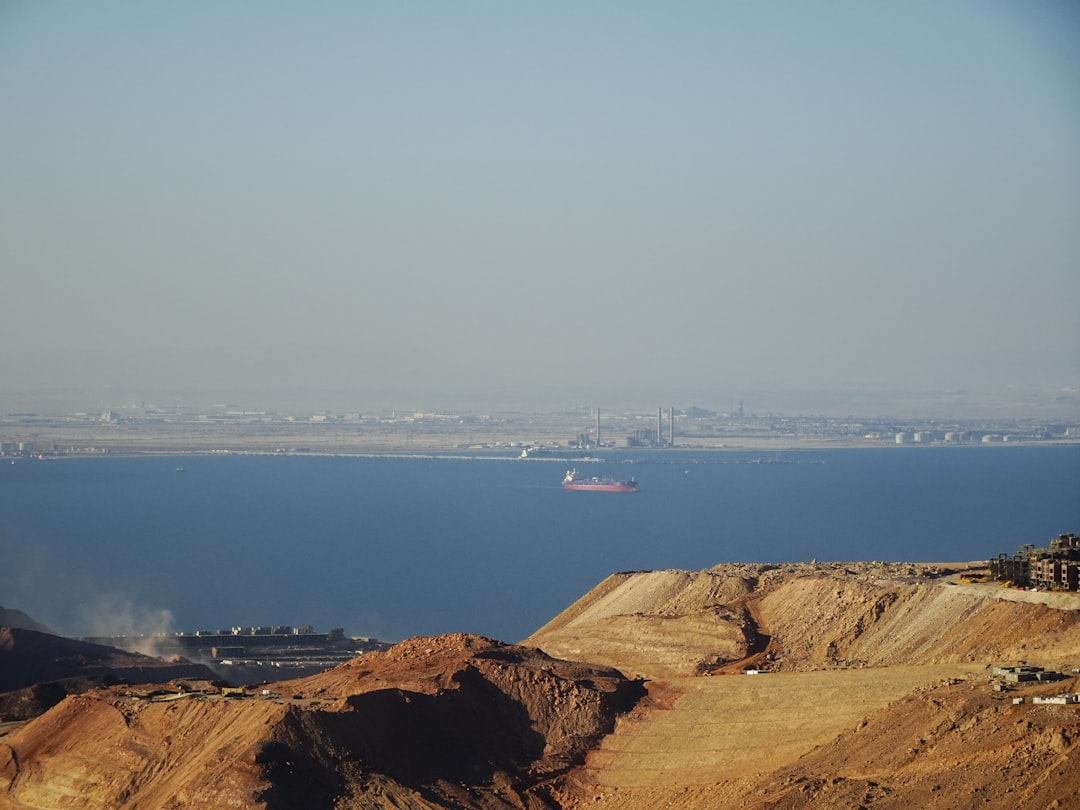
The Suez Canal, an engineering marvel that connects the Mediterranean Sea to the Red Sea, stands as a pivotal artery for global maritime trade. Completed in 1869, this artificial waterway spans approximately 120 miles and serves as a shortcut for vessels traveling between Europe and Asia, significantly reducing the journey time compared to the lengthy route around the southern tip of Africa. The canal’s strategic location has made it a focal point for international shipping, facilitating the movement of goods and resources across continents.
Its construction not only transformed maritime navigation but also reshaped geopolitical dynamics, establishing Egypt as a crucial player in global trade. The significance of the Suez Canal extends beyond its physical dimensions; it embodies a rich tapestry of history, commerce, and cultural exchange. As one of the most important waterways in the world, it has been instrumental in fostering economic relationships between nations and has played a vital role in the development of international trade routes.
The canal’s existence has allowed for the swift transportation of oil, consumer goods, and raw materials, making it an indispensable component of the global economy. As such, understanding the Suez Canal’s multifaceted impact is essential for grasping the complexities of modern trade and international relations.
Key Takeaways
- The Suez Canal is a crucial waterway connecting the Mediterranean and Red Seas, facilitating global maritime trade.
- Historically, it has been a strategic asset influencing geopolitical and economic dynamics since its opening.
- The canal significantly boosts the global economy by reducing shipping times and costs for international trade.
- It generates substantial revenue for Egypt and creates numerous employment opportunities in the region.
- Ongoing infrastructure development and environmental considerations shape the canal’s future economic prospects.
Historical significance of the Suez Canal
The historical significance of the Suez Canal cannot be overstated. Its inception was driven by a vision to create a direct maritime route that would enhance trade efficiency and foster economic growth. The canal was conceived by Ferdinand de Lesseps, a French diplomat and engineer, who spearheaded its construction under the auspices of the Suez Canal Company.
The project faced numerous challenges, including political opposition, financial constraints, and engineering hurdles. Nevertheless, its completion marked a monumental achievement in civil engineering and opened new avenues for global commerce. Throughout its history, the Suez Canal has been at the center of geopolitical conflicts and power struggles.
The canal was nationalized by Egyptian President Gamal Abdel Nasser in 1956, leading to the Suez Crisis, which involved military intervention by Britain, France, and Israel. This event underscored the canal’s strategic importance and highlighted how control over such vital infrastructure could influence international relations. The canal has since remained a symbol of national pride for Egypt and a testament to the enduring legacy of human ingenuity in overcoming geographical barriers.
Economic importance of the Suez Canal

The economic importance of the Suez Canal is profound, as it serves as a critical conduit for global trade. Approximately 12% of total world trade passes through this vital waterway, making it an essential link in the supply chain for countless industries. The canal facilitates the transit of various goods, including oil, natural gas, consumer products, and agricultural commodities.
By providing a more efficient route for shipping, it significantly reduces transportation costs and time for businesses engaged in international trade. Moreover, the canal’s economic impact extends beyond direct shipping activities. It has spurred growth in related sectors such as logistics, shipbuilding, and maritime services.
The presence of the canal has led to the establishment of numerous ports and industrial zones along its banks, creating a thriving ecosystem that supports economic development in Egypt and beyond. The Suez Canal Authority plays a crucial role in managing these operations, ensuring that the waterway remains navigable and efficient while also generating substantial revenue for the Egyptian government.
Impact of the Suez Canal on global trade
The impact of the Suez Canal on global trade is both extensive and transformative. By providing a direct route between Europe and Asia, it has revolutionized shipping practices and altered traditional trade patterns. Prior to its construction, vessels had to navigate around Africa’s Cape of Good Hope, a journey that could take weeks or even months.
The canal has drastically reduced travel time, allowing goods to reach their destinations more quickly and efficiently. This efficiency has enabled businesses to respond more rapidly to market demands and has fostered increased competition among traders. Furthermore, the canal’s influence extends to energy markets as well.
A significant portion of the world’s oil supply is transported through this waterway, making it a critical factor in global energy security. Disruptions to traffic in the Suez Canal can have far-reaching consequences on oil prices and availability worldwide. The canal’s role in facilitating energy transport underscores its importance not only as a trade route but also as a stabilizing force in international markets.
Revenue generated by the Suez Canal
| Metric | Value | Unit | Description |
|---|---|---|---|
| Annual Ship Transits | 19,000 | ships/year | Number of vessels passing through the canal annually |
| Revenue Generated | 8.4 | billion | Annual revenue from tolls and fees (in local currency units) |
| Global Trade Percentage | 12 | % | Percentage of global trade volume passing through the canal |
| Time Saved per Transit | 10-12 | days | Average time saved compared to alternative routes around Africa |
| Employment Impact | 30,000 | jobs | Number of direct and indirect jobs supported by canal operations |
| Contribution to GDP | 3 | % | Percentage contribution of the canal to Egypt’s GDP |
| Average Toll per Vessel | 300,000 | local currency units | Average fee charged per ship transit |
The revenue generated by the Suez Canal is a vital component of Egypt’s economy. The canal is one of the country’s primary sources of foreign currency earnings, contributing billions of dollars annually to national coffers. Fees charged to vessels transiting through the canal are based on various factors such as vessel size, type of cargo, and destination.
This revenue stream is crucial for funding public services and infrastructure development within Egypt. In recent years, efforts have been made to increase revenue from the canal through modernization initiatives and expanded services. The introduction of new toll structures and incentives for larger vessels has aimed to attract more traffic through this critical waterway.
Additionally, investments in infrastructure improvements have enhanced operational efficiency, allowing for increased capacity and reduced waiting times for ships. These measures not only bolster revenue but also ensure that the Suez Canal remains competitive in an ever-evolving global shipping landscape.
Employment opportunities created by the Suez Canal
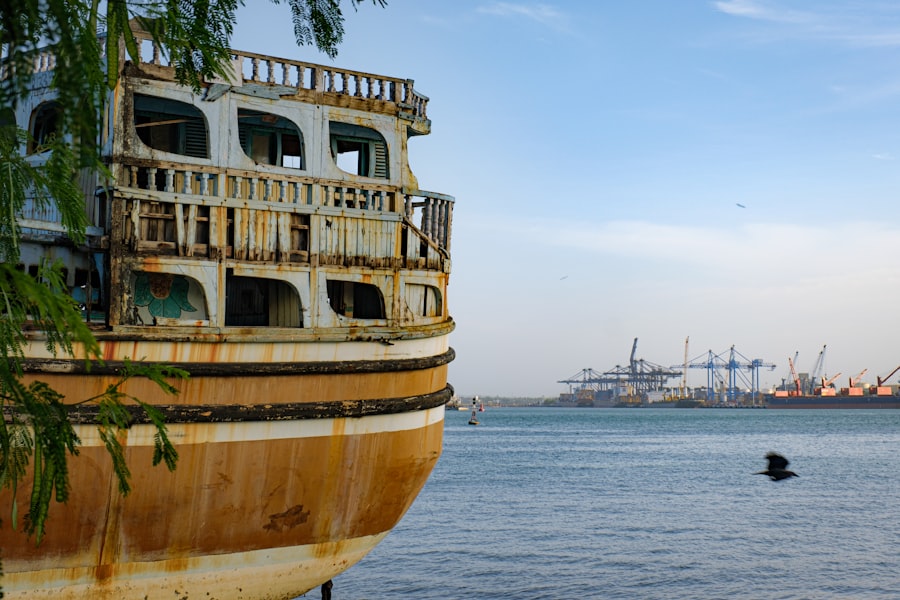
The Suez Canal has been a significant source of employment opportunities for Egyptians and others in the region. The construction and ongoing maintenance of the canal have created thousands of jobs over the years, ranging from skilled labor positions to administrative roles within the Suez Canal Authority. The presence of shipping companies and logistics firms along the canal has further expanded employment prospects in various sectors related to maritime trade.
Moreover, the economic activities generated by the canal have stimulated job creation in surrounding areas. As ports and industrial zones develop along its banks, local communities benefit from increased employment opportunities in manufacturing, transportation, and service industries. This ripple effect contributes to overall economic growth in Egypt while improving living standards for many residents who rely on these jobs for their livelihoods.
Infrastructure development around the Suez Canal
Infrastructure development around the Suez Canal has been instrumental in enhancing its operational capacity and supporting regional economic growth. Over the years, significant investments have been made to upgrade port facilities, expand logistics hubs, and improve transportation networks connecting the canal to major cities and industrial centers. These developments have not only increased efficiency but have also positioned Egypt as a key player in global trade logistics.
The establishment of special economic zones near the canal has further bolstered infrastructure development efforts. These zones are designed to attract foreign investment by offering incentives such as tax breaks and streamlined regulatory processes. As a result, businesses are encouraged to set up operations in proximity to the canal, fostering innovation and creating jobs while enhancing Egypt’s competitiveness in international markets.
Economic challenges and opportunities for the Suez Canal region
Despite its many advantages, the Suez Canal region faces several economic challenges that could impact its future growth prospects. Geopolitical tensions in the Middle East can disrupt shipping routes and create uncertainty for businesses operating in or near the canal. Additionally, competition from alternative shipping routes—such as those emerging from Arctic passages due to climate change—poses a potential threat to the canal’s dominance as a key maritime corridor.
However, these challenges also present opportunities for innovation and adaptation. The Suez Canal Authority has been proactive in addressing potential disruptions by investing in technology that enhances navigation safety and efficiency. Furthermore, diversifying Egypt’s economy beyond reliance on canal revenues can help mitigate risks associated with fluctuations in global trade patterns.
By fostering partnerships with international stakeholders and promoting sustainable practices within its operations, Egypt can position itself favorably for future growth.
Environmental impact of the Suez Canal
The environmental impact of the Suez Canal is an important consideration as global awareness of ecological issues continues to rise. While the canal has facilitated significant economic benefits, it has also raised concerns regarding its effects on local ecosystems and marine life. The construction and operation of such a large-scale waterway can disrupt natural habitats and alter water salinity levels, potentially impacting biodiversity in surrounding areas.
Efforts are being made to address these environmental concerns through sustainable practices and regulations aimed at minimizing ecological damage. Initiatives focused on monitoring water quality and protecting marine species are essential components of responsible canal management. By prioritizing environmental stewardship alongside economic growth, Egypt can work towards ensuring that the benefits derived from the Suez Canal do not come at an unsustainable cost to its natural resources.
Future prospects for the Suez Canal
The future prospects for the Suez Canal appear promising as global trade continues to evolve. With advancements in technology and logistics management, there is potential for increased efficiency within canal operations that could further enhance its attractiveness as a shipping route. Additionally, ongoing investments in infrastructure development will likely bolster capacity and improve service offerings for vessels transiting through this vital waterway.
Moreover, as international trade patterns shift due to emerging markets and changing consumer demands, the Suez Canal may find new opportunities to adapt its services accordingly. By embracing innovation and sustainability initiatives while maintaining strong relationships with global trading partners, Egypt can ensure that the canal remains a cornerstone of international commerce well into the future.
The lasting economic impact of the Suez Canal
In conclusion, the lasting economic impact of the Suez Canal is evident across multiple dimensions—historical significance, global trade facilitation, revenue generation, employment creation, infrastructure development, and environmental considerations all intertwine to shape its legacy.
The canal’s ability to adapt to changing circumstances will determine its future relevance in an increasingly interconnected world.
By prioritizing sustainable practices alongside economic growth initiatives, Egypt can harness the full potential of this critical waterway while safeguarding its ecological integrity for generations to come. Ultimately, the Suez Canal stands not only as a testament to human ingenuity but also as a symbol of cooperation among nations striving for shared prosperity through trade.
For a deeper understanding of this topic, you can read a related article that explores the implications of the canal’s operations on international commerce. Check it out here: Suez Canal Economic Impact.
FAQs
What is the Suez Canal?
The Suez Canal is an artificial waterway in Egypt that connects the Mediterranean Sea to the Red Sea, allowing for direct maritime transport between Europe and Asia without navigating around Africa.
How does the Suez Canal impact global trade?
The Suez Canal significantly reduces shipping time and costs by providing a shorter route between Europe and Asia, facilitating faster delivery of goods and boosting international trade efficiency.
What is the economic importance of the Suez Canal for Egypt?
The canal is a major source of revenue for Egypt through toll fees charged to ships passing through. It also supports local employment and stimulates related industries such as logistics and maritime services.
How does the Suez Canal affect shipping costs?
By shortening the travel distance between key markets, the canal lowers fuel consumption and operational costs for shipping companies, which can translate into lower prices for consumers.
What was the economic impact of the 2021 Suez Canal blockage?
The blockage caused significant delays in global shipping, disrupted supply chains, and resulted in billions of dollars in losses due to delayed deliveries and increased shipping costs.
Are there environmental economic considerations related to the Suez Canal?
Yes, the canal’s operation affects marine ecosystems and can influence shipping emissions. Efficient use of the canal helps reduce fuel consumption and associated environmental costs.
How does the Suez Canal compare to alternative shipping routes?
The Suez Canal is generally the fastest and most cost-effective route between Europe and Asia. Alternatives like the Cape of Good Hope route are longer and more expensive, while emerging Arctic routes are seasonal and less reliable.
What measures has Egypt taken to enhance the economic benefits of the Suez Canal?
Egypt has expanded and deepened the canal to accommodate larger vessels and increase traffic capacity, implemented technological upgrades, and developed adjacent economic zones to attract investment and boost trade.