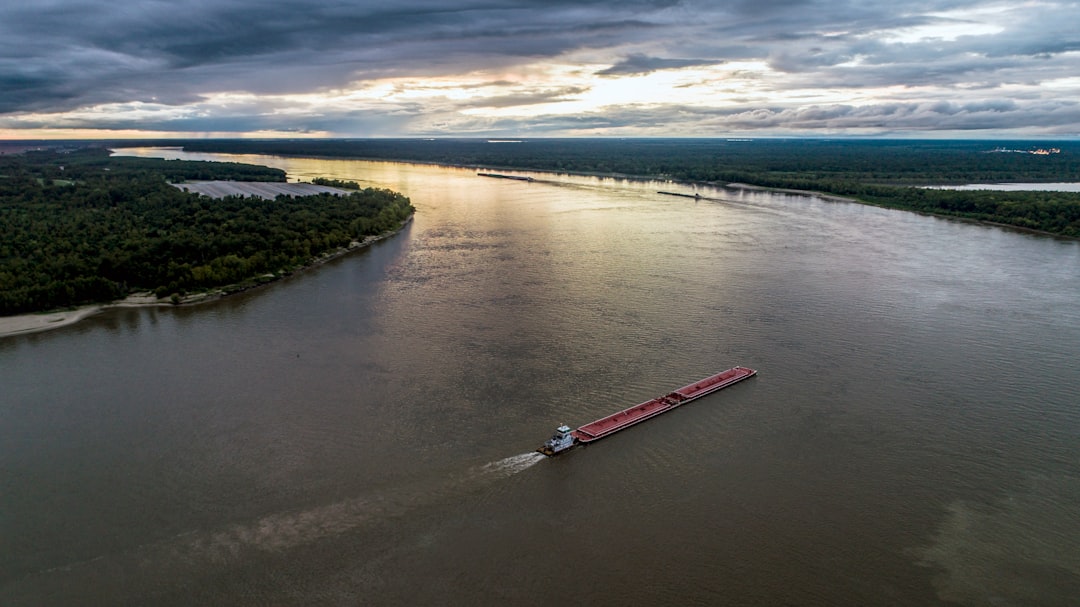
The Mississippi River, a titan of North American geography, has not always followed its current path. Throughout geological epochs and even within recorded human history, its course has demonstrably shifted. These alterations, from gradual meandering to dramatic avulsions, are not mere geological curiosities; they represent seismic events in the economic landscape, leaving a legacy of both opportunity and hardship. Understanding the economic impact of a Mississippi River course change requires a multifaceted examination, delving into the foundational industries, the infrastructural adaptations, and the long-term societal consequences that have rippled outwards from these colossal hydrological shifts. It is akin to watching a mighty river, a lifeblood for commerce, suddenly choose a new channel; the old ports may wither, while new hubs of activity can spring forth, forever altering the economic map.
The economic significance of the Mississippi River’s course is inextricably linked to the land it nourishes and the resources it carries. For millennia, the fertile alluvial plains flanking the river have been a cradle for agriculture, and any change in its hydrological embrace directly impacts this cornerstone industry.
Soil Fertility and Agricultural Productivity
The constant deposition of rich sediment, a process intrinsically tied to the river’s flow and inundation patterns, has created some of the most productive farmland in the United States.
Historical Patterns of Alluviation
Throughout its history, the Mississippi has been a dynamic sculptor of its own floodplain. Periods of intense flooding, often followed by periods of reduced flow or shifts in the main channel, led to the deposition of nutrient-rich silt. This natural fertilization process historically enhanced soil fertility, making the river valley a prime location for crop cultivation. The natural flood pulse acted like a giant, annual replenishment of the land’s bounty.
Impact of Channel Shifts on Crop Yields
When the river’s course shifted, even subtly, it could alter the patterns of inundation and sediment deposition. Areas that were historically well-watered and nourished could experience drought-like conditions if the main channel moved away, or conversely, become waterlogged and unsuitable for cultivation if the river encroached too far. This directly translated into fluctuations in crop yields, impacting the incomes of farmers and the overall agricultural output of the region. For communities heavily reliant on agriculture, a significant course change could be akin to losing a vital artery of their economic sustenance.
Resource Transport and Extraction
Beyond agriculture, the Mississippi River has always been a crucial conduit for the extraction and transport of natural resources. Its current and historical courses have shaped the accessibility and profitability of these industries.
Timber and Mineral Resources Along the Floodplain
Historically, the vast forests that once lined the Mississippi and its tributaries were a significant source of timber. Similarly, mineral deposits found in the bluffs and along the river’s edges were exploited. A river’s proximity to these resources was paramount for their efficient extraction and transport to markets.
The River as a Natural Highway for Raw Materials
The Mississippi, as a navigable waterway, served as a natural highway for transporting raw materials like lumber, coal, iron ore, and gravel. The economic viability of extracting these resources was directly proportional to the ease with which they could be moved. A change in the river’s course could render previously accessible deposits uneconomical to exploit or, conversely, open up new areas for extraction. The river’s path dictated the cost and efficiency of this vital economic artery.
The economic impact of the Mississippi River’s course change has been a topic of significant discussion among researchers and policymakers. A related article that delves into this issue can be found at this link: Economic Implications of the Mississippi River’s Changing Course. This article explores how alterations in the river’s flow can affect trade routes, agriculture, and local economies, highlighting the importance of understanding these changes for future planning and development.
Infrastructure and Transportation Networks
The economic lifeblood of any region is its ability to move goods and people. The Mississippi River, as a colossal natural artery, has been the foundation upon which extensive transportation infrastructures have been built. Any alteration to its course necessitates a profound re-evaluation and adaptation of these networks.
Ports, Terminals, and Navigation
The development of ports and shipping terminals is a direct consequence of the river’s navigability and its role as a central trade route.
Historical Development of River Ports
From early settlements to modern metropolises, cities like New Orleans, St. Louis, and Memphis owe their prominence, in part, to their strategic locations along the Mississippi. These cities evolved into hubs for trade, manufacturing, and finance, with their economies intricately tied to the river’s flow and its capacity to accommodate ever-larger vessels.
The Impact of Channel Migration on Port Viability
A significant shift in the river’s primary channel or the creation of oxbow lakes could render established ports obsolete. Channels could silt up, water depths could decrease, or the waterway could become too circuitous for efficient navigation. This would necessitate enormous investment in dredging, relocation, or the development of entirely new port facilities. The economic shockwaves would be felt not only by port authorities but also by the businesses that depended on them, from barge operators to warehouse managers and the myriad logistical support industries. The specter of a port’s economic demise due to a river’s whim is a stark reminder of the dynamism of nature.
Railroads, Highways, and Infrastructure Adaptation
While the river is a natural highway, human ingenuity has always sought to complement and connect with it. This has resulted in a complex web of complementary transportation infrastructure.
The Interplay Between Waterways and Land Transport
Railroads and highways were often built to connect inland areas to river ports or to serve as parallel routes in regions where river navigation was difficult or seasonal. The placement and economic success of these land-based transportation systems were often dictated by the river’s location and its role in the broader transportation network.
The Cost and Complexity of Relocation or Redesign
When the Mississippi’s course shifts, the infrastructure built around its former path can become stranded assets. Railroad lines might need to be rerouted, bridges might become unusable, or highways might need extensive reconstruction to maintain connectivity. This represents a massive economic undertaking, requiring significant capital investment, engineering expertise, and often, lengthy periods of disruption to existing trade flows. The cost of adapting a region’s entire transportation skeleton to a new hydrological reality can be astronomical.
Economic Disruption and Opportunity
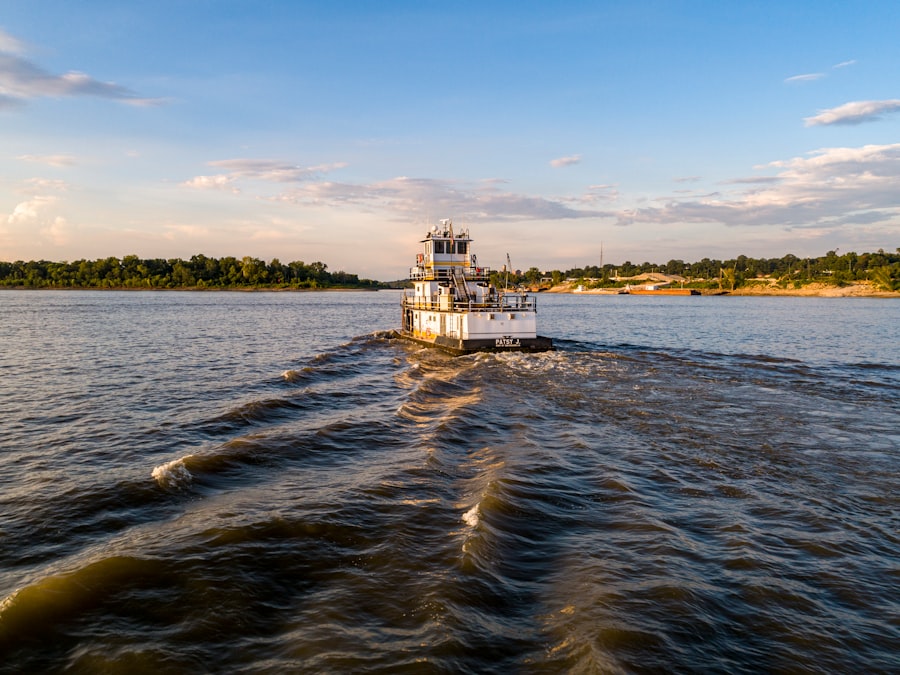
The economic impact of the Mississippi River’s course changes is not a monolithic event; it is a tapestry woven with threads of significant disruption for some, and unexpected opportunities for others.
Displacement and Loss of Economic Activity
When the river abandons an old path, it often leaves behind a vacuum of economic activity.
Abandoned Towns and Infrastructure
Historically, instances exist where settlements and industries were built with the expectation of river access. When the river changed course, these communities could be economically crippled, leading to population decline and the abandonment of valuable infrastructure. The economic ghost towns left in the wake of a river’s move are a somber testament to this reality.
Impact on Local Businesses and Employment
Businesses reliant on river traffic, from steamboat repair shops to riverside taverns and warehouses, would face sudden obsolescence. The loss of these businesses translates directly into job losses and a decline in local tax revenues, creating a ripple effect throughout the regional economy. The economic ecosystem that had developed around the river’s presence would face a profound crisis.
Emergence of New Economic Centers
Conversely, a river’s shift can be a catalyst for the growth of new economic powerhouses.
New Hubs of Commerce and Industry
If a river establishes a new, more advantageous course, new ports and industrial centers can emerge along its banks. Areas previously considered peripheral might suddenly find themselves on the main thoroughfare of commerce, attracting investment and fostering rapid economic growth. This can be a boon for the regions that are “chosen” by the river’s new path.
Opportunities for Resource Exploitation and Development
A new river course might also expose or make accessible previously untapped natural resources or provide more efficient transport routes for existing ones. This can stimulate new extractive industries and related support services, leading to job creation and economic diversification in the newly favored areas. The river, in its capricious navigation, can redistribute economic fortunes.
Long-Term Economic Repercussions and Societal Adaptation
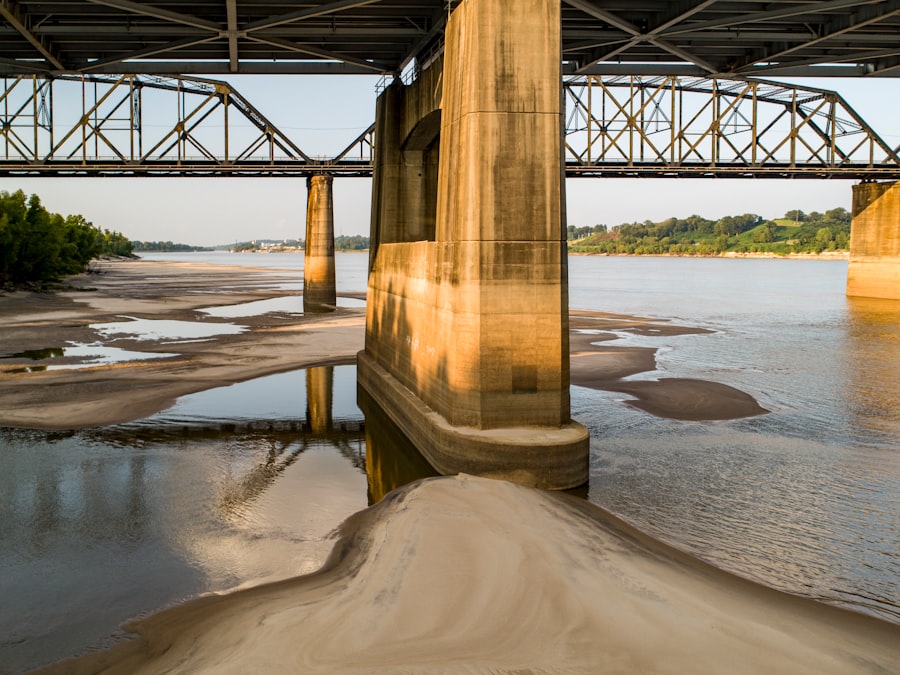
The economic impacts of a Mississippi River course change are rarely fleeting. They often possess a long-term resonance, shaping the economic trajectory of regions for decades, if not centuries.
Shifting Economic Power Dynamics
The most profound impact is often the redistribution of economic power.
Rise and Fall of Regional Economies
Historically, dominant economic centers have been intimately tied to the river’s course. Cities that once thrived might see their influence wane, while others, previously on the periphery, could ascend to prominence. This process of economic ascendance and decline is a recurring theme in the history of riverine civilizations.
Influence on State and National Economies
These regional shifts inevitably influence broader economic landscapes. A major change in the Mississippi’s course can affect national trade patterns, agricultural production figures, and the distribution of wealth, influencing state and even national economic policies and priorities. The river is not just a regional feature; it is a vital component of the continental economic engine.
Adaptability and Resilience in Economic Planning
The inherent dynamism of the Mississippi River system has necessitated a long-term perspective on economic planning and a focus on adaptability.
The Role of Engineering and Management
Understanding river dynamics and employing sophisticated engineering solutions – such as levees, dams, and channel maintenance – have become crucial for mitigating negative impacts and harnessing the river’s economic potential. The constant battle between human infrastructure and natural forces is a defining characteristic of this region’s economic development.
Economic Diversification and Risk Mitigation
Regions that have historically relied heavily on the Mississippi have learned the importance of economic diversification. Over-reliance on a single industry or the river’s predictable presence can leave communities vulnerable. A more resilient economy is one that can weather the storms, both meteorological and hydrological, that a changing river might bring. The river’s capacity to both create and destroy economic fortune underscores the need for robust, adaptive planning.
The economic impact of the Mississippi River’s course change has been a topic of considerable discussion among researchers and policymakers alike. A related article that delves deeper into this issue can be found on MyGeoQuest, which explores how alterations in the river’s path affect local economies, agriculture, and shipping routes. Understanding these dynamics is crucial for developing strategies to mitigate potential negative consequences. For more insights, you can read the full article here.
The Future of the Mississippi and its Economic Implications
| Metric | Before Course Change | After Course Change | Impact Description |
|---|---|---|---|
| Annual Shipping Volume (tons) | 500 million | 350 million | Decrease due to altered navigation routes and increased sedimentation |
| Agricultural Output (tons) | 2.5 million | 1.8 million | Reduced irrigation and flooding affected crop yields |
| Flood Damage Costs (millions) | 120 | 250 | Increased flooding in new areas caused higher damage costs |
| Fishing Industry Revenue (millions) | 80 | 60 | Habitat changes led to reduced fish populations |
| Tourism Revenue (millions) | 45 | 30 | Loss of recreational areas and river access points |
| Population Displacement (people) | 0 | 15,000 | Communities relocated due to flooding and land loss |
The Mississippi River is not a static entity. Its course continues to evolve, albeit often on geological timescales. Understanding the potential future changes and their economic ramifications is a critical, ongoing task.
Ongoing Geological Processes and Potential Avulsions
Geologists continue to study the river’s behavior, including the potential for future avulsions – sudden shifts in the main channel.
Predicting Future Channel Movements
While predicting the exact timing and location of a major avulsion is impossible, scientific models provide insights into the river’s tendencies and the conditions under which such events might occur. This ongoing research is vital for proactive economic planning.
The Threat and Opportunity of Future Changes
A future avulsion could have profound economic consequences, mirroring historical patterns. New areas could become prime real estate for transportation and industry, while established centers could face decline. This necessitates a constant re-evaluation of economic strategies and infrastructure development. The river’s unpredictable nature serves as a perpetual reminder that economic stability is often a carefully managed illusion, built in partnership with, and sometimes in defiance of, natural forces.
The Economic Importance of Flood Control and Water Management
As human populations and economic activities continue to press along the river, flood control and effective water management become paramount.
Balancing Economic Development with Environmental Sustainability
The economic imperative to develop the floodplain must be balanced with the need for robust flood control measures and sustainable water management practices. This involves complex trade-offs and significant investment.
The Economic Value of a Stable, Navigable River
A stable, predictable, and navigable Mississippi River remains an invaluable economic asset. Investments in maintaining its functionality and mitigating its destructive potential are not just expenses; they are investments in the continued economic health and prosperity of the vast region it serves. The river is a double-edged sword, capable of both immense wealth creation and devastating destruction; managing its power is the enduring economic challenge.
WATCH NOW ▶️ SHOCKING: Mississippi: The $12 Trillion Lie Revealed
FAQs
What is the Mississippi River course change?
The Mississippi River course change refers to the natural or human-induced alteration in the river’s path, which can affect its flow, sediment distribution, and surrounding ecosystems.
How does a change in the Mississippi River’s course impact the economy?
A change in the river’s course can influence trade routes, agriculture, fisheries, and infrastructure, potentially disrupting transportation, increasing flood risks, and affecting industries reliant on the river.
Which industries are most affected by changes in the Mississippi River’s course?
Key industries impacted include shipping and transportation, agriculture, fishing, tourism, and energy production, as these sectors depend on the river for access, water supply, and ecosystem services.
What are some historical examples of economic impacts caused by Mississippi River course changes?
Historical course changes have led to the relocation of ports, loss of farmland due to flooding or sediment deposition, and shifts in trade patterns, all of which have had significant economic consequences for local communities.
What measures are taken to mitigate the economic impact of Mississippi River course changes?
Mitigation efforts include river engineering projects like levees and dams, flood control systems, habitat restoration, and economic diversification strategies to reduce dependency on vulnerable river-based activities.