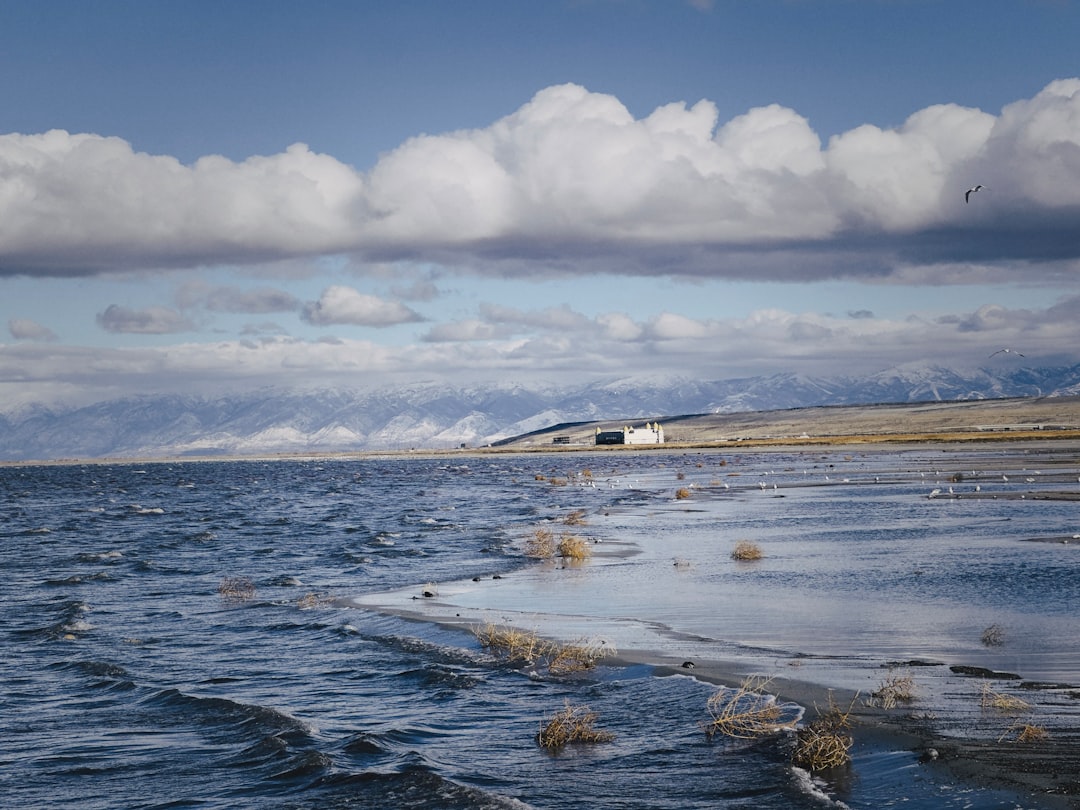
The Great Salt Lake, a sprawling expanse of saline water in Utah, is undergoing a dramatic transformation, and its shrinking footprint is casting a long shadow over the regional economy. For decades, the lake has been a silent engine of economic activity, its unique brine supporting industries ranging from mineral extraction to recreation. Now, as the lake recedes, its economic arteries are constricting, threatening jobs, revenue, and the very fabric of communities that have grown up around its shores. This article will explore the multifaceted economic impacts of the Great Salt Lake’s decline, examining the ripple effects across various sectors and the challenges facing the region as it confronts this environmental crisis.
The Great Salt Lake is a treasure trove of minerals, a natural brine rich in compounds coveted by industries worldwide. For generations, companies have harvested these minerals, transforming the lake’s waters into valuable commodities. The economic impact of this sector is substantial, representing a significant portion of the state’s industrial output and providing direct and indirect employment for thousands. However, as the lake shrinks, the concentration of these minerals changes, and the very source of this wealth becomes less accessible, presenting a complex economic puzzle.
Harvesting the Salt: A Cornerstone of the Regional Economy
The most visible and perhaps the most iconic mineral extracted from the Great Salt Lake is common salt (sodium chloride). Large commercial evaporation ponds, vast shimmering mosaics, have been a hallmark of the lake’s northern edge for decades. These operations are not simply about producing table salt; they are the foundation for a complex industrial ecosystem. The salt harvested here is a crucial raw material for a multitude of downstream industries, including chemical manufacturing, food processing, and de-icing for roads. The economic contribution of salt production is measured in tens of millions of dollars annually in direct revenue, but its true impact is amplified through its role as a feedstock for other businesses. A decline in salt availability or an increase in extraction costs due to lower lake levels can send shockwaves through these connected industries.
Beyond Sodium Chloride: Potash, Magnesium, and Lithium Potential
While common salt is the most abundant mineral, the Great Salt Lake is also a significant source of other valuable resources. Potash, a key ingredient in fertilizers, is extracted from the lake’s brine, supporting the agricultural sector. Magnesium compounds, used in construction, aerospace, and pharmaceuticals, are also harvested. In recent years, a significant amount of attention has turned to the potential for lithium extraction. The increasing global demand for lithium batteries, powering everything from electric vehicles to portable electronics, has made the Great Salt Lake brine a potentially rich and relatively accessible source.
This developing lithium interest adds a layer of speculative economic impact to the lake. If the Great Salt Lake can be harnessed as a viable source of lithium, it could represent a significant economic boon, creating new jobs and attracting substantial investment. However, the feasibility and economic viability of large-scale lithium extraction are directly tied to the lake’s water volume and salinity. As the lake shrinks, the economics of extracting these more valuable minerals can become more favorable due to increased concentration, but this is a double-edged sword. The very act of extracting water for mining operations exacerbates the lake’s decline, creating a stark economic and environmental paradox. The potential economic upsides of lithium extraction are thus inextricably linked to the risks of further damaging the Great Salt Lake ecosystem.
Challenges in Extraction: Rising Costs and Environmental Concerns
As the lake level drops, the distance from pumps to the brine increases, leading to higher energy costs for pumping. The infrastructure required for mineral extraction, such as pipelines and processing facilities, may also need to be relocated or significantly modified, incurring substantial capital expenses. The increased concentration of minerals, while potentially beneficial for the extraction process in some ways, can also lead to increased dredging and maintenance costs for evaporation ponds.
Furthermore, environmental regulations and concerns surrounding the impacts of mineral extraction on water quality and salinity are becoming more prominent. Companies face increasing pressure to adopt more sustainable practices, which can add to operating costs. The economic sustainability of these industries is thus dependent on finding a delicate balance between resource utilization and environmental stewardship. Without adequate water levels, these industries face not only operational challenges but also the potential for regulatory hurdles and environmental liabilities.
The economic implications of the drying Great Salt Lake are becoming increasingly critical, as highlighted in a related article that discusses the potential impacts on local industries and ecosystems. As water levels continue to decline, the region faces challenges such as increased dust pollution and diminished recreational opportunities, which could significantly affect the economy. For more insights on this pressing issue, you can read the article here: MyGeoQuest.
The Shifting Sands of Recreation: Tourism and its Economic Vulnerabilities
The Great Salt Lake has long been a magnet for outdoor enthusiasts and tourists, drawing visitors from across the state and beyond. Its unique environment offers a variety of recreational opportunities, from boating and fishing to birdwatching and visiting the iconic Spiral Jetty. The economic impact of this recreational sector is multifaceted, generating revenue for local businesses, supporting employment, and contributing to the overall appeal of the region. However, the receding waters are turning pristine shorelines into vast stretches of mudflats, and the economic landscape of recreation is undergoing a stark and unwelcome transformation.
Boating and Water Sports: A Shrinking Playground
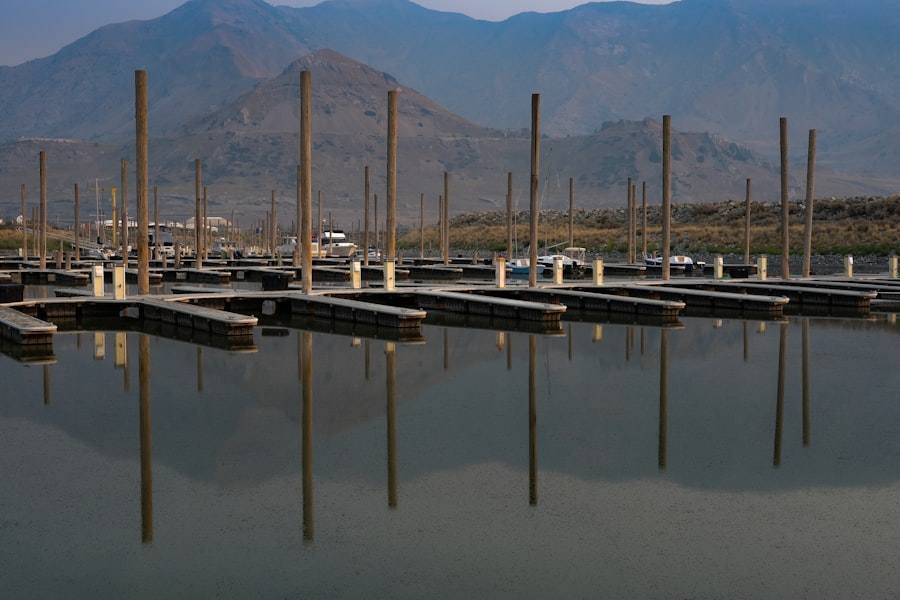
For boaters and water sports enthusiasts, the Great Salt Lake has always presented a unique challenge due to its high salinity, requiring specialized equipment and procedures. However, its vastness and relatively untouched nature have also been a draw. As the lake level drops, boat ramps are becoming unusable, forcing marinas to relocate or cease operations entirely. The effective “playground” for boaters is shrinking, diminishing the appeal for both local residents and visiting tourists. This directly impacts businesses that cater to these activities, such as boat rental companies, marinas, and marine supply stores. The closure or relocation of these facilities can lead to job losses and a decrease in tourism revenue.
Angling and the Brine Shrimp Economy: A Silent Collapse
The Great Salt Lake supports a unique and commercially valuable fishery, primarily focused on brine shrimp. These tiny crustaceans are a vital food source for migratory birds and also a significant export commodity, harvested for aquaculture feed worldwide. The brine shrimp industry, though less visible to the general public than recreational boating, represents a considerable economic driver. The brine shrimp harvest is directly tied to the lake’s salinity and volume. As the lake shrinks and salinity fluctuates, the brine shrimp population can be severely impacted, leading to reduced harvests and economic hardship for the companies involved and their employees.
Birdwatching and Wildlife Tourism: A Fading Spectacle
The Great Salt Lake is a critical stopover point for millions of migratory birds along the Pacific Flyway. This makes it a world-renowned destination for birdwatchers and wildlife photographers. The influx of these enthusiasts supports local economies through accommodation, dining, and the purchase of related goods and services. However, the drying lake bed exposes vast areas of mudflats that were once shallow water habitats. This loss of habitat directly threatens the bird populations that rely on the lake, diminishing the spectacle and, consequently, the appeal for birdwatching tourism. As the avian populations decline, so too will the economic benefits derived from their presence. The lake’s role as a vital ecological reservoir is thus directly linked to its value as a tourist destination.
The Dust Bowl Threat: Air Quality and its Economic Repercussions
One of the most insidious and far-reaching economic impacts of the Great Salt Lake’s decline is the exacerbation of dust storms. As the lake bed dries, it exposes vast tracts of alkaline, salt-laden sediment. Prevailing winds can then whip this material into the air, creating dust storms that carry significant health and economic consequences for the entire Wasatch Front region. This is not merely an environmental concern; it is an economic threat that can cripple businesses and diminish the quality of life, driving away both residents and investment.
Respiratory Illnesses and Healthcare Costs: A Public Health Burden
The fine particles carried in these dust storms pose serious respiratory health risks. Increased exposure can lead to a rise in asthma attacks, bronchitis, and other respiratory ailments. This translates directly into increased healthcare costs for individuals and the broader public health system. For businesses, this can mean higher insurance premiums, increased absenteeism among employees, and decreased productivity. The economic burden of treating dust-related illnesses is a significant, albeit often indirect, cost of the shrinking lake.
Impact on Businesses: Productivity Losses and Operational Disruptions
Beyond direct health impacts, dust storms can have a tangible effect on business operations. The fine particulate matter can damage sensitive equipment, contaminate products in manufacturing facilities, and require frequent and costly cleaning. Construction projects can be brought to a standstill during dust storms, leading to delays and increased costs. Businesses that rely on outdoor operations, such as agriculture or outdoor retail, can experience significant revenue losses. The sheer inconvenience and unpleasantness of living in a dust-laden environment can also deter potential employees and residents, impacting the region’s ability to attract and retain talent.
Real Estate Values and Investment Climate: A Deterrent to Growth
The prospect of recurring dust storms and the associated health and environmental concerns can negatively impact property values. Homes and businesses in areas prone to dust accumulation may become less desirable, leading to a stagnation or decline in real estate markets. This can, in turn, discourage new investment and hinder economic development. A region perceived as environmentally challenged and unhealthy may struggle to attract the businesses and skilled workforce needed for long-term prosperity. The dust, therefore, acts like a visible scar, an unspoken deterrent to economic vitality.
Agricultural Strain: Water Scarcity and Shifting Cultivation Patterns
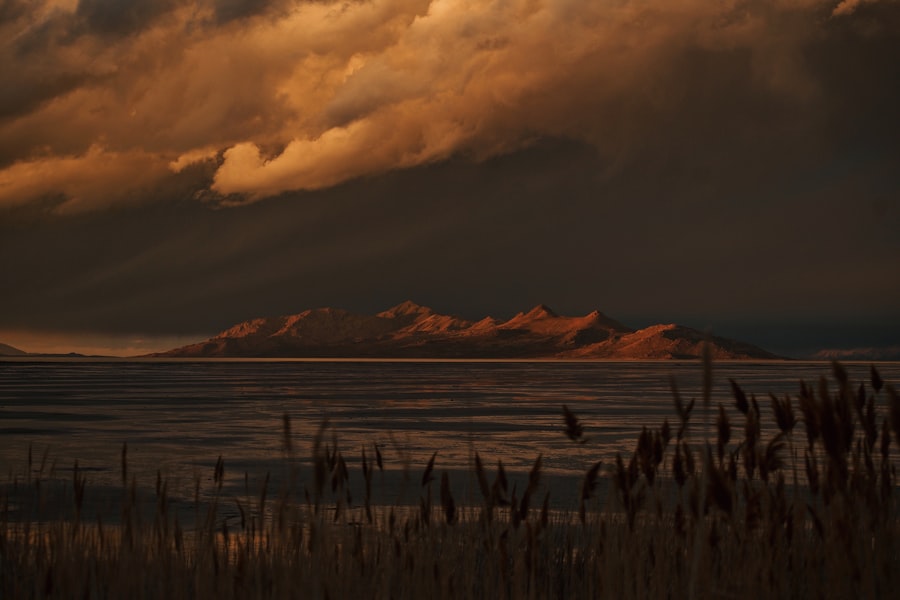
The Great Salt Lake is intrinsically linked to the water resources of the surrounding region, and its decline signals a broader crisis of water scarcity. This has profound implications for agriculture, a historically significant sector in Utah. The competition for dwindling water resources intensifies as the lake recedes, forcing difficult choices upon farmers and impacting the agricultural economy.
Irrigation Demands and Water Rights: A Zero-Sum Game
Agriculture is a major water consumer, relying heavily on irrigation to sustain crops. As the Great Salt Lake shrinks, it signals a reduced inflow of fresh water into the river systems that feed farms. This creates a direct conflict between the needs of agriculture and the imperative to preserve what little water remains. Water rights, often held for generations, become increasingly contentious as the supply dwindles. Farmers may face restrictions on their water usage or be forced to purchase water on a limited market, significantly increasing their operating costs. This can make traditional farming practices economically unsustainable.
Shifting Crop Choices and Economic Viability
In response to water scarcity, farmers may be forced to shift to less water-intensive crops. While this can be a necessary adaptation, it can also alter the economic landscape of agriculture. Some crops may be more profitable or marketable than others, and a forced shift could impact farm revenues and the viability of certain agricultural businesses. The economic consequences extend beyond the farm gate, affecting related industries such as food processing, transportation, and agricultural equipment suppliers.
Livestock and Forage: A Compounding Challenge
The impact of water scarcity extends to livestock operations as well. Reduced water availability impacts the growth of forage and pasture land, essential for grazing animals. This can force farmers to purchase supplemental feed, increasing costs and potentially impacting the profitability of cattle and sheep operations. The interdependency of water resources means that the shrinking Great Salt Lake is not just an issue for farming but for the entire agricultural ecosystem.
The economic implications of the drying Great Salt Lake are becoming increasingly concerning, as the shrinking water levels pose risks not only to local ecosystems but also to the economy of the surrounding areas. As industries that rely on the lake’s resources face challenges, the potential for increased dust pollution could further impact public health and local agriculture. For a deeper understanding of these issues, you can explore a related article that discusses the broader consequences of this environmental crisis by visiting this link.
The Unseen Costs: Infrastructure, Health, and Community Resilience
| Metric | Value | Unit | Description |
|---|---|---|---|
| Annual Economic Impact | 1.3 | billion | Estimated annual economic contribution of Great Salt Lake to Utah’s economy |
| Job Losses | 10,000 | jobs | Potential jobs at risk due to drying of the lake |
| Mineral Extraction Revenue | 500 | million | Annual revenue from mineral extraction industries dependent on the lake |
| Tourism Revenue | 200 | million | Annual revenue generated from tourism related to the lake |
| Air Quality Health Costs | 150 | million | Estimated annual health costs due to dust storms from exposed lakebed |
| Wildlife Habitat Loss | 35 | percent | Percentage of habitat loss for migratory birds and other species |
| Water Diversion Impact | 50 | percent | Reduction in inflow to the lake due to upstream water diversions |
The economic impacts of the Great Salt Lake’s decline are not confined to the obvious sectors of mineral extraction and recreation. A web of less visible but equally critical costs is emerging, affecting public infrastructure, community well-being, and the long-term resilience of the region. These are the silent drains on the economy, the erosive forces that undermine prosperity.
Damaged Infrastructure: Roads, Ports, and Utilities in Peril
As the lake recedes, the infrastructure built to serve it is being left high and dry. Roads leading to former lakeside attractions are now miles from the water’s edge. Ports and marinas that facilitated waterborne commerce and recreation may become obsolete or require massive and costly relocation projects. Exposed pipelines, utility lines, and waste treatment facilities that were once submerged or adjacent to the lake are now at risk of damage from drying, expanding, and contracting soils, and from increased dust erosion. The costs associated with inspecting, repairing, and potentially relocating this infrastructure represent a substantial financial burden for state and local governments.
Public Health Costs Beyond Dust: Mental Health and Well-being
The environmental and economic stressors associated with the Great Salt Lake’s decline can have a profound impact on the mental health and well-being of the communities affected. Anxiety about future water availability, economic insecurity due to job losses or declining industries, and the visible degradation of a beloved natural resource can contribute to increased stress, depression, and other mental health challenges. While difficult to quantify directly in economic terms, the societal cost of diminished well-being and the strain on mental healthcare systems is a real and significant consequence.
Community Resilience and Economic Diversification: The Long Road Ahead
Ultimately, the economic impact of the Great Salt Lake’s drying is a challenge to the resilience of the communities that depend on its existence. The region must grapple with the need for economic diversification to lessen its reliance on industries that are directly threatened by water scarcity. This requires investment in new sectors, workforce retraining, and fostering an environment that can attract and retain businesses beyond those tied to the lake. The long-term economic success of the region will depend on its ability to adapt to these changing environmental realities and to build a more sustainable and diversified economic future. The drying lake is a stark reminder that economic prosperity is often inextricably linked to environmental health.
FAQs
What is the Great Salt Lake and why is it drying?
The Great Salt Lake is the largest saltwater lake in the Western Hemisphere, located in Utah, USA. It is drying primarily due to prolonged drought conditions, increased water diversion for agriculture and urban use, and climate change impacts reducing inflow.
What are the economic liabilities associated with the drying of the Great Salt Lake?
Economic liabilities include damage to local industries such as mineral extraction, brine shrimp harvesting, and tourism. Additionally, the drying lakebed can lead to dust storms that harm public health and increase healthcare costs, as well as damage infrastructure and reduce property values.
How does the drying of the Great Salt Lake affect local industries?
The shrinking lake reduces the availability of minerals like salt and magnesium, impacting mining operations. It also threatens the brine shrimp industry, which relies on the lake’s unique ecosystem. Tourism related to the lake’s natural beauty and recreational activities also declines as water levels drop.
What environmental consequences contribute to economic liabilities from the lake’s drying?
As the lake dries, exposed lakebed dust containing harmful chemicals can cause air quality issues, leading to increased respiratory illnesses and associated healthcare costs. Loss of habitat affects bird populations, which can impact biodiversity and related economic activities such as birdwatching tourism.
What measures are being considered to mitigate the economic liabilities of the Great Salt Lake drying?
Efforts include water conservation policies, improved water management to maintain lake inflows, restoration projects to stabilize exposed lakebeds, and investment in sustainable economic alternatives for affected industries. State and local governments are also exploring regulatory and funding mechanisms to address these challenges.