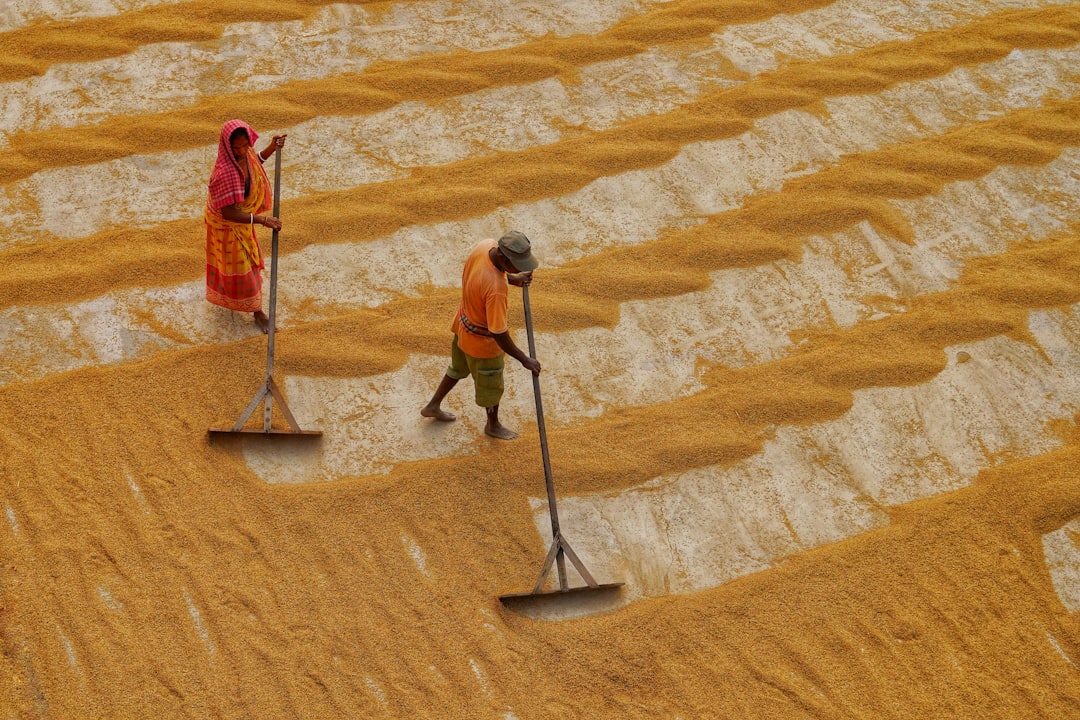
The Indonesian archipelago, a vast mosaic of over 17,000 islands, is a landscape renowned for its breathtaking beauty and unparalleled biodiversity. However, beneath the shimmering surface of its turquoise waters and the verdant embrace of its rainforests, a silent crisis is unfolding. This crisis, driven by an insatiable global demand for construction materials, is the relentless extraction of sand, a process that is slowly but surely eroding the very foundations of numerous Indonesian islands. The practice, often referred to as sand mining, is not merely an environmental concern; it is a direct assault on the geological integrity of these landmasses, threatening their existence and the livelihoods of their inhabitants.
The world’s appetite for concrete, glass, and steel, the cornerstones of modern infrastructure, is immense. Buildings scrape the sky, roads crisscross continents, and cities expand with a voraciousness that requires a constant and colossal supply of raw materials. Among these, sand stands as a foundational, yet often overlooked, component. It is the mortar that binds structures, the aggregate that forms concrete, and the smooth finish on countless surfaces. Globally, an estimated 50 billion tons of sand are consumed annually, a staggering figure that dwarfs the combined consumption of coal, oil, and natural gas. This relentless demand, like a thirsty giant, has led to a desperate search for readily accessible sources, and in many parts of the world, the shallow seabeds and coastal regions of archipelagic nations like Indonesia have become prime targets.
The Scale of Global Sand Consumption
The statistics surrounding global sand consumption are truly eye-opening. Imagine a mountain range, not of rock, but of finely granulated silica. The annual global sand extraction figure, when visualized, paints a picture of an industry of unparalleled scale. This demand is not static; it is projected to grow in line with global urbanization and infrastructure development, particularly in rapidly developing economies. This perpetual hunger for sand creates a powerful economic incentive for its extraction, often pushing environmental considerations to the periphery.
The Role of Sand in Modern Life
It is crucial to understand why sand is so indispensable to our modern way of life. Beyond its use in construction, sand finds applications in glass manufacturing, electronics production, and even in the oil and gas industry as a component of hydraulic fracturing fluids. This multifaceted utility only amplifies the pressure on natural sand reserves, making the allure of easily accessible offshore sand deposits even more potent.
The phenomenon of vanishing islands in Indonesia, largely attributed to the detrimental effects of sand mining, has raised significant environmental concerns. A related article that delves deeper into this issue can be found at My Geo Quest, where the impacts of unsustainable sand extraction on local ecosystems and communities are discussed in detail. This article highlights the urgent need for sustainable practices to protect these vulnerable islands from disappearing altogether.
The Indonesian Landscape: A Rich but Vulnerable Source
Indonesia, with its extensive coastlines stretching over 99,000 kilometers, possesses vast reserves of sand. These deposits, accumulated over millennia, are the result of complex geological processes, from the erosion of volcanic rock to the ceaseless work of ocean currents on coral reefs. For decades, these natural resources have been seen by some as an abundant and easily exploitable commodity. The ease with which sand can be dredged from shallow seabeds or scooped from beaches, coupled with its relatively low extraction cost compared to other construction materials, has made it an attractive proposition for both domestic and international markets.
The Economic Imperative and Local Dependencies
In many coastal communities across Indonesia, sand extraction has become an integral part of the local economy. For generations, communities have relied on the sea and its bounty, and sand mining, in some instances, has offered an alternative or supplementary source of income. However, this economic dependence often blinds communities to the long-term ecological consequences, creating a difficult conflict between immediate financial gain and the preservation of their ancestral lands.
The Geography of Vulnerability
The very geography of Indonesia, composed of numerous islands, many of which are low-lying atolls or volcanic in origin, makes them inherently vulnerable to the erosive forces of sand mining. Islands that are barely above sea level are particularly susceptible to the removal of protective sandbars and the destabilization of their fragile shorelines. The delicate balance that has sustained these landmasses for centuries can be easily disrupted by the aggressive suction of dredgers.
The Mechanics of Erosion: How Sand Mining Destroys Islands
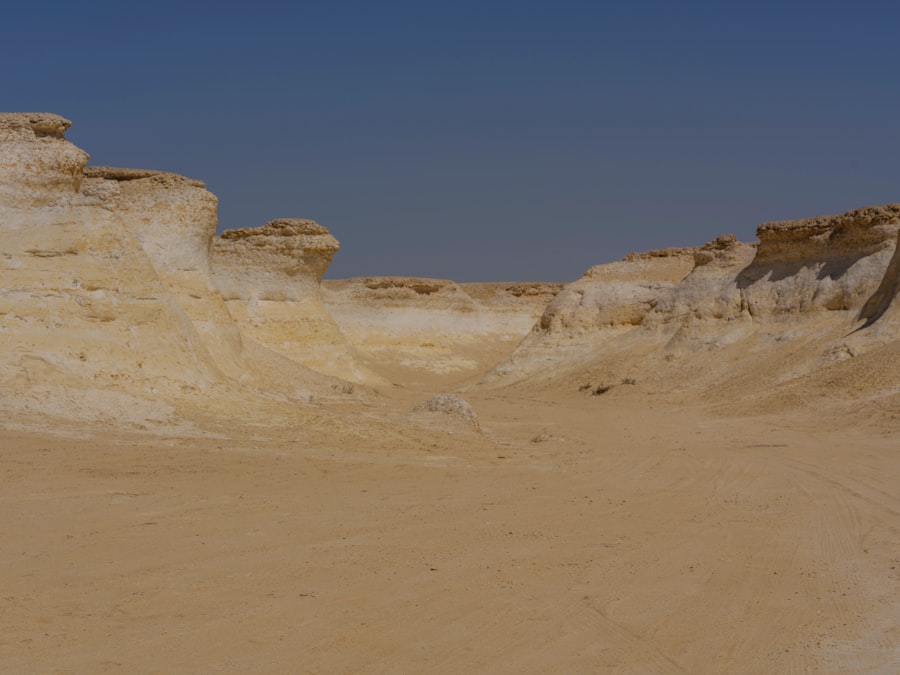
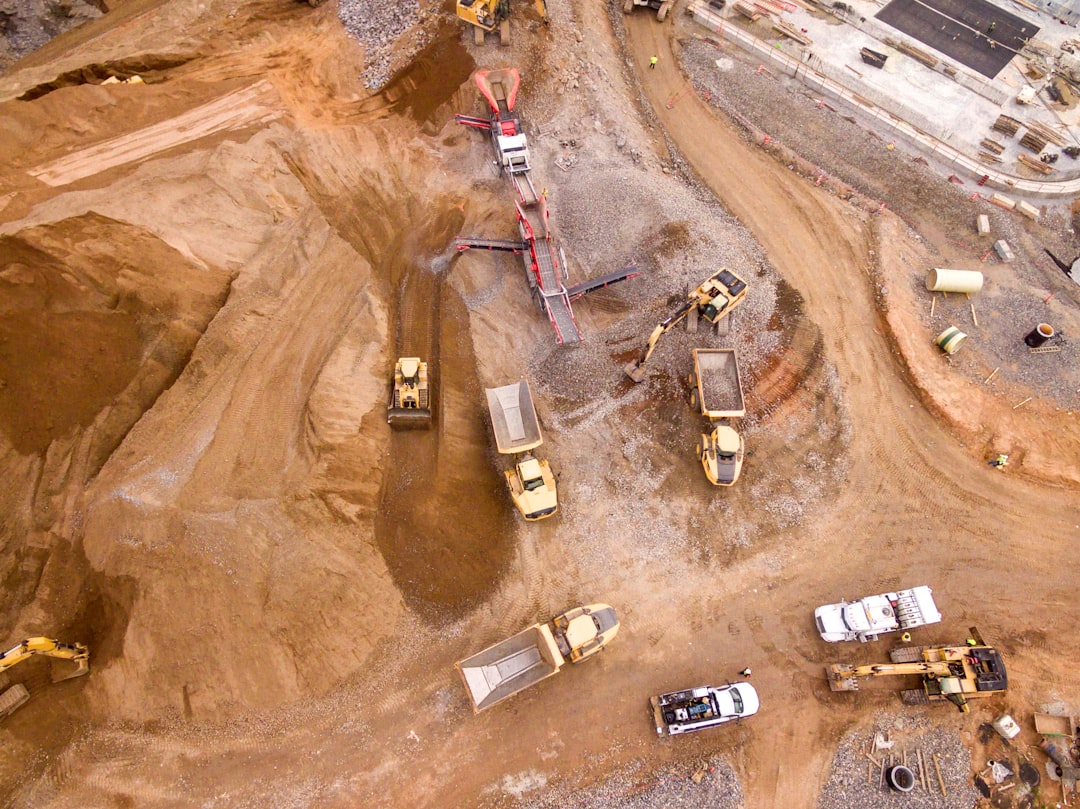
Sand mining is not a gentle harvesting process. It is a brute-force extraction that leaves behind a devastated marine environment and, critically, a weakened landmass. Large-scale sand mining operations typically employ dredgers, powerful vessels equipped with suction heads or mechanical grabs that vacuum or scoop sand from the seabed. This process can dramatically alter the underwater topography, creating deep pits and removing significant volumes of sand that act as natural barriers against coastal erosion.
Dredging: The Primary Culprit
The modus operandi of most sand mining operations involves large-scale dredging. These immense machines, akin to underwater vacuum cleaners, suck up sand with incredible force. This action not only removes the sand itself but also dislodges and destroys the marine organisms that inhabit the seabed, including coral reefs, seagrass beds, and various invertebrates. The resulting plumes of sediment cloud the water, suffocating marine life and hindering the ability of light to penetrate to the seabed, further disrupting the delicate ecosystem.
The Loss of Natural Defenses
The sand that is mined is not simply a loose deposit; it is an active participant in the island’s defense mechanism. Beaches, sandbars, and shallow seabed formations act as natural breakwaters, dissipating the energy of waves before they reach the shore. When this protective layer is removed, the full force of the ocean is unleashed upon the coastline, leading to accelerated erosion and the gradual submersion of land.
Sedimentation and its Aftermath
The dredging process also generates significant amounts of suspended sediment. This turbidity not only harms marine life by reducing light penetration and smothering organisms, but it also redeposits in areas where it can cause further damage. Eroded land gets washed away, and the removed sand, when redeposited, can smother existing ecosystems and further destabilize shorelines.
The Ripple Effect: Environmental and Social Consequences
The impact of sand mining on Indonesian islands extends far beyond the immediate physical removal of sand. It triggers a cascade of environmental degradation that has profound and often irreversible consequences for both the natural world and the human communities that depend on it. The loss of coastal habitats, the destruction of marine life, and the increased vulnerability to natural disasters all contribute to a grim picture of ecological and social disruption.
Devastation of Marine Ecosystems
The vibrant coral reefs that fringe many Indonesian islands are often collateral damage in the pursuit of sand. These underwater cities, teeming with life, are either directly destroyed by dredging or choked by sediment. Seagrass meadows, vital nurseries for fish and critical habitats for dugongs and turtles, are similarly flattened and smothered. This loss of biodiversity has a ripple effect, impacting fish populations and disrupting the entire marine food web.
Increased Vulnerability to Coastal Hazards
As the protective sand barriers are eroded, islands become increasingly exposed to the destructive power of waves and storm surges. This heightened vulnerability translates into a greater risk of coastal flooding, saltwater intrusion into freshwater sources, and the eventual inundation of low-lying areas. Islands, once resilient, become brittle, susceptible to every tempest.
Loss of Livelihoods and Displacement
For many coastal communities, fishing and tourism are the lifeblood of their economies. The degradation of marine ecosystems directly impacts fishing yields, as fish stocks decline due to habitat loss and lack of food. The erosion of beaches and the destruction of coral reefs also devastate the tourism industry, a crucial source of income for many island nations. This economic hardship can force communities to abandon their ancestral homes, leading to displacement and the erosion of cultural heritage.
The Paradox of Progress: Infrastructure at Risk
Ironically, the sand that is mined is often destined for infrastructure projects, including the very developments that may be contributing to rising sea levels and increased coastal vulnerability. This creates a perverse cycle where the resources extracted to build infrastructure to adapt to environmental change are themselves contributing to the problem, sinking the very land they are meant to protect.
In recent years, the issue of vanishing islands in Indonesia has gained significant attention, particularly due to the detrimental effects of sand mining. This practice not only erodes the coastline but also threatens the livelihoods of local communities and the rich biodiversity of the region. For a deeper understanding of this pressing environmental concern, you can read a related article that explores the implications of sand mining on Indonesia’s islands and the urgent need for sustainable practices. To learn more, visit this article.
The Path Forward: Conservation and Sustainable Alternatives
| Island Name | Location | Area Lost (hectares) | Years of Sand Mining | Estimated Remaining Area (hectares) | Impact on Local Communities |
|---|---|---|---|---|---|
| Betet Island | Riau Islands | 150 | 10 | 50 | Displacement of fishermen, loss of livelihood |
| Karang Island | North Sumatra | 80 | 7 | 20 | Increased coastal erosion, reduced fish stocks |
| Pasir Island | West Java | 120 | 12 | 30 | Flooding of nearby villages, habitat loss |
| Teluk Island | South Kalimantan | 95 | 8 | 25 | Damage to mangrove forests, decline in biodiversity |
The challenges posed by sand mining in Indonesia are immense, but not insurmountable. Addressing this crisis requires a multi-pronged approach that combines stronger regulation, increased enforcement, the development of sustainable alternatives, and the empowerment of local communities. The future of these precious islands, and the lives they sustain, hinges on making crucial choices today.
Strengthening Regulatory Frameworks and Enforcement
A significant challenge in combating illegal sand mining is the lack of robust regulatory frameworks and effective enforcement. Governments need to enact and enforce strict laws that limit or prohibit sand extraction in sensitive areas, particularly around small islands and coral reefs. This includes establishing clear guidelines for responsible sand extraction where it is deemed necessary and implementing rigorous monitoring and penalty systems for violations.
Promoting Sustainable Building Materials
The global construction industry needs to move away from its over-reliance on virgin sand. Research and development into alternative building materials, such as recycled aggregates, processed industrial by-products, and sustainable concrete formulations, are crucial. Investing in and promoting these alternatives can significantly reduce the demand for mined sand.
Empowering Local Communities and Raising Awareness
Local communities are the frontline guardians of their islands. Empowering them with knowledge about the long-term impacts of sand mining and providing them with alternative, sustainable livelihood options are essential. Raising public awareness about the issue, both domestically and internationally, can also create the social and political pressure needed for change. Supporting community-led conservation initiatives and fostering a sense of shared responsibility for the preservation of these unique ecosystems are vital steps.
International Cooperation and Policy Intervention
The demand for sand often originates far beyond Indonesian shores, with significant exports fueling construction projects in other nations. International cooperation and policy interventions are therefore necessary. Developed nations, as major consumers of construction materials, have a responsibility to ensure that their supply chains are sustainable and do not contribute to the environmental degradation of vulnerable nations. This includes stringent import regulations and support for sustainable sourcing initiatives. The seemingly mundane grains of sand represent a critical battleground in the fight for environmental preservation, and the fate of Indonesia’s disappearing islands hangs in the balance. The tide of destruction can be turned, but it requires a collective awakening and a resolute commitment to protecting these fragile gems of the ocean.
WATCH NOW ▶️ WARNING: Why the World is Running Out of Sand (And You Never Noticed)
FAQs
What is causing the vanishing of islands in Indonesia?
The primary cause of vanishing islands in Indonesia is extensive sand mining. Sand is extracted from coastal and river areas for construction and industrial use, leading to erosion and the gradual disappearance of these islands.
Why is sand mining prevalent in Indonesia?
Sand mining is prevalent in Indonesia due to the high demand for sand in construction, infrastructure development, and land reclamation projects. The country’s rapid urbanization and economic growth have increased the need for sand as a raw material.
What are the environmental impacts of sand mining on Indonesian islands?
Sand mining leads to coastal erosion, loss of biodiversity, destruction of marine habitats, and increased vulnerability to flooding and storms. It also disrupts local ecosystems and can cause the disappearance of small islands.
How does the disappearance of islands affect local communities in Indonesia?
The disappearance of islands affects local communities by displacing residents, destroying livelihoods dependent on fishing and agriculture, and increasing exposure to natural disasters. It also threatens cultural heritage and traditional ways of life.
What measures are being taken to address the issue of vanishing islands due to sand mining?
The Indonesian government and environmental organizations are implementing regulations to control sand mining activities, promoting sustainable mining practices, and conducting restoration projects. Efforts also include raising awareness and enforcing stricter penalties for illegal sand mining.