
The Great Salt Lake, once a shimmering expanse that defined the Salt Lake Valley, is dwindling at an alarming rate. This environmental crisis is not just an abstract concept for those who live in and around the capital of Utah; it is a tangible threat with far-reaching consequences for Salt Lake City’s economy, environment, and very identity. The vast body of water, a salty heart beating at the region’s core, is shrinking, its shores receding like a forgotten promise. This withdrawal signals not just a change in landscape but a fundamental shift in the quality of life for millions.
The Great Salt Lake is a terminal lake, meaning it has no outlet to the ocean. Water enters through rivers and streams but only leaves through evaporation. This inherent characteristic makes it particularly susceptible to changes in water input and climatic conditions. Decades of reduced inflow, coupled with increased demand for water and a warming climate, have created a perfect storm for the lake’s decline. Without sufficient replenishment, the delicate balance is tipping, and the lake’s surface area and volume are diminishing year after year.
Sources of Inflow: The Arteries of the Lake
The health of the Great Salt Lake is intrinsically linked to the rivers and streams that feed it. These waterways, originating in the surrounding mountain ranges, are the lake’s lifeblood.
The Bear River: The Dominant Contributor
The Bear River, the longest river in the Intermountain West, is the primary source of freshwater for the Great Salt Lake. However, significant portions of its flow are diverted for agriculture, municipal use, and industrial purposes before reaching the lake. This diversion acts like a tourniquet, restricting the vital flow needed to sustain the lake’s vastness.
The Weber and Jordan Rivers: Supporting the System
The Weber and Jordan Rivers also contribute significant freshwater to the lake. Similar to the Bear River, water from these systems is also heavily utilized for human needs, further diminishing the volume that ultimately reaches the Great Salt Lake.
Evaporation: The Insatiable Thirst
As temperatures rise, so does the rate of evaporation from the lake’s surface. The smaller the lake becomes, the greater the proportion of its surface area exposed to the sun, creating a feedback loop of shrinking. This relentless evaporation acts as a slow, steady drain, siphoning away precious water.
Climate Change: The Amplifying Factor
Global climate change exacerbates the problem. Utah is experiencing warmer temperatures and altered precipitation patterns. Longer, hotter summers and reduced snowpack in the mountains mean less water available for runoff in the spring and summer, directly impacting the rivers that feed the lake. The warming climate is essentially turning up the heat on an already stressed ecosystem.
Water Diversion: A Thirsty Population
The growing population of Utah, particularly the Wasatch Front which includes Salt Lake City, has placed an immense demand on the state’s finite water resources. Agriculture, a major economic driver in Utah, is the single largest consumer of water, and its practices are a significant factor in the reduced inflow to the Great Salt Lake.
Agricultural Water Use: The Biggest Stakeholder
Vast tracts of land are irrigated in the valleys surrounding the lake, drawing heavily from the same rivers that are meant to replenish it. While essential for food production and the rural economy, these agricultural needs, often employing less efficient irrigation techniques, represent a substantial draw.
Municipal and Industrial Demands: Meeting Urban Needs
As Salt Lake City and its surrounding communities grow, so does the demand for water for residential use, industry, and commercial activities. While often more efficient than some agricultural practices, these demands collectively add to the pressure on the limited water supply.
The alarming decline of the Great Salt Lake poses significant consequences for Salt Lake City, impacting everything from air quality to local ecosystems. As highlighted in a related article, the shrinking lake could lead to increased dust pollution, which may exacerbate respiratory issues among residents. Furthermore, the loss of the lake’s unique habitat threatens various wildlife species and disrupts the local economy, particularly industries reliant on tourism and recreation. For a deeper understanding of these pressing issues, you can read the full article [here](https://www.mygeoquest.com/sample-page/).
Ecological Devastation: A Saltwater Hearticken
The shrinking of the Great Salt Lake is not merely an aesthetic concern; it triggers a cascading ecological collapse that impacts countless species and the delicate food web reliant on this unique environment. The lake shrinks, and with it, the habitat for its inhabitants dwindles, like a tapestry unraveling thread by thread.
The Salinity Shift: A Double-Edged Sword
As the volume of water decreases, the concentration of salt in the remaining water increases dramatically. This escalating salinity poses a significant threat to the organisms that call the Great Salt Lake home.
Brine Shrimp and Brine Flies: The Foundation of Life
The Great Salt Lake’s ecosystem is built upon a foundation of brine shrimp and brine flies. These hardy invertebrates are incredibly resilient to high salinity and are the primary food source for migratory birds. As salinity exceeds their tolerance levels, their populations crash, sending shockwaves up the food chain.
Bird Habitat Loss: A Migratory Crisis
The Great Salt Lake is a critical stopover point for millions of migratory birds on the Pacific and Central Flyways. Its shallow waters and abundant brine shrimp and flies provide essential feeding and resting grounds. As the lake recedes and becomes too saline, these vital habitats disappear, disrupting ancient migration routes and imperiling bird populations. The birds, like feathered pilgrims, are finding their sacred resting spots vanishing.
Impacts on Aquatic Life: A Desertification of the Depths
Beyond brine shrimp and flies, the lake supports other specialized aquatic life. Increased salinity and reduced water levels can lead to oxygen depletion and the collapse of these communities, transforming sections of the lake into increasingly inhospitable environments.
Public Health Perils: Dust Devils of Danger
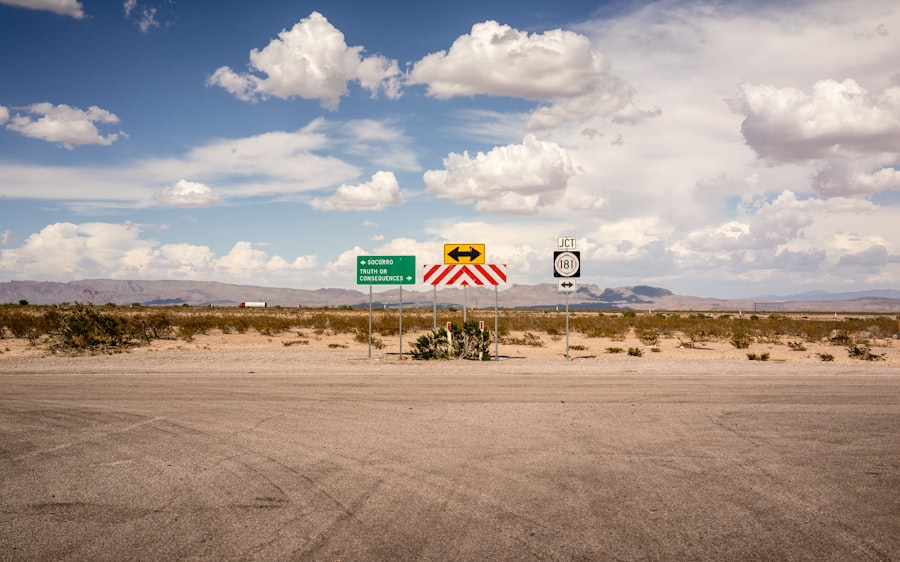
The receding shores of the Great Salt Lake do not simply reveal more mudflats; they expose vast areas of lakebed that have accumulated mineral deposits and salts over millennia. As these exposed sediments dry and are picked up by the wind, they become a significant public health concern for Salt Lake City and surrounding areas.
Dust Storms and Air Quality: A Breath of Toxic Trouble
As the lakebed dries, it becomes a source of airborne dust. This dust can contain naturally occurring toxins, such as arsenic, and heavy metals deposited by industrial activities over the past century. When winds whip these particles into the air, they create dust storms that can dramatically degrade air quality in populated areas. Breathing this dust is like inhaling tiny shards of the lake’s past, carrying with them potential health risks.
Arsenic and Heavy Metals: A Legacy of Contamination
The lakebed sediment, once submerged, acts as a natural repository for various chemicals. When exposed, these contaminants can become airborne. Arsenic, a naturally occurring element, is a particular concern, as are other heavy metals that may have accumulated from historical mining and industrial activities.
Respiratory Issues: A Burden on Lungs
Inhaling fine particulate matter, especially dust laden with toxins, can exacerbate existing respiratory conditions like asthma and bronchitis. It can also contribute to new respiratory problems and other long-term health issues for residents, particularly children and the elderly, who are more vulnerable.
Salty Lagoons: A New Breeding Ground for Algae
As the lake shrinks, it can create smaller, more concentrated saline lagoons. These conditions can sometimes lead to harmful algal blooms, which further degrade water quality and can pose risks to human and animal health if the toxins enter the food chain or drinking water sources.
Economic Fallout: A City’s Golden Goose Limping

The Great Salt Lake is not just an environmental marvel; it is a significant economic engine for Salt Lake City and the wider Utah economy. Its decline threatens industries that rely on its unique characteristics and the tourism it attracts. The lake’s economic contributions are like a rich vein of gold, and as it dwindles, so does the wealth it generates.
Mineral Extraction: A Salty Treasure Trove
The Great Salt Lake is a vital source of minerals, including magnesium, potassium sulfate, and sodium chloride. Several companies have operations on the lake’s shores, extracting these valuable resources.
Magnesium Production: A Pillar of Industry
Utah is the only producer of magnesium metal in North America, and the Great Salt Lake is the primary source of this industry. The shrinking lake and increasing salinity could impact the efficiency and viability of these extraction processes, potentially leading to job losses and reduced economic output.
Potash and Sodium Chloride: Essential Commodities
The lake also provides essential agricultural and industrial chemicals. Changes in salinity and surface area can affect the economics and logistics of extracting these salts, impacting supply chains and the profitability of these businesses.
Tourism and Recreation: A Faded Lure
The Great Salt Lake, even with its salty nature, has attracted tourists and recreational users who enjoy its unique landscapes, boating, and the novelty of floating in its dense waters.
Boating and Water Sports: Shelves of Dryness
As water levels drop, boat ramps become inaccessible, and navigation becomes impossible in many areas. This severely limits opportunities for boating, fishing, and other water-based recreational activities that draw visitors to the region. The once-open waters are becoming a mosaic of dry land.
Natural Wonders: Evaporated Attractions
The otherworldly landscapes of the Great Salt Lake, including its islands and shorelines, are a draw for photographers and nature enthusiasts. As the lake recedes, these unique natural attractions may be altered or diminished, impacting the region’s appeal to tourists seeking natural beauty.
Real Estate and Development: Soggy Foundations of Uncertainty
The proximity of Salt Lake City to the Great Salt Lake influences property values and development potential. The shrinking lake and the associated environmental and health risks can create uncertainty for real estate investors and developers.
Shoreline Erosion and Access: Retreating Boundaries
As the lake recedes, it can expose previously submerged land. However, the drying lakebed can also lead to increased erosion and instability of the shoreline, potentially impacting coastal infrastructure and properties.
The alarming disappearance of the Great Salt Lake has raised significant concerns for Salt Lake City, impacting everything from local ecosystems to air quality. As the lake shrinks, it exposes toxic dust that can affect the health of residents, while also threatening the region’s water supply and economy. For a deeper understanding of the potential consequences and ongoing discussions surrounding this issue, you can read a related article on the topic at My Geo Quest, which explores the broader implications of the lake’s decline for the surrounding communities.
The Call to Action: Charting a Course for Survival
| Consequence | Description | Impact on Salt Lake City | Potential Metrics |
|---|---|---|---|
| Air Quality Deterioration | Exposed lakebed releases toxic dust and pollutants into the air. | Increased respiratory illnesses and asthma cases among residents. | PM2.5 levels increase by up to 50%, hospital admissions for respiratory issues rise by 20% |
| Water Supply Reduction | Decline in lake water affects local water availability and quality. | Strain on municipal water resources and increased water restrictions. | Lake volume decrease by 70%, municipal water usage restrictions increased by 30% |
| Economic Impact | Loss of tourism and recreation related to the lake. | Decrease in local business revenue and job losses in tourism sector. | Tourism revenue drops by 40%, unemployment in tourism sector rises by 15% |
| Ecological Damage | Loss of habitat for migratory birds and aquatic species. | Reduction in biodiversity and disruption of local ecosystems. | Bird population decline by 60%, fish species diversity reduced by 50% |
| Climate Effects | Changes in local microclimate due to loss of lake’s moderating influence. | Increased temperature extremes and altered precipitation patterns. | Average summer temperature increase by 2°F, annual precipitation decrease by 10% |
The challenges posed by the disappearing Great Salt Lake are significant, but not insurmountable. Addressing this crisis requires a multi-faceted approach involving policy changes, technological innovation, and a fundamental shift in public perception and behavior. The lake’s future, and that of Salt Lake City, depends on the actions taken now, like a ship needing a skilled hand at the helm to navigate treacherous waters.
Water Conservation: A Thrifty Approach to a Precious Resource
The most immediate and impactful solution is to reduce water consumption across all sectors. This involves both individual behavioral changes and larger-scale policy initiatives.
Residential Conservation: Every Drop Counts
Encouraging and incentivizing water-wise practices in homes, such as xeriscaping, fixing leaks, and reducing outdoor watering, can collectively make a substantial difference. Public awareness campaigns are crucial to foster a culture of conservation.
Agricultural Efficiency: Reimagining Irrigation
Implementing more efficient irrigation techniques in agriculture, such as drip irrigation and precision watering, can significantly reduce water usage without necessarily sacrificing crop yields. This requires investment and support for farmers to adopt these technologies.
Policy and Legislation: Guiding the Flow
Governmental policies and legislative actions are essential to manage water resources effectively and protect the Great Salt Lake.
Water Rights Reform: Reallocating Resources
Reviewing and potentially reforming water rights laws to prioritize the long-term health of the Great Salt Lake is a critical step. This could involve mechanisms for transferring water rights to environmental instream flows.
Incentives for Conservation: Rewarding Prudent Use
Creating financial incentives for individuals, businesses, and agricultural producers to conserve water can encourage the adoption of water-saving measures. This could include rebates for efficient appliances or tax breaks for adopting water-saving technologies.
Innovation and Technology: Pioneering Solutions
Technological advancements offer promising avenues for increasing water availability and efficiency.
Water Reclamation and Reuse: Second Life for Water
Expanding the capacity and efficiency of wastewater treatment plants to reclaim and reuse treated water for industrial or even certain agricultural purposes can reduce the demand on freshwater sources.
Desalination Research: A Distant Horizon
While technically challenging and energy-intensive, research into desalination technologies, particularly for brackish water found in the wider Great Salt Lake ecosystem, could offer a long-term solution, though it remains an expensive and complex undertaking.
Public Awareness and Education: Cultivating a Water Ethic
Raising public understanding of the Great Salt Lake’s importance and the dire consequences of its decline is paramount. An informed public is more likely to support and participate in conservation efforts. Initiatives that educate about the lake’s ecological, economic, and health impacts are vital.
The Great Salt Lake is a complex and vital ecosystem that supports life and livelihoods in Utah. Its current trajectory is a stark warning, a siren song of environmental distress. The receding waters are a mirror reflecting not only ecological changes but also the interconnectedness of human activity and natural systems. For Salt Lake City, the health of this magnificent, albeit shrinking, lake is inextricably linked to its own future prosperity and well-being. The choices made today will determine whether the glistening expanse of the Great Salt Lake becomes a distant memory or a sustained, vibrant reality for generations to come.
FAQs
What is causing the Great Salt Lake to disappear?
The Great Salt Lake is shrinking primarily due to prolonged drought, increased water diversion for agriculture and urban use, and climate change, which reduces the inflow of water from rivers and precipitation.
How does the shrinking of the Great Salt Lake affect Salt Lake City’s water supply?
The lake’s decline can impact the regional water cycle and reduce the availability of water resources, potentially leading to stricter water usage regulations and challenges in maintaining a sustainable water supply for Salt Lake City.
What environmental consequences does the disappearance of the Great Salt Lake have?
As the lake shrinks, it exposes lakebed dust that can carry harmful pollutants, disrupts habitats for migratory birds and wildlife, and alters the local climate, potentially increasing dust storms and air quality issues in the Salt Lake City area.
How might the economy of Salt Lake City be impacted by the Great Salt Lake disappearing?
The lake supports industries such as tourism, mineral extraction, and recreation. Its disappearance could lead to job losses, reduced tourism revenue, and economic challenges for businesses dependent on the lake’s ecosystem.
What measures are being taken to address the Great Salt Lake’s decline?
Efforts include water conservation initiatives, policies to reduce water diversion, habitat restoration projects, and scientific research aimed at understanding and mitigating the impacts of the lake’s shrinking to protect the environment and local communities.