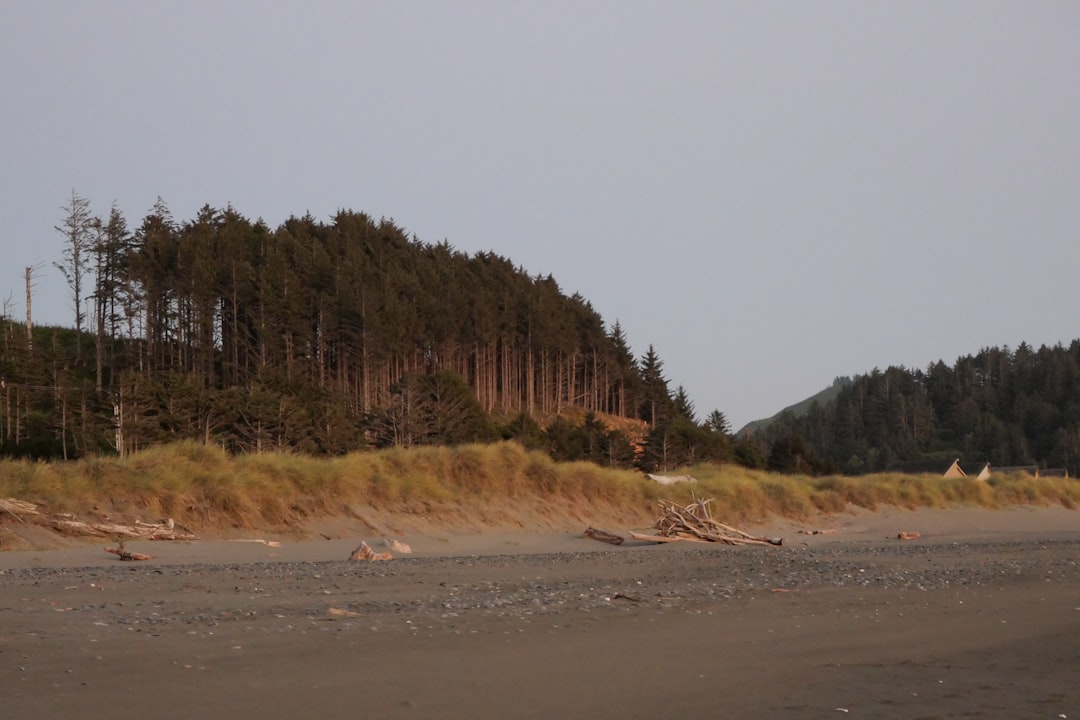
The Mississippi River Delta, a vast and intricate tapestry of wetlands, barrier islands, and estuaries, is a critical natural resource, a cradle of biodiversity, and a vital economic engine for the United States. For millennia, this region has been a dynamic landscape, shaped and reshaped by the Mississippi River’s sediment-laden waters. However, in recent decades, the delta has been experiencing a catastrophic loss of land, a phenomenon with far-reaching consequences that threaten both ecological stability and human communities. This ongoing crisis, often described as America’s Wetland Crisis, stems from a complex interplay of natural processes and human interventions, creating a perfect storm that is literally eroding the very foundations of this unique ecosystem.
The Dynamics of Delta Formation and Degradation
Understanding the current land loss necessitates a brief examination of how the Mississippi River Delta originally formed and the delicate balance that sustained it. The recent developments in the Mississippi River infrastructure have significantly improved transportation efficiency.
Natural Delta Building Processes
For thousands of years, the Mississippi River, acting as a geological conveyor belt, transported immense quantities of sediment—silt, sand, and clay—from the continental interior down to the Gulf of Mexico. As the river met the slower-moving waters of the Gulf, these sediments were deposited, gradually building new land. This process was not linear; the river would periodically switch its deltaic lobe, seeking the steepest gradient to the sea, thereby distributing sediment across a broad geographic area. These natural divergences were the primary architects of the delta, creating the extensive marshlands and barrier islands we recognize today. These processes created a dynamic equilibrium, where new land was built, even as some older land subsided or eroded.
Human Interventions and Their Impact
The intricate balance of delta building was dramatically disrupted by human engineering, primarily in the 20th century. While these interventions aimed to improve navigation and flood control, they inadvertently set in motion a cascade of negative consequences.
Levee Construction and Sediment Starvation
The construction of extensive levee systems along the Mississippi River, designed to protect communities and facilitate navigation, effectively severed the river from its floodplain. This seemingly beneficial act had a devastating side effect: it prevented the natural overbank flooding that once nourished the delta with a continuous supply of sediment. Instead of fanning out into the marshes, the river’s sediment is now largely channeled directly into the deep waters of the Gulf of Mexico, lost to the delta-building process. Imagine a garden hose pointed solely at the sidewalk instead of sprinkling its life-giving water across the thirsty plants – that is the effect of the levee system on the delta’s sediment supply.
Canal Dredging and Saltwater Intrusion
The proliferation of canals, dredged for navigation, oil and gas exploration, and pipeline installation, has further exacerbated the problem. These artificial waterways act as conduits for saltwater intrusion into freshwater marshes. Freshwater marsh vegetation is highly susceptible to salinity, and as saltwater penetrates deeper into the delta, these plants die off, their root systems no longer holding the soil together. This leads to increased erosion and the conversion of productive marshland into open water. Think of these canals as surgical incisions into the delta’s protective skin, allowing a corrosive substance to permeate its internal structure.
Subtraction of Water and Sediment through Diversions
While large-scale diversions are now proposed as a solution to land loss, historical diversions, particularly those upstream for agricultural irrigation or other human uses, have contributed to a net reduction in the overall volume of water and sediment reaching the delta over time. Though not as significant as the leveeing of the main stem, these smaller subtractions collectively reduce the delta’s raw materials for resilience.
The Visible Wounds of Land Loss
The consequences of these disruptions are starkly evident across the Mississippi River Delta, transforming a vibrant ecosystem into a landscape dotted with ghost towns and disappearing shores.
Eroding Barrier Islands
The barrier islands, once robust natural defenses against storm surge and wave action, are rapidly disappearing. These islands act as the delta’s first line of defense, absorbing the brunt of hurricane impacts and protecting the inner wetlands. Their erosion is a direct result of sediment starvation and the increasing force of waves generated by a more open water environment. As these islands shrink, the mainland becomes increasingly vulnerable, akin to a castle losing its outer walls.
Marshland Conversion to Open Water
Perhaps the most dramatic manifestation of land loss is the transformation of vast expanses of lush marshlands into open water. This process, known as marsh drowning, is driven by a combination of subsidence, saltwater intrusion, and erosion. As the protective vegetation dies and the soil subsides, the land literally sinks below sea level, becoming submerged. This loss of marsh habitat has profound implications for biodiversity and coastal protection.
Hypoxia and Dead Zones
The degradation of marshland contributes to the phenomenon of hypoxia, or “dead zones,” in the Gulf of Mexico. Healthy marshes act as natural filters, absorbing nutrients and pollutants. When marshes disappear, these substances flow unimpeded into the Gulf, fueling algal blooms. When these blooms die and decompose, they consume oxygen, creating areas where marine life cannot survive. This cascade demonstrates the interconnectedness of the delta’s ecosystems with the larger Gulf environment.
Subsidence: The Sinking Foundation
Subsidence, the gradual sinking of land, is a natural process in deltaic environments. However, in the Mississippi River Delta, human activities have exacerbated this phenomenon to alarming levels.
Natural Geologic Compaction
Naturally, freshly deposited sediments are unconsolidated and water-rich. Over time, as more sediment is deposited above them, the lower layers compact, expelling water and leading to a gradual sinking of the land surface. This natural compaction is a slow, ongoing process.
Accelerated Compaction Due to Lack of Sediment Refreshment
With the cessation of regular sediment input from the Mississippi River, the delta is no longer being adequately replenished. This means that the rate of subsidence now significantly outpaces the rate of natural land building. The delta is effectively in a state of terminal decline, continuously sinking without the material necessary to maintain elevation. It is like a slowly deflating balloon without air to reinflate it.
Fluid Withdrawal
The historical and ongoing extraction of subsurface fluids, including oil, gas, and groundwater, has also contributed to subsidence in localized areas. As these fluids are removed, the underlying geologic formations can compact, leading to a lowering of the land surface. While not the primary driver of region-wide subsidence, it adds to the cumulative impact.
Ecological Catastrophe and Biodiversity Loss
The Mississippi River Delta is a biodiversity hotspot, supporting an incredible array of plant and animal life. The ongoing land loss is unraveling this intricate web of life, pushing many species toward extinction.
Habitat Destruction and Species Decline
The destruction of marshlands and barrier islands eliminates critical habitats for numerous species, including migratory birds, marine organisms, and commercially important fisheries.
Impact on Migratory Birds
The delta serves as a vital stopover point and wintering ground for millions of migratory birds along the Mississippi Flyway. As marshes disappear, these birds lose crucial feeding and resting areas, impacting their survival rates and potentially disrupting continent-wide migratory patterns. Imagine an international airport suddenly closing down without warning for millions of travelers.
Fishery Collapse and Economic Repercussions
The delta’s estuaries and marshes are the nurseries for many commercially important species, including shrimp, oysters, and various fish. As these habitats degrade, breeding grounds are lost, leading to declining fish stocks and severe economic repercussions for the fishing industry. This represents not just an ecological loss, but a devastating blow to a culture and economy built on the abundance of the sea.
Increased Vulnerability to Storms
With the protective buffer of wetlands and barrier islands diminishing, the delta and its human inhabitants are increasingly exposed to the devastating power of hurricanes and tropical storms.
Reduced Storm Surge Protection
Healthy wetlands and barrier islands act as natural storm surge attenuators, absorbing wave energy and slowing down floodwaters. Their loss leaves coastal communities directly exposed to higher and more destructive storm surges, increasing the risk of property damage and loss of life. The delta’s natural armor is being stripped away, leaving its soft underbelly exposed.
Intensified Erosion During Storm Events
During major storm events, the already weakened delta is subjected to incredibly powerful forces that further erode remaining landmasses. The combination of high winds, strong currents, and storm surge can carve away significant chunks of coastline in a single event, accelerating the overall land loss process.
Economic and Social Consequences
The land loss crisis extends far beyond ecological concerns, impacting the livelihoods, homes, and cultural heritage of millions.
Threats to Coastal Communities and Infrastructure
Many communities in coastal Louisiana are directly built on or adjacent to vulnerable land. As the land disappears, homes, businesses, and essential infrastructure are increasingly at risk of flooding, subsidence, and eventual submergence.
Relocation and Displacement
The ongoing nature of land loss means that some communities are facing the difficult reality of relocation and displacement. This process is not merely a logistical challenge but involves the profound loss of cultural connections, ancestral lands, and community identity. Imagine the emotional toll of having generations of your family’s history slowly swallowed by the sea.
Damage to Energy Infrastructure
The Mississippi River Delta is home to a vast network of oil and gas infrastructure, including pipelines, wellheads, and refining facilities. Land loss and increased storm vulnerability pose significant risks to this infrastructure, with potential for widespread environmental contamination and disruptions to the nation’s energy supply.
Loss of Cultural Heritage
The delta’s unique culture, shaped by its environment and diverse populations, is inextricably linked to the land. As the land disappears, so too do the traditions, practices, and historical sites that define this vibrant heritage. From indigenous communities to Cajun and Creole populations, the land loss represents an existential threat to their very way of life. The delta is not just dirt and water; it is a repository of human stories.
Efforts Towards Restoration: A Race Against Time
Recognizing the urgency of the situation, significant efforts are underway to restore the Mississippi River Delta, though the scale of the challenge remains immense.
Sediment Diversions: Reconnecting the River
The most ambitious restoration strategy involves the construction of large-scale sediment diversions. These engineered structures aim to reintroduce Mississippi River water and sediment into starved deltaic basins, mimicking the natural delta-building processes that created the land initially.
Challenges and Trade-offs
While offering the greatest potential for land building, sediment diversions face significant challenges. They require enormous financial investment, complex engineering, and careful management to minimize impacts on existing ecosystems, particularly oyster beds and other freshwater-sensitive resources. There are also genuine concerns from communities who fear immediate impacts on their livelihoods.
Wetland Creation and Enhancement
Smaller-scale restoration projects focus on building new wetlands or enhancing existing degraded ones using dredged material. This involves strategically placing sediment to create new marsh platforms and planting vegetation to stabilize the soil.
Limits and Localized Benefits
While effective at a local level, these creation projects cannot replace the sheer volume and continuous nature of sediment input provided by direct river diversions. They are valuable tools for targeted restoration but are not a basin-wide solution.
Barrier Island Restoration
Efforts to restore barrier islands often involve dredging sand from offshore sources and placing it on eroding islands, followed by intense planting of dune vegetation. This aims to rebuild the delta’s protective outer shell.
Sustained Maintenance Requirements
Barrier island restoration is a continuous battle against wave action and erosion. These projects often require regular renourishment to maintain their integrity, making them an ongoing and costly endeavor.
The devastation wrought by the loss of Mississippi River coastal land is a profound challenge, demanding sustained attention, significant resources, and collaborative solutions. As global sea levels continue to rise and extreme weather events intensify, the urgency of addressing this crisis grows daily. The fate of this iconic delta, its unique ecosystems, and its resilient human communities hinges on our collective ability to heal the wounds we have inflicted and restore the delicate balance that once sustained this invaluable natural wonder. The question, dear reader, is not if we should act, but how swiftly and decisively we will respond to this unfolding environmental tragedy.
WATCH THIS! 🚨CRACKING: Why America’s $5 Trillion Dam is Failing Right Now
FAQs
What is Mississippi River coastal land loss?
Mississippi River coastal land loss refers to the gradual disappearance of land along the Louisiana coast, primarily caused by natural processes and human activities that affect sediment supply, subsidence, and erosion.
What causes coastal land loss along the Mississippi River?
Coastal land loss is caused by a combination of factors including reduced sediment flow due to river levees and dams, subsidence (land sinking), sea-level rise, storm impacts, and human activities such as oil and gas extraction and canal dredging.
How much land has been lost along the Mississippi River delta?
Since the 1930s, Louisiana has lost approximately 1,900 square miles of coastal land, an area roughly the size of the state of Delaware, due to coastal erosion and subsidence.
Why is sediment important for the Mississippi River delta?
Sediment carried by the Mississippi River is essential for building and maintaining the delta’s wetlands and barrier islands. It replenishes land lost to erosion and subsidence, helping to sustain coastal ecosystems and protect inland areas from storm surges.
What role do levees play in coastal land loss?
Levees built along the Mississippi River prevent natural flooding, which historically deposited sediment across the delta. While levees protect communities from floods, they also reduce sediment deposition, contributing to land loss.
How does coastal land loss affect the environment?
Coastal land loss leads to habitat destruction for fish, birds, and other wildlife, reduces natural storm protection, increases saltwater intrusion into freshwater systems, and threatens the livelihoods of communities dependent on coastal resources.
What efforts are being made to address Mississippi River coastal land loss?
Restoration efforts include sediment diversion projects to redirect river sediment back into wetlands, marsh creation, barrier island restoration, shoreline protection, and policies aimed at reducing subsidence and managing water flow.
Can coastal land loss be reversed?
While complete reversal is challenging, restoration projects can slow or partially reverse land loss by rebuilding wetlands and barrier islands, improving sediment distribution, and enhancing natural resilience to erosion and sea-level rise.
How does climate change impact Mississippi River coastal land loss?
Climate change contributes to sea-level rise and increases the frequency and intensity of storms, both of which accelerate coastal erosion and land loss. It also affects precipitation patterns, potentially altering sediment delivery from the river.
Why is it important to address coastal land loss in the Mississippi River delta?
Addressing coastal land loss is critical to protecting ecosystems, preserving fisheries, safeguarding communities from flooding and storm damage, maintaining cultural heritage, and supporting the regional economy.