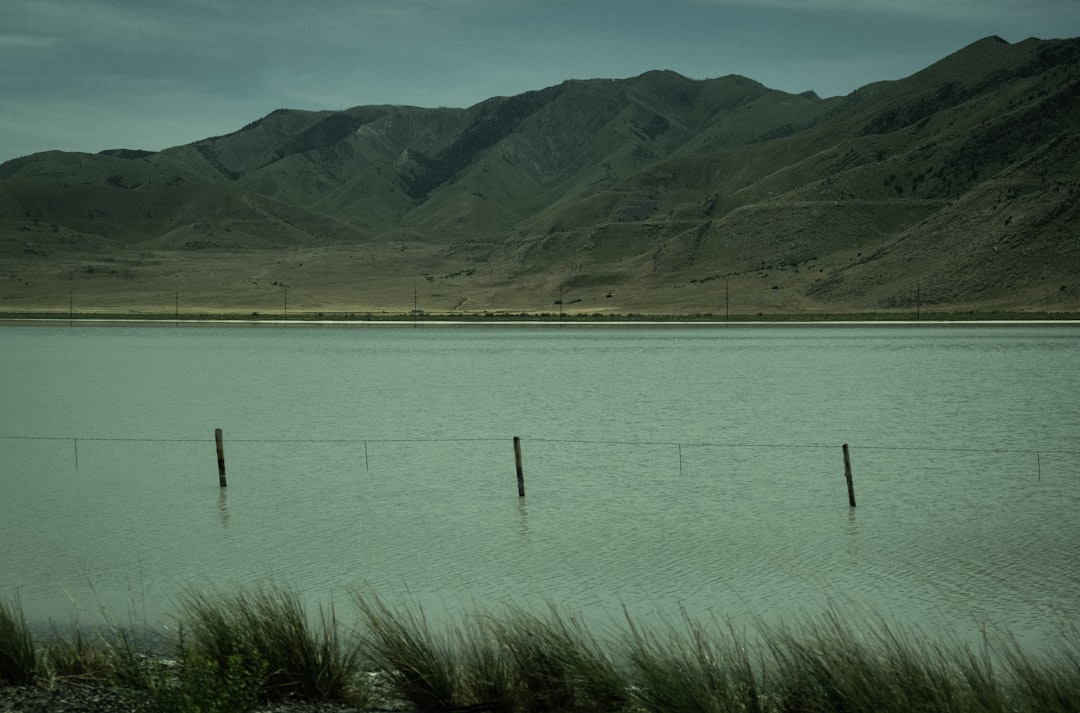
The Great Salt Lake, a terminal lake in the North American Great Basin, has long been a defining feature of the Utah landscape. Its immense surface area and unique hypersaline ecosystem have made it a subject of scientific inquiry, economic resource, and cultural touchstone for centuries. However, the last few decades have witnessed a precipitous decline in its water levels, a phenomenon with far-reaching environmental, economic, and social consequences. This article will delve into the historical trajectory of the Great Salt Lake’s desiccation, examining the multifaceted factors contributing to this ecological crisis.
Prior to European settlement, Native American tribes, primarily the Shoshone, Goshute, Ute, and Paiute, inhabited the lands surrounding the Great Salt Lake for millennia. Their relationship with the lake was one of profound respect and reliance, adapting their livelihoods to its fluctuating levels and the unique resources it offered. Historical accounts and archaeological evidence suggest a deep understanding of the lake’s cycles, which were inherently linked to regional precipitation patterns.
Indigenous Adaptations
The native peoples developed sophisticated methods for utilizing the lake’s bounty, including the harvesting of brine shrimp eggs and the hunting of migratory birds. Their settlements were often strategically located to adapt to both high and low water periods, indicating a nuanced understanding of the lake’s dynamic nature. This historical perspective highlights the long-standing ecological significance of the Great Salt Lake and the intricate relationship between human communities and this remarkable natural system.
Oral Histories and Ecological Knowledge
Passed down through generations, oral histories often contain invaluable ecological knowledge. These narratives frequently describe periods of high and low water, reflecting the inherent variability of the lake’s levels. Such early observations, though not systematically recorded in the Western scientific tradition, provide a qualitative baseline for understanding the lake’s long-term behavior. They serve as a poignant reminder of the intertwined destinies of the lake and its first human inhabitants.
The Great Salt Lake has experienced significant fluctuations in water levels over the years, leading to concerns about its ecological health and the surrounding environment. For a deeper understanding of the historical trends and factors contributing to the decline of the Great Salt Lake, you can explore a related article that discusses these issues in detail. To read more, visit this article.
European Settlement and the Dawn of Diversion
The arrival of European settlers in the mid-19th century marked a significant turning point in the Great Salt Lake’s history. Driven by agricultural ambitions and the vision of transforming thearid landscape into a fertile promised land, these pioneers embarked on extensive water diversions from the lake’s primary tributaries. This era can be likened to a slow-motion unraveling, where the threads of natural hydrology began to fray under the pressure of human endeavor.
Agricultural Expansion and Water Demands
The early Mormon settlers, led by Brigham Young, quickly recognized the agricultural potential of the valleys surrounding the Great Salt Lake. However, the arid climate necessitated widespread irrigation. Rivers such as the Bear, Weber, and Jordan, which historically fed the lake, became the lifeblood of burgeoning farms. Canals were constructed, diverting water to cultivate crops, transforming the landscape but simultaneously reducing the inflow to the terminal lake. This marks the initial and arguably most profound human impact on the lake’s water balance.
Urbanization and Municipal Water Use
As the population grew, so did the demands for municipal water. Cities like Salt Lake City, Ogden, and Provo, situated within the lake’s watershed, drew increasingly large quantities of water for domestic and industrial use. While agricultural diversions remained the dominant factor, municipal consumption added another layer of pressure to the diminishing water supply. One could consider this the slow tightening of a tourniquet around the lake’s hydrological arteries.
Early Industrial Development
The nascent industrial sector in Utah also contributed to water consumption. Mining operations, for instance, required water for processing minerals, further increasing the demand on the region’s finite water resources. These early industrial ventures, though smaller in scale than modern operations, set a precedent for resource extraction that would continue to grow.
Twentieth-Century Expansion and Escalating Reductions
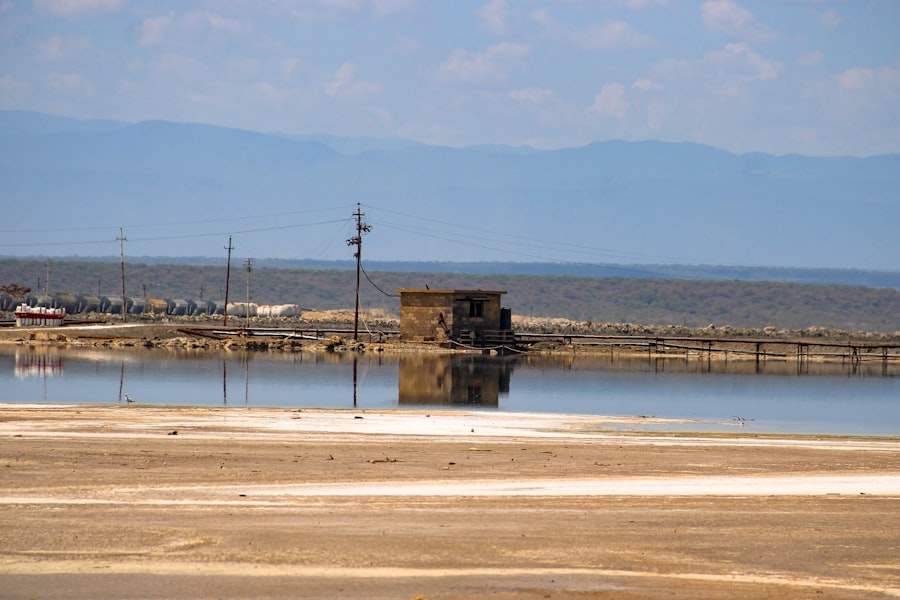
The 20th century witnessed a dramatic acceleration in water diversion projects, driven by population growth, economic development, and evolving agricultural practices. The Great Salt Lake, once a vast expanse, began to visibly recede, leaving behind salt flats and exposing ancient lake beds. This period represents a steady march towards desiccation, punctuated by moments of temporary reprieve.
Increased Agricultural Efficiency and Acreage
While advancements in agricultural technology sometimes led to more efficient water use, the overall expansion of irrigated acreage continued to increase the gross amount of water diverted. The ability to cultivate more land meant a greater overall demand on the rivers feeding the lake. This paradox of efficiency leading to higher overall consumption is a recurring theme in resource management.
Hydropower Development
The construction of dams and reservoirs for hydropower generation further altered the natural flow regimes of the lake’s tributaries. While providing valuable energy, these projects effectively controlled and regulated the water that would otherwise have reached the Great Salt Lake, further reducing its natural inflow. These dams act as gatekeepers, selectively releasing water downstream rather than allowing the free flow that historically nourished the lake.
Interstate Water Compacts
The allocation of water resources in the Western United States is often governed by complex interstate compacts. While designed to ensure equitable distribution, these agreements can inadvertently constrain the amount of water available to downstream ecosystems, including terminal lakes like the Great Salt Lake. The delicate balance between human needs and environmental requirements becomes particularly stark in such legal frameworks.
The Modern Era: Drought, Climate Change, and Compounding Factors
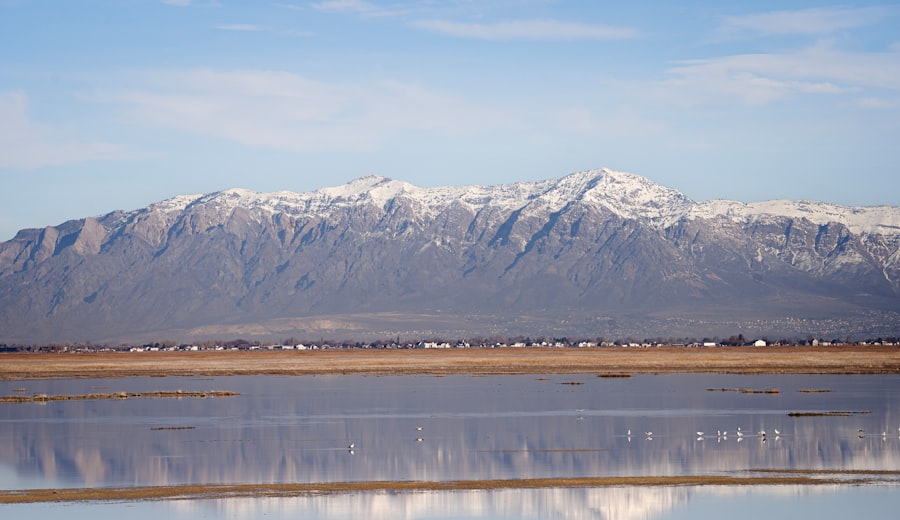
The 21st century has brought a confluence of challenges that have exacerbated the decline of the Great Salt Lake’s water levels. Prolonged drought, intensified by climate change, has amplified the impact of existing water diversions, pushing the lake to unprecedented lows. This period can be described as a crucible, testing the resilience of both the ecosystem and human communities.
Prolonged Drought Conditions
The Western United States has experienced a megadrought in recent decades, characterized by persistently low precipitation and high temperatures. This natural phenomenon, while historically recurrent, has been intensified by human-induced climate change. Less precipitation directly translates to reduced runoff into the Great Salt Lake, accelerating its decline.
Climate Change and Increased Evaporation
Rising global temperatures, primarily due to anthropogenic climate change, have a direct and measurable impact on the Great Salt Lake. Warmer air temperatures lead to increased evaporation from the lake’s surface, effectively “drinking” away its water at an accelerated rate. This additional loss compounds the effects of reduced inflows, creating a two-pronged assault on the lake’s volume.
Urban Growth and Development
The rapid population growth in the Wasatch Front region of Utah continues to place immense pressure on water resources. As urban areas expand, more water is diverted for domestic, commercial, and industrial uses, leaving less for the Great Salt Lake. This ongoing demographic shift presents a significant challenge to sustainable water management strategies. The spreading urban footprint, like a growing organism, demands ever more sustenance from the surrounding environment.
Water Rights and Management Challenges
The intricate system of water rights in Utah, largely based on the “first in time, first in right” doctrine, adds complexity to efforts to restore the Great Salt Lake. Shifting water allocations away from established users towards ecosystem needs presents significant legal, economic, and political hurdles. The historical allocation of water, often enshrined in law, acts as a formidable barrier to rebalancing the hydrological equation.
The decline in water levels of the Great Salt Lake has been a topic of concern for many years, reflecting broader environmental changes and water management issues in the region. A related article explores the historical context of this phenomenon and its implications for local ecosystems and communities. For more insights on this critical issue, you can read the full article here. Understanding the factors contributing to the lake’s decline is essential for developing effective strategies to address the challenges it presents.
Consequences of Desiccation and Future Prospects
| Year | Water Level (feet above sea level) | Change from Previous Year (feet) | Notes |
|---|---|---|---|
| 1980 | 4205.0 | — | Relatively stable water level |
| 1990 | 4198.5 | -6.5 | Beginning of gradual decline |
| 2000 | 4195.0 | -3.5 | Continued decline due to drought |
| 2010 | 4190.0 | -5.0 | Significant drop from prolonged dry conditions |
| 2015 | 4185.5 | -4.5 | Lowest levels in decades |
| 2020 | 4183.0 | -2.5 | Continued decline, exacerbated by water diversion |
| 2023 | 4180.0 | -3.0 | Record low levels, environmental concerns rise |
The declining water levels of the Great Salt Lake have triggered a cascade of environmental, economic, and public health consequences. The lake’s current trajectory poses serious threats to its unique ecosystem, regional economy, and the well-being of surrounding communities. Addressing this crisis requires immediate and sustained action, a collective commitment to altering the current course.
Ecological Impacts
The most immediate and visible consequence is the destruction of the lake’s hypersaline ecosystem. As the lake shrinks, salinity levels increase, stressing and ultimately eliminating less tolerant species. This has devastating effects on the brine shrimp and brine fly populations, which form the base of the food web. The loss of these organisms impacts the millions of migratory birds that rely on the lake as a critical stopover point. The shrinking lake is a shrinking stage for a myriad of life, with each receding foot of water diminishing the habitat for countless species.
Air Quality and Dust Storms
As the lake recedes, vast expanses of exposed lakebed become sources of toxic dust. The lakebed contains high concentrations of heavy metals and other pollutants, accumulated over decades. When these dry sediments are stirred by winds, they create hazardous dust storms that degrade air quality in the Wasatch Front, posing serious public health risks, particularly for respiratory illnesses. This is the lake’s retribution, turning its exposed wounds into instruments of harm.
Economic Repercussions
The decline of the Great Salt Lake has significant economic consequences. The brine shrimp harvesting industry, a multi-million dollar enterprise, is directly threatened by habitat loss. The ailing lake also impacts tourism and recreation, as lower water levels reduce boating and other recreational opportunities. Furthermore, property values along the shrinking shoreline are affected, and the cost of managing the environmental fallout, such as dust mitigation, continues to rise.
The Looming Challenge of Water Conservation
Addressing the decline of the Great Salt Lake necessitates comprehensive water conservation strategies across all sectors. This includes implementing more efficient irrigation techniques in agriculture, promoting water-wise landscaping in urban areas, and exploring innovative approaches to water reuse and management. The challenge lies in fostering a cultural shift towards valuing and conserving every drop.
Policy and Management Solutions
Effective policy interventions are crucial for reversing the lake’s decline. This involves revisiting existing water rights, incentivizing voluntary water conservation, and investing in infrastructure improvements that enhance water efficiency. Collaborative efforts between state and federal agencies, local communities, and tribal nations are essential to developing and implementing sustainable solutions. This is not merely a technical problem, but a complex societal challenge requiring collective resolve and shared sacrifice. The fate of the Great Salt Lake hangs in the balance, a poignant symbol of the intricate relationship between humanity and the natural world.

WATCH NOW ▶️ WARNING: The $10 Trillion Toxic Lie Killing the American West
FAQs
What has caused the decline in the Great Salt Lake water levels historically?
The decline in the Great Salt Lake water levels has been primarily caused by a combination of prolonged drought periods, increased water diversion for agricultural and urban use, and climate change impacts reducing inflow from rivers and precipitation.
How has the water level of the Great Salt Lake changed over the past century?
Over the past century, the Great Salt Lake has experienced significant fluctuations, with periods of high water levels in the mid-20th century followed by notable declines in recent decades, particularly since the early 2000s due to reduced inflows and increased water consumption.
What are the environmental impacts of the declining water levels in the Great Salt Lake?
Declining water levels have led to habitat loss for migratory birds, increased dust storms from exposed lakebed sediments, changes in salinity affecting aquatic life, and negative effects on local air quality and public health.
What measures have been taken to address the water level decline in the Great Salt Lake?
Efforts to address the decline include water conservation initiatives, improved water management policies, restoration projects, and increased monitoring to balance water use with ecological needs, though challenges remain due to competing demands.
Why is the Great Salt Lake important to the region?
The Great Salt Lake is vital for its unique ecosystem supporting millions of migratory birds, its economic contributions through mineral extraction and tourism, and its role in regional climate regulation and cultural heritage.