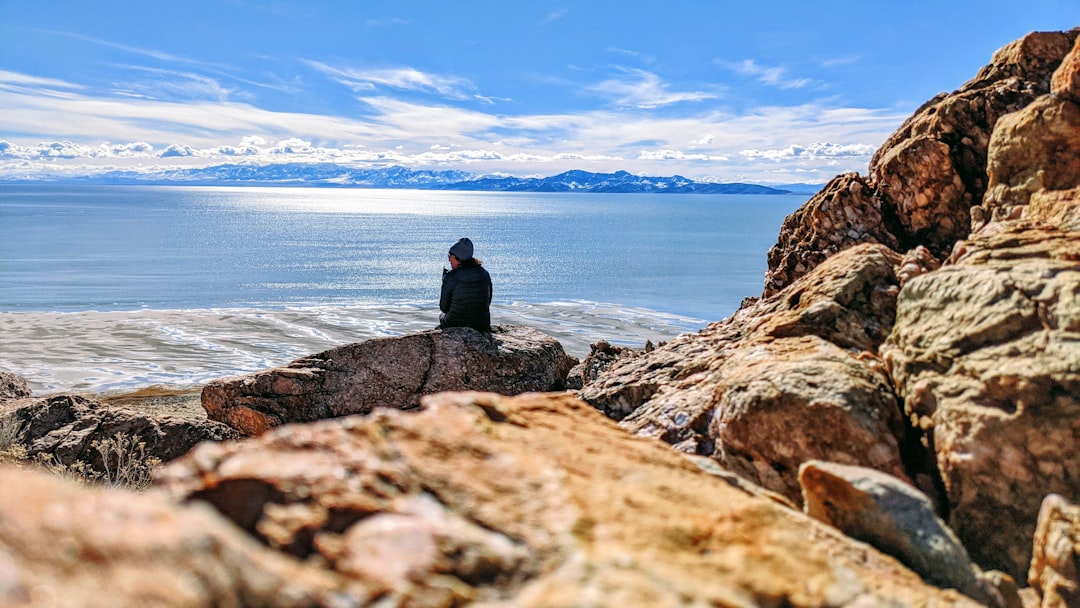
The Great Salt Lake, a shimmering expanse in the heart of Utah, is more than just a tourist attraction or a quirky natural wonder. It is a vital ecosystem, a significant economic engine, and a crucial component of the regional climate. Yet, this jewel is facing an existential crisis, a slow, creeping drought that threatens its very existence. The cost of neglecting the Great Salt Lake is not a distant hypothetical; it is a present and escalating reality, with profound implications for the environment, economy, and public health of Utah and beyond.
The visible signs of the Great Salt Lake’s distress are undeniable. Year after year, the lake’s surface area and volume have diminished, revealing vast stretches of formerly submerged lakebed. This retreat is not a natural fluctuation; it is a consequence of human activity and systemic environmental pressures. Understanding the root causes of this decline is the first step in comprehending the magnitude of the problem.
The Unseen Hand of Water Diversion
The Agricultural Thirst
A significant portion of the water that would otherwise flow into the Great Salt Lake is diverted for agricultural irrigation. Large-scale farming operations, particularly in the fertile valleys surrounding the lake, rely heavily on water drawn from the rivers and streams that feed the basin. While essential for food production, this diversion represents a substantial drain on the lake’s water supply, akin to slowly siphoning precious liquid from an already overdrawn account. The demand for irrigation water, often driven by the cultivation of water-intensive crops, has remained high, even as the lake’s water levels have plummeted.
The Thirsty Cities
Utah’s burgeoning population has also contributed to the reduction of water flowing into the lake. As urban areas expand, so does the demand for municipal water for residential use, industry, and commercial purposes. While per-capita water consumption in some urban areas has seen modest decreases in recent years, the overall growth in population continues to exert pressure on the state’s water resources. This increasing urban thirst means that less water is available to replenish the Great Salt Lake, exacerbating the deficit.
The Climate’s Cruel Joke
Beyond human diversions, global climate change plays a significant, albeit indirect, role. Rising global temperatures lead to increased evaporation rates from the lake’s surface. This means that even if water inflows remained constant, the lake would still shrink due to the relentless heat. Furthermore, altered precipitation patterns, with a tendency towards drier conditions and reduced snowfall in the mountainous regions that feed the lake’s tributaries, further diminish the water available to accumulate. The climate, in essence, is turning up the heat and turning down the rain, creating a double-edged sword for the Great Salt Lake.
The ongoing environmental challenges facing the Great Salt Lake have sparked significant debate about the cost of inaction. A related article that delves into this issue is available at My Geo Quest, where it discusses the potential ecological and economic consequences of neglecting the lake’s declining health. This piece highlights the urgency of addressing the factors contributing to the lake’s shrinkage and the implications for local communities and wildlife.
The Ecological Collapse: A Silent Crisis Unfolding
The Great Salt Lake is not merely a body of water; it is a complex and vibrant ecosystem, a critical stopover point for millions of migratory birds, and a unique habitat for specialized life forms. As the lake shrinks, this delicate balance is disrupted, leading to potentially devastating ecological consequences.
The Bird Sanctuary Under Siege
The Great Salt Lake is an internationally recognized Western Hemisphere Shorebird Reserve Network site, a vital refueling and breeding ground for millions of migratory birds each year. Species like the American Avocet, the Willet, and various species of sandpipers rely on the lake’s abundant brine shrimp and brine fly populations for sustenance during their arduous journeys. As the lake shrinks, the available habitat for these birds diminishes, making it harder for them to find food and rest. This can lead to reduced breeding success, increased mortality, and ultimately, a decline in bird populations across North America. Imagine a vast highway service station being systematically dismantled while millions of travelers are still en route; this is the predicament faced by these feathered migrants.
The Brine Shrimp and Brine Flies: The Foundation of the Food Web
The tiny brine shrimp and brine flies are the unassuming architects of the Great Salt Lake’s food web. These hardy organisms are uniquely adapted to the hypersaline environment of the lake. Billions upon billions of them form the primary food source for the vast array of birds that visit the lake, as well as for other invertebrates and even some fish species. As the lake becomes more saline due to increased evaporation and reduced inflows, the brine shrimp and brine fly populations, while resilient up to a point, face increasing stress. A collapse in their numbers would send shockwaves through the entire ecosystem, a domino effect of ecological ruin.
The Specter of Increased Salinity and Toxicity
As water evaporates and the lake shrinks, the concentration of salts and other minerals increases. This hypersalinity creates a harsher environment for the organisms that inhabit the lake, potentially pushing some species beyond their tolerance limits. Furthermore, as the lakebed is exposed, toxins that have accumulated over decades, such as arsenic, heavy metals, and pesticides, are laid bare. These toxins can be mobilized by wind, creating dust storms that carry them into nearby communities, posing a significant public health risk. The exposed lakebed, in essence, becomes a toxic treasure chest, waiting to be stirred by the winds.
The Economic Fallout: When Nature’s Bounty Withers
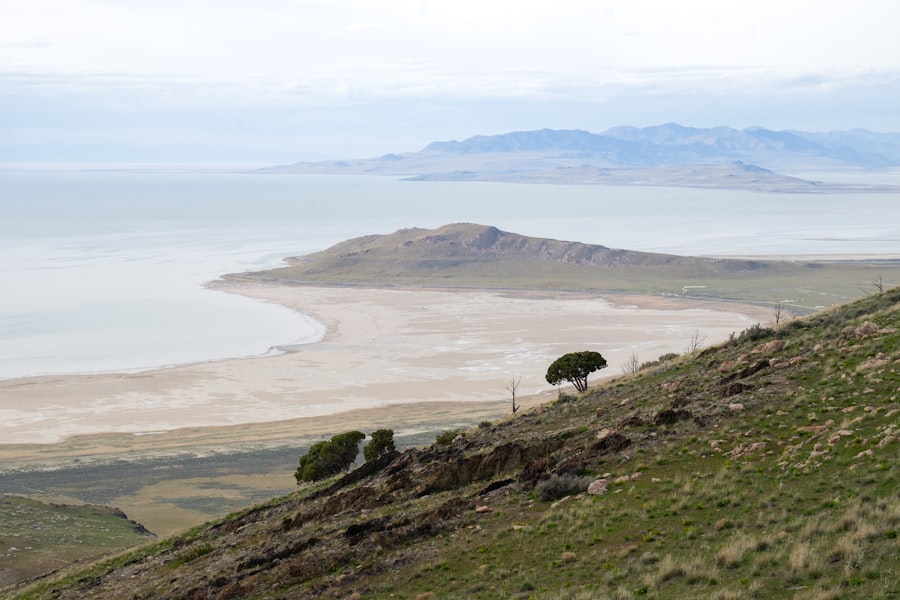
The Great Salt Lake is not just an ecological marvel; it is a significant economic asset, contributing millions of dollars to the Utah economy through various industries. The decline of the lake threatens these economic pillars, leading to job losses and reduced revenue.
The Salt Harvest: A Diminishing Return
The Great Salt Lake is a major source of salt, both for table salt and industrial applications. Companies extract mineral salts from the lake through evaporation ponds, a process that relies on the lake’s substantial water volume and saline composition. As the lake shrinks, the available area for these ponds decreases, and the concentration of extractable minerals may shift, impacting the profitability and sustainability of these operations. The salt harvest, a long-standing industry, risks becoming a relic of the past if the lake continues to recede.
The Mineral Extraction Industry: A Looming Shadow
Beyond common salt, the Great Salt Lake contains valuable minerals such as magnesium, potassium, and lithium. Companies are involved in extracting these minerals, which are essential for various industries, including agriculture, pharmaceuticals, and battery production. The economic viability of these operations is directly tied to the lake’s water volume and mineral concentrations. A shrinking lake can disrupt extraction processes, increase operational costs, and ultimately threaten the future of this burgeoning sector.
The Tourism and Recreation Losses: Empty Shores and Missed Opportunities
The Great Salt Lake attracts tourists and recreationalists who enjoy activities like boating, fishing, and birdwatching. The picturesque sunsets over the water, the unique properties of the saline environment, and the spectacle of migratory birds have all contributed to the region’s appeal. As the lake recedes, beaches are left muddy and inaccessible, boat ramps are left stranded on dry land, and many recreational opportunities diminish or disappear entirely. This translates directly into lost revenue for local businesses, hotels, restaurants, and outfitters, impacting the livelihoods of many in the surrounding communities.
The Public Health Peril: A Breath of Toxic Dust
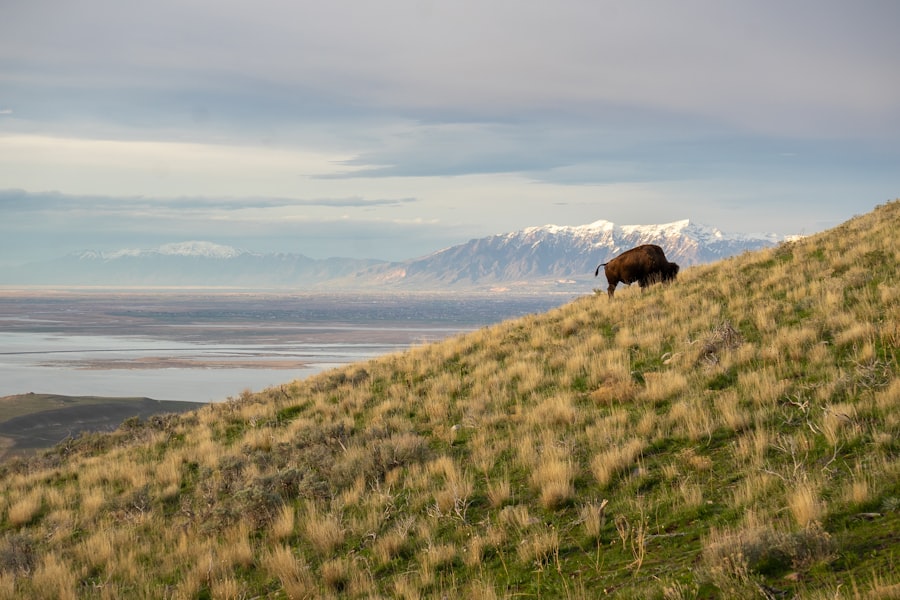
The consequences of a shrinking Great Salt Lake extend beyond the environmental and economic spheres and directly impact the health and well-being of the people who live in its vicinity. The exposed lakebed, laden with accumulated toxins, presents a tangible threat to public health, particularly in the form of windblown dust.
The Fine Particulate Matter Menace
As the lakebed dries and cracks, it becomes susceptible to wind erosion. Dust storms, carrying fine particulate matter (PM2.5), can travel for miles, blanketing urban areas and infiltrating homes and businesses. These microscopic particles are insidious; they can penetrate deep into the lungs, causing respiratory problems such as asthma, bronchitis, and emphysema. Prolonged exposure is also linked to cardiovascular issues and other serious health concerns. The once-beautiful lakebed, when stirred by the wind, becomes an airborne menace.
The Toxic Legacy Unleashed
The Great Salt Lake has acted as a natural sink for decades, collecting pollutants from agricultural runoff, industrial discharge, and atmospheric deposition. These contaminants, including arsenic, lead, mercury, and various pesticides, are now being unearthed as the lake recedes. When this toxic dust is inhaled, these hazardous substances can enter the bloodstream, leading to a range of chronic health problems. Children and individuals with pre-existing respiratory or cardiovascular conditions are particularly vulnerable. The lake, in its dying throes, threatens to release a toxic Pandora’s Box upon nearby populations.
The Growing Healthcare Burden
The increased incidence of respiratory and cardiovascular diseases linked to toxic dust exposure translates into a significant burden on the healthcare system. Longer hospital stays, increased medication costs, and the need for specialized medical care all contribute to escalating healthcare expenses for individuals, insurance providers, and government agencies. This is a silent tax levied upon public health by the neglect of the Great Salt Lake.
The ongoing environmental challenges facing the Great Salt Lake highlight the significant costs associated with inaction, as detailed in a related article that examines the implications of neglecting this vital ecosystem. As water levels continue to decline, the repercussions for local wildlife, air quality, and even public health become increasingly severe. For a deeper understanding of these issues and the potential consequences of doing nothing, you can read more in this insightful piece on My Geo Quest. Addressing these challenges is crucial not only for the lake itself but also for the communities that depend on it.
The Path Forward: A Collective Responsibility
| Metric | Value | Impact Description |
|---|---|---|
| Annual Economic Loss | 1.3 billion | Estimated loss in revenue from tourism, recreation, and mineral extraction |
| Job Losses | 5,000+ | Potential jobs lost in industries dependent on the lake’s health |
| Air Quality Degradation | Up to 10x increase in dust pollution | Exposure to harmful dust from the drying lakebed affecting public health |
| Water Level Decline | Over 50% reduction since 1980s | Significant drop in lake volume impacting ecosystem and industry |
| Wildlife Habitat Loss | Thousands of acres | Loss of critical habitat for migratory birds and native species |
| Salt Dust Emissions | Millions of tons annually | Salt dust from exposed lakebed contributing to respiratory issues |
The challenges facing the Great Salt Lake are daunting, but they are not insurmountable. Addressing this crisis requires a multifaceted approach, a commitment to conservation, sustainable water management, and proactive adaptation strategies. The cost of continuing to neglect this vital resource is simply too high to bear.
Embracing Water Conservation: Every Drop Counts
Reforming Agricultural Practices
A significant portion of the solution lies in reforming agricultural water use. Promoting drought-tolerant crops, improving irrigation efficiency through techniques like drip irrigation and precision agriculture, and incentivizing water-wise farming practices can drastically reduce agricultural water demand. Supporting farmers in transitioning to more sustainable methods, perhaps through government programs and technical assistance, is crucial. The agricultural sector must become a partner in water stewardship, not just a consumer.
Promoting Urban Water Efficiency
Urban populations also have a critical role to play. Implementing and enforcing water conservation ordinances, investing in water-efficient infrastructure, educating the public about the importance of water saving, and encouraging xeriscaping and other water-wise landscaping choices are all vital steps. A cultural shift towards valuing every drop of water, recognizing its finite nature, is essential.
Investing in Water Infrastructure and Technology
Modernizing water infrastructure, including repairing leaky pipes and canals, and exploring innovative water technologies such as water recycling and reuse, can help maximize the available water supply. Investing in technologies that can improve water quality and reduce pollution entering the lake is also paramount.
Collaborative Governance and Policy-Making
Inter-Agency Cooperation
Addressing the complex issues surrounding the Great Salt Lake requires strong collaboration among federal, state, and local agencies. Coordinated efforts in water management, environmental protection, and public health initiatives are essential. Siloed approaches will only exacerbate the problem.
Public Education and Engagement
Raising public awareness about the Great Salt Lake’s importance and the consequences of its decline is critical for building support for conservation efforts. Educating communities about water conservation, the ecological significance of the lake, and the health risks associated with its shrinkage can foster a sense of shared responsibility.
Research and Monitoring
Continued scientific research and robust monitoring of the lake’s health, water levels, salinity, and the quality of air and water are essential for informed decision-making and adaptive management strategies. Understanding the dynamics of the lake is the bedrock of any effective solution.
The Great Salt Lake stands as a stark reminder of our interconnectedness with the natural world. Its decline is not an abstract environmental issue; it is a tangible crisis with far-reaching implications for the economy, environment, and the health of millions. The cost of neglecting this vital resource is a debt that future generations will be forced to pay, potentially with interest, if we do not act decisively today. The time for platitudes has passed; the time for action, for genuine stewardship, is now. The shimmering expanse of the Great Salt Lake, once a symbol of abundance, now whispers a desperate plea for attention and conservation.
FAQs
What is the Great Salt Lake and why is it important?
The Great Salt Lake is the largest saltwater lake in the Western Hemisphere, located in Utah. It is a critical habitat for millions of migratory birds, supports local industries such as mineral extraction and brine shrimp harvesting, and plays a key role in the regional ecosystem and economy.
What does “the cost of doing nothing” refer to in the context of the Great Salt Lake?
“The cost of doing nothing” refers to the negative consequences and economic losses that could occur if no action is taken to address the environmental decline of the Great Salt Lake, including shrinking water levels, habitat loss, and increased dust pollution.
What are the main environmental issues facing the Great Salt Lake?
The main issues include declining water levels due to drought and water diversion, increased salinity, habitat degradation for wildlife, and the exposure of lakebed sediments that contribute to air pollution and health risks.
How does the decline of the Great Salt Lake impact local economies?
The decline affects industries such as mineral extraction, brine shrimp harvesting, tourism, and recreation. Reduced lake size can lead to job losses, decreased revenue, and increased costs related to environmental mitigation and public health.
What actions are being proposed or taken to address the Great Salt Lake’s decline?
Proposed actions include water conservation measures, improved water management policies, habitat restoration projects, and increased funding for research and monitoring to sustain the lake’s ecosystem and economic benefits.