
The Democratic Republic of Congo (DRC) faces a persistent challenge in providing reliable and affordable electricity to its populace. While significant hydropower potential exists, its development has been slow and fraught with difficulties. Consequently, diesel generators have become a crucial, albeit expensive, source of power for many households, businesses, and essential services across the country. This article delves into the multifaceted cost of diesel generation in the DRC, exploring its economic, social, and environmental ramifications.
The reliance on diesel generators translates into a substantial economic outlay for individuals and entities in the DRC. This burden affects multiple strata of society, from small shopkeepers to large industrial operations, effectively acting as a continuous drip of capital drainage.
Fuel Costs as the Primary Driver
The most apparent cost associated with diesel generation is the price of the fuel itself. Fluctuations in global oil prices directly impact the affordability of diesel in the DRC, often exacerbating already precarious economic situations.
Price Volatility and Its Impact
The DRC, like many nations, is subject to the whims of the international oil market. Geopolitical events, supply chain disruptions, and speculative trading can all contribute to sharp increases in diesel prices. For a country with a significant portion of its population living in poverty, these price hikes are not merely an inconvenience; they can be a crippling blow, forcing difficult choices between essential needs and the ability to operate businesses or keep lights on. Imagine trying to run a household on a tight budget when the price of milk, your primary source of sustenance, suddenly doubles. This is the reality for many in the DRC concerning fuel for generators.
Importation and Associated Expenses
The DRC is a net importer of refined petroleum products, including diesel. This reliance on imports introduces a cascade of costs beyond the base price of oil. Transportation from international ports to inland distribution points, customs duties, taxes, and associated logistical inefficiencies all add to the final price paid by the consumer. The vastness of the DRC’s territory, coupled with its underdeveloped infrastructure, means that getting fuel to remote areas is a complex and expensive undertaking, akin to navigating a labyrinth with frequent dead ends.
Generator Purchase and Maintenance
Beyond the recurring cost of fuel, the initial investment in diesel generators and their ongoing maintenance represent a significant capital expenditure.
Capital Outlay for Generators
Acquencing a diesel generator is not a trivial matter. Prices vary considerably depending on the generator’s size, power output, and brand. For small businesses and households, this can represent a substantial percentage of their annual income, often necessitating loans or the depletion of scarce savings. This outlay acts as a significant barrier to entry for many who would otherwise seek to establish or expand their enterprises. It is like building a sturdy foundation for a house; it requires a substantial upfront commitment before the structure can even begin to rise.
Regular Servicing and Repair
Diesel generators, like any mechanical device, require regular maintenance to ensure optimal performance and longevity. This includes oil changes, filter replacements, and general servicing. In the DRC, access to genuine spare parts and qualified technicians can be limited, particularly outside major urban centers. This scarcity can drive up the cost of maintenance and repairs, and in some cases, lead to prolonged generator downtime due to an inability to procure necessary parts. When a vital piece of machinery breaks down, and replacement parts are as rare as hen’s teeth, the economic consequences can be dire.
Impact on Business Competitiveness
The elevated cost of diesel generation directly erodes the competitiveness of businesses operating in the DRC.
Higher Operating Costs for Industries
Industries that rely heavily on electricity for their operations, such as manufacturing plants, mining operations, and critical infrastructure providers, face significantly higher operating costs due to their dependence on diesel generators. This puts them at a disadvantage compared to competitors in regions with more affordable and stable power supplies. It’s like trying to race a marathon with weights tied to your ankles; the inherent disadvantage makes success significantly harder to achieve.
Price Increases for Consumers
To absorb the high costs of diesel generation, businesses are often forced to pass these expenses onto their customers through higher prices for goods and services. This inflation further exacerbates the economic hardship faced by the general population, creating a vicious cycle where the cost of living continues to rise. This price distortion makes everyday necessities more expensive, pinching the budgets of already struggling households.
The cost of diesel generation in the Democratic Republic of the Congo (DRC) has become a significant concern due to its impact on both the economy and the environment. For a deeper understanding of this issue, you can explore a related article that discusses the various factors influencing diesel prices and the implications for energy access in the region. To read more, visit this article.
Social Implications of Diesel Reliance
The economic strain imposed by diesel generation has profound social consequences, impacting the quality of life for many Congolese citizens.
Limited Access to Essential Services
The intermittency and unaffordability of electricity from the national grid often necessitate the use of diesel generators for critical services, leading to compromised service delivery.
Healthcare Facilities in Limbo
Hospitals and clinics, particularly in rural and peri-urban areas, often rely on diesel generators to power essential medical equipment, lighting, and refrigeration for medicines. Power outages, coupled with the cost of fuel, can jeopardize patient care, leading to delays in procedures, spoilage of vital supplies, and an overall reduction in the quality of healthcare services. Imagine a surgeon needing to perform a life-saving operation, only to have the lights flicker and die due to a generator running out of fuel. The stakes are incredibly high.
Educational Institutions Hampered
Schools and universities also grapple with the challenges of unreliable power. The absence of electricity can affect lighting for evening classes, the operation of computers and other educational technology, and even basic amenities like fans in hot classrooms. This disruption hinders the learning process and limits opportunities for students, particularly those from disadvantaged backgrounds. It’s like trying to learn to read in a dimly lit room with frequent interruptions; the learning environment is significantly compromised.
Impact on Household Livelihoods
For many households, diesel generators, while a source of power, represent a significant drain on already meager incomes.
Siphoning Off Household Budgets
The cost of purchasing and running diesel generators often consumes a substantial portion of household budgets, leaving less disposable income for food, education, and other essential needs. This financial strain can lead to a decline in living standards and increased poverty. Picture a family having to choose between buying enough food for the week or ensuring their generator has enough fuel to keep the lights on for a few hours each evening. The choices are stark and often heartbreaking.
Reduced Productivity and Business Opportunities
The unreliability of power from diesel generators can also limit entrepreneurial activities and small-scale income generation. Businesses that depend on consistent electricity may struggle to operate effectively, preventing the creation of jobs and the improvement of livelihoods. Without a stable power source, innovative ideas remain just that – ideas – unable to take root and flourish.
Environmental Consequences of Diesel Combustion
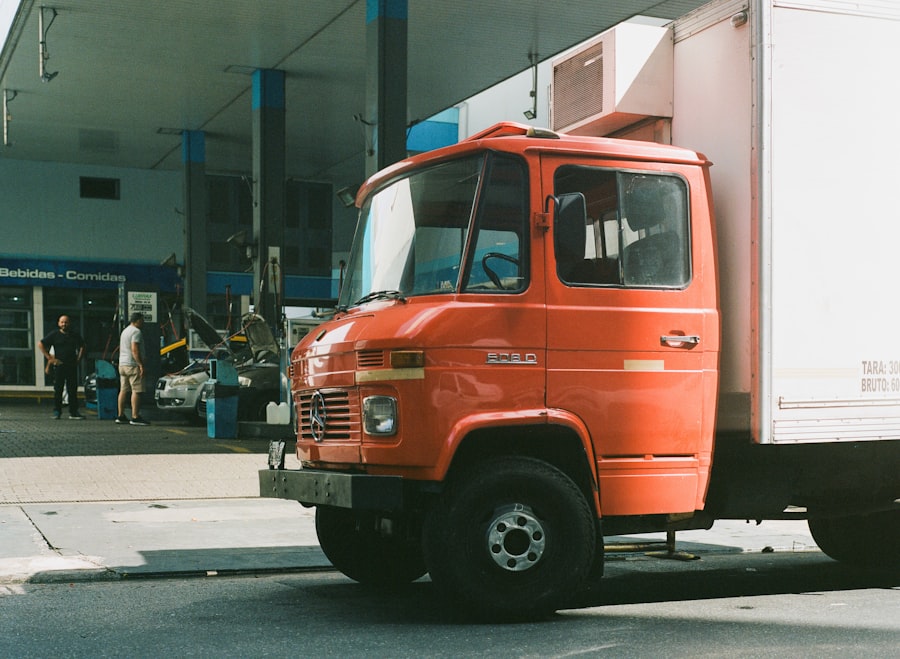
The widespread use of diesel generators in the DRC comes with significant environmental costs, contributing to air pollution and greenhouse gas emissions.
Air Pollution and Public Health
The combustion of diesel fuel releases a cocktail of harmful pollutants into the atmosphere, posing serious risks to public health.
Particulate Matter Emissions
Diesel engines are a major source of fine particulate matter (PM2.5), microscopic particles that can penetrate deep into the lungs and enter the bloodstream. Exposure to PM2.5 is linked to a range of respiratory and cardiovascular diseases, including asthma, bronchitis, heart attacks, and strokes. In densely populated urban areas, the cumulative effect of numerous diesel generators can create a significant public health hazard. The air itself becomes a subtle antagonist, slowly impacting the well-being of residents.
Nitrogen Oxides and Other Harmful Gases
Diesel combustion also releases nitrogen oxides (NOx) and volatile organic compounds (VOCs), which contribute to the formation of ground-level ozone, a major component of smog. Ozone irritates the respiratory system, exacerbates asthma, and can damage lung tissue. Other harmful emissions from diesel generators include carbon monoxide (CO) and sulfur dioxide (SO2), all of which have detrimental effects on human health and the environment.
Greenhouse Gas Emissions and Climate Change
Diesel generators contribute to the release of greenhouse gases, primarily carbon dioxide (CO2), which trap heat in the atmosphere and drive climate change.
Contribution to Global Warming
While individual diesel generators may seem small contributors, the collective impact of millions of them operating daily across the DRC adds to the global burden of greenhouse gas emissions. This contributes to the broader challenges of climate change, including rising global temperatures, more extreme weather events, and sea-level rise. The localized problem of power generation thus connects to a global environmental crisis.
Localized Climate Impacts
Beyond the global picture, the localized release of heat and airborne pollutants from diesel generators can also have microclimatic effects, contributing to urban heat island effects and generally degrading local air quality. This creates a less comfortable and less healthy living environment for those in the immediate vicinity of these generators.
The Vicious Cycle of Underdevelopment and Diesel Dependence
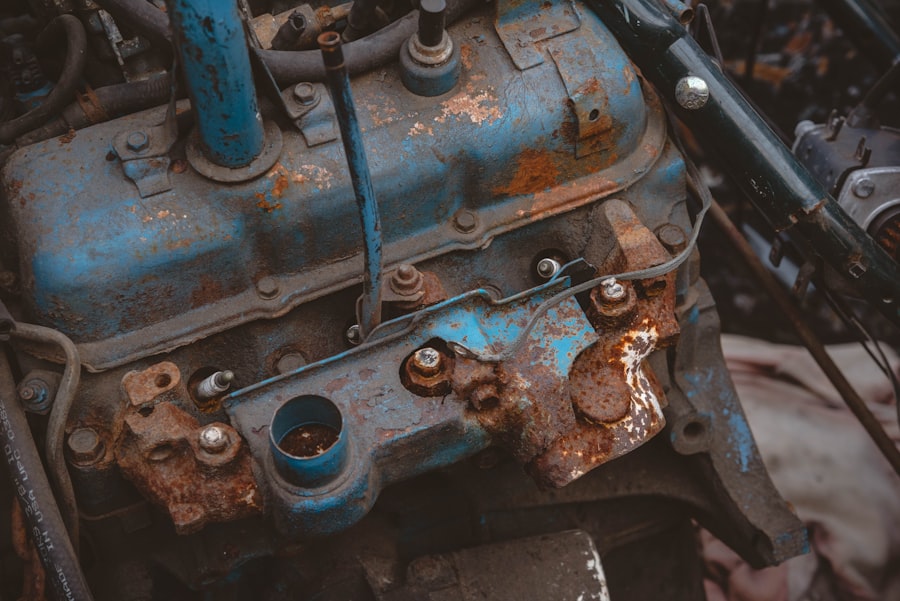
The cost of diesel generation in the DRC is not an isolated issue but is deeply intertwined with broader patterns of underdevelopment.
Infrastructure Deficiencies as a Root Cause
The shortcomings in the DRC’s national electricity infrastructure are a primary driver of diesel reliance.
Limited Grid Coverage
The national electricity grid in the DRC is severely underdeveloped and does not reach a significant portion of the population, particularly in rural and remote areas. This lack of access forces individuals and businesses to seek alternative power sources. It’s like trying to quench a vast thirst with a single, meager cup of water; the scale of the need far outstrips the available resource.
Unreliable National Grid
Even in areas connected to the national grid, power supply is often intermittent and unreliable. Frequent blackouts and voltage fluctuations necessitate the use of backup diesel generators, adding to the overall cost of electricity and hindering economic activity. This unreliability transforms the national grid from a dependable asset into a source of constant frustration and expense.
Lack of Investment in Alternative Energy Sources
The DRC possesses significant untapped potential for renewable energy sources, such as solar, hydro, and geothermal power, yet investment in these alternatives has been insufficient.
Missed Opportunities for Sustainable Power
The failure to adequately invest in and develop renewable energy infrastructure means that the DRC continues to be tethered to expensive and polluting fossil fuels. This represents a missed opportunity to transition to cleaner, more sustainable, and potentially more affordable energy solutions. It’s like having a treasure trove of natural resources and failing to open the chest.
Dependence on Imported Technologies and Fuels
The reliance on diesel generation perpetuates a dependence on imported fossil fuels and the associated technologies for generators and their maintenance. This economic leakage further strains the country’s resources and limits its ability to develop domestic energy solutions.
The cost of diesel generation in the Democratic Republic of the Congo (DRC) has become a pressing issue as the country seeks to improve its energy infrastructure. A related article discusses the various factors influencing these costs and highlights potential alternatives to diesel power. For more insights on this topic, you can read the article here: mygeoquest.com. Understanding these dynamics is crucial for policymakers and stakeholders aiming to enhance energy access and sustainability in the region.
Moving Towards a More Sustainable Energy Future
| Metric | Value | Unit | Notes |
|---|---|---|---|
| Average Cost of Diesel Fuel | 1.20 | USD per liter | Approximate retail price in DRC |
| Generation Efficiency | 3.5 | kWh per liter | Typical diesel generator efficiency |
| Cost of Generation | 0.34 | USD per kWh | Calculated based on fuel cost and efficiency |
| Operation & Maintenance Cost | 0.05 | USD per kWh | Estimated additional cost |
| Total Cost of Diesel Generation | 0.39 | USD per kWh | Fuel + O&M costs combined |
| Carbon Emissions | 2.68 | kg CO2 per kWh | Average emissions factor for diesel generation |
Addressing the multifaceted costs of diesel generation in the DRC requires a comprehensive and sustained approach focused on improving energy infrastructure and diversifying power sources.
Investing in the National Grid
Strengthening and expanding the national electricity grid is paramount to reducing reliance on diesel generators.
Modernization and Expansion Projects
Significant investment is needed to modernize the existing grid, improve its reliability, and extend its reach to underserved populations. This includes upgrading transmission and distribution lines, improving grid management systems, and investing in smart grid technologies. These are the arteries and veins of a modern nation; they need to be robust and extensive to deliver lifeblood – electricity – efficiently.
Diversifying the Energy Mix
While hydropower remains a significant potential source, the DRC should actively explore and invest in a diversified energy mix that includes renewable energy sources.
Harnessing Solar and Other Renewables
The DRC has abundant solar potential, offering a viable and increasingly cost-effective alternative for electricity generation. Expanding solar farms, promoting rooftop solar installations, and developing other renewable energy sources can significantly reduce the dependence on diesel. It’s like unlocking a vast, untapped reservoir of clean power that, once opened, can flow abundantly.
Supportive Policy and Regulatory Frameworks
Creating an enabling environment for investment in renewable energy is crucial. This includes implementing supportive policies, streamlining regulatory processes, and providing incentives for private sector participation in the energy sector. A clear and stable regulatory framework acts as a guiding star, illuminating the path for investors and developers.
The cost of diesel generation in the DRC is a complex issue with far-reaching economic, social, and environmental implications. By understanding these multifaceted costs and committing to strategic investments in infrastructure and renewable energy, the DRC can begin to alleviate the burden of diesel dependence and forge a more sustainable and prosperous energy future for its citizens. The journey may be long and arduous, but the rewards of reliable, affordable, and clean energy are immeasurable.
FAQs
What factors influence the cost of diesel generation in the Democratic Republic of Congo (DRC)?
The cost of diesel generation in the DRC is influenced by factors such as the price of diesel fuel, transportation and logistics costs, maintenance expenses, generator efficiency, and local economic conditions.
How does the price of diesel fuel affect electricity generation costs in the DRC?
Diesel fuel prices directly impact the cost of electricity generation because diesel generators rely on fuel consumption. Fluctuations in global oil prices and importation costs can cause variations in the overall cost of diesel-generated power.
Is diesel generation a common source of electricity in the DRC?
Yes, diesel generation is commonly used in the DRC, especially in remote areas where grid access is limited or unavailable. It serves as a reliable but often expensive source of electricity for businesses, communities, and emergency power needs.
What are the environmental implications of using diesel generators in the DRC?
Diesel generators emit greenhouse gases and pollutants, contributing to air pollution and climate change. Their use in the DRC raises environmental concerns, especially when used extensively without emission controls or alternative energy sources.
Are there any alternatives to diesel generation for electricity in the DRC?
Yes, alternatives include hydroelectric power, solar energy, and other renewable sources. The DRC has significant hydroelectric potential, and solar projects are increasingly being developed to reduce reliance on costly and polluting diesel generation.