
The practice of dam removal has gained significant attention in recent years as communities and environmental advocates seek to restore natural waterways and ecosystems. Dams, once heralded as engineering marvels that provided hydroelectric power, flood control, and recreational opportunities, are increasingly being scrutinized for their ecological consequences. The decision to dismantle a dam is often complex, involving a multitude of factors including environmental health, economic implications, and social dynamics.
As the understanding of river ecosystems deepens, the movement towards dam removal has emerged as a viable solution to restore ecological balance and promote biodiversity. In many cases, the removal of a dam is seen as a necessary step towards revitalizing rivers that have been altered or degraded by human intervention. The process can lead to the reestablishment of natural sediment transport, improved water quality, and the revival of fish populations that have been hindered by barriers.
As communities grapple with the legacy of past infrastructure decisions, the conversation surrounding dam removal continues to evolve, highlighting the need for a comprehensive approach that considers the multifaceted impacts of such actions.
Key Takeaways
- Dam removal has significant environmental, economic, social, and cultural impacts that must be carefully evaluated.
- Legal, regulatory, and engineering challenges play a critical role in the planning and execution of dam removal projects.
- Funding for dam removal often comes from diverse sources, requiring coordinated stakeholder involvement.
- Successful case studies demonstrate potential ecological restoration and community benefits from dam removal.
- The future of dam removal depends on balancing costs, benefits, and collaborative efforts among all parties involved.
Environmental Impact of Dam Removal
The environmental ramifications of dam removal are profound and far-reaching. When a dam is taken down, the immediate effect is often the restoration of natural river flow patterns. This can lead to the reestablishment of habitats that support diverse aquatic and terrestrial species.
For instance, migratory fish species, such as salmon and sturgeon, benefit significantly from the removal of barriers that impede their spawning routes. The resurgence of these populations can have cascading effects on the entire ecosystem, promoting biodiversity and enhancing the resilience of natural habitats. Moreover, dam removal can improve water quality by allowing sediments that have accumulated behind the dam to be redistributed downstream.
This process can help restore natural sediment dynamics, which are crucial for maintaining healthy riverine ecosystems. Additionally, the removal of dams can reduce the incidence of harmful algal blooms and improve oxygen levels in the water, creating a more hospitable environment for aquatic life. As rivers regain their natural flow, they also become more capable of adapting to climate change impacts, further underscoring the environmental benefits associated with dam removal.
Economic Costs of Dam Removal
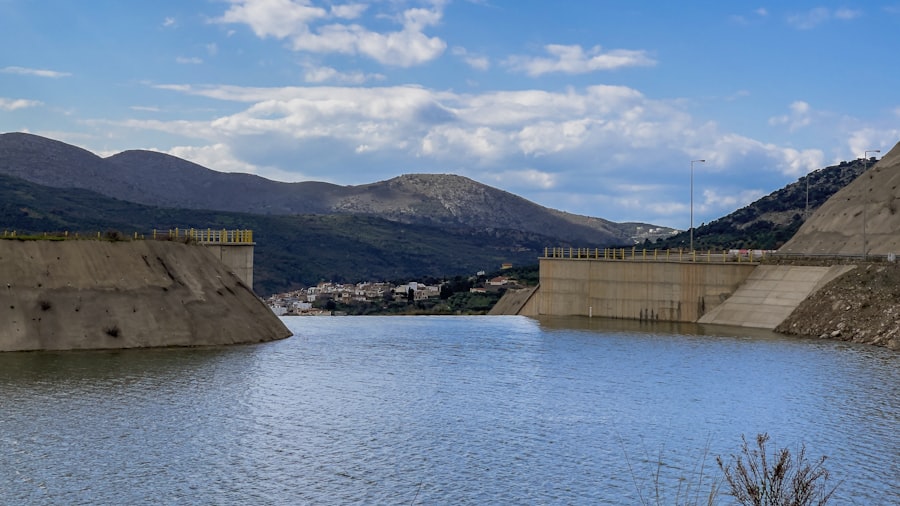
While the environmental benefits of dam removal are often highlighted, it is essential to consider the economic costs associated with such projects. The financial implications can vary widely depending on the size and complexity of the dam, as well as its location and the surrounding infrastructure. Initial costs may include feasibility studies, environmental assessments, and engineering designs necessary for safe removal.
These expenses can be substantial, leading some stakeholders to question whether the long-term benefits justify the upfront investment. Additionally, there may be economic repercussions for local communities that have relied on the dam for recreational activities or hydroelectric power generation. The loss of these resources can create short-term economic challenges, particularly in regions where alternative energy sources or recreational opportunities are limited.
However, proponents argue that the long-term benefits—such as increased tourism opportunities from restored natural areas and improved fisheries—can outweigh these initial costs. A thorough cost-benefit analysis is crucial in determining whether a dam removal project is economically viable in a given context.
Social and Cultural Impacts of Dam Removal
| Impact Category | Metric | Description | Example/Value |
|---|---|---|---|
| Community Engagement | Number of Public Meetings | Count of community meetings held to discuss dam removal | 15 meetings over 2 years |
| Recreational Opportunities | Increase in Fishing Access | Percentage increase in accessible river miles for fishing | 40% increase |
| Cultural Heritage | Sites Restored | Number of indigenous or historic sites restored or preserved | 3 sites |
| Local Economy | Tourism Growth | Percentage increase in local tourism related to river restoration | 25% increase |
| Social Well-being | Community Satisfaction | Percentage of local residents reporting improved quality of life | 68% |
| Education & Awareness | Environmental Programs | Number of educational programs initiated post dam removal | 8 programs |
| Displacement | Number of Households Affected | Households relocated or impacted by dam removal activities | 0 households |
The social and cultural dimensions of dam removal are equally significant and often intertwined with environmental and economic considerations. Many communities have developed around dams, relying on them for jobs, recreation, and cultural identity. The decision to remove a dam can evoke strong emotions and lead to divisions among community members.
Some may view the removal as an opportunity for ecological restoration and revitalization, while others may see it as a loss of heritage or economic stability. Furthermore, indigenous communities often have deep cultural ties to rivers that have been altered by dams. For these groups, the restoration of natural waterways can represent a reclamation of cultural practices and traditions that have been disrupted by industrialization.
Engaging with these communities during the decision-making process is essential to ensure that their voices are heard and their rights respected. By fostering dialogue and collaboration among stakeholders, it is possible to navigate the complex social landscape surrounding dam removal and work towards solutions that honor both ecological integrity and cultural heritage.
Legal and Regulatory Considerations for Dam Removal
The legal landscape surrounding dam removal is intricate and varies significantly from one jurisdiction to another. Numerous federal, state, and local regulations govern water resources, environmental protection, and land use, all of which can impact the feasibility of a dam removal project. Permitting processes can be lengthy and complex, often requiring extensive documentation and public input.
Navigating these legal frameworks necessitates collaboration among various stakeholders, including government agencies, environmental organizations, and local communities. In some cases, existing agreements or licenses related to water rights or hydroelectric power generation may complicate efforts to remove a dam. Legal challenges can arise from parties who oppose removal due to perceived economic losses or concerns about water availability.
Therefore, it is crucial for proponents of dam removal to engage in proactive legal planning and advocacy to address potential obstacles and ensure compliance with relevant regulations.
Engineering and Construction Costs of Dam Removal
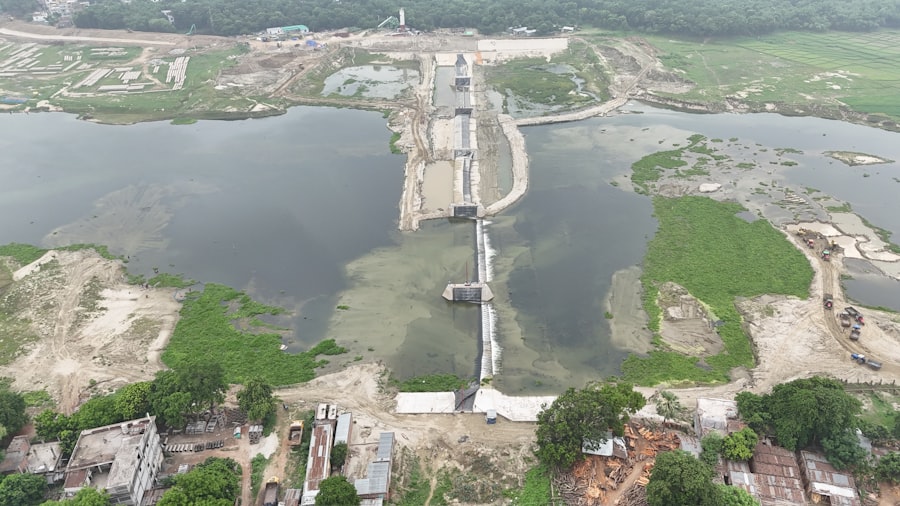
The engineering challenges associated with dam removal can be significant and require careful planning and execution. The costs involved in dismantling a dam depend on various factors including its size, construction materials, and location. For instance, larger concrete dams may necessitate specialized equipment and techniques for safe removal, while earthen dams may require different approaches to manage sediment release effectively.
Construction costs also encompass site restoration efforts following dam removal. This may involve reshaping riverbanks, planting vegetation to stabilize soils, and monitoring water quality post-removal. These activities are essential for ensuring that the river ecosystem can recover effectively after the dam has been taken down.
As such, comprehensive engineering assessments are critical in estimating total costs and developing a successful removal strategy.
Funding Sources for Dam Removal Projects
Securing funding for dam removal projects can be a challenging endeavor due to the diverse range of stakeholders involved and the varying priorities at play. However, several potential funding sources exist that can help support these initiatives. Federal programs such as the National Oceanic and Atmospheric Administration (NOAA) and the U.S.
Fish and Wildlife Service often provide grants aimed at restoring aquatic habitats and improving fish passage. State agencies may also offer financial assistance through conservation programs or environmental restoration funds. Additionally, non-profit organizations dedicated to river conservation frequently engage in fundraising efforts to support specific dam removal projects.
Collaborating with these entities can enhance funding opportunities while fostering partnerships that strengthen community support for removal initiatives.
Stakeholder Involvement in Dam Removal
Engaging stakeholders throughout the dam removal process is vital for ensuring successful outcomes. Stakeholders may include local residents, government agencies, environmental organizations, indigenous groups, and businesses that could be affected by the decision to remove a dam. By involving these parties early in discussions about potential removals, project proponents can build trust and foster collaboration.
Public meetings, workshops, and outreach campaigns are effective tools for gathering input from stakeholders while educating them about the benefits and challenges associated with dam removal. Transparent communication helps address concerns while highlighting shared goals related to ecological restoration and community well-being. Ultimately, inclusive stakeholder engagement can lead to more informed decision-making processes that reflect diverse perspectives.
Potential Benefits of Dam Removal
The potential benefits of dam removal extend beyond environmental restoration; they encompass economic revitalization and enhanced community well-being as well.
This influx of visitors can stimulate local economies by creating new business opportunities in tourism-related sectors.
Moreover, improved water quality resulting from dam removal can enhance public health outcomes by reducing pollutants in drinking water supplies. Healthy rivers also contribute to climate resilience by providing natural flood control mechanisms that mitigate risks associated with extreme weather events. By recognizing these multifaceted benefits, communities can better appreciate the value of investing in dam removal initiatives.
Case Studies of Successful Dam Removal Projects
Numerous case studies illustrate the successful outcomes associated with dam removal projects across North America. One notable example is the Elwha River in Washington State, where two large dams were removed in 2011 after nearly a century of operation. The project resulted in significant ecological restoration; salmon populations rebounded dramatically within just a few years following removal.
Another compelling case is found along California’s San Clemente Dam on the Carmel River. Its removal in 2015 not only restored fish passage but also improved water quality by allowing sediment transport downstream. These examples demonstrate how strategic dam removals can yield substantial ecological benefits while fostering community engagement around river restoration efforts.
The Future of Dam Removal
As society continues to grapple with pressing environmental challenges such as climate change and habitat loss, the future of dam removal appears promising yet complex. Increasing awareness about the ecological impacts of dams has spurred interest in restoring natural waterways across various regions. However, successful implementation requires careful consideration of economic implications, social dynamics, legal frameworks, engineering challenges, funding sources, stakeholder involvement—and ultimately—the potential benefits for both ecosystems and communities.
Moving forward into this new era of river management will necessitate collaboration among diverse stakeholders committed to fostering sustainable practices that prioritize ecological integrity alongside human needs. By embracing innovative approaches rooted in science-based decision-making processes while honoring cultural values tied to rivers—communities can pave the way toward a future where healthy rivers thrive once again through thoughtful dam removals.
When considering the financial implications of dam removal, it’s essential to explore various factors that contribute to the overall cost. A related article that delves into the specifics of dam removal expenses can be found at this link. This resource provides valuable insights into the budgeting process, potential funding sources, and case studies that illustrate the economic impact of such projects.
WATCH THIS! The $50 Billion Lie: America’s Dams Are About to Fail (60-Minute Documentary)
FAQs
What factors influence the cost of dam removal?
The cost of dam removal depends on several factors including the size and type of the dam, its location, the complexity of the surrounding environment, sediment management, regulatory requirements, and the method of removal chosen.
What is the typical cost range for removing a small dam?
Removing a small dam can cost anywhere from $50,000 to $500,000, depending on the specific conditions and requirements of the project.
How much does it cost to remove larger or more complex dams?
Larger or more complex dam removal projects can cost several million dollars, sometimes exceeding $10 million, especially if extensive environmental restoration or sediment management is needed.
Are there additional costs beyond the physical removal of the dam?
Yes, additional costs may include environmental assessments, permitting, sediment disposal, habitat restoration, monitoring, and community engagement.
Can funding or grants help cover dam removal costs?
Yes, various federal, state, and local programs offer grants and funding assistance to support dam removal projects, particularly those aimed at ecological restoration and public safety.
Is dam removal always the most cost-effective option?
Not necessarily. While dam removal can reduce long-term maintenance costs and restore ecosystems, initial removal expenses can be high. Each project requires a cost-benefit analysis to determine the best approach.
How long does a typical dam removal project take?
The timeline varies widely but can range from several months to a few years, including planning, permitting, removal, and restoration phases.
What environmental benefits can justify the cost of dam removal?
Dam removal can restore natural river flow, improve fish migration, enhance water quality, and revive aquatic and riparian habitats, which can provide long-term ecological and economic benefits.