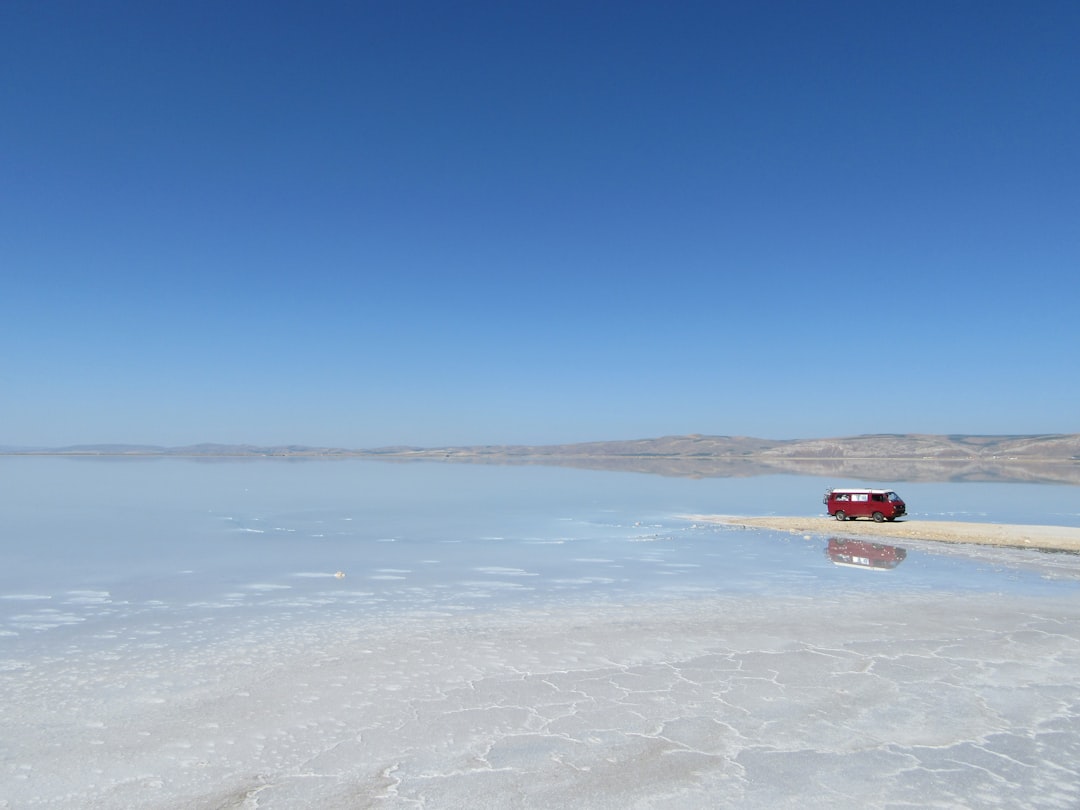
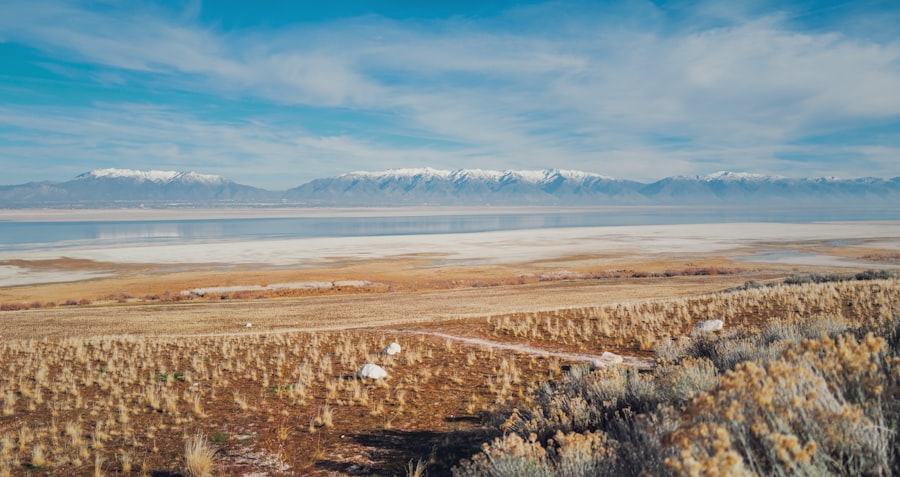
The Great Salt Lake, a terminal lake in Utah, U.S., is a hydrographic basin without an outlet to the sea. Its waters are saline, a characteristic that results from the evaporation of freshwater inputs, leaving behind dissolved minerals. The lake’s size and depth fluctuate significantly with climatic variations and human water consumption. Historically, the lake has been a dynamic ecosystem, supporting a diverse array of microbial life, brine shrimp, and a foundational stopover for migratory birds. However, in recent decades, the Great Salt Lake has experienced a dramatic decline in water levels, reaching historic lows. This precipitous drop is not merely a local environmental concern but a multifaceted crisis with far-reaching implications, extending beyond the immediate geographical boundaries of the lake itself. The consequences of this drying trend are profound, touching upon environmental stability, public health, economic prosperity, and the very fabric of the region’s ecological balance.
Ecological Catastrophe and Biodiversity Loss
The desiccation of the Great Salt Lake represents an ecological catastrophe, threatening the delicate balance of its unique ecosystem and the myriad species that depend upon it. The diminishing water volume directly impacts the lake’s salinity, which in turn alters the habitability of its waters for key organisms.
Declining Brine Shrimp Populations
Brine shrimp, Artemia franciscana, are the cornerstone of the Great Salt Lake’s food web. These small crustaceans thrive in the lake’s hypersaline conditions. As the lake shrinks and its salinity concentrations increase beyond optimal levels for brine shrimp, their populations decline precipitously. This decline has immediate and severe ripple effects throughout the ecosystem.
Impact on Migratory Birds
The Great Salt Lake is a critical stopover and nesting ground for millions of migratory birds along the Pacific Flyway. Species such as Wilson’s Phalaropes, Red-necked Phalaropes, American avocets, and Black-necked Stilts rely on the lake’s abundant brine shrimp and brine flies as a primary food source to fuel their arduous journeys. A reduction in brine shrimp populations directly translates to a reduced food supply for these birds, leading to lower survival rates, altered migration patterns, and potential population crashes for entire species. The loss of critical wetland habitats around the lake, as the shoreline recedes, further exacerbates this issue, removing vital nesting and foraging grounds. The lake is, in essence, a five-star hotel for these avian travelers; its amenities are now being systematically dismantled.
Loss of Unique Microbial Communities
The Great Salt Lake’s highly saline environment supports a diverse array of extremophile microorganisms, including archaea and bacteria. These specialized organisms are responsible for nutrient cycling and are foundational to the lake’s food web. As salinity levels become extreme and exposed lakebeds dry out, these unique microbial communities are stressed, potentially leading to a loss of biodiversity at the microbial level. The full extent of this loss and its long-term implications for global biological diversity remain to be fully understood, yet the signs point to a significant unraveling of a finely tuned ecosystem.
Public Health Risks and Air Quality Degradation
The drying of the Great Salt Lake poses substantial public health risks, primarily through the degradation of air quality from exposed lakebed dust. This is perhaps one of the most immediate and tangible threats facing the surrounding urban populations.
Elevated Dust Emissions and Particulate Matter
As the lake recedes, vast expanses of lakebed are exposed to the atmosphere. These exposed areas contain accumulated sediments rich in heavy metals, pesticides, and other industrial pollutants that have drained into the lake over decades. When these dry sediments are agitated by wind, they become airborne as fine particulate matter (PM2.5 and PM10). These microscopic particles can travel considerable distances, blanketing nearby urban centers, including Salt Lake City, with toxic dust plumes.
Respiratory and Cardiovascular Diseases
Inhaling fine particulate matter poses severe health risks. PM2.5, in particular, is small enough to penetrate deep into the lungs and even enter the bloodstream. Chronic exposure is linked to a range of serious health problems, including exacerbated asthma, bronchitis, emphysema, and increased risk of heart attacks and strokes. For children, the elderly, and individuals with pre-existing respiratory or cardiovascular conditions, these dust storms represent a significant and ongoing health threat. The air, once a symbol of clarity, becomes a silent carrier of microscopic toxins.
Contamination by Heavy Metals and Pollutants
Analysis of the lakebed sediments has revealed concentrations of heavy metals such as arsenic, lead, copper, and mercury. These metals, along with other industrial chemicals and persistent organic pollutants, accumulate in the lake as it acts as a sink for runoff from surrounding industrial and agricultural areas. When these contaminated sediments become airborne, they present a direct pathway for human exposure. The long-term health consequences of inhaling these toxic compounds are a grave concern, potentially leading to increased rates of cancer, neurological damage, and other chronic illnesses. The lakebed is not just dirt; it is a repository of civilization’s waste, now being repackaged as breathable air.
Economic Repercussions and Industrial Decline
The drying of the Great Salt Lake also carries significant economic repercussions, impacting various industries that rely on its ecosystem services and resources. The economic tentacles of the lake extend far beyond its immediate shores.
Decline of the Brine Shrimp Harvesting Industry
The brine shrimp harvesting industry is a multi-million-dollar enterprise, providing an essential food source for aquaculture, particularly shrimp and fish farms globally. The collapse of brine shrimp populations due to increased salinity and habitat loss would devastate this industry, leading to job losses and economic instability for communities dependent on it. This is not merely a biological problem but an economic one, as the lake’s pulse directly correlates with the pulse of this industry.
Impact on Mineral Extraction
The Great Salt Lake is a significant source of minerals, including magnesium chloride, sodium sulfate, and potassium sulfate (potash), which are extracted through solar evaporation ponds. These operations depend on the lake’s unique chemical composition and consistent water levels. As the lake shrinks and its chemistry becomes more concentrated and variable, the efficiency and viability of these mineral extraction processes are threatened. The costs of maintaining operations amidst fluctuating salinity and receding shorelines can become prohibitive, potentially leading to reduced production, closures, and further job losses.
Negative Effects on Tourism and Recreation
The Great Salt Lake also supports a modest tourism and recreation industry, drawing visitors for birdwatching, boating, and unique photographic opportunities. As the lake recedes, marinas are left dry, access points become increasingly difficult, and the aesthetic appeal diminishes. The pungent smell of decaying microbial mats and exposed lakebed can also deter visitors. This decline in tourism and recreational activities further impacts local economies, particularly those businesses catering to these visitors. What was once a unique natural wonder risks becoming an unappealing, dusty expanse.
Water Scarcity and Regional Water Management Challenges
The desiccation of the Great Salt Lake is inextricably linked to regional water scarcity and highlights critical challenges in water management practices across the western United States. The lake’s decline is a stark indicator of an unsustainable water budget in the region.
Over-Allocated Water Resources
The primary driver behind the Great Salt Lake’s decline is the diversion of water from its contributing rivers (primarily the Bear, Weber, and Jordan Rivers) for agricultural, municipal, and industrial uses. For over a century, water has been diverted and consumed upstream, reducing the inflow to the terminal lake. These diversions, coupled with prolonged drought conditions exacerbated by climate change, represent an over-allocation of water resources that the natural system simply cannot sustain. The “straws” drawing from the lake’s basin are too numerous and too large.
Climate Change and Diminishing Snowpack
Climate change plays a significant role in intensifying the water crisis. Rising temperatures lead to increased evaporation rates from both the lake and surrounding watersheds. Furthermore, warmer winters result in a decrease in the crucial mountain snowpack, which acts as a natural reservoir, feeding the rivers that flow into the Great Salt Lake. Less snowpack means less springtime runoff, directly contributing to lower lake levels. The “bank account” of water is being depleted faster than it can be replenished.
Proposed Solutions and Policy Debates
Addressing water scarcity requires a multi-pronged approach involving complex policy changes and active resource management. This includes implementing more efficient irrigation techniques in agriculture, incentivizing water conservation in urban areas, exploring water rights reform, and potentially considering re-routing of water or desalination options. However, these solutions are often expensive, politically contentious, and require significant societal shifts in attitudes towards water consumption. The Great Salt Lake serves as a potent reminder that current water management strategies are unsustainable in the long run.
Impact on Local Climate and Weather Patterns
The presence of a large body of water like the Great Salt Lake has a significant influence on the local climate and weather patterns of the surrounding region. Its disappearance would fundamentally alter these dynamics, leading to unforeseen consequences.
Diminished Lake Effect Snow
The Great Salt Lake historically contributes to “lake effect snow” in the Wasatch Front. As cold air masses pass over the relatively warmer lake waters, moisture is picked up and then deposited as snow on the eastern slopes of the Wasatch Mountains. This phenomenon is crucial for replenishing the region’s snowpack, which is a vital source of freshwater. As the lake shrinks and its water temperature fluctuates more dramatically, or if it dries completely, the lake effect snow phenomenon will diminish or cease entirely, further exacerbating water scarcity. The lake is a snow-making machine; its gears are grinding to a halt.
Increased Aridity and Temperature Extremes
The presence of a large water body tends to moderate local temperatures, absorb heat in the summer, and release it in the winter. Its absence would lead to a more arid climate in the region, characterized by hotter summers and potentially colder winters, with a greater diurnal temperature range. The lack of a large water body also reduces local humidity, contributing to a drier atmosphere and potentially increasing the risk of wildfires in the surrounding areas. The desert, in essence, will draw closer to the urban centers.
Potential for Dust Storms and Regional Weather Events
The exposed, dry lakebed will become a perennial source of dust, not just impacting air quality directly, but also potentially altering local weather patterns. Large dust plumes can interact with atmospheric conditions, affecting cloud formation and precipitation patterns. The drying lake could lead to more frequent and intense regional dust storms, further impacting visibility, transportation, and agricultural production. The visual landscape, once characterized by the shimmering expanse of water, will be increasingly defined by a hazy, dust-laden sky.
The drying of the Great Salt Lake is not merely an environmental footnote; it is a critical bellwether for the broader challenges of climate change, unsustainable water use, and the delicate balance between human development and ecological preservation. The consequences are interwoven, forming a complex tapestry of ecological, public health, economic, and climatic disruption. Addressing this crisis requires a concerted effort, informed by science, driven by policy, and embraced by the collective will of the community. The future of the Great Salt Lake, and by extension, the well-being of the region it influences, hangs precariously in the balance.

WATCH NOW ▶️ WARNING: The $10 Trillion Toxic Lie Killing the American West
FAQs
What are the main causes of the Great Salt Lake drying up?
The primary causes include prolonged drought, increased water diversion for agriculture and urban use, and climate change, which together reduce the inflow of water into the lake.
How does the drying of the Great Salt Lake affect local wildlife?
As the lake shrinks, habitats for migratory birds, brine shrimp, and other wildlife are lost or degraded, leading to declines in biodiversity and disruptions in the local ecosystem.
What are the potential health risks associated with the Great Salt Lake drying up?
Exposed lakebed sediments can release toxic dust containing heavy metals and other pollutants, which may cause respiratory problems and other health issues for nearby communities.
How does the shrinking of the Great Salt Lake impact the regional economy?
The drying lake affects industries such as mineral extraction, tourism, and recreation, potentially leading to job losses and reduced economic activity in the region.
What measures are being taken to address the drying of the Great Salt Lake?
Efforts include water conservation initiatives, improved water management policies, habitat restoration projects, and research to better understand and mitigate the lake’s decline.