The Chemistry of Lithium Brine Concentration
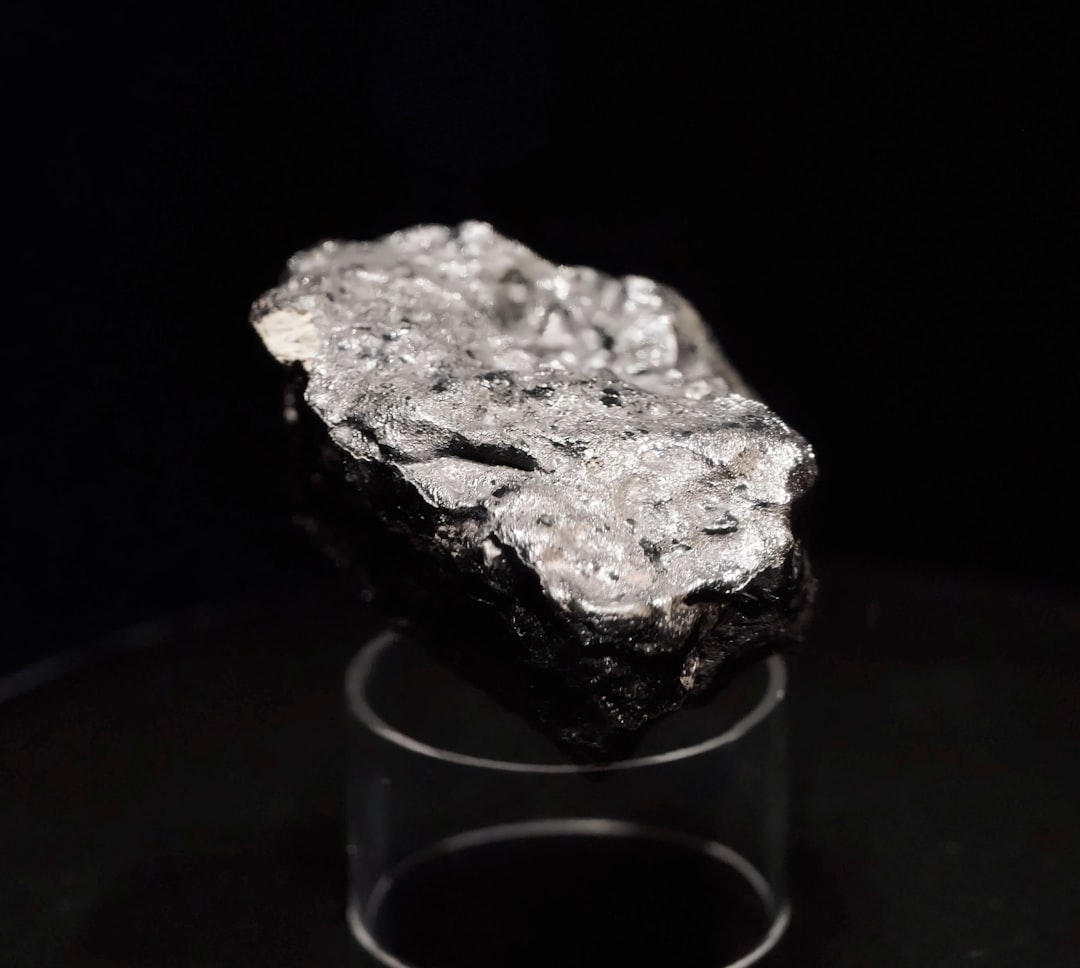
Lithium, a notoriously light and reactive alkali metal, has become a cornerstone of modern technology. Its remarkable ability to store and release electrical energy makes it indispensable for batteries that power everything from smartphones to electric vehicles. While solid lithium minerals like spodumene are a significant source, the extraction and concentration of lithium from brines represent a crucial and chemically intricate pathway to meeting global demand. This article delves into the fundamental chemical principles that govern the concentration of lithium from these naturally occurring, saline underground reservoirs.
Lithium in brines is not present as pure metallic lithium, which would be highly unstable and reactive in an aqueous solution. Instead, it exists primarily as dissolved lithium ions ($Li^+$). These ions are part of a complex aqueous solution, often resembling saltwater but with a significantly higher concentration of dissolved salts, including sodium ($Na^+$), potassium ($K^+$), magnesium ($Mg^{2+}$), calcium ($Ca^{2+}$), and various anions like chlorides ($Cl^-$), sulfates ($SO_4^{2-}$), and bicarbonates ($HCO_3^-$). The origin and composition of these brines vary geographically, influencing the challenges and strategies required for lithium extraction.
Geochemical Origins of Lithium Brines
The formation of lithium-rich brines is a slow geological process, often spanning millennia. The prevailing theory suggests that lithium is leached from continental rocks by meteoric water.
Weathering and Rock Dissolution
Igneous and metamorphic rocks containing lithium-bearing minerals, such as feldspars and micas, undergo weathering. This process, driven by natural chemical reactions and physical erosion, breaks down these rocks, releasing lithium into percolating groundwater. The chemical reactions involved can be represented by simplified dissolution equations. For instance, a lithium-bearing feldspar:
$2KAlSi_3O_8 (orthoclase) + 2H^+ + H_2O \rightarrow Al_2Si_2O_5(OH)_4 (kaolinite) + 4SiO_2 + 2K^+$
While this illustrates the general principle of cation release, the direct release of lithium is more complex and depends on the specific lithium-bearing mineral phases present. Other lithium-bearing silicates and even some clay minerals contribute to the dissolved lithium load in groundwater.
Hydrothermal Activity and Volcanic Influence
In some regions, hydrothermal activity plays a significant role in concentrating lithium. Superheated water circulating through the Earth’s crust can dissolve lithium from subsurface rocks at elevated temperatures and pressures. This hot, lithium-rich fluid can then migrate towards the surface, eventually forming brines in geological depressions where it becomes trapped. Volcanic processes can also contribute to lithium enrichment, with volcanic gases and hydrothermal fluids introducing lithium into groundwater systems.
Evaporite Formation and Concentration Mechanisms
The concentration of lithium ions within these brines is a critical factor for economic viability. Several geological processes contribute to this enrichment.
Evaporation in Arid Climates
The most prominent factor in concentrating lithium in many economically significant brines, particularly those found in South America’s “Lithium Triangle” (Chile, Argentina, and Bolivia), is evaporation in arid and semi-arid climates. As surface water or shallow groundwater containing dissolved lithium percolates into closed basins or salt flats (salares), solar energy drives the evaporation of water. This process acts like a giant, natural distillery, leaving behind the dissolved salts, including lithium.
Halidic and Non-Halidic Concentration
The concentration process can be categorized into halidic and non-halidic mechanisms. Halidic concentration refers to the direct increase in salt concentration due to water loss. Non-halidic concentration involves other geochemical processes that selectively increase the concentration of specific ions, such as lithium relative to other dissolved species. This can involve co-precipitation, where other salts precipitate out of solution, leaving the more soluble lithium behind, or preferential adsorption onto mineral surfaces.
For those interested in the chemistry of lithium brine concentration, a related article can be found on MyGeoQuest, which explores the various methods and technologies used in the extraction of lithium from brine sources. This article provides valuable insights into the chemical processes involved, as well as the environmental considerations associated with lithium extraction. You can read more about it by visiting MyGeoQuest.
The Chemical Landscape of Lithium Extraction
The challenge in lithium brine concentration lies in separating the relatively low concentration of lithium ions from the overwhelming abundance of other dissolved ions. Imagine trying to find a single grain of a specific sand on a beach brimming with countless varieties of sand – that’s the scale of selectivity required. The typical concentration of lithium in these brines can range from a few hundred milligrams per liter ($mg/L$) to over 7,000 $mg/L$ in some exceptional cases, while sodium and chloride concentrations can be orders of magnitude higher.
Key Ions in Lithium Brines
The ionic composition of a brine dictates the complexity of the extraction process. Understanding the relative concentrations and chemical behavior of these ions is paramount.
Alkali Metal Ions
- Lithium ($Li^+$): The target ion. It is small, highly hydrated due to its high charge density, and exhibits unique chemical properties compared to other alkali metals.
- Sodium ($Na^+$): The most abundant cation in most brines, typically present at concentrations significantly higher than lithium. Their chemical similarity as alkali metals makes separation challenging.
- Potassium ($K^+$): Another common alkali metal ion, also present in substantial quantities. Its larger ionic radius compared to sodium and lithium influences its hydration and interaction with separation media.
Alkaline Earth Metal Ions
- Magnesium ($Mg^{2+}$): A divalent cation present in considerable amounts, often exceeding lithium concentrations. Magnesium ions are highly charged and strongly hydrated, making their removal crucial for efficient lithium recovery.
- Calcium ($Ca^{2+}$): Another prevalent divalent cation. Its presence, along with magnesium, contributes to the overall ionic strength of the brine and can interfere with certain separation techniques by forming precipitates or irreversibly binding to separation materials.
Anions
- Chloride ($Cl^-$): The dominant anion in most lithium brines, forming soluble salts with the cations.
- Sulfate ($SO_4^{2-}$): Present in varying concentrations, sulfate ions can impact the solubility of some lithium compounds and influence the performance of certain precipitation-based separation methods.
- Bicarbonate ($HCO_3^-$): Can contribute to the buffering capacity of the brine and influence the pH of the solution, affecting the solubility of various salts.
Challenges Posed by Contaminants
The presence of these competing ions means that separation processes must be highly selective. If not managed properly, these contaminants can lead to:
- Reduced Lithium Recovery: Contaminants can be inadvertently removed along with lithium, lowering the overall yield.
- Product Impurity: If separation is incomplete, the extracted lithium product will be contaminated, requiring further purification and increasing costs.
- Damage to Equipment: Precipitates formed from unwanted ions can foul membranes, clog pipes, and damage pumps, leading to operational downtime and increased maintenance.
Traditional Evaporation Pond Concentration
Historically, the primary method for concentrating lithium from brines has been the use of solar evaporation ponds. This method leverages the natural process of evaporation to increase the concentration of dissolved salts. While seemingly simple, it is a chemically and physically controlled process.
The Evaporation Pond Process
Large, shallow ponds lined with impermeable materials are filled with lithium-bearing brine. The vast surface area exposes the brine to sunlight and wind, accelerating the evaporation of water. As water evaporates, the concentration of dissolved salts, including lithium chloride ($LiCl$), sodium chloride ($NaCl$), magnesium chloride ($MgCl_2$), and potassium chloride ($KCl$), increases.
Stratification and Salt Precipitation
Over time, as evaporation proceeds, different salts begin to precipitate out of solution based on their solubility limits. This precipitation typically occurs in a specific order:
Precipitation of Less Soluble Salts
Salts with lower solubility products and higher lattice energies tend to precipitate first. For instance, sodium chloride ($NaCl$) and potassium chloride ($KCl$) often precipitate out at lower concentrations than lithium chloride ($LiCl$). This sequential precipitation can partially concentrate lithium relative to these more abundant alkali metal salts.
Selective Precipitation of Magnesium and Calcium Salts
Magnesium and calcium salts, particularly sulfates and carbonates, can also precipitate out as the brine becomes more concentrated. For example, with increasing sulfate concentration, magnesium sulfate ($MgSO_4$) and calcium sulfate ($CaSO_4$) have lower solubilities and will precipitate, effectively removing some magnesium and calcium from the brine and further enriching the remaining solution in lithium. This is a crucial step in the process, as magnesium is a significant impurity.
Advantages of Evaporation Ponds
- Low Energy Input: Primarily relies on solar energy, making it cost-effective in sunny, arid regions.
- Scalability: Ponds can be constructed over large areas to handle massive volumes of brine.
- Simplicity: The basic operation requires relatively simple engineering and management.
Disadvantages of Evaporation Ponds
- Slow Concentration Rates: The process can take months to over a year to achieve the desired lithium concentration, making it resource-intensive in terms of land use.
- Vulnerability to Climate: Highly dependent on weather conditions, with rainfall or cloudy days significantly slowing down the evaporation process.
- Low Selectivity: While some sequential precipitation occurs, significant amounts of other salts often remain in the concentrated brine, necessitating further purification steps.
- Environmental Concerns: Large land footprint and potential for groundwater contamination or salinization of surrounding areas.
Advanced Chemical Separation Techniques
Recognizing the limitations of solar evaporation, significant research and development have focused on more selective and efficient chemical separation techniques. These methods aim to directly target and isolate lithium ions from the complex brine matrix.
Adsorption and Ion Exchange
Adsorption processes utilize solid materials that have a strong affinity for lithium ions, allowing them to bind to the surface of the adsorbent while other ions pass through. Ion exchange resins, specifically designed polymers with functional groups, are commonly employed.
Functionalized Resins and Selectivity
The key to selective adsorption lies in the chemical design of the resin. For lithium adsorption, materials containing specific functional groups that preferentially chelate or bind $Li^+$ are crucial.
Manganese Oxides and Hydroxides
Certain metal oxides, particularly those containing manganese, have demonstrated high selectivity for lithium. These materials can effectively adsorb $Li^+$ ions from brines, even in the presence of high concentrations of sodium and potassium ions. The mechanism often involves ion-sieving effects and specific coordination chemistry between the metal oxide surface and the lithium ion.
Functionalized Polymers
Ion exchange polymers with specific ligands designed to bind lithium are also widely researched. These ligands can mimic natural chelating agents, forming stable complexes with the small, highly charged lithium ion. The precise arrangement of these ligands on the polymer backbone determines the selectivity and capacity of the resin.
Elution and Recovery
Once the adsorbent material is saturated with lithium, the adsorbed lithium is then released, or eluted, using a different chemical solution. This elution step typically involves using a more concentrated solution or an acidic solution that disrupts the binding forces between the lithium ions and the adsorbent, releasing them into a purer liquid stream.
Solvent Extraction
Solvent extraction, also known as liquid-liquid extraction, involves using an organic solvent that selectively dissolves lithium ions or compounds formed with lithium, separating them from the aqueous brine.
Chelating Agents and Organic Solvents
Specialized organic extractants, often containing nitrogen or oxygen donor atoms, are designed to form stable, neutral complexes with lithium ions. These complexes are then preferentially soluble in an immiscible organic solvent.
Trioctylphosphine Oxide (TOPO)
Compounds like trioctylphosphine oxide (TOPO) have been investigated for their ability to extract lithium from brine. In the presence of a suitable electrolyte, TOPO can form complexes with lithium salts, facilitating their transfer into an organic phase.
Other Organic Extractants
Research continues to explore novel organic molecules with enhanced selectivity and efficiency for lithium extraction, aiming to overcome the challenges posed by high concentrations of competing ions.
Stripping and Regeneration
After the lithium has been extracted into the organic phase, it is then stripped back into an aqueous phase for further processing. This typically involves using an acidic solution to break down the lithium-organic complex, regenerating the organic solvent for reuse.
The chemistry of lithium brine concentration plays a crucial role in the extraction of lithium, which is essential for battery production and renewable energy technologies. Understanding the various methods of concentrating lithium from brine sources can significantly impact the efficiency and sustainability of lithium production. For a deeper insight into this topic, you can explore a related article that discusses innovative techniques and their implications for the industry. This article can be found here.
Membrane Technologies in Brine Concentration
| Parameter | Typical Range | Unit | Description |
|---|---|---|---|
| Lithium Concentration | 200 – 1,500 | mg/L | Amount of lithium ions in brine solution |
| Sodium Concentration | 5,000 – 50,000 | mg/L | Concentration of sodium ions in brine |
| Potassium Concentration | 500 – 10,000 | mg/L | Potassium ion content in brine |
| Magnesium Concentration | 1,000 – 20,000 | mg/L | Magnesium ion concentration, affects lithium extraction |
| Calcium Concentration | 100 – 5,000 | mg/L | Calcium ion content in brine |
| pH | 6.5 – 8.5 | pH units | Acidity or alkalinity of lithium brine |
| Density | 1.1 – 1.3 | g/cm³ | Density of lithium brine solution |
| Temperature | 15 – 40 | °C | Typical temperature range during concentration |
| Evaporation Rate | 5 – 15 | mm/day | Rate at which water evaporates concentrating lithium |
Membrane separation processes offer a compelling alternative to traditional methods, providing high selectivity and requiring less chemical input. These technologies act as molecular sieves, allowing specific ions to pass through while retaining others.
Reverse Osmosis (RO) and Nanofiltration (NF)
While conventional reverse osmosis membranes are primarily designed to remove dissolved salts from water, advanced RO and nanofiltration membranes can be tailored for ion separation.
Pore Size and Selectivity
The effectiveness of RO and NF lies in the precise control of pore size. By carefully tuning the pore diameter, these membranes can selectively allow smaller ions to pass through while retaining larger ions or complexes.
Ion Sieving Mechanisms
The separation mechanism can involve both size exclusion and electrostatic interactions. The surface charge of the membrane can also play a crucial role in repelling or attracting specific ions, thereby influencing selectivity. For instance, some membranes might possess a negative surface charge that preferentially repels divalent cations like magnesium and calcium while allowing monovalent lithium ions to pass.
Limitations and Fouling
A significant challenge with RO and NF in highly saline brines is membrane fouling. The high concentration of dissolved salts can lead to the deposition of mineral scales and organic matter on the membrane surface, reducing flux and requiring frequent cleaning or replacement.
Pervaporation and Membrane Distillation
These processes leverage differences in vapor pressure and phase change to achieve separation.
Pervaporation
In pervaporation, a liquid mixture is brought into contact with a selective membrane. A vacuum is applied on the other side of the membrane, causing components with higher vapor pressure to preferentially permeate through the membrane as vapor, leaving a more concentrated liquid behind. For lithium brines, membranes that preferentially allow water vapor to pass while retaining dissolved salts are employed.
Membrane Distillation
Membrane distillation utilizes a hydrophobic membrane that allows water vapor to pass through but prevents liquid water and dissolved salts from crossing. A temperature difference across the membrane drives the evaporation of water on one side and condensation on the other. This process can achieve high salt rejection but is energetically more intensive than simple evaporation.
Electrochemical Methods for Lithium Concentration
Electrochemical techniques offer a potentially more energy-efficient and selective approach to lithium concentration, directly manipulating the charge of ions to drive separation.
Electrodialysis (ED)
Electrodialysis uses ion-exchange membranes and an electric field to selectively move ions from one compartment to another.
Ion-Exchange Membranes and Electric Fields
In an electrodialysis stack, alternating cation-exchange membranes (which allow cations to pass but block anions) and anion-exchange membranes (which allow anions to pass but block cations) are used. When an electric potential is applied, cations migrate towards the cathode and anions towards the anode.
Selective Ion Migration
By carefully arranging these membranes, it is possible to create compartments where specific ions are concentrated and others are depleted. For lithium concentration, membranes are selected to preferentially allow lithium ions to migrate into a dedicated concentrate stream while other ions are either removed or left behind in the diluate stream.
Advantages and Challenges
ED offers higher selectivity and faster processing compared to evaporation, with lower water loss. However, the high ionic strength of concentrated brines can lead to increased electrical resistance and potential for membrane fouling by precipitates.
Electrochemical Capacitance and Adsorption
This emerging technology, often referred to as capacitive deionization (CDI) or capacitive deionization, utilizes porous electrode materials to electrostatically adsorb ions from solution.
Porous Electrode Materials
Porous carbon-based materials, such as activated carbon or carbon nanotubes, are often used as electrode materials. These materials have a high surface area, allowing for significant ion adsorption.
Ion Adsorption and Desorption
When a voltage is applied, ions in the brine migrate towards the oppositely charged electrode and are temporarily stored within the electrical double layer formed at the electrode-electrolyte interface. To release the adsorbed ions and recover the concentrated lithium, the voltage is reversed or removed.
Selectivity and Energy Efficiency
While CDI is effective for desalination, achieving high selectivity for lithium in the presence of other ions, particularly alkali metals, remains a significant research challenge. However, its potential for low energy consumption and its ability to operate at ambient temperatures make it a promising area for future development in lithium brine concentration.
In conclusion, the chemistry of lithium brine concentration is a multifaceted field that draws upon principles of geochemistry, physical chemistry, and materials science. From the natural processes of evaporation and mineral precipitation to the sophisticated application of ion exchange, solvent extraction, membrane technologies, and electrochemistry, each method presents unique advantages and challenges. As the global demand for lithium continues to surge, ongoing research and innovation in these chemical processes will be critical to ensuring a sustainable and efficient supply of this vital element.
FAQs
What is lithium brine concentration?
Lithium brine concentration refers to the process of increasing the lithium content in brine solutions, which are salty waters containing dissolved lithium salts. This is typically done to make lithium extraction more efficient and economically viable.
How is lithium extracted from brine?
Lithium is commonly extracted from brine through evaporation ponds, where water evaporates under the sun, increasing lithium concentration. Chemical processes such as precipitation, ion exchange, or solvent extraction may also be used to isolate lithium compounds.
What chemical properties of lithium make brine concentration important?
Lithium is highly soluble in water and exists mainly as lithium ions (Li+) in brine. Concentrating the brine increases the lithium ion concentration, facilitating its separation from other ions like sodium, potassium, and magnesium.
What role do evaporation ponds play in lithium brine concentration?
Evaporation ponds allow natural solar evaporation to reduce the water content in lithium-rich brine, thereby increasing lithium concentration. This method is cost-effective and widely used in regions with high solar radiation.
Are there environmental concerns associated with lithium brine concentration?
Yes, the process can impact local water resources and ecosystems due to large water usage and potential contamination. Proper management and sustainable practices are essential to minimize environmental effects during lithium brine concentration and extraction.