
The Cataclysmic Floods that Reshaped Oregon’s Landscape
Oregon, a state renowned for its verdant forests, dramatic coastline, and volcanic peaks, owes a significant portion of its defining geological features to a series of catastrophic flood events that occurred thousands of years ago. These were not ordinary rivers overflowing their banks; these were deluges of unimaginable scale, driven by forces that dramatically altered the very topography of the region. The most prominent of these events, the Missoula Floods, originating from the glacial Lake Missoula in Montana, carved deep canyons, deposited vast plains of sediment, and sculpted the iconic features that shape Oregon’s landscape today. Understanding these ancient floods is crucial to appreciating the geological history and the dynamic forces that continue to influence the Pacific Northwest.
The primary catalyst for the colossal floods that reshaped Oregon was the repeated formation and collapse of a massive ice dam at the mouth of the Clark Fork River in western Montana. During the Pleistocene Epoch, as massive glaciers advanced and retreated, they periodically choked the Clark Fork River valley with thick ice. This ice acted as a natural dam, impounding meltwater and forming an enormous proglacial lake, known to geologists as Lake Missoula. At its peak, Lake Missoula is estimated to have held a volume of water comparable to or exceeding that of all five Great Lakes combined.
The Cycle of Impoundment and Drainage
The formation of the ice dam was not a static event but a cyclical process. As ice advanced, it would gradually seal the river valley, allowing water to rise behind it. However, these ice dams were inherently unstable. The immense pressure of the impounded water would eventually cause the ice to fracture, calve, or sublump, leading to a catastrophic and rapid release of the lake’s contents. This sudden breaching of the ice dam unleashed an enormous volume of water, estimated to have reached over 500 miles per hour in some sections of its downstream journey.
The Scale of Lake Missoula
The sheer scale of Lake Missoula is difficult to comprehend. Evidence suggests that the lake repeatedly filled and drained hundreds of times over several thousand years. Each flood event was an independent geological catastrophe, capable of carving new channels and depositing vast quantities of sediment. The rise and fall of the lake were remarkably swift, with estimated drainage times of mere days, transforming a serene expanse of water into a raging torrent of unprecedented power.
Cataclysmic floods have played a significant role in shaping Oregon’s landscape, leaving behind dramatic geological features and altering ecosystems. For a deeper understanding of these transformative events, you can explore the article that details the history and impact of these floods on the region. To read more about it, visit this article.
The Journey Through Oregon: The Ice Age Floods
Once the ice dam failed, the accumulated waters of Lake Missoula surged westward, entering Idaho and then pouring with immense force into Oregon. The initial descent was steep, and the sheer volume of water carved a path through the landscape, leaving behind indelible marks that are still visible today. The floods flowed across the northern extent of Oregon, impacting areas that would later become familiar landmarks.
Channeling Through the Columbia River Gorge
The most dramatic manifestation of the Missoula Floods in Oregon is evident in the Columbia River Gorge. As the immense wave of water reached the constriction of the Gorge, the sheer force of the flow was amplified. The water, laden with massive amounts of sediment, debris, and ice, scoured the bedrock, widening and deepening the Gorge. The speed and power of the water were such that it stripped away vegetation, eroded canyon walls, and carved characteristic features like plunge pools and terraces. Geologists have identified numerous ancient flood levels, marked by distinct sedimentary layers and erosional patterns, that record the passage of these cataclysmic events through the Gorge.
The Scoured Basalt and Depositional Terraces
The bedrock of the Columbia River Gorge, primarily composed of basalt, bears the unmistakable evidence of the floods’ erosive power. The turbulent water, carrying enormous quantities of sand, gravel, and boulders, acted like a giant abrasive agent, polishing and carving the rock. Distinctive erosional features, such as striations and smooth bedrock surfaces, are testament to this intense abrading action. In addition to erosion, the floods also deposited immense volumes of sediment. As the floodwaters spread out or encountered slower-moving sections, they dropped the material they carried. This led to the formation of layered deposits, known as terraces, that often appear as benches or step-like features along the sides of the Gorge, marking former flood levels.
Evidence of Multiple Flood Events
The geological record within the Gorge reveals that these were not isolated incidents. The stratigraphy of the flood deposits, the distinct layers of sediment with varying grain sizes and composition, indicates a repeated pattern of inundation and deposition. Each layer represents a separate flood event, and the presence of numerous such layers points to the cyclical nature of the Lake Missoula ice dam failures and subsequent inundations. The varying thickness and extent of these deposits further underscore the fluctuating intensity and volume of water in successive floods.
Spreading Across the Willamette Valley
As the floodwaters exited the Columbia River Gorge, they spread out into the expansive Willamette Valley. This vast, relatively flat basin provided an area where the initial ferocious speed of the floodwaters could dissipate, allowing for the deposition of enormous quantities of sediment. The Willamette Valley became a dumping ground for the flood debris carried from the east, transforming its character and geological composition.
The Channeled Scablands and Outwash Plains
The northern Willamette Valley, in particular, bears the imprint of these floods. Large areas exhibit a landscape characterized by numerous parallel channels and streamlined erosional features, remnants of the intense, high-velocity flow of water. These are often referred to as the “channeled scablands” of Oregon, an eerie and stark landscape sculpted by the overwhelming power of water. Associated with these channeled areas are extensive outwash plains, formed by the deposition of voluminous amounts of sand, gravel, and silt. The Missoula Floods are responsible for much of the fertile soil found in these areas today.
The Formation of Lake Covallis and Other Paleo-Lakes
During the period of inundation, the floodwaters pooled and formed temporary lakes within the Willamette Valley. One significant example is the ancient Lake Covallis. The sediments deposited by the floods within these temporary lakes have been preserved, providing crucial insights into the flood history and the environments that existed at the time. These paleo-lakes, though ephemeral, played a role in shaping the valley floor and influencing the subsequent development of ecosystems and landforms.
Engineering the Landscape: Erosional and Depositional Impacts
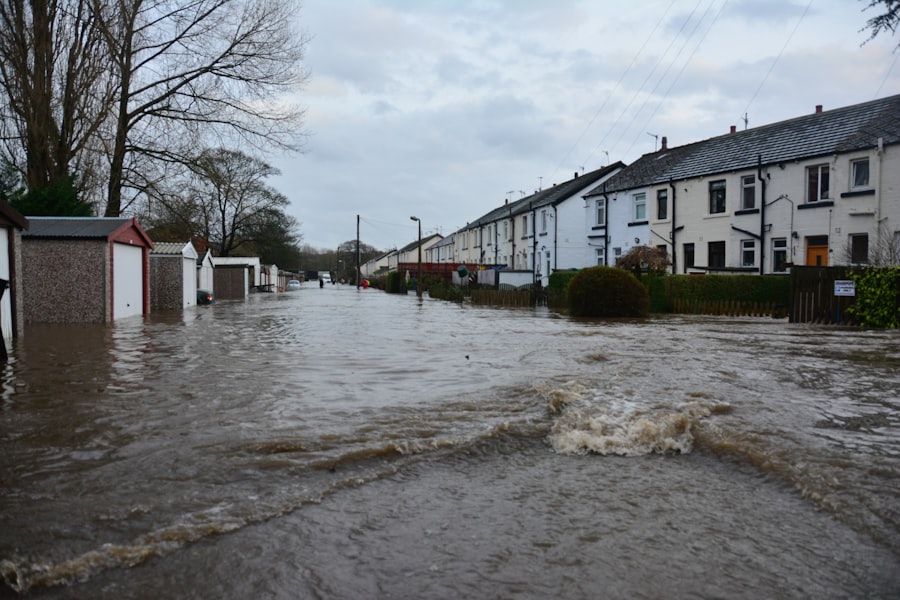
The Missoula Floods were not merely a passive inundation; they were active agents of geological change, sculptors of the land through both relentless erosion and substantial deposition. The sheer volume and velocity of the water meant that it possessed immense power to both carve and build, leaving a distinct signature on the Oregon landscape.
The Power of Erosion: Carving Canyons and Stripping Topsoil
The erosive capabilities of the floodwaters were immense. In areas of softer rock or unconsolidated sediment, the water would simply strip away the land, creating new channels and widening existing ones. The Columbia River Gorge is a prime example of this erosional power, with the floods widening and deepening the canyon and leaving behind polished bedrock. In flatter areas, the erosion was more about scouring and shaping the land surface, creating the distinctive channeled scablands. The floods also acted to remove significant amounts of topsoil from some areas, redistributing it elsewhere.
Bedrock Scouring and Polishing
The direct interaction of the floodwaters with bedrock is a primary indicator of their erosive force. Massive amounts of grit and debris carried within the torrent acted as a grinding tool, smoothing and polishing the hard basalt of the Columbia River Gorge and other hard rock formations. This scouring not only altered the immediate surface of the bedrock but also contributed to the widening and deepening of the channels through which the floods flowed.
The Formation of Gravel Bars and Floodplains
The depositional impact of the Missoula Floods was equally significant. As the water slowed down, particularly in wider sections of valleys and on lower-gradient terrain, it dropped the sediment it was carrying. This resulted in the formation of massive gravel bars, significant accumulations of rounded cobbles and boulders that are distinct features in many of the valleys. Extensive floodplains were also created, built up by layers of sand and silt. These deposited materials not only reshaped the topography but also created fertile soils that would later support agriculture and natural vegetation.
The Legacy of Sedimentation: Fertile Soils and Stratigraphic Sequences
The vast quantities of sediment transported and deposited by the Missoula Floods are a defining element of Oregon’s geological inheritance. These deposits are not uniform; they vary in composition and thickness, creating complex stratigraphic sequences that geologists study to understand the history of the floods.
Loess Deposits and Agricultural Lands
A significant portion of the fertile soils in eastern Oregon and parts of the Willamette Valley are derived from the windblown silt (loess) that was deposited from the dry floodplains after the water receded. These fine-grained sediments are rich in nutrients and have made these regions prime agricultural areas. The Missoula Floods, in essence, provided the raw materials for some of Oregon’s most productive farmland.
Understanding Stratigraphy and Paleoclimates
The layered deposits left by the Missoula Floods act as a detailed geological record. Geologists can study the different layers, the types of sediment, and the presence of fossils or other markers within these strata to reconstruct the sequence of flood events, their approximate ages, and the environmental conditions that prevailed during and after each inundation. This stratigraphic evidence is crucial for understanding not only the floods themselves but also for interpreting past climates and environmental changes in the region.
Post-Flood Epochs: Recovery and Modern Landscapes
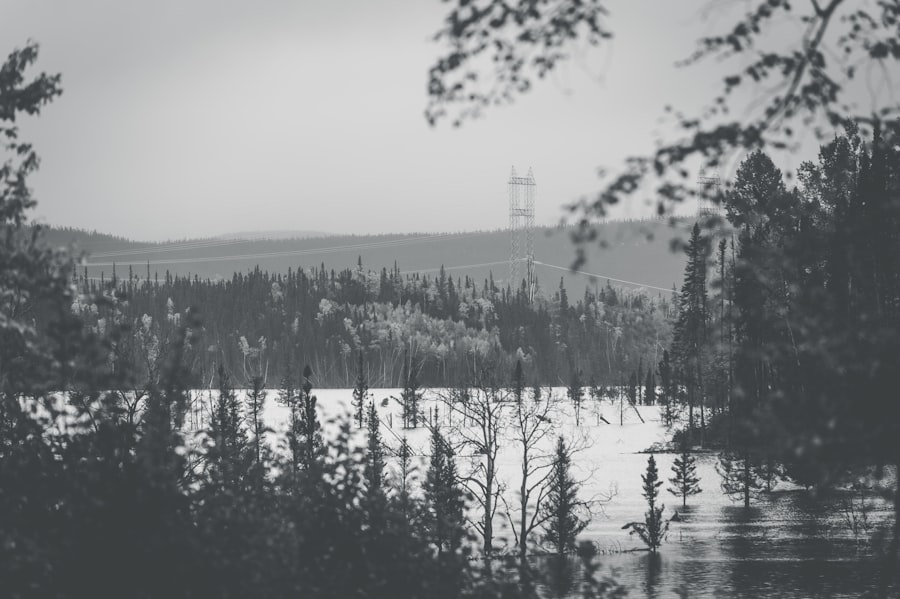
Following the cessation of the Missoula Floods, Oregon’s landscape began a process of recovery and adaptation. While the scars of the cataclysm remained, new ecosystems gradually established themselves, and the land began to evolve under different geological and climatic pressures. The geological imprint of the floods, however, continued to influence the region’s development.
The Establishment of Modern Drainage Systems
The massive reshaping of the land by the floods significantly influenced the development of modern drainage systems. Rivers and streams gradually adjusted to the altered topography, carving new paths or modifying existing ones. The Columbia River, though already a significant waterway, saw its course and floodplain significantly impacted and reshaped by the immense erosional and depositional forces of the floods. Drainage patterns in the Willamette Valley also underwent significant adjustments as water found new routes through the deposited sediments.
The Columbia River’s Reconnaissance and Reconfiguration
The Columbia River, as the primary conduit for the floodwaters exiting the Gorge, was profoundly affected. The floods enlarged and deepened sections of the river, scoured its bed, and altered its floodplains. While the river system has continued to evolve over millennia, the fundamental pathway carved and modified by the Missoula Floods remains a dominant feature of the region’s hydrology. Understanding the pre-flood course of the Columbia and how it was dramatically altered highlights the sheer magnitude of the water’s power.
The Evolution of the Willamette’s Drainage Network
The Willamette River’s drainage network is also a product, in part, of the Missoula Floods. The vast sediment deposits laid down in the valley created new surfaces and influenced the development of tributaries and the eventual course of the Willamette itself. The valley floor, sculpted by the floodwaters, provided a foundation upon which the modern river system gradually established its patterns of flow and deposition.
Vegetation Succession and Ecosystem Development
Following the floods, the land, once scoured and denuded, began to regrow. Plant communities adapted to the new soil conditions and the altered topography. This process of vegetation succession, from pioneer species colonizing barren ground to more complex forest ecosystems, gradually returned a green mantle to the landscape. The fertile soils deposited by the floods played a key role in supporting the development of these new ecosystems.
Early Colonizers and Pioneer Species
Immediately after the floods receded, the land was largely bare, offering little to support established plant life. However, the resilience of nature soon became evident. Pioneer species, capable of surviving in harsh conditions and with the ability to colonize disturbed soils, were among the first to take root. These hardy plants, often wind-dispersed or carried by migrating animals, began the long process of ecological recovery, anchoring soils and creating microhabitats for other species.
The Gradual Return of Forests and Wetlands
Over centuries and millennia, the landscape gradually transformed. As soil developed and the climate stabilized, more complex plant communities emerged. Forests began to re-establish themselves in suitable areas, and wetlands formed in low-lying areas where water persisted. The composition of these ecosystems was influenced by the available seed sources, the prevailing climate, and the specific conditions of the soil and topography created by the floods.
Cataclysmic floods have played a significant role in reshaping Oregon’s landscape, leaving behind a dramatic imprint that can still be observed today. These events, often linked to glacial melt and rapid climate changes, have carved out valleys and created unique geological formations. For a deeper understanding of how these floods transformed the region, you can explore a related article that delves into the geological impacts and historical context of these natural disasters. Discover more about this fascinating topic in the article found here.
Enduring Evidence and Ongoing Research
| Event | Date | Location | Impact |
|---|---|---|---|
| Missoula Floods | 15,000 – 13,000 years ago | Willamette Valley, Columbia River Gorge | Carved out the Columbia River Gorge, deposited rich soil in the Willamette Valley |
| Great Flood of 1862 | December 1861 – January 1862 | Willamette Valley, Portland | Devastating flooding, reshaped the Willamette Valley, changed the course of the Willamette River |
| Christmas Flood of 1964 | December 1964 | Willamette Valley, Oregon Coast | Widespread flooding, significant damage to infrastructure and agriculture |
The cataclysmic floods that reshaped Oregon’s landscape are not a forgotten chapter of geological history. The enduring evidence in the land, coupled with ongoing scientific research, continues to illuminate the power of these ancient events and their lasting impact.
Geological Markers: Kettle Lakes, Scablands, and Boulders
The most visible legacies of the Missoula Floods are found in the landforms they created. Giant erratic boulders, transported miles from their origin and deposited by the icebergs within the floodwaters, are scattered across the landscape, serving as silent witnesses to the journey. The distinctive channeled scablands, with their parallel erosional features, are a direct result of the immense erosive power of the water. Even seemingly small features, like the numerous kettle lakes and depressions formed by melting ice blocks within the sediment deposits, are reminders of the dramatic events of the past.
The Significance of Giant Erratic Boulders
The presence of massive, out-of-place boulders is a compelling piece of evidence for the Missoula Floods. These erratics, often composed of rock types not found locally, were carried by icebergs that floated within the floodwaters. When the icebergs melted, they dropped their rocky cargo, leaving these giant stones isolated on the landscape. Their size and distribution provide clues to the depth and extent of the floodwaters.
Kettle Lakes and Depressions as Ice Block Remnants
As the floodwaters receded, large blocks of ice, some as large as buildings, were often left stranded within the deposited sediment. As these ice blocks slowly melted over years or even decades, they left behind depressions in the ground. Many of these depressions subsequently filled with water, forming kettle lakes and ponds. The widespread occurrence of these features in areas impacted by the floods is a direct consequence of the melting ice that was part of the flood debris.
Scientific Inquiry: Dating, Modeling, and Understanding Past Climates
Geologists and other scientists continue to study the Missoula Floods. Through techniques such as radiocarbon dating, paleomagnetic analysis, and sophisticated computer modeling, they are refining our understanding of the timing, frequency, and dynamics of these events. This research not only clarifies Oregon’s geological history but also contributes to our broader understanding of past climate change and the potential impacts of massive hydrological events.
Paleoseismic Studies and Ice Dam Dynamics
Ongoing research employs paleoseismic methods to understand the frequency and magnitude of the ice dam collapses. By analyzing sediment layers and erosion patterns, scientists can infer how often the ice dam failed and the resulting volume of water released. This detailed analysis helps to reconstruct the complex dynamics of glacial ice dam formation and catastrophic failure, providing insights that may be relevant to understanding similar geological processes in other regions and potentially even predicting future events.
Reconstructing Flood Models and Future Projections
Advanced computer modeling allows scientists to simulate the Missoula Floods, visualizing the flow of water, the erosional forces at play, and the deposition of sediment. These models help to interpret the geological evidence in a dynamic way and provide a more comprehensive understanding of the flood dynamics. While direct prediction of such cataclysmic events is not possible, understanding the factors that contributed to the Missoula Floods can inform our understanding of how large-scale hydrological events might behave under different climatic conditions.
The cataclysmic floods that reshaped Oregon’s landscape stand as a monumental testament to the Earth’s geological forces. The Missoula Floods, in particular, left an indelible mark, sculpting canyons, creating fertile plains, and influencing the very fabric of the region. While these events occurred in the distant past, their enduring geological evidence continues to be a source of scientific inquiry and a reminder of the dynamic and ever-changing nature of our planet.
FAQs
What were the cataclysmic floods that reshaped Oregon’s landscape?
The cataclysmic floods that reshaped Oregon’s landscape were the result of massive ice age floods known as the Missoula Floods. These floods occurred around 15,000 years ago and were caused by the sudden release of glacial Lake Missoula in Montana.
How did the cataclysmic floods reshape Oregon’s landscape?
The cataclysmic floods reshaped Oregon’s landscape by carving out the Columbia River Gorge, creating the Willamette Valley, and depositing massive amounts of sediment and boulders across the region. The floods also formed the unique geological features such as the scablands and the channeled scablands.
What evidence supports the occurrence of cataclysmic floods in Oregon?
Evidence supporting the occurrence of cataclysmic floods in Oregon includes the presence of massive gravel bars, ripple marks, and other sedimentary deposits that are consistent with the characteristics of glacial outburst floods. Additionally, the unique geological formations in the region are indicative of the catastrophic flooding events.
What impact did the cataclysmic floods have on Oregon’s ecosystems?
The cataclysmic floods had a significant impact on Oregon’s ecosystems by creating diverse habitats and influencing the distribution of plant and animal species. The floods also played a role in shaping the fertile soils of the Willamette Valley, which has supported agriculture in the region for thousands of years.
How are the cataclysmic floods in Oregon studied and preserved today?
The cataclysmic floods in Oregon are studied and preserved through geological research, archaeological investigations, and the establishment of national monuments and parks. Scientists continue to analyze the geological evidence and conduct field studies to better understand the impact of these cataclysmic floods on Oregon’s landscape.