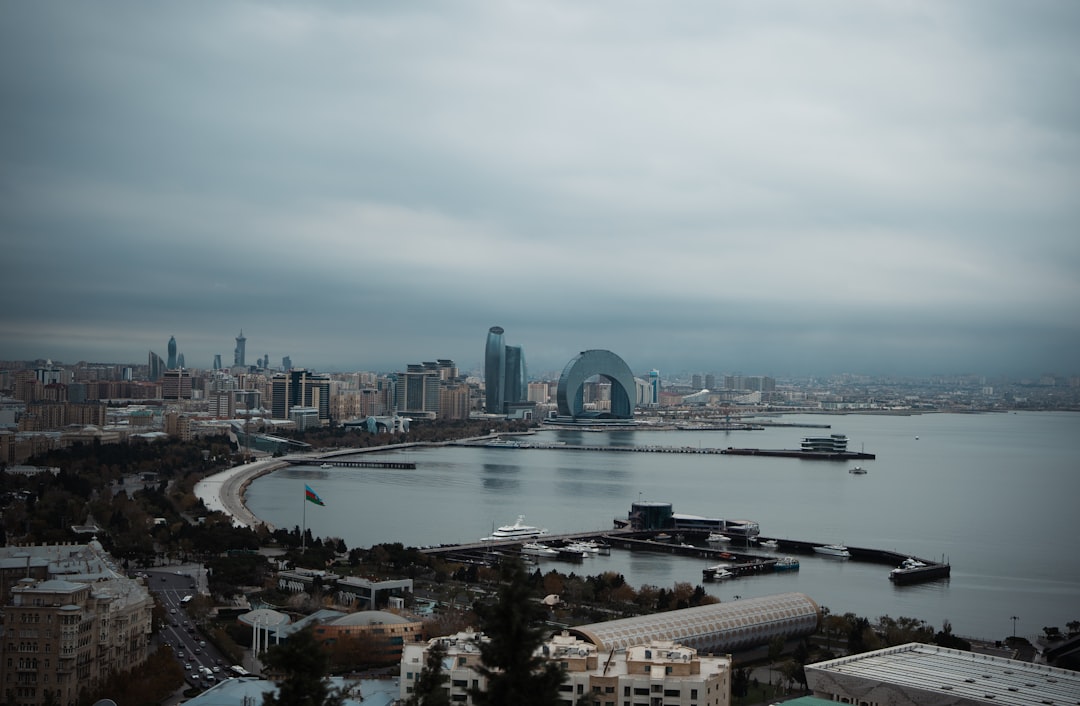
The Caspian Sea, a gargantuan body of water cradled between Europe and Asia, presents a question that has long captivated geographers, scientists, and policymakers alike: is it a sea, or is it a lake? This seemingly simple query, a linguistic riddle wrapped in a geographical puzzle, carries profound implications for international law, resource management, and the sovereignty of the five nations that border its shores. To unravel this enigma, one must delve into the very definitions of these water bodies, examine the Caspian’s unique characteristics, and explore the historical and legal contexts that have shaped its perception.
The Broad Strokes: Salinity and Connection
At its most fundamental level, the distinction between a sea and a lake often hinges on two primary criteria: salinity and its connection to the global ocean. Seas are typically characterized by their saltwater composition, a direct result of their unimpeded connection to the vast, interconnected ocean system. This connection allows for the continuous exchange of water, influencing tides, currents, and the very chemistry of the water. Lakes, on the other hand, are generally defined as enclosed bodies of freshwater, meaning they are not directly connected to the ocean. While some lakes can be saline, this is usually due to unique geological or climatic factors that lead to the evaporation of water and the concentration of dissolved salts, rather than a direct oceanic influx.
The Nuances of Classification: Geological and Hydrological Factors
However, the simplicity of these definitions can be deceiving. Geologists and hydrologists employ a more nuanced approach, considering factors such as origin, depth, and the presence of a natural outflow. Seas, in a geological sense, are often remnants of ancient oceans, exhibiting characteristics of oceanic crust beneath their basins. They are typically deeper and possess more complex bathymetry. Lakes, conversely, can form through a variety of geological processes, including tectonic activity, glacial carving, or volcanic caldera formation. The presence or absence of a natural outlet, a river that carries water away to the sea, is another critical, though not always definitive, indicator.
The Shadow of the Ocean: Historical Connections and Geographic Isolation
The historical connection to the global ocean is a crucial element in the debate. Bodies of water that were once part of a larger ocean but have become landlocked due to geological shifts or changes in sea level might retain certain oceanic characteristics. Conversely, a body of water can be geographically enclosed yet possess salinity akin to a sea due to specific environmental conditions. This interplay between historical oceanic lineage and current geographic isolation is at the heart of the Caspian Sea’s classification quandary.
The ongoing debate about whether the Caspian Sea should be classified as a sea or a lake has intrigued geographers and scientists alike. A related article that delves into the complexities of this classification can be found at My Geo Quest, where various perspectives and scientific insights are explored, shedding light on the unique characteristics of this body of water.
The Caspian’s Unique Identity: A Water Body in Flux
A Saline Anomaly: Not Quite Freshwater, Not Quite Ocean
The Caspian Sea presents a fascinating paradox. While it is decidedly saline, its salinity is significantly lower than that of most oceans, averaging about one-third that of typical seawater. This is due to the substantial inflow of freshwater from the Volga River, Europe’s longest river, which accounts for roughly 80% of the water entering the Caspian. This inflow acts as a constant diluent, preventing the water from reaching oceanic salinity levels. However, the salinity is not uniform, with the northern parts being considerably less saline than the southern regions, especially in the Kara-Bogaz-Gol Bay, a hyper-saline lagoon that acts as a natural evaporator.
Enclosed and Enduring: A Landlocked Giant
Geographically, the Caspian Sea is unequivocally landlocked. There is no natural direct connection to any ocean. Its vast expanse is hemmed in by Russia, Kazakhstan, Turkmenistan, Iran, and Azerbaijan. This enclosure is a defining feature, contributing to the arguments for its classification as a lake. The absence of a free-flowing outflow also means that the water level is dictated by a delicate balance between inflow and evaporation, making it susceptible to significant fluctuations based on climate and river discharge.
A Hydrographic Enigma: Depth and Basin Characteristics
In terms of depth, the Caspian Sea exhibits a varied bathymetry, with a relatively shallow northern shelf and a much deeper southern basin. The southern basin reaches depths of over 1,000 meters, a characteristic that some might associate with oceanic features. However, the underlying geological structure of the Caspian basin is also a subject of scientific debate. Some geologists argue that it possesses characteristics of oceanic crust, while others maintain it is continental. This ambiguity in its geological formation further complicates a straightforward classification.
The Legacy of Definitions: Historical and International Law Perspectives
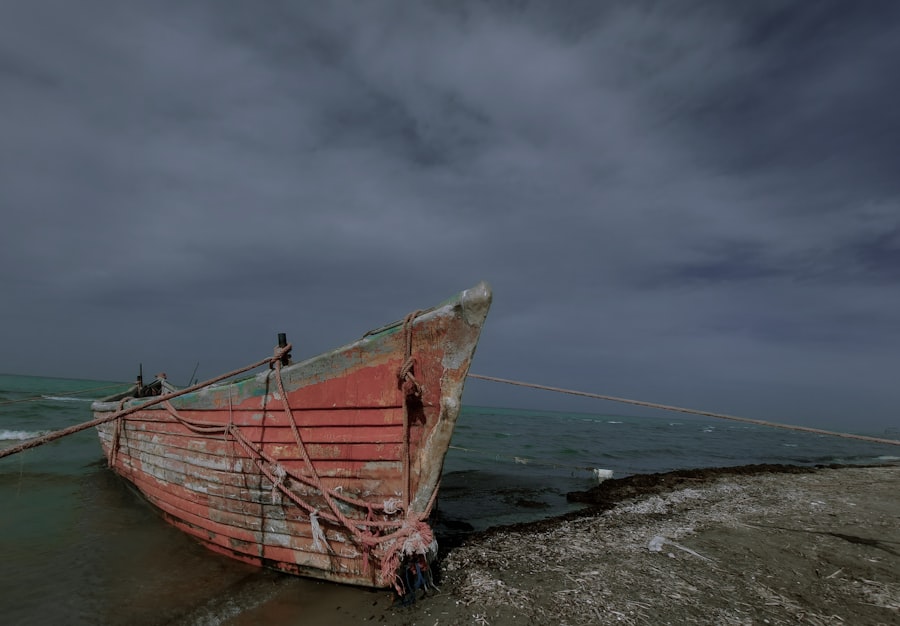
Navigating the Legal Waters: The UNCLOS Framework
The primary international legal instrument governing the oceans is the United Nations Convention on the Law of the Sea (UNCLOS). UNCLOS defines what constitutes a “sea” and establishes rights and responsibilities concerning territorial waters, exclusive economic zones, and the high seas. Crucially, UNCLOS applies to all areas of the sea, but it does not explicitly define what constitutes a “lake” in the context of international law. This omission has left a legal vacuum when it comes to landlocked bodies of water that exhibit characteristics of seas.
The Argument for “Sea”: Navigational Rights and Resource Access
Those who advocate for the Caspian to be treated as a sea often point to its size, its historical salinity, and its economic importance. Treating it as a sea, under the principles of UNCLOS, would allow for the division of its waters and seabed into territorial seas, exclusive economic zones, and potentially a high seas area. This division would grant coastal states greater control over the resources within these zones, particularly the vast reserves of oil and natural gas that lie beneath the Caspian seabed. The potential for unimpeded navigation by all states would also be a significant consideration.
The Case for “Lake”: Sovereignty and Unique Regimes
Conversely, proponents of the Caspian’s classification as a lake argue that its landlocked nature and lack of connection to the global ocean are paramount. In international law, lakes are generally considered within the sovereign territory of the bordering states. This would imply that the resources and waters of the Caspian would be subject to a different regime, one of shared sovereignty and cooperation among the riparian states. This perspective often emphasizes the need for a bespoke agreement rather than the imposition of oceanic legal frameworks.
The Accords of the Past: Pre-UNCLOS Treaties and Practices
Before the advent of UNCLOS and the subsequent independence of the Soviet republics bordering the Caspian, the status of the sea was governed by a series of bilateral and multilateral agreements between the Soviet Union and Iran. These agreements, some dating back to the early 20th century, often treated the Caspian as a shared resource or a body of water governed by specific condominium arrangements. The collapse of the Soviet Union in 1991 necessitated a re-evaluation of these arrangements, leading to the current impasse.
The Caspian’s Future: Resource Scramble and Diplomatic Challenges
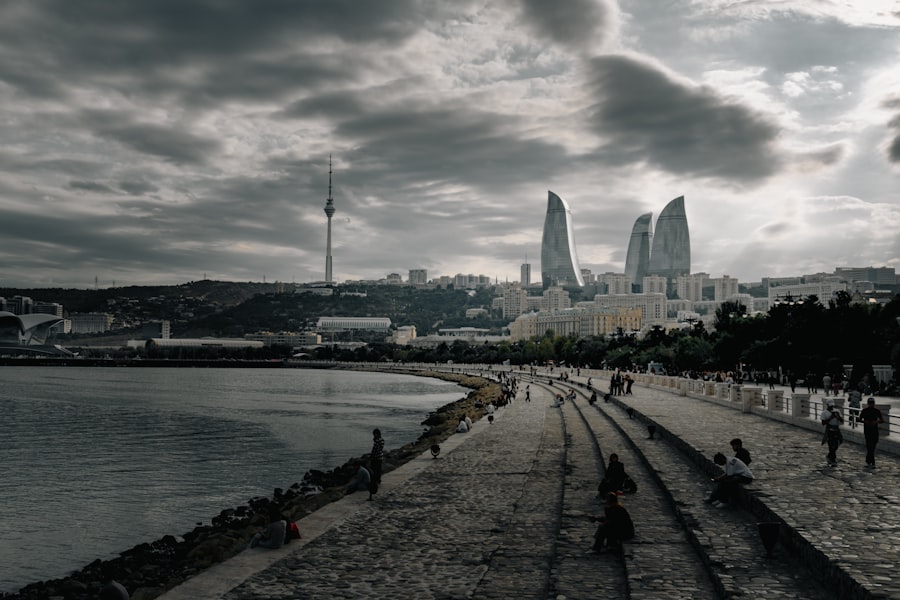
The Black Gold Rush: Oil, Gas, and Economic Stakes
The Caspian Sea sits atop immense reserves of oil and natural gas, particularly in the northern and central offshore regions. The economic stakes are incredibly high, with billions of dollars in potential revenue driving the competing claims and legal interpretations. The exploration and exploitation of these resources require substantial investment and stable legal frameworks. The differing interpretations of the Caspian’s status directly impact how these resources can be accessed and shared, creating a complex geopolitical landscape.
Dividing the Spoils: The Seabed Delimitation Dilemma
The central challenge in any treaty governing the Caspian is the delimitation of the seabed. Should the Caspian be treated as a lake, the seabed could be divided based on median lines drawn between the coastal states, a process that can be fraught with disputes. If it were treated as a sea, the lines of demarcation would follow principles established in UNCLOS, potentially leading to larger exclusive economic zones for some states. The absence of a universally agreed-upon legal framework has led to a period of uncertainty and a potential for conflict.
The Environmental Imperative: A Shared Responsibility
Beyond the economic and legal considerations, the Caspian Sea faces significant environmental challenges. Pollution from oil extraction, industrial waste, and agricultural runoff threatens its delicate ecosystem. The Caspian Seal, an endemic species, is particularly vulnerable. The long-term health of the Caspian depends on cooperation and effective environmental management, regardless of its legal classification. A clear legal framework could facilitate the implementation of joint conservation efforts and pollution control measures.
The ongoing debate about whether the Caspian Sea should be classified as a sea or a lake has intrigued geographers and legal experts alike. A related article discusses the implications of this classification on international law and environmental policies, shedding light on how the unique characteristics of the Caspian influence its status. For more insights on this topic, you can read the full article here.
The Verdict? A Matter of Definition and Diplomacy
| Criteria | Caspian Sea | Lake | Sea |
|---|---|---|---|
| Surface Area | Approximately 371,000 km² | Typical lakes are smaller; Caspian is largest enclosed inland body of water | Seas are generally connected to oceans; Caspian is landlocked |
| Salinity | ~1.2% (about one-third of ocean salinity) | Lakes can be freshwater or saline; Caspian is saline | Seas are saline, similar to oceans |
| Connection to Ocean | No natural connection; landlocked | Lakes are typically landlocked | Seas usually connected to oceans |
| Legal Status | Disputed; some treaties call it a sea, others a lake | Classified as a lake by some countries for legal reasons | Classified as a sea by others for maritime law purposes |
| Economic Importance | Rich in oil and natural gas reserves | Lakes generally less significant for hydrocarbons | Seas often important for shipping and resources |
| Marine Life | Unique ecosystem with both freshwater and marine species | Lakes have freshwater species | Seas have marine species |
A Hybrid Entity: Bridging the Gap
Ultimately, the Caspian Sea defies easy categorization. It is a body of water that embodies characteristics of both seas and lakes. It possesses saline water and a large surface area like a sea, yet it is entirely enclosed by land and lacks a direct connection to the global ocean, like a lake. This ambiguity has led to its often being described as a “hybrid entity” or a “body of water with unique characteristics.”
The Moscow Convention and the Path Forward
In 2018, the five littoral states signed the Convention on the Legal Status of the Caspian Sea, often referred to as the “Moscow Convention.” This landmark agreement, after decades of negotiation, established a framework for cooperation and resource management. While it does not definitively declare the Caspian a “sea” or a “lake” in universally accepted international legal terms, it avoids strict adherence to either UNCLOS or traditional lake law. Instead, it outlines a compromise, defining territorial waters, fishing zones, and agreeing on the principles for the delimitation of the seabed and subsoil on a condominium basis in certain areas, while allowing for agreements between adjacent states for other parts.
A Pragmatic Solution: Function Over Form
The Moscow Convention represents a pragmatic approach, prioritizing practical solutions for resource sharing and cooperation over settling a semantic debate. It acknowledges the Caspian’s unique nature and seeks to avoid the complexities and potential conflicts that would arise from rigidly applying either the law of the sea or the law of lakes. The convention lays the groundwork for future agreements on resource exploitation, navigation, and environmental protection, demonstrating that while the question of “sea or lake” may persist as an academic discussion, a functional consensus has been forged on the waters of the Caspian.
The Caspian Sea, therefore, remains a subject of ongoing fascination and a testament to the complexities of our planet’s geography and the international legal systems we construct to govern it. Its fate, and the fate of its rich resources, will continue to be shaped by the evolving diplomatic relationships and shared responsibilities of the nations that call its shores home. It stands not as a simple sea or lake, but as a unique chapter in the global story of water and diplomacy, a testament to how necessity can forge a new path when existing definitions fall short.
FAQs
What is the Caspian Sea?
The Caspian Sea is the world’s largest enclosed inland body of water, located between Europe and Asia. It is bordered by five countries: Russia, Kazakhstan, Turkmenistan, Iran, and Azerbaijan.
Why is there a debate about whether the Caspian Sea is a sea or a lake?
The debate arises because the Caspian Sea is an enclosed body of water with no natural outflow, characteristics typical of a lake. However, it is also saline and has a large size and depth similar to a sea. This ambiguity affects legal and territorial rights among bordering countries.
What are the main differences between a sea and a lake?
A sea is typically a large body of saltwater connected to an ocean, while a lake is usually a smaller, enclosed body of freshwater or saltwater with no direct connection to the ocean. Seas often have tides and marine life influenced by ocean currents, whereas lakes do not.
How does the classification of the Caspian Sea affect international law?
If classified as a sea, the Caspian would be subject to maritime laws under the United Nations Convention on the Law of the Sea (UNCLOS), affecting territorial waters and resource rights. If considered a lake, it would be governed by agreements among the bordering countries, impacting the division of resources like oil and gas.
What is the current consensus on the Caspian Sea’s status?
There is no universal consensus. The five bordering countries have reached agreements treating the Caspian as a unique body of water with special legal status, neither fully a sea nor a lake, to manage resource sharing and territorial claims cooperatively.