
The Bikinian people, indigenous to the Bikini Atoll in the Marshall Islands, represent a unique cultural heritage that has endured significant challenges over the decades. Known for their deep connection to the ocean and their rich traditions, the Bikinian community has faced numerous adversities, particularly due to external forces that have disrupted their way of life. Their story is one of resilience, marked by a struggle to maintain their identity in the face of overwhelming change.
The Bikinian people are not just a group defined by their geographical location; they embody a rich tapestry of history, culture, and an enduring spirit that continues to inspire. The Bikini Atoll, once a paradise of lush islands and vibrant marine life, served as the home for the Bikinian people for centuries. Their existence was intricately tied to the land and sea, which provided sustenance and shaped their cultural practices.
However, the mid-20th century brought unprecedented upheaval as global powers turned their gaze toward the Pacific for nuclear testing. This pivotal moment in history not only altered the physical landscape of the atoll but also had profound implications for the Bikinian people, leading to a series of events that would forever change their lives.
Key Takeaways
- The Bikinian people are a Pacific Islander community with a rich cultural heritage and deep connection to their ancestral homeland.
- Bikini Atoll has a complex history, from being a German colony to being occupied by Japan during World War II, and later becoming a site for nuclear testing by the United States.
- The Bikinian people have a strong sense of community and place great importance on traditional practices such as fishing, navigation, and storytelling.
- The nuclear testing on Bikini Atoll had devastating effects on the Bikinian people, leading to forced displacement and long-term health and environmental consequences.
- Forced to leave their homeland, the Bikinian people faced numerous challenges in exile, including adapting to new environments and struggling to maintain their cultural identity.
History of Bikini Atoll
The history of Bikini Atoll is steeped in both beauty and tragedy. Before the arrival of foreign powers, the atoll was home to a thriving community that engaged in fishing, farming, and traditional practices. The Bikinian people lived harmoniously with their environment, developing a deep understanding of the ocean’s rhythms and resources.
Their society was organized around communal living, with strong familial ties and a rich oral tradition that passed down knowledge through generations. However, this idyllic existence was shattered in 1946 when the United States government selected Bikini Atoll as a site for nuclear testing. The first test, known as Operation Crossroads, marked the beginning of a series of detonations that would forever alter the landscape and the lives of its inhabitants.
The Bikinian people were forcibly evacuated from their homes, with promises of return that would ultimately remain unfulfilled. The tests not only devastated the environment but also left lasting scars on the community’s psyche, as they were thrust into a world of uncertainty and displacement.
The Bikinian People: Culture and Traditions
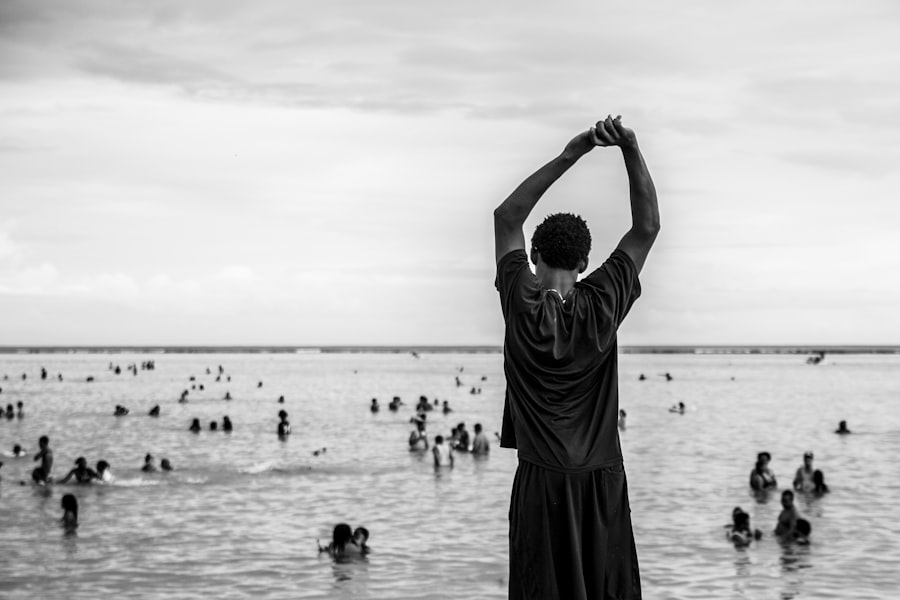
The culture of the Bikinian people is rich and diverse, characterized by traditions that have been passed down through generations. Their way of life is deeply intertwined with the ocean, which serves as both a source of sustenance and a central element in their cultural practices. Fishing, weaving, and storytelling are integral parts of their daily lives, reflecting a profound respect for nature and an understanding of its cycles.
The Bikinian language, along with traditional songs and dances, plays a crucial role in preserving their identity and fostering community bonds. Ceremonies and rituals are also significant in Bikinian culture, often marking important life events such as births, marriages, and funerals. These gatherings serve not only as celebrations but also as opportunities for communal reflection and reaffirmation of cultural values.
The Bikinian people’s connection to their ancestors is palpable in these traditions, as they honor those who came before them while instilling a sense of pride in their heritage among younger generations.
The Impact of Nuclear Testing on the Bikinian People
| Year | Nuclear Tests Conducted | Evacuation of Bikinian People | Health Effects |
|---|---|---|---|
| 1946-1958 | 23 | 1946, 1947, 1948, 1954 | Increased cancer rates, birth defects, thyroid disorders |
| 1985 | Compensation and resettlement agreement | Compensation and resettlement agreement reached with the US government | Continued health issues and challenges in resettlement |
The impact of nuclear testing on the Bikinian people cannot be overstated. The detonation of atomic bombs over Bikini Atoll resulted in immediate and catastrophic consequences for both the environment and the inhabitants. The once-pristine waters became contaminated, rendering traditional fishing practices dangerous and unsustainable.
The land itself was scarred by radiation, leading to long-term health issues among those who had been exposed to the fallout. Beyond physical destruction, the psychological toll on the Bikinian community has been profound. The loss of their homeland and way of life has led to feelings of grief and dislocation that persist to this day.
Many Bikinian people have reported experiencing anxiety and depression as a result of their forced displacement and the ongoing uncertainty surrounding their future. The legacy of nuclear testing has created a complex web of challenges that continue to affect their health, culture, and identity.
Forced Displacement: The Bikinian People’s Experience
The forced displacement of the Bikinian people is a harrowing chapter in their history. In 1946, when they were evacuated from Bikini Atoll, they were promised that they would be able to return after a brief period. However, this promise was quickly broken as subsequent nuclear tests rendered their homeland uninhabitable.
The Bikinian people were relocated to other islands within the Marshall Islands, but these new environments could not replicate the richness of their original home. The experience of displacement has been marked by loss—not only of land but also of cultural practices that were intimately tied to their environment. The Bikinian people found themselves grappling with a new reality that included unfamiliar surroundings and limited resources.
This dislocation has led to a fragmentation of community ties and cultural practices, as many individuals struggled to adapt to life in exile while holding onto memories of their ancestral home.
Life in Exile: The Challenges Faced by the Bikinian People
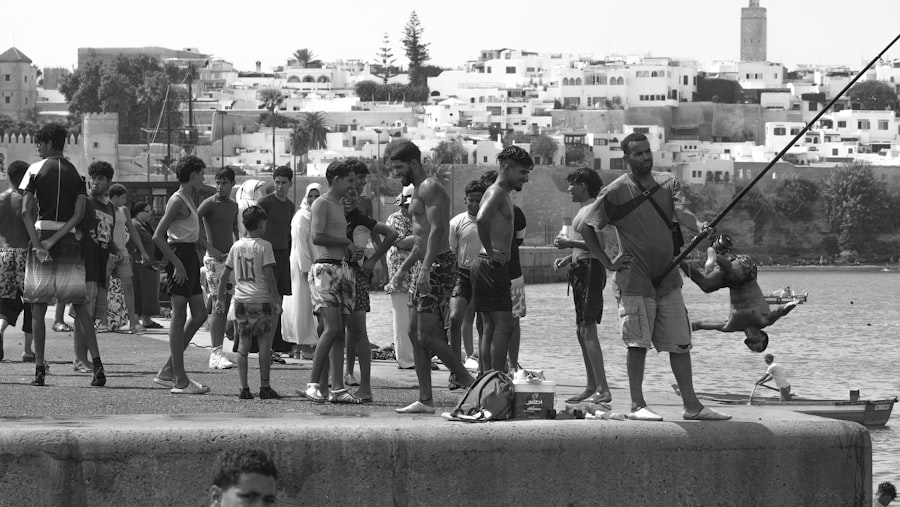
Life in exile has presented numerous challenges for the Bikinian people.
The transition from their traditional lifestyle to one dictated by external circumstances has been fraught with obstacles.
Many Bikinian families have struggled to maintain their cultural practices in an environment that often feels foreign. Moreover, the psychological impact of exile cannot be overlooked. Many Bikinian individuals experience a profound sense of loss—of home, identity, and community.
This emotional burden is compounded by ongoing health issues related to radiation exposure from nuclear testing. As they navigate life in exile, the Bikinian people continue to confront both physical and mental health challenges that stem from their traumatic past.
Advocacy and Activism: The Bikinian People’s Fight for Justice
In response to their plight, the Bikinian people have engaged in advocacy and activism aimed at seeking justice for the injustices they have endured. Over the years, they have worked tirelessly to raise awareness about the impact of nuclear testing on their lives and environment. Through various organizations and partnerships with international bodies, they have sought recognition for their struggles and compensation for the damages inflicted upon them.
Their activism has taken many forms—from grassroots movements to formal petitions for reparations. The Bikinian people’s efforts have garnered attention on global platforms, highlighting not only their specific situation but also broader issues related to nuclear disarmament and indigenous rights. Their fight for justice is not just about seeking reparations; it is also about reclaiming their narrative and ensuring that future generations understand the significance of their history.
The Bikinian People’s Resettlement Efforts
In recent years, there have been ongoing discussions regarding resettlement efforts for the Bikinian people. While some individuals have returned to Bikini Atoll under controlled conditions, many remain skeptical about the safety and viability of returning permanently. The environmental degradation caused by nuclear testing has left lingering concerns about radiation levels and food safety on the atoll.
Resettlement efforts are complicated by various factors, including political negotiations with governments and international organizations. The Bikinian people’s desire to return home is often met with bureaucratic hurdles that can delay progress. Nevertheless, there remains a strong sense of hope among many community members who yearn for a return to their ancestral land—a place that holds deep cultural significance despite its troubled history.
The Legacy of Displacement: Intergenerational Trauma
The legacy of displacement has created intergenerational trauma within the Bikinian community. Children born into exile often carry the weight of their ancestors’ experiences—feelings of loss, dislocation, and uncertainty permeate family narratives. This trauma can manifest in various ways, affecting mental health and community cohesion as younger generations grapple with an identity shaped by both cultural heritage and historical injustice.
Efforts to address this intergenerational trauma are crucial for healing within the community. Initiatives focused on mental health support, cultural education, and community-building activities can help foster resilience among Bikinian youth. By acknowledging their past while also looking toward a hopeful future, there is potential for healing that honors both individual experiences and collective memory.
The Bikinian People Today: Preserving Culture and Identity
Despite the challenges they face, the Bikinian people remain committed to preserving their culture and identity. Community leaders emphasize the importance of passing down traditional knowledge through storytelling, language preservation initiatives, and cultural events that celebrate their heritage. These efforts serve not only as a means of maintaining cultural continuity but also as a source of pride for younger generations who seek to connect with their roots.
In addition to cultural preservation efforts, there is also a growing movement among the Bikinian people to engage with broader environmental issues facing their homeland. As climate change poses new threats to island communities worldwide, many Bikinian individuals are advocating for sustainable practices that honor both their cultural traditions and environmental stewardship.
Looking Towards the Future: The Bikinian People’s Hopes and Aspirations
Looking towards the future, the Bikinian people harbor hopes and aspirations rooted in resilience and determination. Many envision a return to Bikini Atoll—an opportunity not only to reclaim their homeland but also to revitalize their cultural practices in an environment that holds deep significance for them. This vision is accompanied by a commitment to ensuring that future generations understand their history while embracing new possibilities.
As they navigate ongoing challenges related to displacement and environmental change, there is also a growing recognition among the Bikinian people of the importance of solidarity within indigenous movements globally. By connecting with other marginalized communities facing similar struggles, they aim to amplify their voices while advocating for justice on multiple fronts—environmental protection, human rights, and cultural preservation.
As they continue to navigate life in exile while holding onto hopes for justice and resettlement, they remain steadfast in preserving their rich cultural heritage for generations to come.
The story of the Bikinian people’s displacement is a poignant chapter in history, highlighting the profound impact of nuclear testing on indigenous communities. This narrative is intricately connected to broader themes of environmental and cultural disruption. For a deeper understanding of how geographical and historical events shape communities, you might find this related article insightful. It explores various instances where geographical changes have led to significant cultural and societal shifts, offering a broader context to the Bikinian experience.
FAQs
What is the Bikinian people displacement story?
The Bikinian people displacement story refers to the forced relocation of the indigenous people of Bikini Atoll in the Marshall Islands due to nuclear testing by the United States government.
When did the Bikinian people displacement occur?
The Bikinian people displacement occurred in 1946 when the United States government relocated the residents of Bikini Atoll to make way for nuclear testing.
Why were the Bikinian people displaced?
The Bikinian people were displaced to allow for the United States government to conduct nuclear testing on Bikini Atoll as part of the Cold War arms race.
How were the Bikinian people affected by the displacement?
The displacement of the Bikinian people had a profound impact on their way of life, culture, and health. They were relocated multiple times and suffered from the effects of nuclear radiation.
What is the current situation of the Bikinian people?
Many Bikinian people continue to be displaced from their homeland and struggle with the long-term effects of nuclear radiation. The Bikinian people continue to seek justice and proper compensation for their displacement and suffering.