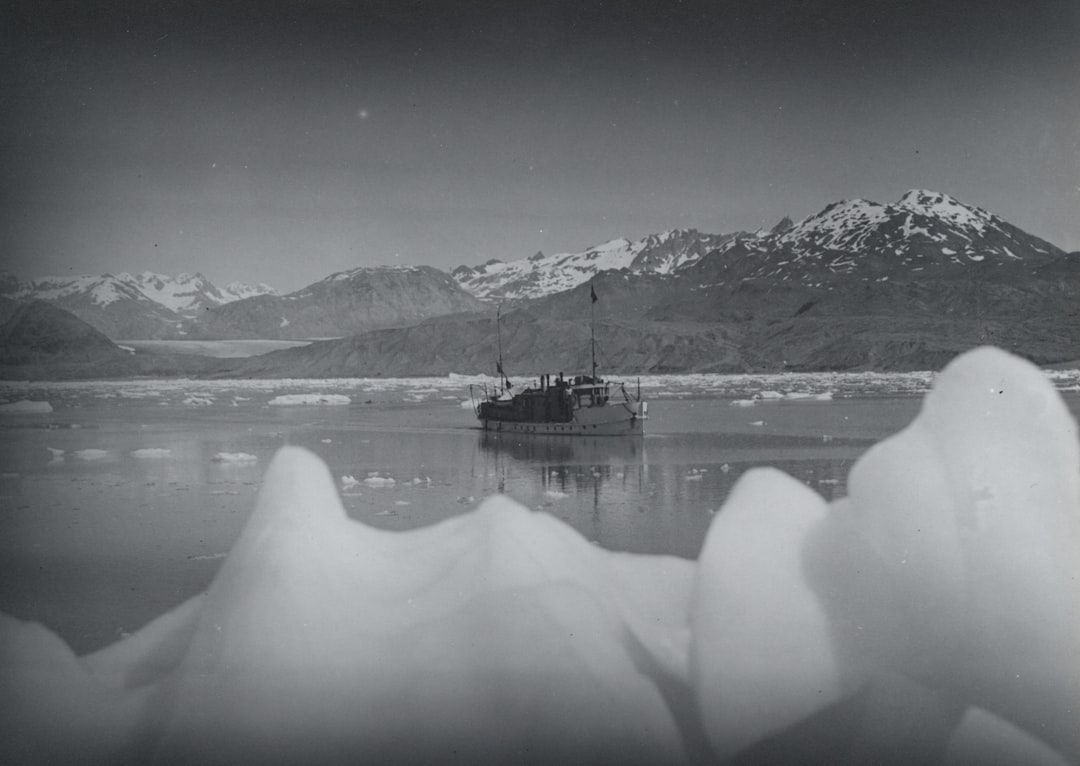
The Arctic region, historically characterized by extreme weather conditions and limited accessibility, has emerged as a significant area of interest for international maritime transportation. Climate change-induced ice reduction has opened previously impassable waterways, creating opportunities for shorter transit routes between major commercial centers. The Northern Sea Route, which runs along Russia’s northern coast, and the Northwest Passage, located through the Canadian Arctic Archipelago, represent the primary alternative shipping corridors currently under development.
These Arctic routes offer substantial reductions in shipping distances compared to traditional pathways. The Northern Sea Route can reduce transit time between Europe and Asia by approximately 40% compared to the Suez Canal route, while the Northwest Passage provides similar time savings for North American-Asian trade. This efficiency gain addresses ongoing challenges with conventional routes, including capacity constraints, seasonal congestion, and elevated transit costs at the Suez and Panama Canals.
The development of Arctic shipping infrastructure carries significant geopolitical implications for international trade networks. Countries with Arctic territorial claims—including Russia, Canada, Norway, the United States, and Denmark—are positioned to influence access to these routes through regulatory frameworks and infrastructure investment. Russia has established the most comprehensive Arctic shipping infrastructure, operating nuclear-powered icebreakers and developing port facilities along the Northern Sea Route.
The economic potential of these routes has intensified territorial disputes and prompted increased military presence in the region, as nations seek to secure their strategic interests in Arctic waters.
Key Takeaways
- Arctic shipping routes are becoming increasingly important due to melting ice and shorter transit times.
- Increased shipping in the Arctic poses significant environmental risks, including pollution and habitat disruption.
- Geopolitical tensions are rising as nations compete for control over Arctic shipping lanes and resources.
- Technological advancements are crucial for safe and efficient navigation through challenging Arctic conditions.
- Indigenous communities are directly affected by Arctic shipping, raising concerns about their rights and environmental protection.
The Environmental Impact of Increased Arctic Shipping
While the economic benefits of Arctic shipping routes are enticing, the environmental implications cannot be overlooked. The Arctic is one of the most fragile ecosystems on the planet, home to unique wildlife and indigenous communities that depend on its resources. Increased shipping traffic poses significant risks, including oil spills, marine pollution, and disturbances to wildlife habitats.
The potential for accidents is heightened in this challenging environment, where harsh weather conditions and ice formations can complicate navigation and response efforts. Moreover, the carbon footprint associated with increased shipping activity raises concerns about climate change. As vessels traverse these pristine waters, they contribute to greenhouse gas emissions that exacerbate the very problem that is making these routes accessible.
The delicate balance between economic development and environmental preservation is a pressing issue that requires urgent attention from policymakers and industry leaders alike. Without stringent regulations and sustainable practices, the Arctic could face irreversible damage that would impact not only local ecosystems but also global climate patterns.
The Geopolitical Tensions Surrounding Arctic Shipping Routes

The emergence of Arctic shipping routes has intensified geopolitical tensions among nations with interests in the region. As countries vie for control over these valuable passages, issues of sovereignty and territorial rights come to the forefront. Russia has been particularly assertive in claiming its dominance over the Northern Sea Route, investing heavily in infrastructure and military presence to secure its interests.
Meanwhile, Canada maintains its stance on the Northwest Passage as internal waters, leading to disputes with other nations that view it as an international strait. These tensions are further complicated by the involvement of non-Arctic states, such as China, which has expressed interest in participating in Arctic shipping and resource extraction. China’s designation of itself as a “near-Arctic state” has raised eyebrows among Arctic nations, prompting concerns about its intentions and potential influence in the region.
As nations navigate these complex dynamics, the risk of conflict looms large, necessitating diplomatic efforts to establish clear guidelines and cooperative frameworks for managing Arctic shipping.
The Economic Opportunities of Arctic Shipping Routes
The economic potential of Arctic shipping routes is immense, offering opportunities for growth in various sectors. For shipping companies, the prospect of reduced transit times translates into lower operational costs and increased efficiency. This can lead to significant savings for businesses engaged in international trade, making Arctic routes an attractive option for transporting goods between Europe and Asia.
Additionally, the opening of these routes could stimulate investment in port infrastructure and logistics services in Arctic coastal communities. Beyond shipping, the Arctic region is rich in natural resources, including oil, gas, and minerals. As access to these resources becomes easier due to melting ice, countries are eager to explore and exploit them.
This could lead to job creation and economic development in local communities; however, it also raises questions about sustainability and environmental stewardship. Balancing economic growth with responsible resource management will be crucial in ensuring that the benefits of Arctic shipping are realized without compromising the region’s ecological integrity.
The Challenges of Navigating Arctic Shipping Routes
| Country | Arctic Coastline (km) | Key Arctic Ports | Military Presence | Shipping Route Control | Geopolitical Influence |
|---|---|---|---|---|---|
| Russia | 24,140 | Murmansk, Arkhangelsk, Dudinka | High (Arctic military bases, icebreaker fleet) | Dominant control over Northern Sea Route | Strong influence via Arctic Council and bilateral agreements |
| Canada | 202,080 (including Arctic Archipelago) | Churchill, Iqaluit, Tuktoyaktuk | Moderate (Arctic sovereignty patrols, icebreakers) | Control over Northwest Passage (disputed) | Significant influence in Arctic governance and indigenous rights |
| United States | 2,700 (Alaska coastline) | Nome, Barrow | Moderate (Coast Guard presence, Arctic strategy) | Limited direct control, strategic interest in Arctic routes | Growing geopolitical interest and military investment |
| Norway | 2,650 | Bodø, Tromsø, Kirkenes | Moderate (Arctic military bases, coast guard) | Control over Barents Sea routes | Active participant in Arctic Council and regional security |
| Denmark (Greenland) | 44,087 (Greenland coastline) | Nuuk, Sisimiut | Low to moderate (limited military presence) | Influence over Greenland Sea routes | Strategic geopolitical player via Greenland autonomy |
Navigating Arctic shipping routes presents a unique set of challenges that can deter even the most seasoned mariners. The unpredictable weather conditions, including fog, storms, and extreme cold, can create hazardous situations for vessels attempting to traverse these waters. Ice formations pose another significant obstacle; while advances in icebreaker technology have improved navigation capabilities, there remain limitations that can lead to delays or rerouting.
Furthermore, the lack of established infrastructure in many parts of the Arctic complicates logistics.
As traffic through these routes increases, there is a pressing need for investment in infrastructure development and safety measures to ensure that navigation remains viable and secure.
Addressing these challenges will be essential for fostering a sustainable shipping industry in the Arctic.
The Role of Technology in Facilitating Arctic Shipping
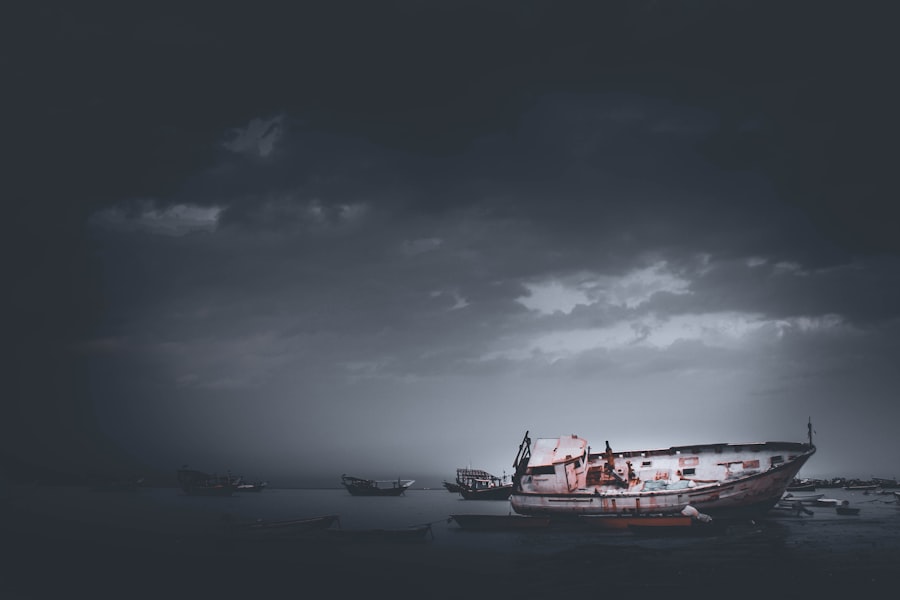
Technology plays a pivotal role in enhancing the safety and efficiency of Arctic shipping operations. Innovations in navigation systems, such as satellite-based tracking and advanced weather forecasting tools, have significantly improved situational awareness for vessels operating in these challenging environments. These technologies enable ships to make informed decisions regarding routing and timing, thereby minimizing risks associated with unpredictable weather and ice conditions.
Moreover, advancements in ship design have led to the development of more resilient vessels capable of withstanding harsh Arctic conditions. Ice-class ships are specifically engineered to navigate icy waters safely, incorporating reinforced hulls and specialized propulsion systems.
However, ongoing investment in research and development will be necessary to keep pace with the unique challenges posed by this dynamic region.
International Regulations and Agreements Governing Arctic Shipping
The governance of Arctic shipping is shaped by a complex web of international regulations and agreements aimed at ensuring safe and sustainable practices. The United Nations Convention on the Law of the Sea (UNCLOS) serves as a foundational framework for establishing maritime boundaries and rights within the Arctic region. Additionally, organizations such as the Arctic Council play a crucial role in fostering cooperation among Arctic states on issues related to environmental protection and sustainable development.
Despite these frameworks, gaps remain in regulatory oversight specific to Arctic shipping. As traffic increases, there is a growing call for more comprehensive regulations that address safety standards, environmental protection measures, and emergency response protocols. Collaborative efforts among Arctic nations will be essential in developing effective policies that balance economic interests with environmental stewardship.
Establishing clear guidelines will not only enhance safety but also promote responsible practices that safeguard the fragile Arctic ecosystem.
Indigenous Communities and Arctic Shipping Routes
Indigenous communities have lived in the Arctic for thousands of years, relying on its resources for their livelihoods and cultural practices. As shipping routes open up, these communities face both opportunities and challenges. Increased access to markets can provide economic benefits; however, it also raises concerns about potential disruptions to traditional ways of life and environmental degradation.
Engaging indigenous voices in discussions about Arctic shipping is crucial for ensuring that their rights and interests are respected. Many indigenous groups advocate for sustainable practices that prioritize environmental protection while allowing for economic development. Collaborative partnerships between indigenous communities and shipping companies can lead to mutually beneficial outcomes that honor traditional knowledge while embracing modern opportunities.
Recognizing the unique relationship between indigenous peoples and their environment is essential for fostering a balanced approach to Arctic shipping.
The Potential for Conflict in the Battle for Arctic Shipping Routes
As nations compete for control over lucrative Arctic shipping routes, the potential for conflict looms large on the horizon. Disputes over territorial claims can escalate tensions between countries seeking to assert their dominance in this strategically important region. The stakes are high; access to these routes not only facilitates trade but also opens doors to valuable natural resources beneath the seabed.
The risk of conflict is exacerbated by military posturing among Arctic nations. Increased naval presence and military exercises in the region signal a growing emphasis on securing national interests. Diplomatic efforts will be essential in mitigating tensions and fostering cooperation among nations with competing claims.
Establishing clear communication channels and collaborative frameworks can help prevent misunderstandings that could lead to conflict over these vital shipping routes.
The Future of Arctic Shipping Routes
The future of Arctic shipping routes is poised for transformation as climate change continues to reshape the landscape of global trade. With projections indicating further ice melt in the coming decades, it is likely that these routes will become increasingly navigable year-round. This shift presents both opportunities and challenges; while it may facilitate greater access to markets, it also raises concerns about environmental sustainability and geopolitical stability.
As stakeholders navigate this evolving landscape, proactive measures will be necessary to ensure responsible development of Arctic shipping routes. Investment in infrastructure, technology, and regulatory frameworks will be critical in addressing safety concerns while promoting economic growth. Collaborative efforts among nations will play a vital role in shaping a future where Arctic shipping can thrive without compromising the delicate balance of its ecosystems.
The Role of Climate Change in Shaping Arctic Shipping Routes
Climate change is undeniably a driving force behind the transformation of Arctic shipping routes. As global temperatures rise, polar ice caps continue to melt at an alarming rate, opening up previously inaccessible waterways for navigation. This phenomenon not only alters traditional shipping patterns but also raises urgent questions about environmental stewardship and sustainability.
The implications of climate change extend beyond mere accessibility; they also impact local ecosystems and communities that depend on stable environmental conditions for their survival. As shipping traffic increases in response to changing conditions, it becomes imperative for stakeholders to prioritize responsible practices that mitigate negative impacts on wildlife habitats and indigenous cultures. Addressing climate change’s role in shaping Arctic shipping routes will require concerted efforts from governments, industries, and communities alike to ensure a balanced approach that respects both economic opportunities and ecological integrity.
The increasing interest in the Arctic shipping route has sparked significant geopolitical discussions, particularly regarding the control and management of these vital passages. For a deeper understanding of the implications of Arctic shipping on global politics, you can read the article on this topic at MyGeoQuest. This article explores the strategic interests of various nations in the region and the potential consequences for international trade and security.
FAQs
What is the Arctic shipping route?
The Arctic shipping route refers to maritime pathways that pass through the Arctic Ocean, primarily including the Northern Sea Route, the Northwest Passage, and the Transpolar Sea Route. These routes offer shorter distances between major global markets compared to traditional shipping lanes.
Why is the Arctic shipping route becoming more important?
The Arctic shipping route is gaining importance due to the melting of sea ice caused by climate change, which is making these routes more navigable for longer periods each year. This reduces travel time and fuel consumption for shipping companies, potentially lowering costs and emissions.
Which countries have geopolitical interests in the Arctic shipping routes?
Countries with significant geopolitical interests in the Arctic shipping routes include Russia, Canada, the United States, Norway, and Denmark (via Greenland). Other nations such as China and the European Union also show interest due to economic and strategic considerations.
What are the main geopolitical concerns related to Arctic shipping routes?
Geopolitical concerns include territorial claims, control over navigation rights, access to natural resources, environmental protection, and military presence. There is also concern about the regulation and governance of these routes to ensure safe and sustainable use.
How does international law govern the Arctic shipping routes?
The United Nations Convention on the Law of the Sea (UNCLOS) provides the legal framework for maritime navigation, including in the Arctic. It defines territorial waters, exclusive economic zones (EEZs), and rights of passage. However, some disputes remain over specific claims and the status of certain waterways.
What role does Russia play in the Arctic shipping route?
Russia controls a significant portion of the Northern Sea Route along its Arctic coast and has invested heavily in infrastructure and icebreaker fleets to support shipping. It asserts sovereignty over parts of the route and seeks to regulate transit through its waters.
Are there environmental risks associated with increased Arctic shipping?
Yes, increased shipping in the Arctic poses environmental risks such as oil spills, disturbance to marine ecosystems, increased emissions, and potential accidents in a fragile and remote environment that is difficult to monitor and respond to.
How might Arctic shipping routes impact global trade?
Arctic shipping routes could shorten transit times between Asia, Europe, and North America, potentially reducing shipping costs and altering global trade patterns. However, their use is currently limited by seasonal ice conditions and infrastructure challenges.
What international cooperation exists regarding Arctic shipping?
The Arctic Council, an intergovernmental forum of Arctic states, promotes cooperation on environmental protection and sustainable development. Additionally, agreements like the 2017 International Code for Ships Operating in Polar Waters (Polar Code) set safety and environmental standards for Arctic shipping.
What challenges remain for the future of Arctic shipping routes?
Challenges include unpredictable ice conditions, lack of infrastructure, environmental protection concerns, unresolved territorial disputes, and the need for clear regulatory frameworks to manage increased traffic safely and sustainably.