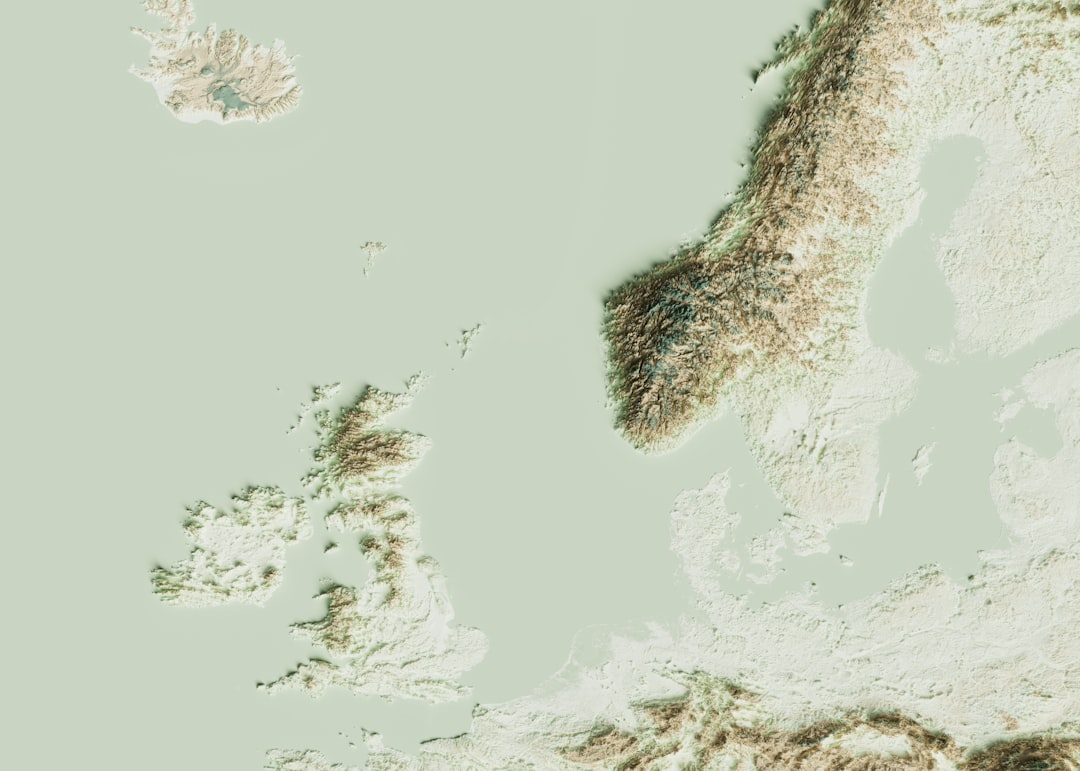
The Arctic, a vast and remote region encompassing the northernmost parts of the Earth, is characterized by its icy landscapes, unique ecosystems, and rich cultural heritage. Stretching across eight countries—Canada, Denmark (Greenland), Norway, Russia, the United States (Alaska), Sweden, Finland, and Iceland—the Arctic is not only a geographical entity but also a significant area of geopolitical interest. Its importance has surged in recent years due to climate change, which has led to melting ice caps and opened up new shipping routes, as well as access to untapped natural resources.
The Arctic is home to diverse wildlife and indigenous communities, making it a region of both ecological and cultural significance. As global temperatures rise, the Arctic is undergoing rapid transformations that have far-reaching implications for the environment and international relations. The melting ice is not merely a symptom of climate change; it is also a catalyst for increased human activity in the region.
This has prompted nations to reassess their territorial claims and interests in the Arctic, leading to a complex web of historical grievances, legal frameworks, and contemporary disputes. Understanding the Arctic’s importance requires an appreciation of its ecological richness, its role in global climate regulation, and the intricate balance of power among the nations that lay claim to its territories.
Historical Territorial Claims in the Arctic
The history of territorial claims in the Arctic is as complex as the region itself. For centuries, various nations have sought to assert their sovereignty over parts of this frigid expanse. Early explorers, driven by a desire for trade routes and territorial expansion, laid the groundwork for modern claims.
The 19th century saw significant interest from European powers, particularly Russia and Britain, as they sought to establish dominance over Arctic territories. The quest for resources and strategic advantages fueled these early claims, often disregarding the rights of indigenous peoples who had inhabited the region for millennia. In the aftermath of World War II, the geopolitical landscape shifted dramatically.
The Cold War era intensified competition among Arctic nations, with military interests often overshadowing environmental and indigenous concerns. The establishment of the Arctic Council in 1996 marked a turning point in how nations approached cooperation in the region. However, historical claims continued to influence contemporary discussions, as countries sought to solidify their positions based on historical precedents.
The legacy of these early territorial assertions remains a critical factor in understanding current disputes and negotiations.
Current Territorial Claims in the Arctic

Today, territorial claims in the Arctic are more contentious than ever. As climate change continues to reshape the landscape, nations are racing to assert their rights over newly accessible areas. The United States, Canada, Russia, Norway, and Denmark are among the key players vying for control over vast stretches of land and sea.
The United Nations Convention on the Law of the Sea (UNCLOS) provides a legal framework for these claims, allowing countries to extend their continental shelves beyond the traditional 200 nautical miles if they can provide scientific evidence supporting their assertions. Recent years have seen an uptick in military activity and diplomatic maneuvers in the Arctic as nations seek to bolster their claims. Russia has been particularly proactive, re-establishing military bases and conducting extensive research expeditions to support its territorial assertions.
Meanwhile, Canada has emphasized its sovereignty over the Northwest Passage, viewing it as a vital shipping route that must remain under its control. The United States has also expressed interest in expanding its influence in the region, particularly regarding resource extraction and navigation rights. This competitive atmosphere has heightened tensions among Arctic nations and raised concerns about potential conflicts over territory.
International Law and Territorial Claims in the Arctic
| Country | Territorial Claims | International Law |
|---|---|---|
| Canada | Claims over the Northwest Passage | Asserts its sovereignty based on historic use and international law |
| Denmark | Claims over the North Pole | Submits claim to the UN Commission on the Limits of the Continental Shelf |
| Russia | Claims over the Lomonosov Ridge | Submits claim to the UN Commission on the Limits of the Continental Shelf |
| United States | Claims over the Beaufort Sea | Asserts freedom of navigation through the Northwest Passage |
International law plays a crucial role in shaping territorial claims in the Arctic. The United Nations Convention on the Law of the Sea (UNCLOS) serves as the primary legal framework governing maritime boundaries and resource rights. Under UNCLOS, coastal states have exclusive rights to explore and exploit resources within their 200-nautical-mile exclusive economic zones (EEZs).
Additionally, countries can claim extended continental shelves if they can demonstrate that their continental margin extends beyond 200 nautical miles. However, interpreting and applying international law in the Arctic is fraught with challenges. Disputes often arise over overlapping claims and differing interpretations of legal provisions.
For instance, while some nations assert that certain areas are part of their EEZs based on historical usage or geographical features, others contest these claims based on scientific evidence or alternative legal arguments. The complexity of these legal frameworks underscores the need for ongoing dialogue and negotiation among Arctic nations to resolve disputes amicably.
The Role of the United Nations in Resolving Territorial Claims
The United Nations plays a pivotal role in mediating territorial claims in the Arctic through various mechanisms aimed at fostering cooperation among member states. One of its key functions is facilitating discussions on maritime boundaries and resource management through forums such as the Commission on the Limits of the Continental Shelf (CLCS). This body reviews submissions from countries seeking to extend their continental shelves and provides recommendations based on scientific assessments.
In addition to technical assessments, the UN encourages diplomatic engagement among Arctic nations through initiatives like the Arctic Council. Established to promote cooperation on environmental protection and sustainable development, this intergovernmental forum allows member states to address shared challenges while respecting each other’s territorial claims. While the UN does not have direct enforcement powers over territorial disputes, its platforms provide essential avenues for dialogue that can help mitigate tensions and foster collaborative solutions.
Indigenous Peoples and Territorial Claims in the Arctic
Indigenous peoples have inhabited the Arctic for thousands of years, developing rich cultures deeply intertwined with their environment. Their traditional knowledge and practices offer invaluable insights into sustainable resource management and environmental stewardship. However, as nations vie for control over Arctic territories, indigenous communities often find themselves marginalized in discussions about land rights and resource exploitation.
The recognition of indigenous rights has gained traction in recent years, with international frameworks such as the United Nations Declaration on the Rights of Indigenous Peoples (UNDRIP) advocating for their inclusion in decision-making processes. Many indigenous groups are actively asserting their rights to land and resources through legal channels and advocacy efforts. Their voices are increasingly being heard in discussions about territorial claims, emphasizing the need for equitable representation and respect for traditional knowledge in shaping policies that affect their lives.
Environmental Concerns and Territorial Claims in the Arctic
The environmental implications of territorial claims in the Arctic are profound and multifaceted. As nations pursue resource extraction and shipping routes in this fragile ecosystem, concerns about ecological degradation have come to the forefront.
Increased human activity poses additional risks, including oil spills, habitat destruction, and pollution. Environmental organizations have raised alarms about the potential consequences of unchecked development in the region. The melting ice not only affects local ecosystems but also contributes to global climate change by releasing stored carbon dioxide and methane into the atmosphere.
As such, many advocates argue that territorial claims should be approached with caution, prioritizing environmental protection alongside economic interests. Striking a balance between development and conservation is essential for ensuring a sustainable future for both the Arctic environment and its inhabitants.
Economic Interests and Territorial Claims in the Arctic
Economic interests are a driving force behind many territorial claims in the Arctic. The region is believed to hold vast reserves of oil, natural gas, minerals, and other valuable resources that could significantly impact global markets. As traditional energy sources become scarcer elsewhere, nations are increasingly looking to the Arctic as a potential solution to meet their energy needs.
The prospect of new shipping routes also presents economic opportunities for trade and commerce. The Northern Sea Route along Russia’s coast offers a shorter passage between Europe and Asia compared to traditional routes through the Suez Canal. This has led to heightened interest from shipping companies seeking to capitalize on reduced transit times.
However, these economic pursuits must be balanced against environmental considerations and indigenous rights to ensure that development does not come at an unsustainable cost.
Geopolitical Tensions and Territorial Claims in the Arctic
Geopolitical tensions surrounding territorial claims in the Arctic have escalated as nations assert their interests more aggressively. The interplay between national security concerns and resource competition has created an environment ripe for conflict. Military posturing has increased among Arctic nations, with Russia expanding its military presence while other countries bolster their naval capabilities in response.
These tensions are further complicated by broader geopolitical dynamics beyond the Arctic region. The strategic importance of Arctic resources has drawn attention from global powers seeking influence over this emerging frontier. As countries navigate their interests amid shifting alliances and rivalries, there is a growing need for diplomatic engagement to prevent misunderstandings from escalating into open conflict.
Potential Solutions to Territorial Disputes in the Arctic
Finding solutions to territorial disputes in the Arctic requires a multifaceted approach that prioritizes diplomacy, collaboration, and respect for international law. Engaging in dialogue through established forums like the Arctic Council can facilitate constructive discussions among nations with competing claims. Building trust through cooperative initiatives focused on shared challenges—such as climate change adaptation or search-and-rescue operations—can help foster goodwill among stakeholders.
Additionally, involving indigenous communities in decision-making processes is crucial for achieving equitable solutions that respect their rights and knowledge systems. Collaborative governance models that integrate indigenous perspectives can lead to more sustainable outcomes while addressing historical grievances related to land rights. By prioritizing cooperation over competition, Arctic nations can work towards resolving disputes amicably while safeguarding both their interests and those of local communities.
The Future of Territorial Claims in the Arctic
The future of territorial claims in the Arctic remains uncertain as climate change continues to reshape both the physical landscape and geopolitical dynamics of the region. As ice melts and new opportunities arise, nations will likely continue vying for control over resources and shipping routes. However, this competition must be tempered by a commitment to sustainable development practices that prioritize environmental protection and respect for indigenous rights.
International cooperation will be essential in navigating these challenges effectively. Strengthening existing legal frameworks while fostering dialogue among stakeholders can help mitigate tensions and promote collaborative solutions. Ultimately, ensuring a peaceful future for the Arctic will depend on recognizing its unique ecological significance while balancing economic interests with social justice considerations for indigenous peoples who call this remarkable region home.
In recent years, the Arctic region has become a focal point for geopolitical discussions, primarily due to its vast untapped resources and strategic importance. Countries bordering the Arctic are increasingly asserting territorial claims, leading to complex international negotiations. An insightful article that delves into the intricacies of these territorial claims is available on MyGeoQuest. This article provides a comprehensive overview of the historical context, current disputes, and potential resolutions regarding Arctic sovereignty. For a deeper understanding of these issues, you can read the related article on mygeoquest.
com/sample-page/’>MyGeoQuest’s website.
WATCH THIS! The Arctic Ice Is Melting, And It Will Start World War 3
FAQs
What are arctic territorial claims?
Arctic territorial claims refer to the competing claims made by countries bordering the Arctic region for control and sovereignty over the area’s land, water, and resources.
Which countries have territorial claims in the Arctic?
The countries with territorial claims in the Arctic include Canada, Denmark (through Greenland), Norway, Russia, and the United States. These countries have overlapping claims in the region.
What are the main reasons for these territorial claims?
The main reasons for the territorial claims in the Arctic are the potential for access to valuable natural resources such as oil, gas, and minerals, as well as the strategic importance of the region for shipping routes and military purposes.
How are these territorial claims regulated?
The territorial claims in the Arctic are regulated by international law, including the United Nations Convention on the Law of the Sea (UNCLOS). UNCLOS provides a framework for the delimitation of maritime boundaries and the allocation of resources in the Arctic.
Have these territorial claims led to conflicts?
While there have been disputes and tensions over Arctic territorial claims, particularly between Russia and the other Arctic countries, there have been no major armed conflicts. The countries involved have generally sought to resolve their differences through diplomatic means and international law.
What is the status of the Arctic territorial claims today?
The status of the Arctic territorial claims remains a complex and evolving issue. As the region’s ice melts due to climate change, there is increasing interest and competition for access to its resources and shipping routes. Efforts to resolve the territorial claims through negotiation and international cooperation continue.