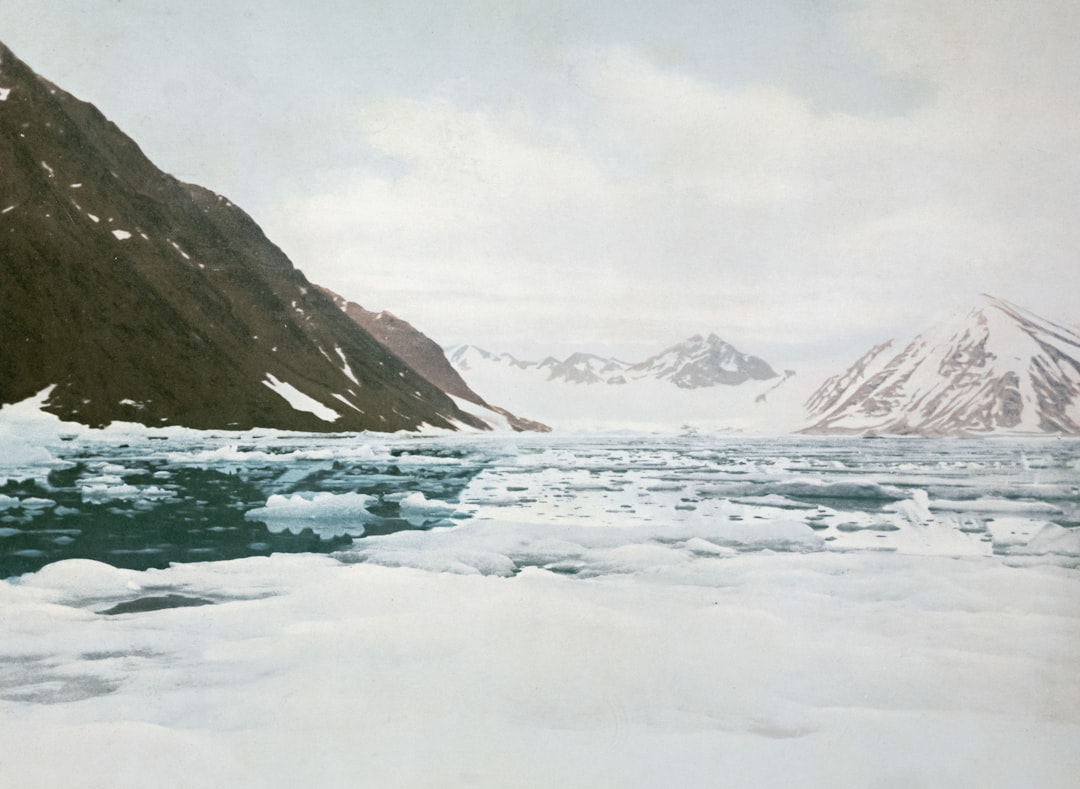
The Arctic region, often characterized by its vast expanses of ice, frigid temperatures, and unique ecosystems, has long been a subject of fascination and intrigue. Spanning eight countries—Canada, Denmark (via Greenland), Norway, Russia, the United States, Sweden, Finland, and Iceland—the Arctic is not merely a remote wilderness; it is a critical area of geopolitical interest. The region is home to diverse wildlife and indigenous communities that have thrived in its harsh conditions for millennia.
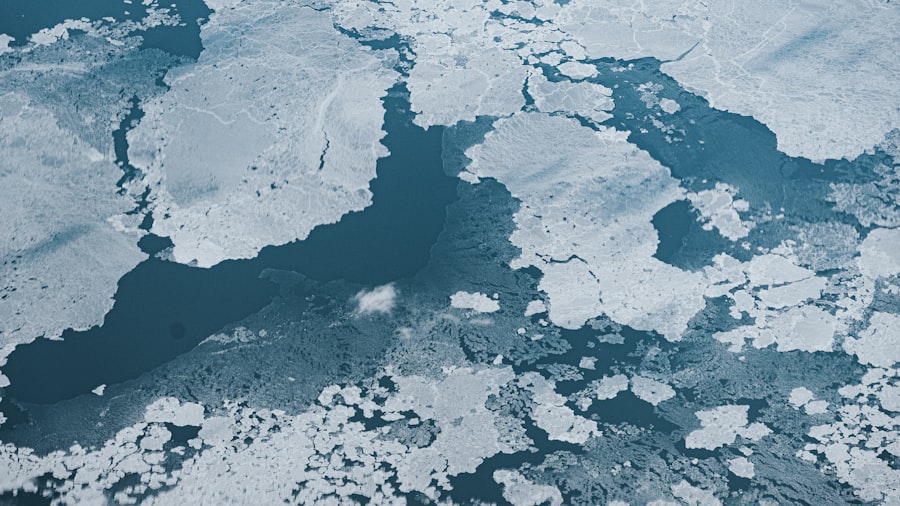
However, the Arctic is undergoing significant changes due to climate change, which is melting ice caps and opening up new shipping routes and access to untapped natural resources. As the ice recedes, the Arctic is transforming into a focal point for international attention. The melting ice not only alters the landscape but also reshapes the dynamics of power among nations.
The potential for new shipping lanes, such as the Northern Sea Route and the Northwest Passage, presents opportunities for trade and economic development. Additionally, the Arctic is believed to hold vast reserves of oil, natural gas, and minerals, making it a coveted area for resource extraction. This combination of environmental change and economic potential has led to increased interest from both Arctic and non-Arctic nations, setting the stage for complex interactions in this fragile region.
Historical significance of the Arctic in international relations
Historically, the Arctic has been a region of strategic importance, often serving as a battleground for territorial claims and national interests. During the Cold War, the Arctic was a critical theater for military operations and espionage between the United States and the Soviet Union. The region’s geographical position made it a key area for monitoring missile launches and conducting surveillance.
The establishment of military bases and early warning systems underscored the Arctic’s role in global security dynamics. In the post-Cold War era, the Arctic has continued to be significant in international relations, albeit in different ways. The dissolution of the Soviet Union led to new opportunities for cooperation among Arctic nations, particularly in areas such as environmental protection and scientific research.
However, as global warming accelerates and opens up new avenues for exploration and exploitation, historical rivalries have resurfaced. The Arctic’s strategic importance has once again come to the forefront as nations vie for influence and control over its resources and shipping routes.
Current geopolitical tensions in the Arctic
In recent years, geopolitical tensions in the Arctic have intensified as nations assert their claims over territory and resources. Russia has been particularly active in expanding its military presence in the region, re-establishing bases that had fallen into disrepair after the Cold War. This resurgence has raised concerns among other Arctic nations, particularly NATO members like Canada and the United States.
The establishment of new military installations and increased naval activity by Russia has led to a heightened sense of vigilance among its neighbors. The United States has also ramped up its engagement in the Arctic, emphasizing the need to protect its interests in light of Russia’s assertiveness. The U.S.
has conducted military exercises in the region and increased its naval patrols to demonstrate its commitment to maintaining freedom of navigation and deterring potential aggression. Meanwhile, Canada has sought to assert its sovereignty over its Arctic territories, leading to diplomatic tensions with other nations regarding maritime boundaries and resource rights. These developments illustrate how historical rivalries and contemporary ambitions are intertwining in a region that is becoming increasingly contested.
Military presence and strategic importance of the Arctic
| Country | Military Presence | Strategic Importance |
|---|---|---|
| United States | Alaska-based forces, military exercises | Control of Arctic shipping routes, natural resources |
| Russia | Arctic military bases, Northern Fleet | Access to natural resources, strategic military position |
| Canada | Arctic military exercises, surveillance | Protection of Arctic sovereignty, resource exploration |
| Norway | Arctic military units, surveillance | Strategic position for NATO, resource exploration |
| Denmark | Greenland-based military presence | Arctic sovereignty, resource exploration |
The military presence in the Arctic is a reflection of its strategic importance to national security interests.
Russia’s military buildup includes modernizing its fleet of icebreakers, deploying advanced missile systems, and conducting regular military exercises that showcase its operational readiness in extreme conditions.
This military posture serves not only as a deterrent but also as a means to assert control over disputed areas. The United States has recognized the need to bolster its own military presence in the Arctic as part of its broader national defense strategy. The establishment of new bases and increased funding for Arctic operations underscore Washington’s commitment to safeguarding its interests in this vital region.
Additionally, NATO has begun to pay closer attention to Arctic security dynamics, emphasizing collective defense measures that include joint exercises and intelligence sharing among member states. As military activities escalate, the Arctic is evolving into a strategic arena where power projection and deterrence play crucial roles.
Economic interests and resource competition in the Arctic
The economic interests at stake in the Arctic are substantial, driven primarily by the region’s rich natural resources. Estimates suggest that nearly 13% of the world’s undiscovered oil reserves and 30% of its undiscovered natural gas reserves lie beneath the Arctic seabed. As climate change continues to open up previously inaccessible areas for exploration, countries are racing to stake their claims on these valuable resources.
This competition has led to increased investment in oil drilling, mining operations, and infrastructure development. Moreover, the potential for new shipping routes through the Arctic presents significant economic opportunities for global trade. The Northern Sea Route, which runs along Russia’s northern coast, could drastically reduce shipping times between Europe and Asia.
As companies seek to capitalize on these emerging trade routes, tensions may arise over navigation rights and environmental concerns. The race for resources and trade advantages underscores how economic interests are intricately linked to geopolitical dynamics in the Arctic.
Environmental impact of military activities in the Arctic
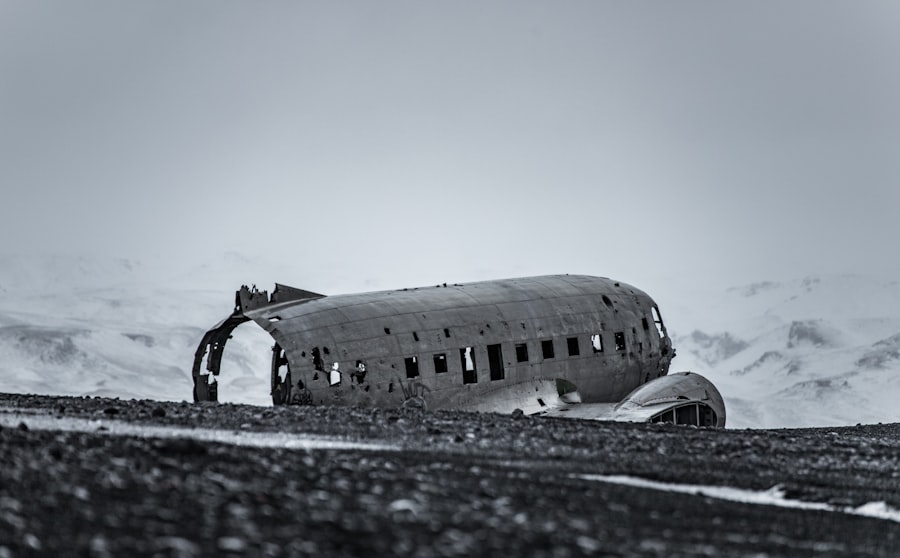
While military activities in the Arctic are often framed within national security contexts, they also carry significant environmental implications. The delicate ecosystems of the Arctic are particularly vulnerable to disturbances caused by increased human activity. Military exercises can lead to habitat destruction, pollution from fuel spills, and disruptions to wildlife migration patterns.
The use of heavy machinery and infrastructure development can further exacerbate these environmental challenges. Moreover, climate change is already placing immense stress on Arctic ecosystems, making them more susceptible to additional pressures from military operations. As nations ramp up their presence in the region, there is a growing concern about balancing security needs with environmental stewardship.
The potential for irreversible damage to fragile habitats raises ethical questions about the sustainability of military activities in such a sensitive area.
International treaties and agreements governing the Arctic region
The governance of the Arctic is shaped by a complex web of international treaties and agreements designed to promote cooperation among Arctic nations while addressing issues such as territorial claims and environmental protection. The United Nations Convention on the Law of the Sea (UNCLOS) plays a pivotal role in defining maritime boundaries and resource rights in the Arctic Ocean. This treaty provides a legal framework for countries to resolve disputes over territorial claims based on scientific evidence.
In addition to UNCLOS, various regional agreements have been established to foster collaboration among Arctic states. The Arctic Council, composed of eight member countries along with indigenous representatives, serves as a platform for dialogue on issues ranging from environmental protection to sustainable development. While these agreements have facilitated cooperation in many areas, challenges remain as nations navigate competing interests and assert their claims over resources.
Role of indigenous communities in the Arctic conflict
Indigenous communities play a crucial role in shaping discussions about governance and resource management in the Arctic. For thousands of years, these communities have lived sustainably within their environments, developing deep knowledge about local ecosystems that is invaluable for conservation efforts. However, as geopolitical tensions rise and resource extraction intensifies, indigenous voices often find themselves marginalized in decision-making processes.
The rights of indigenous peoples are enshrined in various international frameworks, including the United Nations Declaration on the Rights of Indigenous Peoples (UNDRIP). Yet implementation remains inconsistent across different countries. Indigenous communities advocate for greater involvement in discussions about land use and resource management while emphasizing their traditional knowledge as essential for sustainable practices.
Their perspectives are vital not only for ethical considerations but also for fostering long-term stability in a region marked by competing interests.
Potential for escalation and the risk of conflict in the Arctic
As geopolitical tensions continue to rise in the Arctic, concerns about potential escalation into conflict are becoming more pronounced. The combination of military buildup, territorial disputes, and resource competition creates an environment ripe for misunderstandings or miscalculations among nations. Incidents involving naval vessels or aircraft could quickly escalate into larger confrontations if not managed carefully.
Moreover, as non-Arctic nations express interest in the region—whether through scientific research or economic investment—the complexity of relationships increases further. The involvement of external powers can complicate existing dynamics among Arctic states and heighten tensions over sovereignty issues. The risk of conflict underscores the need for robust diplomatic channels and mechanisms for conflict resolution to prevent misunderstandings from spiraling into open hostilities.
Efforts to mitigate tensions and promote cooperation in the Arctic
In light of rising tensions, various efforts have been made to mitigate conflicts and promote cooperation among Arctic nations. Diplomatic initiatives aimed at fostering dialogue have gained traction as countries recognize that collaboration is essential for addressing shared challenges such as climate change and environmental degradation. Forums like the Arctic Council provide opportunities for states to engage constructively on issues ranging from scientific research to sustainable development.
Additionally, joint military exercises involving multiple nations have been conducted to build trust and enhance interoperability among forces operating in the region. These collaborative efforts aim not only to strengthen security but also to demonstrate a commitment to peaceful coexistence despite underlying tensions. By prioritizing cooperation over confrontation, stakeholders can work towards creating a more stable environment that benefits both national interests and regional stability.
The future of the Arctic as a battleground for world powers
Looking ahead, the future of the Arctic remains uncertain as world powers navigate competing interests amid changing environmental conditions. The potential for resource extraction and new shipping routes will likely continue to attract attention from both Arctic and non-Arctic nations alike. As climate change reshapes access to these opportunities, geopolitical dynamics will evolve accordingly.
However, there is also hope that increased awareness of environmental issues will lead to more collaborative approaches among nations operating in the region. The recognition that climate change poses existential threats may encourage countries to prioritize sustainable practices over aggressive competition for resources. Ultimately, whether the Arctic becomes a battleground or a model for cooperation will depend on how effectively nations can balance their interests with shared responsibilities toward this fragile environment.
The Arctic region, with its vast untapped resources and strategic military significance, is increasingly becoming a focal point of geopolitical tensions, potentially setting the stage for World War 3. As nations vie for control over this icy frontier, the risk of conflict escalates. An insightful article discussing these dynamics can be found on MyGeoQuest, which delves into the geopolitical stakes and the potential for conflict in the Arctic. For a deeper understanding of why the Arctic could be the flashpoint for a global conflict, you can read more in this related article.
WATCH THIS! The Arctic Ice Is Melting, And It Will Start World War 3
FAQs
What is the current situation in the Arctic?
The Arctic is experiencing significant environmental changes due to global warming, leading to the melting of sea ice and the opening of new shipping routes and access to natural resources.
Why is there growing international interest in the Arctic?
The melting of the Arctic ice has led to increased competition among countries for access to the region’s natural resources, including oil, gas, and minerals. Additionally, the opening of new shipping routes has sparked interest in the potential for shorter trade routes.
How are countries asserting their claims in the Arctic?
Countries with Arctic territory, such as Russia, Canada, Denmark, Norway, and the United States, are asserting their claims through various means, including scientific research, military presence, and diplomatic negotiations.
What are the potential triggers for a conflict in the Arctic?
Potential triggers for conflict in the Arctic include disputes over territorial claims, competition for natural resources, and concerns about the militarization of the region.
How could a conflict in the Arctic escalate into World War 3?
A conflict in the Arctic could escalate into World War 3 if major global powers become involved due to alliances, strategic interests, or the potential for a domino effect leading to broader military confrontations.