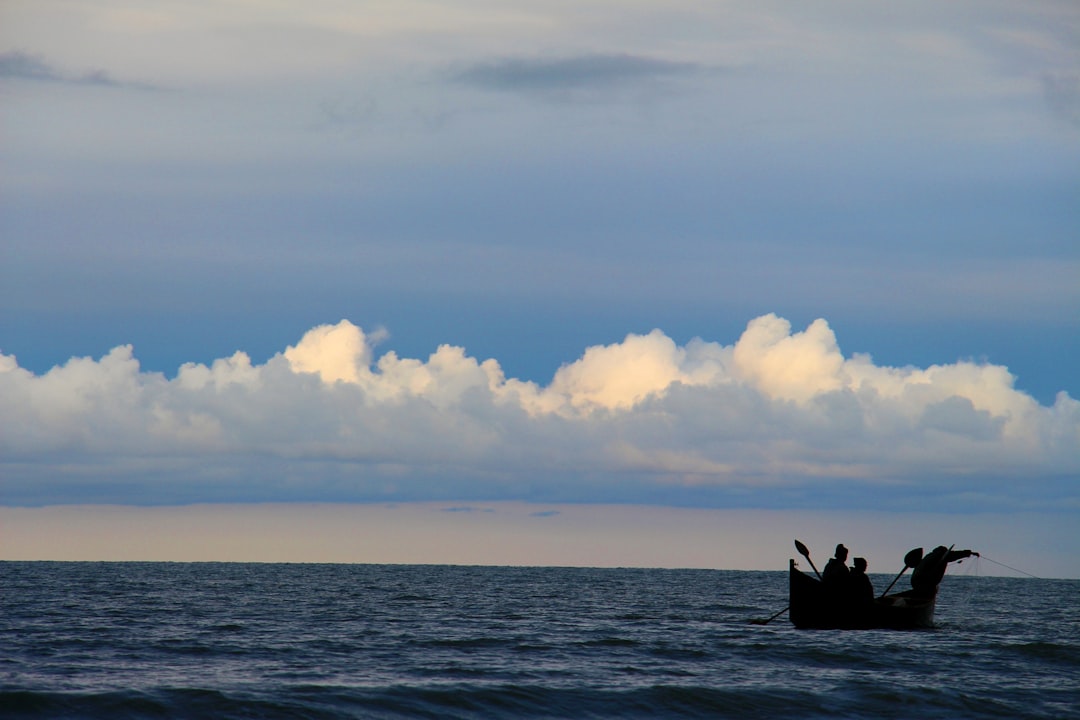
The Caspian Sea, a vast inland body of water straddling the crossroads of Europe and Asia, harbors a hidden treasure trove, yet one fraught with immense economic and geopolitical challenges. Estimates suggest that the hydrocarbon reserves trapped beneath its surface could be worth upwards of $15 trillion. This colossal figure, however, represents not a ready fortune, but a complex web of “stranded assets” – resources that, despite their immense potential value, face significant hurdles to extraction and market access. Understanding the nature of these stranded assets is crucial to grasping the economic future of the Caspian region and its impact on global energy markets.
The sheer volume of oil and gas locked within the Caspian Sea basin is staggering, rivaling the reserves of many major global energy producers. Decades of geological surveys and exploration have painted a picture of an underground ocean of hydrocarbons, a testament to the region’s long and rich geological history.
Unveiling the Deep Reserves
The Caspian Sea is home to some of the largest undeveloped oil and gas fields in the world. These fields, often located in deep offshore areas, hold a significant percentage of the world’s unproven, yet highly probable, hydrocarbon reserves.
The “Supergiant” Fields: A Glimpse Below
Several “supergiant” fields, defined as those containing billions of barrels of oil or trillions of cubic feet of gas, are situated within the Caspian. These colossal deposits represent the primary drivers of the $15 trillion valuation. Their accessibility and extraction technologies are, however, a significant factor in their current “stranded” status.
Unconventional Potential Adds to the Equation
Beyond conventional oil and gas, the Caspian basin also possesses significant potential for unconventional resources, such as shale oil and gas. While extraction technologies for these resources are still evolving, they further amplify the overall estimated value of the region’s subterranean wealth.
A Geological Tapestry of Riches
The geological formations within the Caspian basin are conducive to the formation and trapping of vast hydrocarbon reservoirs. The tectonic history of the region has created a complex system of fault lines and sedimentary basins, effectively acting as nature’s treasure chests.
Sedimentary Basins: Nature’s Storage Units
The numerous sedimentary basins that lie beneath the Caspian Sea floor are the primary repositories for accumulated organic matter that has, over millions of years, been transformed into oil and natural gas. These basins offer a diverse range of geological traps, ensuring the preservation of these valuable resources.
Deepwater and Ultra-Deepwater Prospects
A significant portion of the unexploited reserves lie in deepwater and ultra-deepwater environments. These challenging offshore locations present significant technological, logistical, and financial hurdles to extraction, contributing directly to the “stranded” nature of these assets.
The issue of stranded assets in the Caspian Sea, estimated to be worth around $15 trillion, highlights the growing concerns over environmental sustainability and economic viability in the region. For a deeper understanding of the implications of these stranded assets and the geopolitical dynamics at play, you can read a related article on this topic at My Geo Quest. This article delves into the potential impacts on local economies and the global energy market, providing valuable insights into the future of the Caspian Sea’s resources.
The Labyrinth of Geopolitical Control and Ownership
The Caspian Sea is bordered by five nations: Azerbaijan, Iran, Kazakhstan, Russia, and Turkmenistan. Unlike traditional international waters, the legal status of the Caspian Sea has been a subject of protracted negotiation and dispute since the collapse of the Soviet Union. This unresolved legal framework acts as a major impediment to unified development and investment.
A Five-Nation Frontier: The Lingering Disputes
The absence of a clear and universally agreed-upon legal status for the Caspian Sea has created a geopolitical quagmire. Each nation has its own interpretations of maritime law and territorial claims, hindering the creation of a cohesive energy policy for the entire basin.
The Legacy of Soviet Law: A Shifting Landscape
Prior to the dissolution of the USSR, the Caspian was treated as a system of internal waters. With the emergence of independent states, the question of how to divide its resources – whether by median lines, sector delimitation, or joint development – became a contentious issue.
Bilateral Agreements vs. Comprehensive Convention: A Patchwork Approach
While some bilateral agreements have been reached between Caspian littoral states on specific maritime boundaries and resource rights, a comprehensive convention governing the entire sea has remained elusive for decades. This patchwork approach creates uncertainty for investors and complicates large-scale development projects.
The Shadow of Great Power Influence
The Caspian region’s energy wealth has inevitably drawn the attention of global powers, leading to complex geopolitical dynamics. The interests of Russia, the European Union, China, and the United States are all at play, often influencing the pace and direction of resource development.
Russia’s Enduring Influence: A Balancing Act
Russia, with its own significant hydrocarbon reserves and a historical influence over the region, often plays a pivotal role in Caspian energy politics. Its strategic interests, including maintaining its own energy export dominance, can sometimes align with or clash with the ambitions of other Caspian nations.
Western Energy Demands: Seeking Diversification
Western nations, particularly European countries, have a strong interest in diversifying their energy sources away from Russia. This has fueled investment and political support for Caspian energy projects, but these efforts are often constrained by the region’s internal geopolitical complexities.
China’s Growing Footprint: The New Silk Road’s Energy Artery
China’s expanding economic influence, particularly through its Belt and Road Initiative, has also turned its gaze towards the Caspian. Chinese investment in infrastructure and energy projects within the region is growing, presenting new opportunities but also potential for increased geopolitical competition.
The Herculean Task of Extraction and Infrastructure

Even if the geopolitical hurdles were overcome, the immense challenge of physically extracting and transporting these resources to market remains. The sheer scale and location of many Caspian fields necessitate cutting-edge technology and colossal infrastructure investments, further contributing to the “stranded” status of these assets.
Engineering Marvels in the Deep: The Technological Frontier
Extracting hydrocarbons from the deep and ultra-deep waters of the Caspian Sea is an engineering feat of immense complexity. The harsh weather conditions, seismic activity, and extreme depths require specialized equipment and expertise.
Platforms and Drilling Technologies: Pushing the Boundaries
The development of offshore drilling platforms capable of withstanding extreme conditions and the implementation of advanced drilling technologies are essential for accessing these deep reserves. These are not trivial undertakings and involve significant capital expenditure and operational risk.
Subsea Systems and Pipelines: The Unseen Network
Complex subsea infrastructure, including pipelines that traverse challenging underwater terrains, are vital for transporting extracted hydrocarbons to shore. The construction and maintenance of these systems represent a significant undertaking.
The Pipeline Conundrum: Reaching Global Markets
The most significant infrastructural bottleneck is the lack of direct, cost-effective pipelines to major global energy markets. The Caspian Sea is landlocked, meaning hydrocarbons must traverse multiple countries to reach consumers, a process fraught with political and economic impediments.
East Meets West: The Trans-Caspian Pipeline Debate
The idea of a Trans-Caspian pipeline, connecting Turkmenistan’s gas fields to Europe via Azerbaijan and Turkey, has been discussed for decades. However, this project faces significant hurdles, including environmental concerns, Russian opposition, and the ongoing lack of a legal regime for the Caspian seabed.
Northward and Eastward Routes: Alternative, Yet Limited, Pathways
Existing pipelines generally lead north, towards Russia, or east, towards China. While these routes offer some access to markets, they are often capacity-constrained and subject to the geopolitical maneuvering of transit countries. This limits the potential for Caspian producers to fully capitalize on their reserves.
The Export Dependence Dilemma: A Question of Choice
The reliance on transit through specific countries means that Caspian producers often find themselves at the mercy of transit fees, political stability, and the demand of their primary export partners. This dependence limits their negotiating power and the ultimate profitability of their resources.
The Economic Realities: Cost of Extraction vs. Market Value

The $15 trillion figure represents gross potential value. The actual economic viability of these Caspian reserves hinges on a complex calculation of extraction costs, infrastructure development expenses, transportation fees, and prevailing global energy prices.
The High Cost of Doing Business: A Barrier to Entry
The remoteness and challenging conditions of many Caspian hydrocarbon reservoirs mean that extraction is significantly more expensive than in many other oil and gas producing regions. This high cost of entry acts as a significant deterrent to investment, especially when global energy prices are volatile.
Deepwater Premiums: The Price of Access
Developing deepwater fields comes with a substantial “premium” in terms of capital expenditure and operational costs. This premium needs to be offset by the market price of the commodities extracted, making these projects more sensitive to price fluctuations.
Infrastructure Investment: A Multi-Billion Dollar Gamble
The construction of new pipelines, processing facilities, and port infrastructure requires billions of dollars of investment. The return on these investments is highly dependent on the long-term demand for hydrocarbons and the ability to access lucrative markets.
The Volatility of Global Energy Markets: A Constant Threat
The price of oil and natural gas is subject to global supply and demand dynamics, geopolitical events, and the transition to renewable energy sources. A sustained downturn in global energy prices can render even the most promising Caspian reserves economically unviable, further solidifying their “stranded” status.
The Energy Transition: A Looming Shadow
The accelerating global shift towards renewable energy sources poses a fundamental long-term threat to the demand for fossil fuels. As countries commit to decarbonization targets, the future market for oil and gas becomes increasingly uncertain, impacting the perceived value of long-term hydrocarbon projects.
Price Shocks and Market Corrections: The Unpredictable Nature of the Game
The history of energy markets is marked by periods of boom and bust. A prolonged period of low prices, even if temporary, can significantly impact the profitability of high-cost extraction projects, potentially leading to the abandonment of development plans.
The recent discussions surrounding the Caspian Sea’s $15 trillion stranded assets have sparked significant interest in the implications for regional economies and environmental policies. A related article explores the potential impacts of these stranded assets on global energy markets and investment strategies. For a deeper understanding of this topic, you can read more about it in this insightful piece here.
The “Stranded” Dilemma: Beyond Financial Loss
| Metric | Value | Unit | Description |
|---|---|---|---|
| Estimated Stranded Assets | 15 | Trillion USD | Value of fossil fuel assets at risk of becoming stranded in the Caspian Sea region |
| Oil Reserves | 48 | Billion Barrels | Proven oil reserves in the Caspian Sea basin |
| Natural Gas Reserves | 292 | Trillion Cubic Feet | Proven natural gas reserves in the Caspian Sea basin |
| Annual Production | 2.5 | Million Barrels per Day | Current oil production rate from Caspian Sea fields |
| Carbon Emissions Potential | 5.6 | Gigatons CO2 | Estimated CO2 emissions if all fossil fuels are extracted and burned |
| Years to Stranding | 10-15 | Years | Estimated timeframe for assets to become stranded due to climate policies |
The concept of stranded assets in the Caspian extends beyond mere financial losses. It encompasses missed economic opportunities, potential environmental risks, and the perpetuation of geopolitical tensions.
Missed Opportunities: A Region’s Unfulfilled Potential
The $15 trillion in potential wealth represents a significant opportunity for economic development, job creation, and improved living standards for the people of the Caspian nations. The inability to fully exploit these resources means that this potential remains largely untapped.
Economic Diversification Hindered: The Oil and Gas Trap
For many Caspian nations, hydrocarbon exports are the primary source of foreign revenue. The difficulty in developing these assets can hinder efforts to diversify their economies away from a sole reliance on fossil fuels, creating a vulnerable economic structure.
Investment Uncertainty: A Chilling Effect
The persistent geopolitical and infrastructural challenges create an environment of investment uncertainty. This makes it difficult for Caspian nations to attract the substantial capital required for large-scale energy projects, perpetuating the cycle of untapped resources.
Environmental Considerations: The Double-Edged Sword
The extraction of hydrocarbons, particularly from offshore environments, carries inherent environmental risks. Addressing these risks requires stringent environmental regulations and advanced mitigation technologies.
Accidental Spills and Their Consequences: A Potent Threat
The remote and sensitive ecosystems of the Caspian Sea are particularly vulnerable to oil spills. The environmental and economic consequences of such accidents could be catastrophic, impacting biodiversity and local economies that rely on the sea for survival.
The Carbon Footprint of Extraction: A Global Concern
The extraction and combustion of fossil fuels contribute to greenhouse gas emissions and climate change. The development of these Caspian resources has to be viewed through the lens of global climate action and the need to transition to cleaner energy sources.
Geopolitical Repercussions: A Lingering Source of Tension
The unresolved issues surrounding Caspian Sea ownership and resource allocation have been a persistent source of geopolitical friction. The potential for future disputes over territorial claims and pipeline routes remains a significant concern.
Resource Nationalism and International Cooperation: A Delicate Balance
The desire of individual Caspian nations to assert control over their resources can sometimes clash with the need for regional cooperation to facilitate large-scale projects. Navigating this delicate balance is crucial for future development.
The Global Energy Map: A Shifting Landscape
The eventual development of Caspian reserves, or their continued “stranding,” will undoubtedly influence the global energy map. The potential for new energy supplies could alter existing supply routes and impact the market power of established energy producers.
In conclusion, the $15 trillion in stranded assets in the Caspian Sea represents a colossal economic opportunity enmeshed in a complex tapestry of geopolitical disputes, infrastructural deficits, and evolving global energy dynamics. While the sheer volume of hydrocarbons is undeniable, transforming this potential into tangible wealth requires overcoming formidable challenges. The future of these stranded assets hinges on the ability of the Caspian nations to forge a path towards greater regional cooperation, embrace technological innovation, and navigate the ever-shifting currents of the global energy landscape. The world watches, as this vast inland sea holds its breath, its immense wealth a silent testament to both promise and peril.
FAQs
What are stranded assets in the context of the Caspian Sea?
Stranded assets refer to investments in oil, gas, and other fossil fuel resources in the Caspian Sea region that may become obsolete or non-performing due to changes in market demand, regulatory policies, or environmental concerns.
Why is the Caspian Sea region significant for energy resources?
The Caspian Sea region is rich in oil and natural gas reserves, making it a critical area for energy production and export. It holds substantial hydrocarbon deposits that contribute significantly to the economies of surrounding countries.
What is the estimated value of stranded assets in the Caspian Sea?
The estimated value of stranded assets in the Caspian Sea region is approximately $15 trillion, reflecting the potential financial losses if these resources cannot be developed or utilized due to shifting energy markets or environmental policies.
What factors contribute to the risk of assets becoming stranded in the Caspian Sea?
Factors include global shifts toward renewable energy, stricter environmental regulations, declining demand for fossil fuels, geopolitical tensions, and technological changes that reduce reliance on oil and gas.
How might stranded assets impact the economies of Caspian Sea countries?
Stranded assets could lead to significant economic challenges, including reduced revenues from energy exports, job losses in the oil and gas sector, decreased investment, and broader economic instability in countries dependent on fossil fuel resources.