
The Drake Passage, a body of water situated between the southern tip of South America and Antarctica, is renowned for its tumultuous seas and unpredictable weather patterns. Stretching approximately 800 kilometers (500 miles), this passage serves as a critical conduit for ocean currents and marine life, making it a unique geographical feature. The waters are often characterized by their rough conditions, which can be both a challenge and an allure for adventurous surfers seeking the thrill of riding waves in one of the most remote locations on Earth.
This passage is not only significant for its geographical attributes but also for its ecological importance.
For surfers, the Drake Passage represents an opportunity to experience nature in its rawest form, where the power of the ocean is palpable.
The combination of stunning landscapes, challenging surf conditions, and the chance to encounter unique wildlife makes the Drake Passage a compelling destination for those willing to brave its waters.
Key Takeaways
- The Drake Passage is a challenging and thrilling location for surfing, known for its strong winds and rough waters.
- Surfing in the Drake Passage has a rich history, with adventurers and surfers seeking out its waves for decades.
- The best time to surf the Drake Passage is during the austral summer, from November to March, when the weather is milder.
- Surfing in the Drake Passage presents many challenges, including extreme weather conditions, strong currents, and icy waters.
- The wildlife of the Drake Passage is diverse and abundant, with opportunities to see penguins, seals, and various seabirds while surfing.
The History of Surfing in the Drake Passage
Surfing in the Drake Passage is a relatively recent phenomenon, emerging as adventurers and thrill-seekers began to explore the region’s potential for extreme sports. While surfing itself has ancient roots, with origins tracing back to Polynesian culture, it wasn’t until the late 20th century that surfers began to venture into these frigid waters. The allure of untouched waves and the challenge posed by the harsh environment attracted a niche group of surfers who sought to push their limits.
As word spread about the incredible surf conditions found in the Drake Passage, more surfers began to make the journey. Documentaries and social media have played a significant role in popularizing this extreme surfing destination, showcasing breathtaking footage of surfers riding massive waves against a backdrop of icebergs and rugged coastlines. This growing interest has led to an increase in surf expeditions to the area, with surfers eager to experience the thrill of conquering some of the most challenging waves on the planet.
The Best Time to Surf the Drake Passage

Timing is crucial when planning a surfing trip to the Drake Passage. The best time to surf in this region typically falls between late spring and early summer, specifically from November to March in the Southern Hemisphere. During these months, weather conditions tend to be more favorable, with milder temperatures and less severe storms.
This period also coincides with the peak of swells generated by powerful Southern Ocean storms, creating optimal surfing conditions. However, even during this prime surfing season, conditions can change rapidly. Surfers must remain vigilant and adaptable, as weather patterns in the Drake Passage are notoriously unpredictable.
It is not uncommon for calm seas to transform into tumultuous waves within hours. Therefore, while planning a trip during the best months increases the chances of favorable conditions, surfers must be prepared for sudden changes and ready to seize opportunities as they arise.
The Challenges of Surfing in the Drake Passage
| Challenges | Factors |
|---|---|
| Extreme Weather | Strong winds, high waves, and unpredictable conditions |
| Cold Water | Low temperatures and risk of hypothermia |
| Remote Location | Limited access to medical facilities and assistance |
| Icebergs and Debris | Potential hazards for surfers |
| Wildlife | Possibility of encounters with marine animals |
Surfing in the Drake Passage presents a myriad of challenges that set it apart from more conventional surfing destinations. The most significant hurdle is undoubtedly the unpredictable weather and sea conditions. Surfers must contend with strong currents, powerful winds, and rapidly changing wave patterns that can turn a seemingly calm day into a dangerous situation.
This unpredictability requires surfers to possess not only skill but also a deep understanding of ocean dynamics. In addition to environmental challenges, the cold temperatures of the water pose another significant obstacle. The frigid waters of the Drake Passage can be daunting for even the most seasoned surfers.
Hypothermia is a real risk, necessitating specialized gear and equipment designed for extreme cold-water surfing. Surfers must be prepared for these conditions, both mentally and physically, as they navigate the waves in one of the most challenging surfing environments on Earth.
The Wildlife of the Drake Passage
One of the most captivating aspects of surfing in the Drake Passage is the opportunity to encounter an array of wildlife that thrives in this unique ecosystem. The waters are home to various species of marine life, including seals, whales, and an abundance of seabirds. Surfers may find themselves sharing the waves with playful sea lions or catching glimpses of majestic humpback whales breaching nearby.
This interaction with wildlife adds an extraordinary dimension to the surfing experience. The presence of such diverse marine life is not only a testament to the ecological richness of the Drake Passage but also serves as a reminder of the delicate balance within this environment. Surfers are encouraged to respect these creatures and their habitats while enjoying their time on the water.
Observing wildlife in its natural setting can be a humbling experience, reinforcing the connection between surfers and nature as they navigate the powerful waves.
Safety Precautions for Surfing the Drake Passage
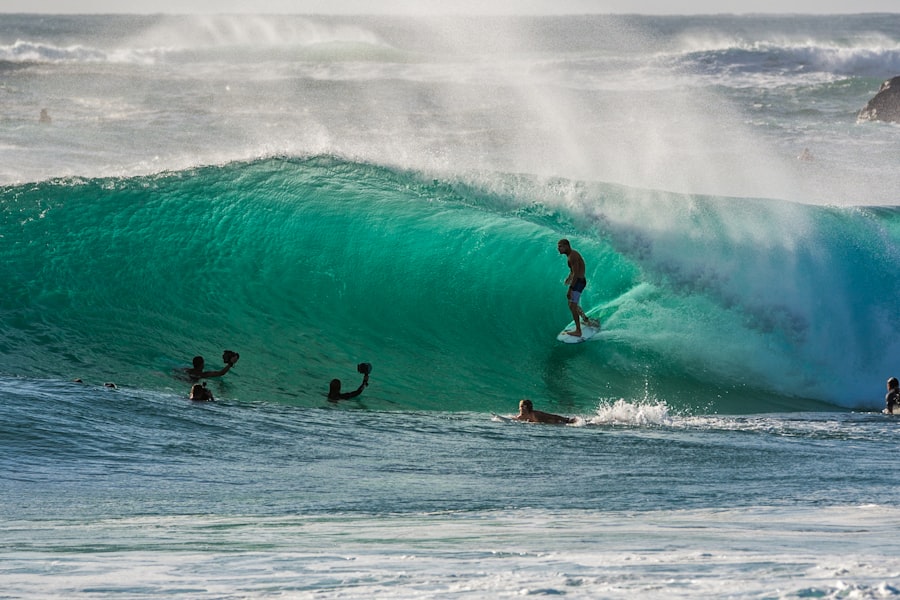
Given the inherent risks associated with surfing in such a challenging environment, safety precautions are paramount for anyone venturing into the waters of the Drake Passage. First and foremost, surfers should always surf with a buddy or as part of a group. This not only enhances safety but also provides support in case of emergencies.
Communication devices such as radios or satellite phones are essential for staying connected with others and ensuring help can be summoned if needed. Additionally, understanding local weather patterns and ocean conditions is crucial for safe surfing. Surfers should familiarize themselves with tide charts, swell forecasts, and wind patterns before heading out.
Wearing appropriate cold-water gear, including wetsuits designed for extreme temperatures, is vital for maintaining body heat and preventing hypothermia. By taking these precautions seriously, surfers can mitigate risks and focus on enjoying their time in this breathtaking yet challenging environment.
Surfing Gear and Equipment for the Drake Passage
When preparing for a surfing trip to the Drake Passage, selecting the right gear is essential for both performance and safety. Given the cold temperatures of the water, surfers should invest in high-quality wetsuits that provide insulation while allowing for flexibility and movement. A thick wetsuit—typically 5mm or more—is recommended to ensure warmth during extended periods in frigid waters.
In addition to wetsuits, surfers should consider using booties, gloves, and hoods designed for cold-water surfing. These accessories help protect extremities from freezing temperatures and enhance overall comfort while riding waves. Furthermore, choosing a surfboard suited for challenging conditions is crucial; boards that offer stability and maneuverability in rough waters will enhance performance and safety.
The Best Surf Spots in the Drake Passage
While many areas within the Drake Passage offer potential surf opportunities, certain spots have gained recognition among adventurous surfers seeking thrilling waves. One notable location is Cape Horn, known for its powerful swells and dramatic scenery. The combination of strong winds and ocean currents creates challenging yet exhilarating surf conditions that attract experienced surfers from around the globe.
Another popular spot is Deception Island, an active volcanic island that features unique geological formations and consistent surf breaks. The island’s sheltered bays provide protection from harsh winds while still offering impressive waves. These locations exemplify the diverse surf experiences available within the Drake Passage, each presenting its own set of challenges and rewards for those willing to explore them.
The Thrill of Surfing in the Drake Passage
For many surfers, riding waves in the Drake Passage represents an unparalleled thrill that few other locations can match. The sheer power of nature is on full display as surfers navigate massive swells amidst breathtaking landscapes characterized by icy cliffs and rugged coastlines. Each ride becomes an adventure filled with adrenaline as they harness their skills against formidable ocean forces.
The sense of accomplishment that comes from conquering waves in such a remote location is profound. Surfers often describe an indescribable connection to nature while riding these powerful waves—a feeling that transcends mere sport and becomes an experience etched into memory forever. The thrill lies not only in catching waves but also in embracing the wild beauty surrounding them.
The Cultural Experience of Surfing in the Drake Passage
Surfing in the Drake Passage offers more than just an adrenaline rush; it provides a unique cultural experience that connects surfers with local communities and traditions. As adventurers flock to this remote region, they often engage with indigenous cultures that have long inhabited these lands. Learning about their history and customs enriches the overall experience and fosters a deeper appreciation for both nature and humanity.
Moreover, sharing stories with fellow surfers from around the world creates bonds that transcend geographical boundaries. The camaraderie formed among those who brave these waters fosters a sense of community among adventurers united by their passion for surfing. This cultural exchange enhances not only individual experiences but also contributes to a broader understanding of global surfing culture.
Tips for Planning a Surfing Trip to the Drake Passage
Planning a successful surfing trip to the Drake Passage requires careful consideration and preparation. First and foremost, potential surfers should conduct thorough research on local conditions, including weather patterns and surf forecasts specific to their desired travel dates. Understanding these factors will help ensure optimal surfing conditions during their visit.
Additionally, booking accommodations well in advance is advisable due to limited options in this remote area. Many surfers choose to join guided expeditions that provide transportation, equipment rental, and local expertise—making it easier to navigate both logistics and safety concerns while maximizing surf opportunities. Lastly, maintaining flexibility is key when planning a trip to such an unpredictable environment.
Being open to changing plans based on weather conditions or swell forecasts can lead to unexpected adventures and unforgettable experiences on this remarkable journey through one of nature’s most awe-inspiring landscapes.
Surfing the Drake Passage is an exhilarating and challenging experience, attracting adventurous surfers from around the world. Known for its treacherous waters and unpredictable weather, the Drake Passage offers a unique surfing opportunity that few dare to attempt. For those interested in learning more about the geographical and environmental aspects of this region, you can explore a related article on mygeoquest.
com/’>MyGeoQuest. This resource provides valuable insights into the natural wonders and challenges of the Drake Passage, making it a must-read for anyone fascinated by extreme surfing and the raw power of nature.
WATCH NOW! Drake Passage: Earth’s Deadliest Waters Revealed
FAQs
What is the Drake Passage?
The Drake Passage is the body of water between the southern tip of South America and the northern tip of the Antarctic Peninsula. It is known for its rough seas and challenging sailing conditions.
Is it possible to surf in the Drake Passage?
Surfing in the Drake Passage is extremely challenging and dangerous due to the strong winds, large swells, and frigid temperatures. Only experienced and well-equipped surfers should attempt to surf in this area.
What are the dangers of surfing in the Drake Passage?
The dangers of surfing in the Drake Passage include extreme cold, strong winds, unpredictable weather, and the presence of icebergs. The rough and unpredictable nature of the sea also poses a significant risk to surfers.
Are there any organized surfing tours in the Drake Passage?
There are no organized surfing tours in the Drake Passage due to the extreme conditions and dangers associated with surfing in this area. Surfing in the Drake Passage is typically undertaken by experienced surfers who are well-prepared for the challenging conditions.
What are the best times of year for surfing in the Drake Passage?
The best times for surfing in the Drake Passage are during the austral summer months (December to February) when the weather is relatively milder. However, even during these months, the conditions in the Drake Passage remain extremely challenging for surfers.