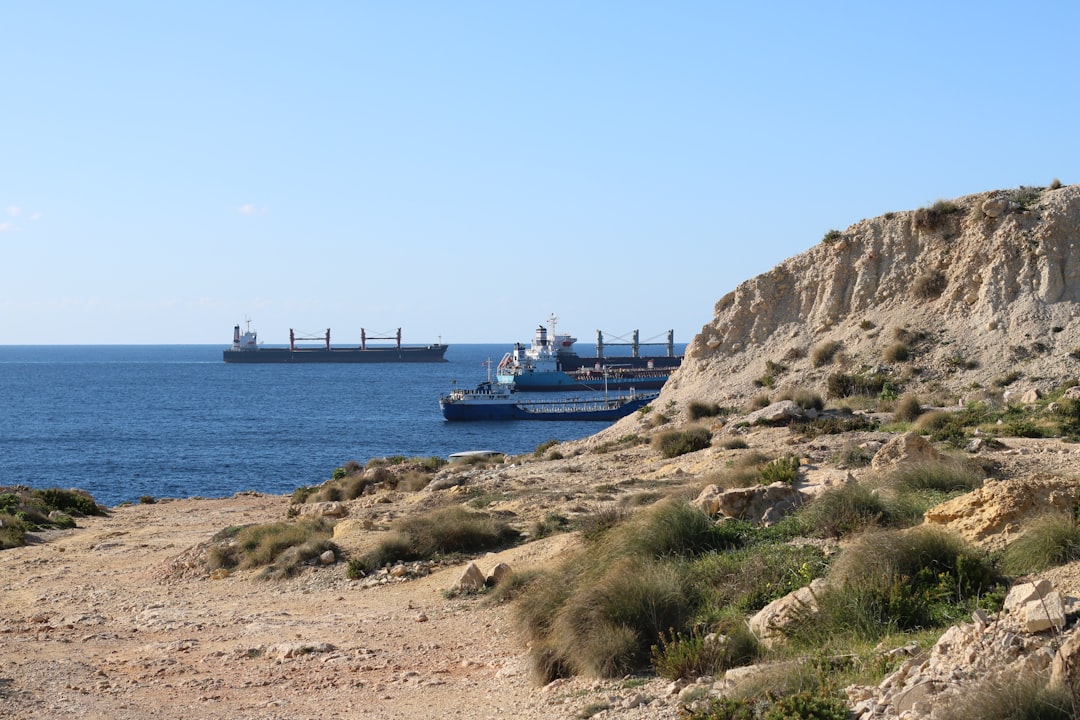
The Suez Canal is an artificial waterway connecting the Mediterranean and Red Seas, completed in 1869 after ten years of construction. The canal extends 193 kilometers (120 miles) through Egypt, allowing ships to travel between Europe and Asia without circumnavigating Africa. This route reduces the journey from European ports to Asian destinations by approximately 8,900 kilometers and 10-15 days of travel time.
The canal operates as a single-lane waterway with passing areas, accommodating vessels up to 20.
5 meters in beam. In 2021, approximately 20,600 vessels transited the canal, carrying over 1.27 billion tons of cargo. The waterway handles roughly 12-15% of global maritime trade, including significant portions of oil, liquefied natural gas, and containerized goods moving between Asia and Europe.
The Suez Canal Authority, established by the Egyptian government, manages operations and collects transit fees that constitute a major source of national revenue for Egypt. Annual revenues typically exceed $6 billion, making the canal one of Egypt’s primary foreign currency earners. The strategic importance of this shipping route has led to multiple international conflicts, including the Suez Crisis of 1956 and its closure from 1967 to 1975 following the Six-Day War.
Recent expansion projects, including the New Suez Canal completed in 2015, have increased capacity and reduced transit times to meet growing global shipping demands.
Key Takeaways
- The Suez Canal is a critical global trade route with significant historical and economic importance.
- Its geopolitical position makes it vulnerable to various security threats and disruptions.
- Past blockages have had major impacts on international shipping and global supply chains.
- Current security measures and international cooperation aim to safeguard the canal from potential risks.
- Technological innovations and strategic planning are essential for ensuring the canal’s future stability and trade flow.
Historical significance and economic importance of the Suez Canal
The historical significance of the Suez Canal cannot be overstated. It was conceived during a period of imperial expansion and technological advancement, reflecting the ambitions of nations to enhance their trade capabilities. The canal’s opening marked a new era in maritime navigation, allowing ships to bypass the lengthy and perilous journey around the southern tip of Africa.
This not only reduced travel time but also lowered shipping costs, making it an attractive route for merchants and traders. Economically, the Suez Canal has been a catalyst for growth in various sectors. It facilitates the transportation of oil, natural gas, consumer goods, and raw materials, playing a crucial role in the economies of both regional and global players.
The canal generates significant revenue for Egypt through tolls charged to passing vessels, contributing to the national economy. Furthermore, it has spurred development in surrounding areas, creating jobs and fostering trade relationships among nations. The economic ripple effects of the canal extend far beyond its immediate vicinity, influencing global markets and trade patterns.
Geopolitical implications of the Suez Canal
The geopolitical implications of the Suez Canal are profound and multifaceted. Given its strategic location, control over the canal has historically been a point of contention among nations. The canal has been at the center of various conflicts, including the Suez Crisis of 1956, which highlighted its significance as a geopolitical asset.
Nations recognize that access to this vital waterway can influence their economic stability and military strategy, making it a focal point in international relations. In contemporary geopolitics, the Suez Canal remains a critical factor in global power dynamics. Countries reliant on energy supplies from the Middle East view the canal as essential for ensuring uninterrupted access to resources.
Additionally, as emerging economies continue to grow, their dependence on this maritime route increases, further entrenching its geopolitical significance. The canal’s role as a chokepoint means that any disruption can have far-reaching consequences, prompting nations to engage in diplomatic efforts to secure their interests in this vital corridor.
Vulnerabilities and potential threats to the Suez Canal
Despite its importance, the Suez Canal is not without vulnerabilities. Natural disasters such as earthquakes or severe weather events pose significant risks to its operations. Additionally, human factors such as accidents involving vessels can lead to blockages that disrupt traffic flow.
The canal’s narrow passages make it particularly susceptible to incidents that can halt maritime activity for extended periods. Moreover, geopolitical tensions in the region can exacerbate vulnerabilities. Piracy, terrorism, and regional conflicts present ongoing threats that could compromise the security of the canal.
The potential for sabotage or attacks on vessels transiting through this critical waterway raises concerns about its safety and reliability. As global trade increasingly relies on this route, addressing these vulnerabilities becomes paramount to ensuring uninterrupted commerce.
Impact of previous disruptions on global trade
| Metric | Description | Value / Data | Source / Notes |
|---|---|---|---|
| Average Daily Vessel Traffic | Number of ships passing through the canal daily | Approximately 50-60 vessels | Suez Canal Authority (2023) |
| Average Transit Time | Time taken for a vessel to cross the canal | 12-16 hours | Suez Canal Authority (2023) |
| Canal Length | Total length of the Suez Canal | 193.3 km (120 miles) | Geographical Data |
| Maximum Vessel Draft | Maximum allowable draft for vessels | 20.1 meters | Suez Canal Authority |
| Economic Impact of Closure | Estimated daily global trade value affected | Approx. 9.6 billion | World Trade Organization (2023) |
| Historical Blockage Incidents | Number of major blockage events in last 20 years | 3 | Maritime Incident Reports |
| Vulnerability to Natural Hazards | Risk level from earthquakes, sandstorms, and flooding | Moderate | Geological and Meteorological Studies |
| Security Threat Level | Risk assessment of terrorism or sabotage | High | International Security Agencies |
| Alternative Route Availability | Existence and capacity of alternative shipping routes | Limited (around Cape of Good Hope) | Maritime Logistics Analysis |
| Canal Expansion Projects | Recent or ongoing projects to increase capacity | New Suez Canal (2015), ongoing upgrades | Suez Canal Authority |
The impact of previous disruptions in the Suez Canal has been felt across global trade networks. One notable incident occurred in March 2021 when the Ever Given, a massive container ship, became lodged in the canal, blocking traffic for six days. This incident highlighted how quickly disruptions can ripple through supply chains, causing delays and financial losses for businesses worldwide.
Estimates suggested that billions of dollars were lost each day due to halted shipping traffic. Such disruptions not only affect immediate shipping routes but also have cascading effects on global markets. Delays in deliveries can lead to shortages of goods, increased prices, and strained relationships between trading partners.
The incident with the Ever Given served as a stark reminder of how dependent modern economies are on efficient maritime transport and underscored the need for contingency planning to mitigate future disruptions.
Current security measures in place to protect the Suez Canal
In response to potential threats and vulnerabilities, authorities have implemented various security measures to protect the Suez Canal. The Egyptian government has invested significantly in enhancing surveillance capabilities along the waterway. This includes deploying advanced radar systems and monitoring technologies to detect unauthorized vessels or suspicious activities in real-time.
Additionally, naval patrols have been increased to ensure a visible security presence in the area. Collaboration with international maritime organizations has also been established to share intelligence and best practices for safeguarding this critical route. These measures aim not only to deter potential threats but also to reassure shipping companies that their vessels can transit safely through one of the world’s busiest maritime corridors.
Potential scenarios and consequences of a major disruption in the Suez Canal
The potential scenarios arising from a major disruption in the Suez Canal are alarming for global trade. A significant blockage could lead to immediate congestion in shipping lanes, with vessels forced to reroute around Africa or wait indefinitely for clearance. This would result in increased shipping costs and longer delivery times, impacting industries reliant on just-in-time inventory systems.
The consequences would extend beyond financial losses; they could also trigger broader economic instability. Industries such as manufacturing and retail could face severe disruptions due to delays in receiving essential materials or products. Furthermore, stock markets may react negatively to uncertainty surrounding supply chains, leading to fluctuations that could affect economies worldwide.
The interconnected nature of global trade means that a disruption in one key area can have far-reaching implications across multiple sectors.
International cooperation and response to Suez Canal vulnerabilities
Addressing vulnerabilities in the Suez Canal requires international cooperation and collaboration among nations and organizations involved in maritime trade. Recognizing that disruptions can have global repercussions, stakeholders are increasingly engaging in dialogue to develop coordinated responses to potential threats. International maritime organizations play a crucial role in facilitating this cooperation by providing platforms for sharing information and best practices related to security measures and risk management strategies.
Joint exercises involving naval forces from different countries can enhance preparedness for potential incidents while fostering trust among nations that rely on this vital waterway for trade.
Technological advancements and innovations to mitigate risks in the Suez Canal
Technological advancements are playing an increasingly important role in mitigating risks associated with the Suez Canal. Innovations such as automated navigation systems and artificial intelligence are being explored to enhance vessel tracking and improve traffic management within the canal. These technologies can help prevent accidents by providing real-time data on vessel movements and environmental conditions.
Moreover, advancements in communication systems enable better coordination among shipping companies, port authorities, and security agencies. Enhanced data analytics can identify patterns that may indicate potential risks or vulnerabilities, allowing for proactive measures to be taken before incidents occur. As technology continues to evolve, it holds promise for further enhancing safety and efficiency within this critical maritime corridor.
Future outlook for the Suez Canal and global trade
The future outlook for the Suez Canal remains optimistic despite its vulnerabilities. As global trade continues to expand, demand for efficient shipping routes will likely increase. Investments in infrastructure improvements and technological innovations will be essential to meet this demand while addressing potential risks.
Furthermore, ongoing geopolitical developments may shape how nations approach their reliance on this vital waterway. As countries seek greater energy security and diversification of supply routes, alternative pathways may emerge; however, none can replicate the strategic advantages offered by the Suez Canal. Thus, maintaining its operational integrity will remain a priority for stakeholders involved in international trade.
Recommendations for addressing vulnerabilities in the Suez Canal
In conclusion, addressing vulnerabilities in the Suez Canal requires a multifaceted approach that encompasses enhanced security measures, international cooperation, technological innovation, and proactive risk management strategies. Stakeholders must prioritize investments in infrastructure upgrades while fostering collaboration among nations to share intelligence and best practices. Additionally, ongoing training programs for personnel involved in canal operations can ensure preparedness for potential incidents while promoting a culture of safety within maritime industries.
The vulnerability of the Suez Canal has been a topic of significant concern, especially in light of recent global supply chain disruptions. For a deeper understanding of the factors affecting this critical waterway, you can refer to the article on the topic available at this link. This article provides insights into the various risks associated with the canal and discusses potential strategies for mitigating these vulnerabilities.
FAQs
What is the Suez Canal?
The Suez Canal is a man-made waterway in Egypt that connects the Mediterranean Sea to the Red Sea, allowing for direct maritime transport between Europe and Asia without navigating around Africa.
Why is the Suez Canal considered vulnerable?
The Suez Canal is considered vulnerable due to its narrow width, high traffic volume, geopolitical tensions in the region, and susceptibility to blockages from accidents or deliberate actions, which can disrupt global trade.
What types of vulnerabilities affect the Suez Canal?
Vulnerabilities include physical constraints like narrow passages, environmental factors such as sandstorms, technical failures, security threats including terrorism or piracy, and geopolitical risks stemming from regional conflicts.
How do blockages in the Suez Canal impact global trade?
Blockages can cause significant delays in shipping, increase transportation costs, disrupt supply chains, and lead to shortages of goods worldwide, as the canal handles about 12% of global trade.
What measures are in place to reduce the Suez Canal’s vulnerability?
Measures include canal expansion projects to widen and deepen the waterway, improved traffic management systems, enhanced security protocols, and contingency plans for rerouting ships if necessary.
Has the Suez Canal experienced major disruptions before?
Yes, notable incidents include the 2021 blockage caused by the container ship Ever Given, which halted traffic for six days and highlighted the canal’s vulnerability to accidents.
Can ships bypass the Suez Canal if it is blocked?
Ships can reroute around the Cape of Good Hope at the southern tip of Africa, but this significantly increases travel time and fuel costs.
What role does the Suez Canal play in the global economy?
The canal is a critical maritime route facilitating the efficient movement of goods, including oil, natural gas, and manufactured products, thereby supporting international trade and economic stability.
How is vulnerability analysis conducted for the Suez Canal?
Vulnerability analysis involves assessing physical, operational, environmental, and security risks through data collection, simulations, and expert evaluations to identify potential threats and mitigation strategies.
Who manages and operates the Suez Canal?
The Suez Canal Authority, an Egyptian state-owned entity, is responsible for the operation, maintenance, and management of the canal.