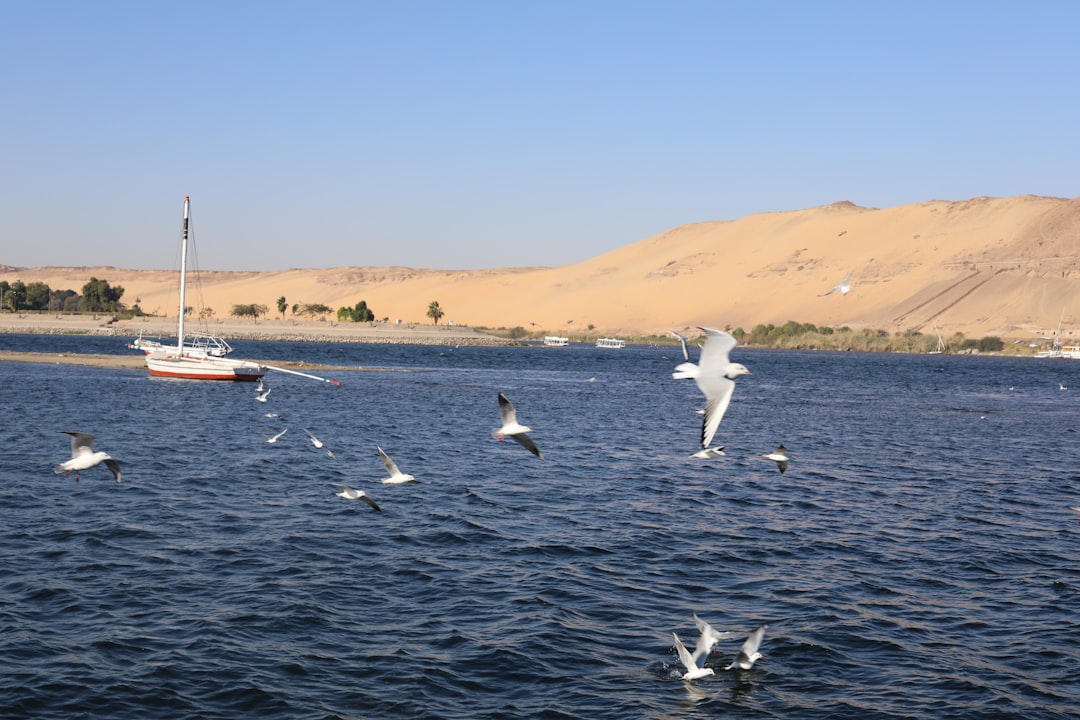
The Suez Canal, an engineering marvel that connects the Mediterranean Sea to the Red Sea, stands as a pivotal artery for maritime trade. Completed in 1869, this artificial waterway spans approximately 120 miles and serves as a shortcut for vessels traveling between Europe and Asia, significantly reducing the journey time compared to the lengthy route around the southern tip of Africa. The canal’s strategic location has made it a focal point for international shipping, facilitating the movement of goods and resources across continents.
Its construction not only transformed global trade patterns but also reshaped geopolitical dynamics, establishing Egypt as a crucial player in international commerce. The significance of the Suez Canal extends beyond its physical dimensions; it embodies the intersection of engineering prowess and economic necessity. The canal allows for the passage of thousands of ships each year, carrying everything from oil and natural gas to consumer goods and raw materials.
As global trade continues to expand, the Suez Canal remains a vital link in the supply chain, underscoring its importance in an increasingly interconnected world. The canal’s role in facilitating trade has made it a subject of interest for economists, historians, and political analysts alike, all of whom recognize its profound impact on global commerce.
Key Takeaways
- The Suez Canal is a critical maritime route connecting the Mediterranean and Red Seas, vital for global trade.
- Historically, the canal has played a key role in shaping geopolitical dynamics in the Middle East and beyond.
- Its strategic importance makes the canal vulnerable to disruptions from political conflicts, terrorism, and accidents.
- Disruptions in the canal can severely impact global supply chains and international trade flows.
- Ongoing international cooperation and security efforts are essential to safeguard the canal’s future and ensure uninterrupted maritime transit.
Importance of the Suez Canal for global trade
The Suez Canal is often referred to as the lifeblood of global trade due to its unparalleled ability to expedite maritime transportation. By providing a direct route between Europe and Asia, it significantly reduces travel time for vessels, allowing goods to reach their destinations more quickly and efficiently. This efficiency translates into lower shipping costs, which can have a cascading effect on consumer prices and overall economic stability.
The canal handles approximately 12% of global trade, making it an indispensable component of the international shipping network. Moreover, the Suez Canal plays a critical role in the energy sector, particularly in the transportation of oil and liquefied natural gas (LNG). A substantial portion of the world’s oil supply passes through this waterway, highlighting its importance not only for trade but also for energy security.
Disruptions in the canal can lead to significant fluctuations in oil prices and create ripple effects throughout the global economy. As nations increasingly rely on energy imports to fuel their economies, the Suez Canal’s role as a transit point for these vital resources cannot be overstated.
Historical significance of the Suez Canal
The historical significance of the Suez Canal is deeply intertwined with its construction and subsequent impact on global trade. Initiated by French diplomat Ferdinand de Lesseps, the canal was a monumental undertaking that required innovative engineering solutions and immense labor resources. Its completion marked a turning point in maritime navigation, allowing ships to bypass the lengthy journey around Africa.
The canal quickly became a symbol of modernity and progress, reflecting the technological advancements of the 19th century. Throughout its history, the Suez Canal has been at the center of geopolitical conflicts and power struggles. The canal was nationalized by Egyptian President Gamal Abdel Nasser in 1956, leading to the Suez Crisis—a military confrontation involving Egypt, Israel, Britain, and France.
This event underscored the canal’s strategic importance and highlighted how control over such a vital trade route could influence international relations. The historical narrative of the Suez Canal is not merely one of engineering triumph; it is also a testament to the complex interplay of politics, economics, and culture that has shaped its legacy.
Geopolitical implications of the Suez Canal
The geopolitical implications of the Suez Canal are profound and multifaceted. As a critical chokepoint in global trade, control over the canal has historically been a source of tension among nations. Its strategic location makes it a focal point for military and economic interests, with various countries vying for influence over this vital waterway.
The canal’s significance extends beyond trade; it is also a key factor in regional security dynamics, particularly in relation to Middle Eastern politics. In recent years, the geopolitical landscape surrounding the Suez Canal has evolved in response to shifting alliances and emerging threats. The rise of new economic powers has led to increased competition for access to this crucial route.
Additionally, regional conflicts and instability can have immediate repercussions for shipping traffic through the canal. As nations navigate these complexities, the Suez Canal remains a barometer for broader geopolitical trends, reflecting changes in power dynamics and international relations.
Vulnerabilities of the Suez Canal
| Metric | Description | Value / Data | Impact on Vulnerability |
|---|---|---|---|
| Daily Vessel Traffic | Number of ships passing through the canal daily | Approximately 50-60 vessels | High traffic increases risk of congestion and accidents |
| Average Transit Time | Time taken for a vessel to cross the canal | 12-16 hours | Longer transit times increase exposure to disruptions |
| Canal Width | Width of the navigable channel | 205 meters (approx.) | Narrow width limits maneuverability, increasing grounding risk |
| Canal Depth | Depth of the canal allowing vessel passage | 24 meters (approx.) | Depth restrictions limit vessel size, affecting traffic flow |
| Number of Grounding Incidents (Last 5 Years) | Reported cases of vessels running aground | 5 major incidents | Indicates susceptibility to navigation errors and congestion |
| Security Threat Level | Assessment of geopolitical and terrorist risks | Moderate to High | Potential for intentional disruptions affecting global trade |
| Alternative Route Availability | Existence of other viable shipping routes | Limited (around Cape of Good Hope adds ~10-14 days) | Low availability increases strategic vulnerability |
| Economic Impact of Closure | Estimated global trade disruption cost per day | Estimated 9-10 billion in trade value delayed | High economic stakes increase urgency for risk mitigation |
Despite its critical importance, the Suez Canal is not without vulnerabilities. Its narrow passages and reliance on specific navigational routes make it susceptible to blockages caused by accidents or natural disasters. The grounding of vessels can lead to significant delays in shipping schedules, impacting global supply chains and causing economic repercussions that extend far beyond Egypt’s borders.
Environmental factors also pose challenges to the canal’s operation. Climate change has led to rising sea levels and increased frequency of extreme weather events, which can disrupt shipping routes and threaten the integrity of the canal itself.
Additionally, geopolitical tensions in the region can create uncertainties that affect shipping traffic. These vulnerabilities highlight the need for ongoing assessments and proactive measures to ensure that the Suez Canal remains operational and secure.
Potential threats to the Suez Canal
The potential threats to the Suez Canal are diverse and complex, encompassing both natural and human-induced risks. One significant concern is maritime piracy, which has seen a resurgence in certain regions adjacent to major shipping routes. While piracy incidents have decreased in recent years due to increased naval patrols and international cooperation, any resurgence could pose a direct threat to vessels transiting through the canal.
The potential for hijacking or theft can create apprehension among shipping companies and insurers alike. In addition to piracy, geopolitical tensions in neighboring regions can also impact the security of the Suez Canal. Conflicts involving state and non-state actors can create instability that affects shipping operations.
Terrorism remains a persistent threat globally, with potential attacks on maritime infrastructure posing risks not only to vessels but also to regional security.
Impact of a disruption in the Suez Canal
A disruption in the Suez Canal can have far-reaching consequences for global trade and economic stability. Given that approximately 50 ships transit through the canal daily, any blockage or closure can lead to significant delays in shipping schedules. This disruption can result in increased shipping costs as vessels are forced to reroute around Africa or wait for clearance through alternative channels.
Such delays can create bottlenecks in supply chains, affecting industries reliant on timely deliveries. The economic ramifications extend beyond immediate shipping costs; they can also influence global markets and commodity prices. For instance, disruptions in oil transportation through the canal can lead to spikes in fuel prices, impacting consumers worldwide.
Additionally, industries dependent on just-in-time inventory systems may face production slowdowns or shortages due to delayed shipments. The interconnectedness of global trade means that disruptions in one key area can reverberate throughout economies across continents.
Efforts to mitigate vulnerabilities in the Suez Canal
Recognizing its critical importance, various stakeholders have undertaken efforts to mitigate vulnerabilities associated with the Suez Canal. The Egyptian government has invested significantly in upgrading infrastructure and enhancing navigational safety measures within the canal. These improvements include widening certain sections to accommodate larger vessels and implementing advanced traffic management systems to streamline operations.
International cooperation plays a crucial role in safeguarding the canal’s security as well. Collaborative efforts among nations have led to enhanced surveillance and monitoring capabilities aimed at detecting potential threats before they escalate into crises. Maritime organizations have also established protocols for responding to emergencies within the canal, ensuring that contingency plans are in place should disruptions occur.
These proactive measures reflect a commitment to maintaining the integrity of this vital trade route.
Future outlook for the Suez Canal
The future outlook for the Suez Canal appears promising yet fraught with challenges. As global trade continues to evolve with advancements in technology and shifts in consumer behavior, there will be ongoing demands for efficient maritime transportation solutions. The canal’s ability to adapt to these changes will be crucial in maintaining its status as a key player in international shipping.
Moreover, environmental considerations will increasingly shape discussions surrounding the canal’s future operations. As climate change impacts become more pronounced, stakeholders will need to address sustainability concerns while ensuring that shipping remains viable through this critical waterway. Balancing economic interests with environmental stewardship will be essential as nations navigate these complex issues moving forward.
International cooperation in securing the Suez Canal
International cooperation is paramount when it comes to securing the Suez Canal against potential threats and vulnerabilities. Given its significance as a global trade artery, collaboration among nations is essential for effective risk management and crisis response strategies. Various maritime organizations have established frameworks for information sharing and joint exercises aimed at enhancing security protocols within the canal.
Additionally, partnerships between Egypt and other countries have led to increased naval presence in nearby waters, deterring piracy and other illicit activities that could threaten shipping operations. These collaborative efforts underscore a shared commitment among nations to protect this vital trade route from emerging risks while ensuring that it remains open for commerce.
The need for continued vigilance in protecting the Suez Canal
In conclusion, the Suez Canal stands as an indispensable component of global trade infrastructure, with profound implications for economic stability and geopolitical dynamics. Its historical significance is matched only by its contemporary relevance as nations navigate an increasingly interconnected world. However, vulnerabilities persist—ranging from environmental challenges to geopolitical tensions—that necessitate ongoing vigilance.
As stakeholders work collaboratively to address these challenges, it is imperative that they remain proactive in safeguarding this vital waterway against potential threats. The future of global trade hinges on maintaining secure and efficient maritime routes like the Suez Canal; thus, continued investment in infrastructure improvements, international cooperation, and crisis preparedness will be essential for ensuring its resilience in an ever-changing landscape.
The vulnerability of the Suez Canal has been a topic of significant concern, especially in light of recent global supply chain disruptions. A related article that delves into the implications of such vulnerabilities can be found at this link. This analysis provides insights into the strategic importance of the canal and the potential risks associated with its operation.
FAQs
What is the Suez Canal?
The Suez Canal is a man-made waterway in Egypt that connects the Mediterranean Sea to the Red Sea, allowing for direct maritime transport between Europe and Asia without navigating around Africa.
Why is the Suez Canal considered vulnerable?
The Suez Canal is considered vulnerable due to its narrow width, high traffic volume, geopolitical tensions in the region, and susceptibility to blockages from accidents or deliberate actions, which can disrupt global trade.
What types of vulnerabilities affect the Suez Canal?
Vulnerabilities include physical constraints like narrow passages, environmental factors such as sandstorms, technical failures, security threats including terrorism or piracy, and geopolitical risks stemming from regional conflicts.
How can a blockage in the Suez Canal impact global trade?
A blockage can delay shipments, increase shipping costs, disrupt supply chains, and cause shortages of goods worldwide, as a significant portion of global maritime trade passes through the canal.
What measures are in place to reduce the Suez Canal’s vulnerability?
Measures include canal expansion projects to widen and deepen the waterway, improved navigation technologies, enhanced security protocols, and contingency planning for alternative shipping routes.
Has the Suez Canal experienced significant blockages before?
Yes, notable incidents include the 2021 blockage caused by the container ship Ever Given, which halted traffic for six days and highlighted the canal’s vulnerability to accidents.
Are there alternative routes to the Suez Canal?
Alternatives include the longer route around the Cape of Good Hope at the southern tip of Africa and, for some cargo, overland routes or the Northern Sea Route via the Arctic, though these options have limitations.
How does the vulnerability of the Suez Canal affect global economies?
Disruptions can lead to increased shipping times and costs, affecting the prices of goods, supply chain reliability, and economic stability in countries dependent on timely imports and exports.
What role does technology play in mitigating the Suez Canal’s vulnerabilities?
Technology aids in navigation safety, real-time monitoring, traffic management, and rapid response to incidents, helping to prevent accidents and minimize the impact of disruptions.
Who manages and operates the Suez Canal?
The Suez Canal is managed and operated by the Suez Canal Authority, an Egyptian state-owned entity responsible for its maintenance, security, and administration.