
The Suez Canal is an artificial waterway that connects the Mediterranean and Red Seas, providing a direct shipping route between Europe and Asia. The canal opened in 1869 under the supervision of French diplomat Ferdinand de Lesseps. Prior to its construction, ships traveling between Europe and Asia were required to circumnavigate Africa via the Cape of Good Hope, adding approximately 6,000 miles to the journey.
The canal spans 120 miles (193 kilometers) across the Isthmus of Suez in Egypt. Construction began in 1859 and required ten years to complete, involving the excavation of approximately 74 million cubic meters of sand and earth. The project employed both manual labor and mechanical dredging equipment.
Since its opening, the canal has been expanded multiple times to accommodate larger vessels. Major expansions occurred in 2015 with the addition of a new parallel channel and the deepening of existing sections. The canal can now handle ships up to 20.1 meters in draft and 77.5 meters in beam width.
The Suez Canal handles approximately 12% of global maritime trade, with over 18,000 vessels transiting annually. Key commodities include crude oil, petroleum products, containerized goods, and bulk cargo. The canal generates significant revenue for Egypt, contributing billions of dollars annually to the national economy.
Transit fees are calculated based on vessel size, type, and cargo. The waterway’s strategic importance extends beyond economics, as it serves as a critical chokepoint for global shipping. Disruptions to canal operations, such as the Ever Given grounding in March 2021, can significantly impact international supply chains and commodity prices.
Key Takeaways
- The Suez Canal is a critical maritime route that significantly influences global trade and supply chain logistics.
- Blockages in the canal can cause major disruptions, leading to delays and increased costs in international shipping.
- Strategies such as diversifying trade routes and leveraging technology are essential to mitigate supply chain risks.
- Alternative routes exist but often involve longer transit times and higher expenses.
- Lessons from past blockages highlight the need for improved supply chain resilience and proactive management.
How the Suez Canal Impacts Global Trade
The Suez Canal is often referred to as the “highway of trade,” and for good reason. By providing a shortcut between Europe and Asia, it significantly reduces shipping times and costs. For instance, a journey from Rotterdam to Mumbai can be shortened by several days when utilizing the canal, which translates into substantial savings for shipping companies and their clients.
This efficiency is particularly crucial in an era where just-in-time inventory practices dominate supply chain management, necessitating timely deliveries to meet consumer demand. Moreover, the canal’s role extends beyond mere transportation; it influences global market dynamics. The ability to move goods swiftly affects pricing strategies, inventory levels, and even production schedules across various industries.
For countries reliant on imports and exports, the Suez Canal serves as a vital artery that sustains economic growth and stability. Disruptions in this waterway can lead to cascading effects throughout the global economy, highlighting its significance in maintaining the flow of trade.
The Role of the Suez Canal in Supply Chain Logistics
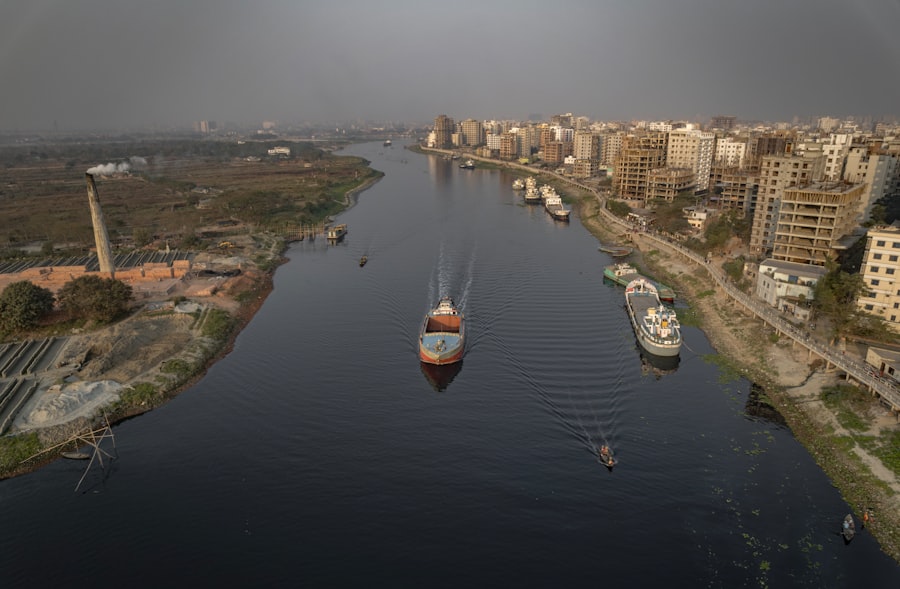
In the realm of supply chain logistics, the Suez Canal is an indispensable component that facilitates seamless operations for businesses worldwide. Its strategic position allows for efficient routing of shipping lanes, which is essential for companies that rely on timely deliveries to maintain their competitive edge.
Furthermore, the Suez Canal’s impact on logistics extends to its influence on shipping costs. By providing a more direct route for vessels, it reduces fuel consumption and transit times, ultimately lowering operational expenses for shipping companies. This cost-effectiveness is particularly beneficial for businesses that operate on thin margins or those that require rapid replenishment of inventory.
As such, the canal plays a crucial role in optimizing supply chain efficiency and enhancing overall productivity in global trade.
The Impact of the Suez Canal Blockage on Global Trade
The blockage of the Suez Canal in March 2021 by the Ever Given container ship served as a stark reminder of the canal’s critical role in global trade. The incident halted traffic through one of the world’s busiest maritime routes for six days, leading to significant disruptions in supply chains worldwide. Estimates suggested that billions of dollars in trade were affected daily, with thousands of vessels delayed or rerouted.
This event underscored how vulnerable global trade is to disruptions in key chokepoints like the Suez Canal. The ramifications of such blockages extend beyond immediate financial losses; they can lead to long-term shifts in supply chain strategies. Companies may find themselves grappling with inventory shortages or increased shipping costs as they seek alternative routes or modes of transportation.
The incident prompted many businesses to reevaluate their reliance on the canal and consider diversifying their supply chains to mitigate future risks. As a result, the blockage highlighted not only the fragility of global trade networks but also the need for greater resilience in supply chain management.
Strategies for Mitigating Supply Chain Disruptions Caused by Suez Canal Blockages
| Metric | Before Suez Canal Disruption | After Suez Canal Disruption | Impact on Supply Chains |
|---|---|---|---|
| Average Transit Time (days) | 12 | 20 | +67% increase due to rerouting around Cape of Good Hope |
| Shipping Costs (per container) | 1000 | 1500 | +50% increase due to longer routes and fuel consumption |
| Number of Alternative Routes Used | 2 | 5 | More diversification to avoid chokepoints |
| Inventory Buffer Increase (%) | 10 | 25 | Higher safety stock to mitigate delays |
| Lead Time Variability (days) | 3 | 7 | Increased unpredictability in delivery schedules |
| Percentage of Supply Chains Rewired | 5 | 30 | More companies adopting new routing and sourcing strategies |
In light of the vulnerabilities exposed by the Suez Canal blockage, businesses are increasingly adopting strategies to mitigate potential disruptions in their supply chains. One effective approach is diversifying shipping routes and modes of transportation. By exploring alternative pathways—such as overland routes or other maritime channels—companies can reduce their dependence on any single chokepoint.
This diversification not only enhances resilience but also provides flexibility in responding to unforeseen events. Another strategy involves investing in technology and data analytics to improve visibility across supply chains. By leveraging real-time tracking systems and predictive analytics, businesses can better anticipate potential disruptions and make informed decisions regarding inventory management and logistics planning.
Enhanced visibility allows companies to respond swiftly to changes in demand or delays in transportation, ultimately minimizing the impact of disruptions on their operations.
The Future of the Suez Canal and Global Trade
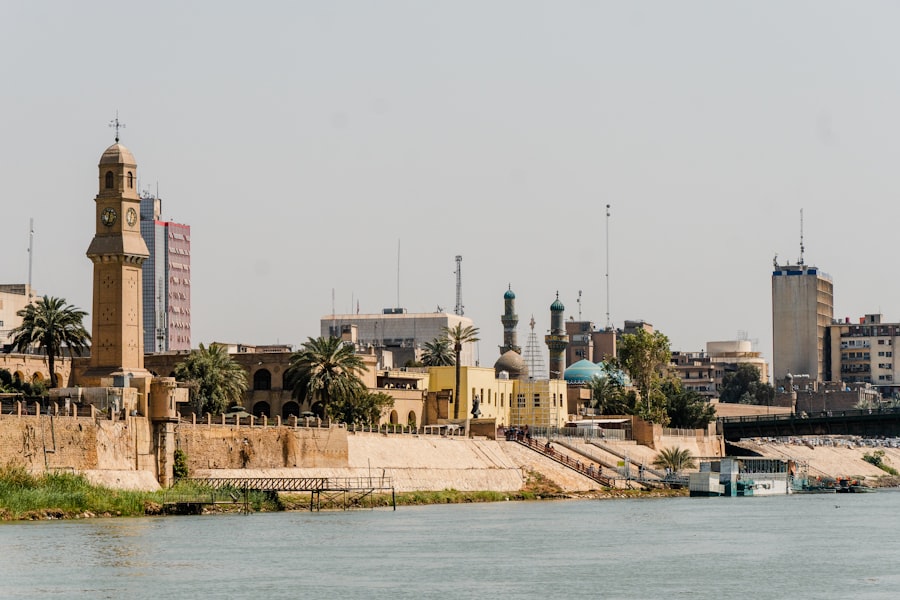
As global trade continues to evolve, so too does the role of the Suez Canal in shaping maritime commerce. With advancements in shipping technology and increasing vessel sizes, there is ongoing discussion about further expanding the canal’s capacity to accommodate larger ships and increased traffic. Such expansions could enhance its competitiveness as a key trade route while ensuring that it remains relevant in an ever-changing global landscape.
Moreover, geopolitical factors will likely play a significant role in determining the future of the Suez Canal. As nations vie for influence over critical trade routes, diplomatic relations will be essential in maintaining stability and security around this vital waterway. The canal’s strategic importance means that it will continue to be a focal point for international negotiations and collaborations aimed at fostering economic growth and ensuring uninterrupted trade flows.
Alternative Trade Routes to the Suez Canal
While the Suez Canal remains a dominant route for maritime trade between Europe and Asia, alternative pathways are gaining attention as potential solutions to mitigate risks associated with reliance on a single chokepoint. One such alternative is the Northern Sea Route, which runs along Russia’s Arctic coast. This route offers a shorter passage between Europe and Asia during certain months when ice conditions permit navigation.
However, challenges such as environmental concerns and geopolitical tensions must be addressed before it can serve as a viable alternative on a larger scale. Another option is overland transportation via rail networks that connect Europe with Asia through countries like Kazakhstan and China. Initiatives such as China’s Belt and Road Initiative aim to enhance these overland connections, promoting trade through infrastructure development.
While these alternatives may not yet match the efficiency of maritime routes like the Suez Canal, they represent important considerations for businesses seeking to diversify their supply chains and reduce vulnerability to disruptions.
Environmental and Economic Impacts of Suez Canal Blockages
The environmental implications of blockages in the Suez Canal extend beyond immediate economic losses; they also raise concerns about ecological sustainability and maritime safety. When vessels are forced to reroute or remain idle due to blockages, there is an increased risk of accidents or environmental incidents occurring in alternative waterways or ports. Additionally, prolonged delays can lead to heightened emissions from ships idling or taking longer routes, contributing to air pollution and climate change.
Economically, blockages can have cascading effects on various sectors reliant on timely deliveries. Industries such as manufacturing, retail, and energy can experience significant disruptions that ripple through their supply chains. The financial impact can be profound, affecting everything from production schedules to consumer prices.
As businesses grapple with these challenges, there is an urgent need for comprehensive strategies that address both environmental sustainability and economic resilience in response to potential disruptions.
The Role of Technology in Managing Supply Chain Disruptions
In an increasingly interconnected world, technology plays a crucial role in managing supply chain disruptions caused by events like blockages in the Suez Canal. Advanced technologies such as artificial intelligence (AI), machine learning, and blockchain are being leveraged to enhance visibility and efficiency across supply chains. These tools enable businesses to track shipments in real-time, predict potential delays, and optimize logistics operations based on data-driven insights.
Moreover, technology facilitates better communication among stakeholders involved in supply chain management. Collaborative platforms allow companies to share information about inventory levels, shipping schedules, and potential disruptions with suppliers and customers alike. This transparency fosters agility within supply chains, enabling businesses to respond swiftly to changes in demand or unexpected challenges while minimizing disruptions’ impact on operations.
The Suez Canal and the Global Economy
The Suez Canal’s significance extends far beyond its geographical location; it serves as a barometer for global economic health. Fluctuations in traffic through the canal often reflect broader trends in international trade and economic activity. For instance, increased shipping volumes may indicate robust demand for goods and services worldwide, while significant declines could signal economic slowdowns or shifts in consumer behavior.
Furthermore, the canal’s role as a conduit for energy resources underscores its importance in shaping global energy markets. A substantial portion of oil transported by sea passes through this waterway, making it integral to energy security for many nations. Disruptions in this flow can lead to volatility in oil prices and ripple effects throughout various sectors reliant on energy resources.
Lessons Learned from the Suez Canal Blockage for Supply Chain Management
The blockage of the Suez Canal serves as a case study from which valuable lessons can be drawn for supply chain management practices moving forward. One key takeaway is the importance of building resilience into supply chains by diversifying routes and sources of supply. Companies that had already established alternative pathways were better positioned to navigate disruptions without significant losses.
Additionally, investing in technology that enhances visibility across supply chains emerged as a critical factor in mitigating risks associated with unexpected events. Businesses that leveraged data analytics were able to make informed decisions quickly, minimizing delays and optimizing operations during challenging circumstances. Ultimately, the lessons learned from this incident underscore the need for proactive planning and adaptability within supply chain management strategies to ensure continued success in an unpredictable global landscape.
As businesses navigate an increasingly complex landscape marked by potential disruptions, understanding the canal’s historical significance and future challenges will be crucial for fostering resilience and ensuring sustainable growth in international commerce.
The recent efforts to rewire supply chains through the Suez Canal have sparked significant interest in global trade dynamics. For a deeper understanding of the geographical implications and the strategic importance of this vital waterway, you can read more in this related article on MyGeoQuest. Check it out here: MyGeoQuest.
FAQs
What is the Suez Canal and why is it important for global supply chains?
The Suez Canal is a man-made waterway in Egypt that connects the Mediterranean Sea to the Red Sea. It is a critical maritime route for global trade, allowing ships to travel between Europe and Asia without navigating around Africa, significantly reducing shipping time and costs.
What does “rewiring supply chains” mean in the context of the Suez Canal?
“Rewiring supply chains” refers to the process of redesigning and adjusting global supply routes and logistics networks. In the context of the Suez Canal, it involves companies and countries reconsidering their reliance on this route and exploring alternative pathways or strategies to mitigate risks associated with disruptions.
Why has the Suez Canal prompted discussions about rewiring supply chains?
The Suez Canal has been the site of significant disruptions, such as the 2021 blockage caused by the Ever Given container ship. Such incidents highlight vulnerabilities in global supply chains that heavily depend on this single route, prompting businesses to explore diversification and resilience strategies.
What are some alternatives to the Suez Canal for shipping goods?
Alternatives include the longer route around the Cape of Good Hope at the southern tip of Africa, the Northern Sea Route through the Arctic (seasonally accessible), and overland transport options like rail corridors connecting Asia and Europe.
How might rewiring supply chains affect global trade costs and delivery times?
Rewiring supply chains to avoid the Suez Canal may increase shipping distances and times, leading to higher transportation costs. However, it can also reduce the risk of delays caused by canal blockages, potentially improving overall supply chain reliability.
Are companies already making changes to their supply chains because of the Suez Canal disruptions?
Yes, some companies are diversifying their shipping routes, increasing inventory levels, investing in regional manufacturing, and exploring multimodal transport options to reduce dependence on the Suez Canal and enhance supply chain resilience.
What role does technology play in rewiring supply chains related to the Suez Canal?
Technology such as advanced logistics software, real-time tracking, and data analytics helps companies optimize routes, predict disruptions, and make informed decisions about supply chain adjustments involving the Suez Canal.
Will the Suez Canal remain a vital part of global supply chains in the future?
Despite challenges, the Suez Canal is expected to remain a key maritime route due to its strategic location and capacity. However, ongoing efforts to diversify and strengthen supply chains will likely continue alongside its use.