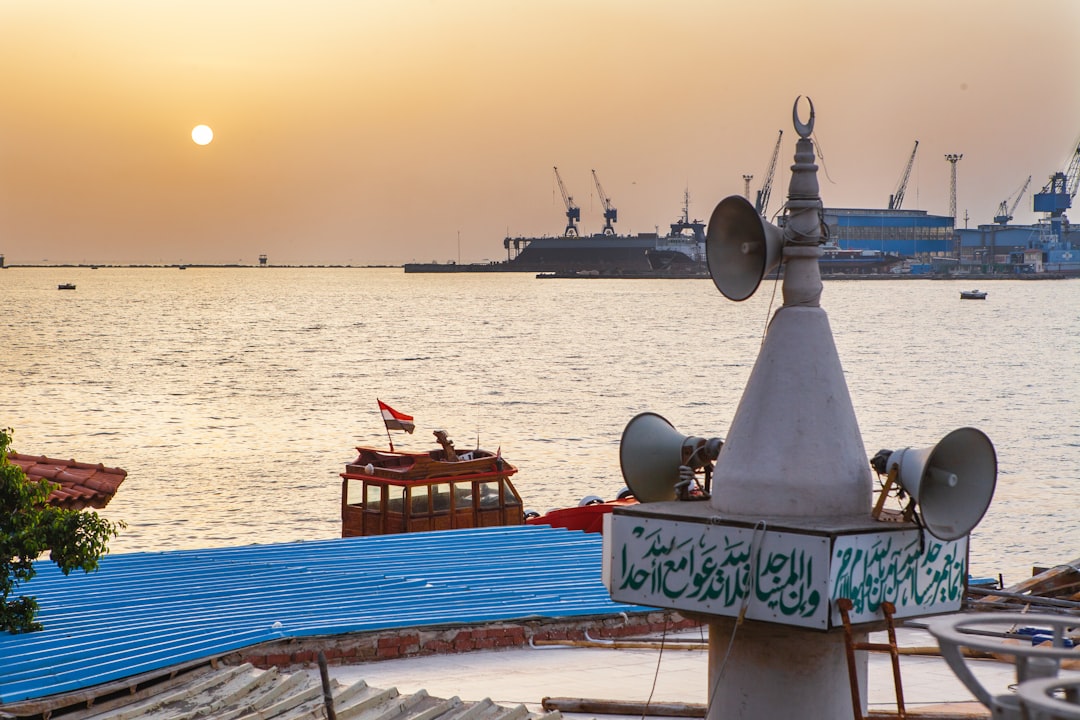
The Suez Canal is a critical global trade route connecting the Mediterranean Sea to the Red Sea, enabling vessels to travel between Europe and Asia without circumnavigating Africa. This waterway handles approximately 12% of global trade, including significant volumes of oil and liquefied natural gas. By shortening shipping routes, the canal enhances economic efficiency for nations engaged in international commerce, contributing to worldwide economic development.
The canal serves as an essential component in global supply chains across multiple industries. Manufacturers depend on it for timely transportation of raw materials and finished products. Its operational efficiency has made it a fundamental element in international logistics networks, affecting the distribution of diverse products from everyday consumer goods to sophisticated technological components.
As international trade expands, the Suez Canal’s importance as a key maritime passage continues to grow, highlighting its vital role in maintaining cross-border commercial flows.
Key Takeaways
- The Suez Canal is a critical artery for global trade, significantly reducing shipping time between Europe and Asia.
- Its geopolitical importance makes it a strategic asset often contested and controlled by various powers throughout history.
- Securing the canal faces challenges from regional conflicts, political instability, and environmental risks.
- International cooperation and technological advancements are essential to protect the canal and ensure uninterrupted maritime traffic.
- Disruptions in the Suez Canal have profound economic and political consequences, highlighting the need for ongoing vigilance and future-focused security measures.
Geopolitical Significance of the Suez Canal
The geopolitical significance of the Suez Canal extends far beyond its economic contributions. It is a focal point of international relations, influencing diplomatic ties and power dynamics among nations. Control over this strategic waterway has historically been a matter of national security for various countries, particularly those with vested interests in trade routes and energy supplies.
The canal’s location makes it a pivotal point for military strategy, as it can be used to project power or exert influence over regional affairs. In recent years, the geopolitical landscape surrounding the Suez Canal has evolved, with emerging powers seeking to assert their influence in the region. The canal’s importance has led to increased military presence from various nations, each aiming to secure their interests and ensure safe passage for their vessels.
This heightened competition can lead to tensions, as countries navigate the delicate balance between cooperation and rivalry. The Suez Canal remains a symbol of both opportunity and conflict, reflecting the complexities of modern geopolitics.
Historical and Modern Control of the Suez Canal
The history of the Suez Canal is marked by periods of both cooperation and conflict, reflecting its significance in global affairs. Constructed in the mid-19th century, the canal was initially controlled by French interests before being nationalized by Egypt in 1956. This move sparked the Suez Crisis, a pivotal moment that highlighted the canal’s strategic importance and its role in international politics.
The crisis saw military intervention from Britain, France, and Israel, ultimately leading to a reevaluation of colonial powers’ influence in the region. In contemporary times, control over the Suez Canal remains a contentious issue. Egypt continues to manage the canal, but its operations are influenced by international stakeholders who rely on its functionality for trade.
The canal’s management has evolved to incorporate modern technologies and practices aimed at enhancing efficiency and safety.
Challenges and Vulnerabilities in Securing the Suez Canal
Despite its critical role in global trade, the Suez Canal faces numerous challenges and vulnerabilities that threaten its security and operational integrity. One significant concern is the risk of maritime accidents, such as groundings or collisions, which can disrupt traffic and lead to significant economic losses. The incident involving the Ever Given container ship in 2021 serves as a stark reminder of how quickly operations can be halted, causing ripple effects throughout global supply chains.
Additionally, geopolitical tensions in the region pose a constant threat to the canal’s security. The potential for military conflict or terrorism can create an atmosphere of uncertainty for shipping companies and nations reliant on this route. Ensuring the safety of vessels navigating through the canal requires ongoing vigilance and cooperation among nations to address these vulnerabilities effectively.
As global trade continues to evolve, so too must the strategies employed to safeguard this essential maritime passage.
Impact of Regional Conflicts on the Suez Canal
| Metric | Value | Details | Geopolitical Implication |
|---|---|---|---|
| Annual Ship Traffic | ~19,000 vessels | Number of ships passing through the canal each year | High dependency for global maritime trade |
| Percentage of Global Trade Volume | ~12% | Share of global trade passing through the canal | Critical chokepoint affecting global supply chains |
| Oil and Gas Transit | ~8-10 million barrels/day | Volume of crude oil and petroleum products transported | Energy security concerns for Europe and Asia |
| Average Transit Time | ~12-16 hours | Time taken for a vessel to cross the canal | Delays can cause significant economic impact |
| Canal Width | ~205 meters (main channel) | Physical limitation affecting ship size and traffic | Limits on vessel size increase vulnerability to blockages |
| Recent Blockage Incidents | 1 major (Ever Given, 2021) | Duration: 6 days; caused global shipping delays | Exposed vulnerability to single-point failures |
| Control and Ownership | Egyptian Government | Operated by Suez Canal Authority | Geopolitical leverage for Egypt in regional politics |
| Alternative Routes | Longer by ~7-10 days (around Africa) | Use of Cape of Good Hope route as backup | Increases shipping costs and time, affecting global trade |
| Military Presence | Egyptian Armed Forces + International Naval Patrols | Security measures to protect canal operations | Strategic military interest from global powers |
| Economic Revenue | ~5.6 billion annually | Tolls collected from ships passing through | Major source of income for Egypt’s economy |
Regional conflicts have a profound impact on the Suez Canal’s operations and its role in global trade. Tensions in neighboring countries can lead to increased military activity or instability that directly affects shipping routes. For instance, conflicts in Syria or Libya have raised concerns about maritime security in the Mediterranean region, prompting nations to enhance their naval presence to protect commercial interests.
Moreover, regional conflicts can disrupt supply chains that rely on the canal for timely deliveries. When tensions escalate, shipping companies may reroute vessels or increase insurance premiums due to perceived risks, leading to delays and increased costs for businesses worldwide. The interconnectedness of global trade means that disruptions in one area can have far-reaching consequences, underscoring the need for stability in regions surrounding the Suez Canal.
International Cooperation in Protecting the Suez Canal
Recognizing the strategic importance of the Suez Canal, international cooperation is essential for ensuring its security and operational efficiency. Various nations have engaged in collaborative efforts to enhance maritime security through joint naval exercises and intelligence sharing. These initiatives aim to create a unified approach to safeguarding shipping lanes and addressing potential threats posed by piracy or terrorism.
Furthermore, organizations such as the International Maritime Organization (IMO) play a crucial role in establishing guidelines and best practices for maritime safety. By fostering dialogue among member states, these organizations help create a framework for cooperation that transcends national borders. The collective commitment to protecting the Suez Canal reflects an understanding that its stability is vital not only for regional security but also for global economic prosperity.
Economic and Political Implications of Suez Canal Disruptions
Disruptions in the Suez Canal can have significant economic and political implications that reverberate across nations. When shipping traffic is halted or delayed, it can lead to increased costs for businesses reliant on timely deliveries. This situation can result in inflationary pressures as supply chains become strained, ultimately affecting consumers worldwide.
The economic fallout from such disruptions can be particularly pronounced for countries heavily dependent on imports or exports passing through this critical waterway. Politically, disruptions can strain diplomatic relations among nations that rely on the canal for trade. Countries may find themselves at odds over responsibility for delays or accidents, leading to tensions that complicate international relations.
Additionally, governments may face domestic pressure to take action in response to disruptions, further complicating their foreign policy agendas. The interconnected nature of global trade means that events affecting the Suez Canal can have far-reaching consequences that extend well beyond its immediate vicinity.
Environmental Concerns and Risks in the Suez Canal
Environmental concerns surrounding the Suez Canal are increasingly coming to light as global awareness of ecological issues grows. The canal’s operations pose risks to marine ecosystems due to potential oil spills or pollution from vessels traversing its waters. Such incidents can have devastating effects on local wildlife and habitats, prompting calls for stricter regulations and environmental protections.
Moreover, climate change poses additional challenges for the canal’s future viability. Rising sea levels and changing weather patterns could impact navigation routes and infrastructure integrity. As nations grapple with these environmental challenges, there is a growing recognition that sustainable practices must be integrated into canal operations to mitigate risks and protect marine environments for future generations.
Technological Advancements in Suez Canal Security
In response to evolving threats and challenges, technological advancements are playing an increasingly vital role in enhancing security measures at the Suez Canal. Innovations such as advanced surveillance systems, automated vessel tracking, and real-time data analytics are being employed to monitor maritime traffic more effectively. These technologies enable authorities to respond swiftly to potential incidents or threats, ensuring safer passage for vessels navigating through this critical waterway.
Additionally, investments in infrastructure improvements are aimed at increasing operational efficiency within the canal itself. Upgraded navigation systems and enhanced communication networks facilitate smoother traffic flow while minimizing risks associated with human error. As technology continues to advance, it holds promise for further bolstering security measures at the Suez Canal, ensuring its continued relevance as a key player in global trade.
Future Prospects for the Suez Canal and its Geopolitical Vulnerabilities
Looking ahead, the future prospects for the Suez Canal remain intertwined with geopolitical dynamics that shape its operational landscape. As emerging powers seek greater influence in global trade routes, competition over access and control may intensify. This evolving geopolitical landscape necessitates ongoing vigilance from nations reliant on the canal for commerce.
Furthermore, addressing vulnerabilities related to security threats will be paramount for ensuring uninterrupted operations at the canal. Collaborative efforts among nations will be essential in navigating these challenges while fostering an environment conducive to safe maritime navigation. The future of the Suez Canal hinges on balancing economic interests with geopolitical realities, underscoring its enduring significance on the world stage.
Safeguarding the Suez Canal for Global Stability
In conclusion, safeguarding the Suez Canal is imperative for maintaining global stability and facilitating international trade. Its importance as a critical maritime route cannot be overstated; it serves as a lifeline for economies around the world while also reflecting broader geopolitical dynamics at play. As challenges continue to emerge—ranging from regional conflicts to environmental concerns—international cooperation will be essential in addressing these issues effectively.
The future of the Suez Canal will depend on proactive measures taken by nations to enhance security protocols while fostering sustainable practices within its operations. By prioritizing collaboration and innovation, stakeholders can work together to ensure that this vital waterway remains open and secure for generations to come. Ultimately, protecting the Suez Canal is not just about securing a trade route; it is about safeguarding global economic stability and fostering peace among nations reliant on its passage.
The vulnerability of the Suez Canal has significant implications for global geopolitics, particularly in terms of trade routes and international relations. For a deeper understanding of how these dynamics play out, you can read a related article on this topic at My Geo Quest. This article explores the strategic importance of the canal and the potential risks associated with its blockage or disruption, shedding light on the broader geopolitical landscape.
FAQs
What is the Suez Canal and why is it important?
The Suez Canal is a man-made waterway in Egypt that connects the Mediterranean Sea to the Red Sea. It is a critical global shipping route, significantly reducing the travel distance between Europe and Asia, and facilitating international trade.
Why is the Suez Canal considered vulnerable?
The Suez Canal is considered vulnerable due to its narrow width, geopolitical tensions in the surrounding region, and the potential for blockages caused by accidents or deliberate actions. Its strategic importance makes it a focal point for regional and global power struggles.
How does the Suez Canal impact global geopolitics?
The Suez Canal influences global geopolitics by serving as a vital chokepoint for international trade and energy supplies. Control or disruption of the canal can affect global markets, military strategies, and diplomatic relations among major powers.
What are the main geopolitical risks associated with the Suez Canal?
Geopolitical risks include regional conflicts, terrorism, piracy, and political instability in Egypt or neighboring countries. Additionally, competition among global powers for influence over the canal can lead to tensions or confrontations.
How do countries ensure the security of the Suez Canal?
Egypt maintains security through its military and coast guard forces, along with international cooperation and surveillance. Some countries also have naval presence in nearby waters to protect their interests and ensure safe passage.
What happened during the 2021 blockage of the Suez Canal?
In March 2021, the container ship Ever Given ran aground in the Suez Canal, blocking traffic for six days. This incident highlighted the canal’s vulnerability and caused significant disruptions to global supply chains.
Can the Suez Canal be bypassed?
Yes, ships can bypass the Suez Canal by sailing around the Cape of Good Hope at the southern tip of Africa. However, this route is much longer and more costly, making the canal the preferred option for most shipping.
What measures are being taken to reduce the Suez Canal’s vulnerability?
Measures include widening and deepening the canal, improving navigation technology, enhancing security protocols, and developing alternative routes and infrastructure to reduce dependency on the canal.