
The dynamics of global trade have undergone significant transformations in recent years, influenced by various geopolitical events, technological advancements, and unforeseen crises. One of the most notable impacts has been the disruption of traditional trade routes, which has led to a reevaluation of how goods are transported across borders. The interconnectedness of economies means that when one region experiences a setback, the ripple effects can be felt worldwide.
For instance, the COVID-19 pandemic highlighted vulnerabilities in global supply chains, prompting countries to reconsider their reliance on distant suppliers and seek more localized solutions. Moreover, trade policies and tariffs have also played a crucial role in shaping global commerce. Nations have increasingly turned to protectionist measures, which can stifle international trade and lead to economic isolation.
As countries navigate these challenges, the future of global trade remains uncertain, with businesses needing to adapt quickly to changing regulations and market demands.
Key Takeaways
- Global trade faces significant challenges due to disruptions in key shipping routes.
- Supply chains experience delays and increased complexity, affecting product availability.
- Shipping costs rise sharply, impacting the overall cost of goods worldwide.
- Delays in delivery times lead to economic strain and reduced efficiency in markets.
- Long-term shifts in trade routes may alter global economic dynamics and maritime strategies.
Disruption to Supply Chains
The disruption to supply chains has emerged as a critical issue for businesses worldwide. Events such as natural disasters, political unrest, and pandemics can cause significant interruptions in the flow of goods, leading to shortages and increased costs. For instance, the blockage of the Suez Canal in 2021 served as a stark reminder of how vulnerable supply chains can be to unexpected events.
This incident not only delayed shipments but also highlighted the over-reliance on specific routes for global trade. As companies grapple with these disruptions, many are rethinking their supply chain strategies. Diversification has become a key focus, with businesses seeking to source materials from multiple suppliers across different regions.
This approach aims to mitigate risks associated with single points of failure and enhance resilience against future disruptions. Additionally, companies are increasingly investing in technology and data analytics to improve visibility across their supply chains, enabling them to respond more effectively to unforeseen challenges.
Increased Shipping Costs
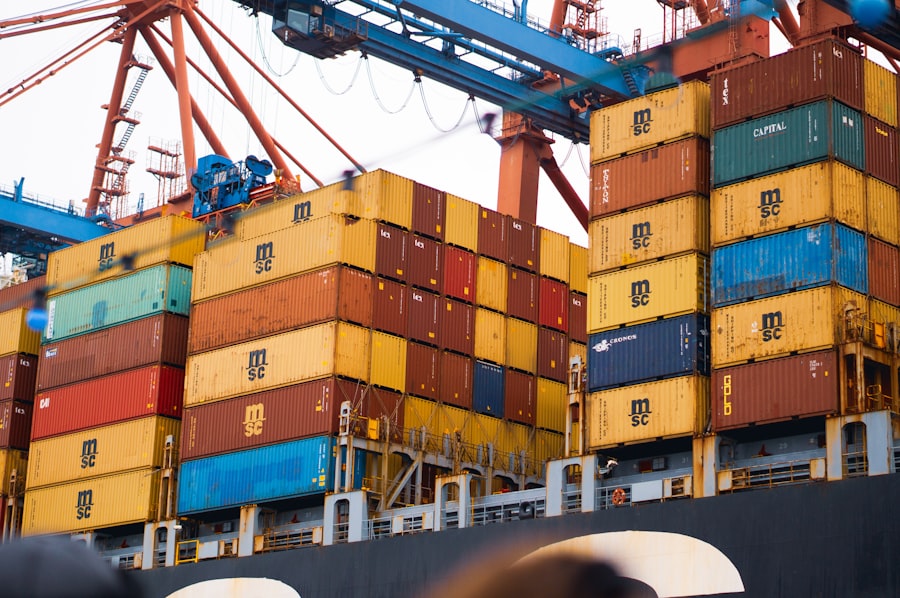
The rise in shipping costs has become a pressing concern for businesses engaged in international trade. Various factors contribute to this trend, including increased demand for shipping services, rising fuel prices, and port congestion. The pandemic-induced surge in e-commerce has further exacerbated the situation, leading to a dramatic increase in container rates.
As shipping companies struggle to keep up with demand, they have been forced to raise prices, which ultimately impacts consumers and businesses alike. Furthermore, the increased shipping costs have prompted many companies to reassess their pricing strategies. Businesses that rely heavily on imported goods may find it challenging to maintain profit margins while absorbing higher transportation expenses.
In some cases, companies have passed these costs onto consumers, resulting in higher prices for everyday products. This cycle of rising costs can create inflationary pressures within economies, affecting purchasing power and overall economic stability.
Delayed Delivery of Goods
Delayed delivery of goods has become an all-too-familiar reality for consumers and businesses alike. The complexities of modern supply chains mean that even minor disruptions can lead to significant delays in the delivery of products. Factors such as port congestion, labor shortages, and logistical challenges have all contributed to this phenomenon.
As a result, customers often face longer wait times for essential items, leading to frustration and dissatisfaction. For businesses, these delays can have serious repercussions. Companies that rely on timely deliveries to meet customer demands may find themselves at a competitive disadvantage if they cannot fulfill orders promptly.
Additionally, delays can disrupt production schedules and lead to inventory shortages, further complicating operations. As businesses strive to navigate these challenges, many are exploring alternative logistics solutions and investing in technology to enhance their supply chain efficiency.
Strain on Global Economy
| Metric | Value | Unit | Description |
|---|---|---|---|
| Annual Revenue from Canal Tolls | 5.8 | billion | Revenue generated by the Suez Canal Authority in 2023 |
| Number of Ships Passing Annually | 21,000 | ships | Total vessels transiting the canal per year |
| Average Transit Time | 12 | hours | Average time for a ship to pass through the canal |
| Global Trade Volume via Suez Canal | 12 | percent | Percentage of global maritime trade passing through the canal |
| Economic Loss During 2021 Blockage | 400 | million | Estimated daily global economic loss due to the Ever Given blockage |
| Impact on Oil Prices | 3-5 | percent increase | Increase in oil prices during canal disruptions |
| Contribution to Egypt’s GDP | 3.5 | percent | Percentage of Egypt’s GDP attributed to the canal revenues |
The cumulative effects of disruptions in global trade and supply chains have placed considerable strain on the global economy. As countries grapple with rising shipping costs and delayed deliveries, economic growth has been hindered in many regions. The interconnected nature of economies means that challenges faced by one nation can quickly spread to others, creating a domino effect that impacts employment rates, consumer spending, and overall economic stability.
Moreover, the strain on the global economy has prompted governments and policymakers to take action. Stimulus packages and financial support measures have been implemented in various countries to mitigate the adverse effects of economic downturns. However, these interventions come with their own set of challenges, including increased national debt and potential inflationary pressures.
As nations work to recover from these economic strains, the path forward remains uncertain, with many factors influencing the pace of recovery.
Effects on Oil and Gas Prices
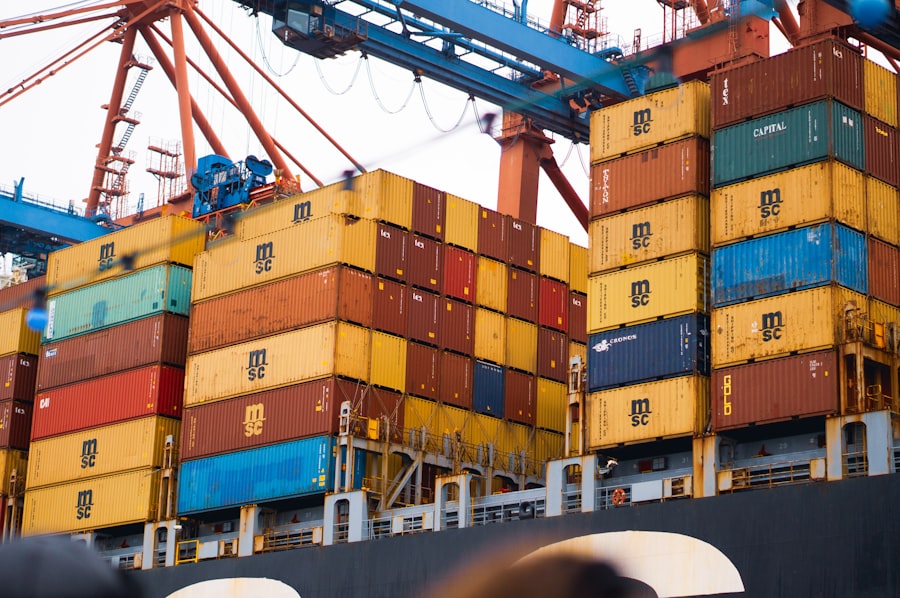
The fluctuations in oil and gas prices are closely tied to global trade dynamics and supply chain disruptions. As shipping costs rise due to increased demand for transportation services and geopolitical tensions, oil prices often follow suit. The interconnectedness of energy markets means that any disruption in one region can lead to price volatility across the globe.
For instance, conflicts in oil-producing regions or changes in production levels by major suppliers can significantly impact prices at the pump.
As countries strive to reduce their carbon footprints and invest in sustainable energy solutions, traditional fossil fuel markets may experience fluctuations as demand shifts.
This transition can create uncertainty for investors and energy companies alike, as they navigate the evolving landscape of energy consumption and production.
Losses for Shipping Companies
Shipping companies have faced unprecedented challenges in recent years, leading to significant financial losses for many operators. The combination of rising operational costs, port congestion, and fluctuating demand has created a precarious environment for these businesses. While some shipping companies have managed to adapt by increasing rates or diversifying their services, others have struggled to remain viable amidst these challenges.
The losses incurred by shipping companies can have far-reaching implications for global trade. When shipping operators face financial difficulties, they may reduce capacity or even exit certain markets altogether. This reduction in available shipping services can exacerbate existing supply chain issues and lead to further delays in the delivery of goods.
As the industry grapples with these challenges, consolidation among shipping companies may become more prevalent as firms seek to enhance their competitiveness and resilience.
Impact on Maritime Insurance
The disruptions in global trade and supply chains have also had a profound impact on maritime insurance markets. As shipping companies face increased risks associated with delays and losses, insurers are reevaluating their policies and coverage options. The heightened uncertainty surrounding global trade has led to rising premiums for maritime insurance as underwriters seek to mitigate potential losses.
Moreover, the complexities of modern supply chains mean that insurers must navigate a myriad of factors when assessing risk. Events such as natural disasters or geopolitical tensions can create cascading effects that impact multiple stakeholders within the supply chain. As a result, maritime insurers are increasingly relying on data analytics and risk assessment tools to better understand potential exposures and develop tailored coverage solutions for their clients.
Economic Repercussions for Egypt
Egypt’s strategic location along key trade routes has made it a vital player in global commerce; however, recent disruptions have had significant economic repercussions for the country. The Suez Canal serves as a critical artery for international shipping, and any blockage or delay can lead to substantial losses for Egypt’s economy. The incident involving the Ever Given container ship in 2021 underscored this vulnerability, as it temporarily halted traffic through one of the world’s busiest waterways.
The economic fallout from such disruptions extends beyond immediate financial losses; it can also impact Egypt’s reputation as a reliable transit hub for global trade. As businesses seek alternative routes or logistics solutions to mitigate risks associated with delays, Egypt may face challenges in attracting foreign investment and maintaining its position within the global supply chain network. To counteract these effects, Egypt may need to invest in infrastructure improvements and enhance its logistical capabilities to remain competitive in an evolving marketplace.
Potential Legal Ramifications
The disruptions in global trade have also raised potential legal ramifications for various stakeholders involved in international commerce. Issues related to liability for delays or losses during transportation can lead to disputes between shipping companies, insurers, and cargo owners. As contracts are scrutinized in light of recent events, legal experts anticipate an increase in litigation related to shipping disputes.
Furthermore, regulatory changes may arise as governments seek to address vulnerabilities exposed by recent disruptions. New laws or regulations governing shipping practices could emerge as policymakers aim to enhance resilience within supply chains and protect national interests. Businesses operating within this complex legal landscape must remain vigilant and adaptable as they navigate potential changes that could impact their operations.
Long-Term Implications for Trade Routes
The long-term implications for trade routes are likely to be profound as businesses adapt to the lessons learned from recent disruptions. Companies may increasingly prioritize diversification of their supply chains by exploring alternative routes or sourcing materials from different regions. This shift could lead to a reconfiguration of traditional trade patterns as businesses seek greater resilience against future shocks.
Additionally, advancements in technology may play a pivotal role in shaping the future of trade routes. Innovations such as blockchain technology and artificial intelligence could enhance transparency and efficiency within supply chains, enabling businesses to respond more effectively to disruptions. As companies embrace these technological advancements, they may find new opportunities for growth and collaboration within an increasingly interconnected global marketplace.
In conclusion, the multifaceted impacts of disruptions on global trade extend far beyond immediate financial losses; they encompass a wide range of economic repercussions that affect businesses, consumers, and nations alike. As stakeholders navigate this complex landscape, adaptability and resilience will be crucial for thriving amidst uncertainty in an ever-evolving world economy.
The Suez Canal has long been a critical artery for global trade, and its recent disruptions have highlighted the significant economic consequences that can arise from such events. For a deeper understanding of these implications, you can read a related article that explores the broader economic impacts of the Suez Canal on international shipping and trade dynamics. Check it out here: Suez Canal Economic Consequences.
FAQs
What is the Suez Canal?
The Suez Canal is a man-made waterway in Egypt that connects the Mediterranean Sea to the Red Sea, allowing for direct maritime transport between Europe and Asia without navigating around Africa.
Why is the Suez Canal economically important?
The Suez Canal is a critical global trade route, facilitating approximately 12% of global trade by volume. It significantly reduces shipping time and costs between Europe and Asia, impacting global supply chains and economies.
What are the economic consequences of disruptions in the Suez Canal?
Disruptions can cause significant delays in shipping, increase transportation costs, lead to shortages of goods, and impact global oil prices. Such events can ripple through global markets, affecting industries and consumers worldwide.
How does the Suez Canal affect global oil markets?
The canal is a major transit route for oil and liquefied natural gas shipments. Any blockage or delay can reduce supply flow, causing fluctuations in oil prices and impacting energy markets globally.
What happened during the 2021 Suez Canal blockage?
In March 2021, the container ship Ever Given became lodged in the canal, blocking traffic for six days. This caused a backlog of hundreds of ships, delayed deliveries, and highlighted vulnerabilities in global supply chains.
How do countries benefit economically from the Suez Canal?
Egypt earns substantial revenue from tolls charged to ships passing through the canal. Additionally, the canal supports local employment and stimulates economic activity in the region.
Are there alternative routes to the Suez Canal?
Yes, the primary alternative is the longer route around the Cape of Good Hope at the southern tip of Africa. However, this route increases travel time and costs, making the Suez Canal the preferred option for many shipping companies.
What measures are taken to prevent economic losses from Suez Canal disruptions?
Authorities invest in canal maintenance, dredging, and infrastructure improvements. Shipping companies also plan alternative routes and maintain flexible supply chains to mitigate risks associated with potential blockages.