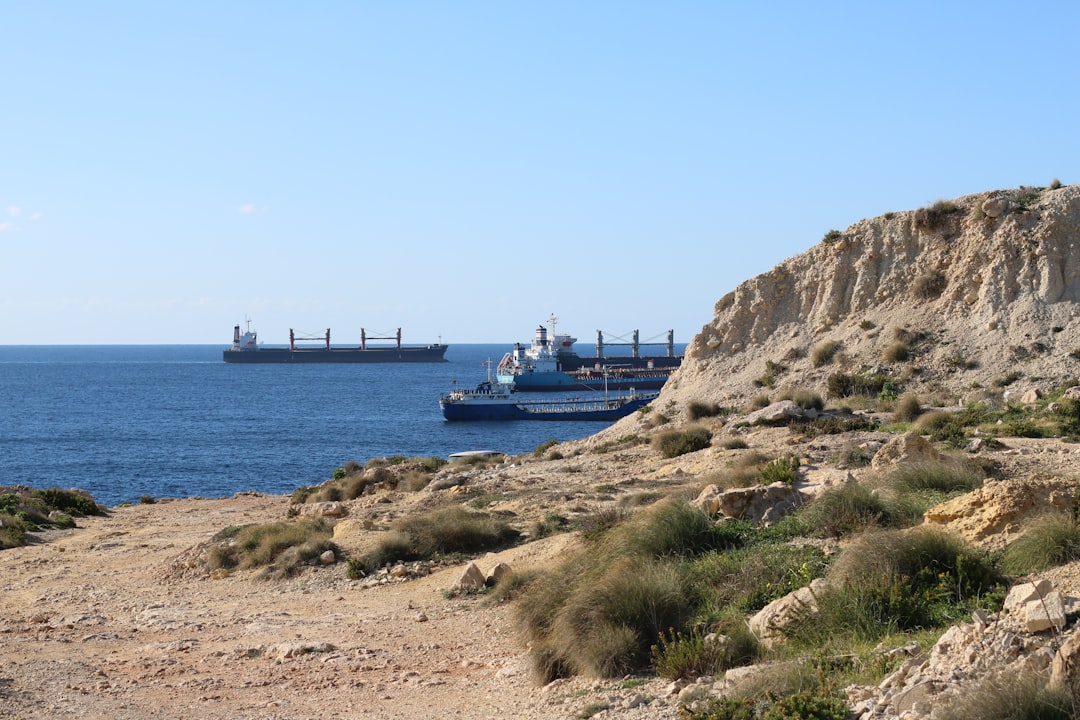
In March 2021, the container ship Ever Given ran aground in the Suez Canal, blocking the waterway for six days and disrupting global maritime trade. The incident affected approximately 400 vessels that were delayed or rerouted, creating supply chain disruptions across multiple industries. The pharmaceutical sector experienced particular challenges, as the blockage occurred during the COVID-19 pandemic when demand for medical supplies and medications was already elevated.
The Suez Canal handles approximately 12% of global trade and serves as a critical route for pharmaceutical shipments between Asia, Europe, and North America. During the blockage, pharmaceutical companies faced delays in receiving active pharmaceutical ingredients (APIs), primarily sourced from manufacturing facilities in India and China. The disruption also affected the distribution of finished pharmaceutical products, medical devices, and personal protective equipment destined for global markets.
The incident exposed the concentration risk inherent in pharmaceutical supply chains that rely heavily on single transportation routes. Companies reported increased shipping costs due to rerouting vessels around the Cape of Good Hope, extending journey times by 7-10 days. The blockage highlighted the pharmaceutical industry’s dependence on just-in-time inventory management and the limited buffer capacity for critical medications.
Following the incident, industry stakeholders began reassessing supply chain resilience strategies, including diversification of shipping routes, increased inventory holdings, and enhanced risk management protocols.
Key Takeaways
- The Suez Canal blockage significantly disrupted global pharmaceutical supply chains, causing shipment delays and supply shortages.
- The canal is a critical trade route, and its blockage highlighted vulnerabilities in pharmaceutical logistics.
- Pharmaceutical companies faced challenges such as delayed raw materials and finished products, impacting production and distribution.
- Disruptions threatened timely medical supplies, potentially affecting patient care and treatment outcomes.
- The crisis underscored the importance of contingency planning, alternative routes, and building resilience in pharmaceutical supply chains.
Overview of the Suez Canal and its importance for global trade
The Suez Canal, completed in 1869, serves as a crucial maritime passage connecting the Mediterranean Sea to the Red Sea. This artificial waterway significantly shortens the travel distance for ships moving between Europe and Asia, eliminating the need for a lengthy journey around Africa. As one of the busiest trade routes in the world, the Suez Canal handles approximately 12% of global trade volume, making it an essential artery for international commerce.
The canal facilitates the movement of a wide array of goods, including oil, consumer products, and pharmaceuticals, underscoring its importance in maintaining the flow of trade. The strategic significance of the Suez Canal cannot be overstated. It is not only a vital link for shipping but also a key driver of economic activity for countries that rely on maritime trade.
The canal’s ability to accommodate large vessels has made it a preferred route for shipping companies seeking efficiency and cost-effectiveness. However, this reliance on a single passageway also poses risks; any disruption can have far-reaching consequences for global supply chains. The blockage of the Suez Canal in 2021 served as a stark reminder of how interconnected and vulnerable these systems can be.
Explanation of the causes of the Suez Canal blockage
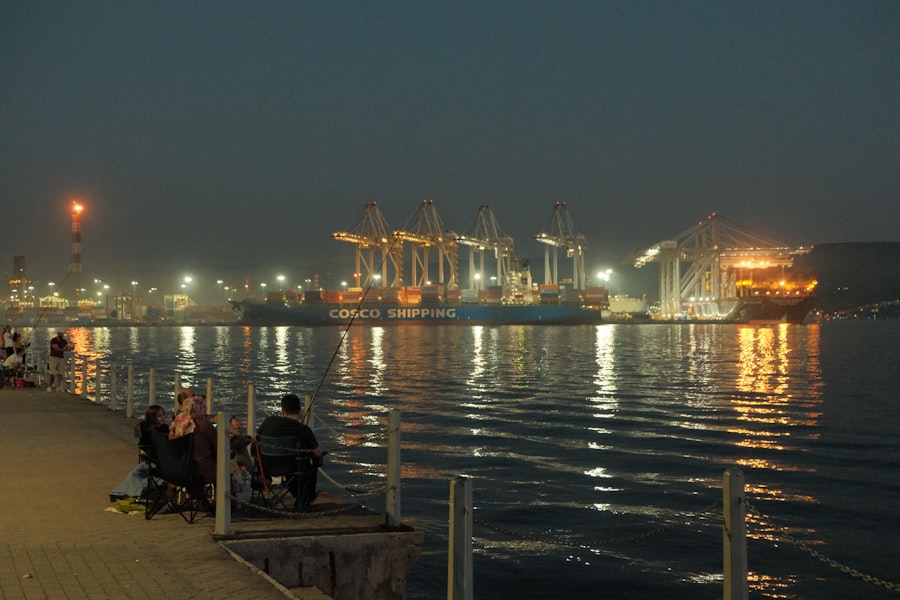
The blockage of the Suez Canal was primarily caused by the grounding of the Ever Given, a container ship measuring over 400 meters in length. On March 23, 2021, strong winds and poor visibility due to a sandstorm contributed to the vessel losing control and becoming wedged diagonally across the canal. This incident was not merely a result of adverse weather conditions; it also highlighted underlying issues related to maritime navigation and vessel management in one of the world’s busiest waterways.
The sheer size of modern container ships poses challenges for maneuverability in narrow passages like the Suez Canal. In addition to environmental factors, operational inefficiencies played a role in exacerbating the situation. The canal’s infrastructure was not designed to accommodate such large vessels operating under extreme conditions.
As efforts to dislodge the Ever Given commenced, it became evident that a combination of human error, environmental challenges, and infrastructural limitations contributed to this unprecedented blockage. The incident raised questions about preparedness and response strategies for similar occurrences in the future.
Analysis of the specific impact on pharmaceutical supply chains
The impact of the Suez Canal blockage on pharmaceutical supply chains was immediate and profound. With hundreds of vessels delayed or rerouted, pharmaceutical companies faced significant disruptions in their ability to receive critical raw materials and deliver finished products to markets around the world. Many pharmaceutical manufacturers rely on just-in-time inventory systems to minimize costs and ensure efficiency; however, this approach left them particularly vulnerable during the blockade.
The inability to access essential ingredients for drug production led to concerns about potential shortages of vital medications. Moreover, the blockage highlighted the interconnectedness of global supply chains within the pharmaceutical industry. Many companies source active pharmaceutical ingredients (APIs) from various countries, often relying on timely shipments through key transit points like the Suez Canal.
The delays caused by the blockage not only affected production schedules but also had downstream effects on distribution networks. As companies scrambled to find alternative solutions, it became clear that the disruption would have lasting implications for their operations.
Challenges faced by pharmaceutical companies due to delayed shipments
| Metric | Value | Unit | Notes |
|---|---|---|---|
| Average Delay Duration | 5 | Days | Typical delay for pharmaceutical shipments through Suez Canal |
| Number of Delayed Shipments | 120 | Shipments | Reported in the last quarter |
| Impact on Delivery Time | 15 | Percent Increase | Compared to normal transit times |
| Pharmaceutical Shipments Affected | 30 | Percent | Of total shipments passing through the canal |
| Cost Impact Due to Delays | 8 | Percent Increase | Additional logistics and storage costs |
Pharmaceutical companies encountered numerous challenges as a result of delayed shipments caused by the Suez Canal blockage. One significant issue was increased operational costs associated with rerouting shipments or expediting deliveries through alternative means. Companies often found themselves incurring additional expenses related to air freight or other expedited shipping methods to meet urgent demand for critical medications.
These unexpected costs placed additional strain on already tight profit margins within an industry that operates under strict regulatory scrutiny. Furthermore, delayed shipments led to inventory shortages that jeopardized patient access to essential medications. Hospitals and healthcare providers faced difficulties in maintaining adequate stock levels of life-saving drugs, leading to potential treatment delays for patients who relied on these medications for chronic conditions or acute care.
The uncertainty surrounding delivery timelines created anxiety among healthcare professionals and patients alike, highlighting how disruptions in supply chains can directly impact patient care and outcomes.
Disruption of medical supplies and potential impact on patient care
The disruption caused by the Suez Canal blockage extended beyond pharmaceuticals to encompass a wide range of medical supplies critical for patient care. Items such as surgical instruments, personal protective equipment (PPE), and diagnostic tools were also affected by shipping delays. As healthcare systems around the world continued to grapple with the ongoing COVID-19 pandemic, these shortages posed significant risks to patient safety and treatment efficacy.
In many cases, healthcare providers were forced to make difficult decisions regarding resource allocation due to limited availability of essential supplies. Surgical procedures may have been postponed or canceled altogether as hospitals struggled to secure necessary equipment. Additionally, diagnostic testing capabilities were hampered by delays in receiving reagents and other materials needed for accurate results.
The potential impact on patient care was profound; disruptions in medical supplies could lead to increased morbidity and mortality rates among vulnerable populations.
Efforts to mitigate the impact of the Suez Canal blockage on pharmaceutical delays
In response to the challenges posed by the Suez Canal blockage, pharmaceutical companies and industry stakeholders quickly mobilized efforts to mitigate its impact on supply chains. Many companies began exploring alternative shipping routes or modes of transportation to expedite deliveries and minimize disruptions. For instance, some manufacturers turned to air freight as a means of bypassing maritime delays, despite higher costs associated with this method.
Additionally, collaboration among industry players became increasingly important during this crisis. Pharmaceutical companies worked closely with logistics providers and regulatory agencies to identify solutions that would facilitate faster movement of goods through alternative channels. This collaborative approach not only helped address immediate challenges but also fostered relationships that could prove beneficial in future disruptions.
Consideration of alternative shipping routes for pharmaceuticals
The Suez Canal blockage prompted many pharmaceutical companies to reevaluate their shipping strategies and consider alternative routes for transporting goods. While air freight emerged as a viable option for urgent shipments, it is not always practical or cost-effective for larger volumes of products. Consequently, some companies began exploring overland routes through Europe or Asia as potential alternatives.
For instance, rail transport gained attention as an efficient means of moving goods across land borders. The development of rail networks connecting major manufacturing hubs with key markets offered a promising solution for reducing reliance on maritime routes like the Suez Canal. However, these alternatives also come with their own set of challenges, including customs regulations and infrastructure limitations that must be navigated effectively.
Long-term implications for pharmaceutical supply chains and logistics
The Suez Canal blockage served as a wake-up call for many within the pharmaceutical industry regarding the vulnerabilities inherent in global supply chains. As companies reflect on this experience, they are likely to implement changes aimed at enhancing resilience and adaptability in their logistics operations. This may include diversifying suppliers and sourcing strategies to reduce dependence on single points of failure within their supply chains.
Moreover, investment in technology and data analytics will likely play a crucial role in shaping future logistics strategies. By leveraging real-time data on shipping routes and inventory levels, companies can make more informed decisions regarding transportation options and inventory management practices. The lessons learned from this incident will undoubtedly influence how pharmaceutical companies approach risk management moving forward.
Importance of contingency planning for global supply chain disruptions
The events surrounding the Suez Canal blockage underscored the critical importance of contingency planning within global supply chains. Pharmaceutical companies must recognize that disruptions can occur at any time due to various factors—be it natural disasters, geopolitical tensions, or unforeseen incidents like ship groundings. Developing robust contingency plans that outline alternative sourcing strategies and transportation options is essential for minimizing disruptions’ impact on operations.
Additionally, fostering strong relationships with logistics partners can enhance a company’s ability to respond swiftly during crises. Collaborative planning efforts that involve key stakeholders across the supply chain can lead to more effective responses when faced with unexpected challenges. Ultimately, proactive contingency planning will be vital in ensuring that pharmaceutical companies can maintain continuity in their operations despite external disruptions.
The need for resilience and adaptability in the pharmaceutical industry
In conclusion, the Suez Canal blockage served as a stark reminder of the vulnerabilities present within global supply chains, particularly in the pharmaceutical sector. As companies navigate an increasingly complex landscape marked by uncertainty and risk, resilience and adaptability will be paramount for success. By learning from past disruptions and implementing strategic changes aimed at enhancing supply chain robustness, pharmaceutical companies can better position themselves to withstand future challenges.
The lessons learned from this incident will likely shape industry practices for years to come, emphasizing the need for proactive risk management strategies and collaborative approaches among stakeholders. As healthcare systems continue to evolve in response to changing demands, ensuring reliable access to essential medications and medical supplies will remain a top priority for all involved in the pharmaceutical supply chain.
The recent delays in pharmaceutical shipments through the Suez Canal have raised significant concerns within the industry, impacting the timely delivery of essential medications. For a deeper understanding of the implications of these delays, you can read more in the article available at this link. The disruptions not only affect supply chains but also highlight the vulnerabilities in global logistics that can arise from unforeseen events.
FAQs
What caused the pharmaceutical delays in the Suez Canal?
The pharmaceutical delays in the Suez Canal were primarily caused by disruptions in shipping traffic, such as vessel congestion, accidents, or blockages that slowed down the transit of cargo ships carrying pharmaceutical products.
How does the Suez Canal impact global pharmaceutical supply chains?
The Suez Canal is a critical maritime route connecting the Mediterranean Sea to the Red Sea, significantly reducing shipping time between Europe, Asia, and Africa. Delays in the canal can disrupt the timely delivery of pharmaceutical raw materials and finished products, affecting global supply chains.
Which pharmaceutical products are most affected by delays in the Suez Canal?
Pharmaceutical products that are time-sensitive, temperature-controlled, or require just-in-time delivery, such as vaccines, biologics, and certain active pharmaceutical ingredients (APIs), are most affected by delays in the Suez Canal.
What measures are being taken to mitigate pharmaceutical delays caused by the Suez Canal?
Measures include rerouting shipments via alternative routes like the Cape of Good Hope, increasing inventory levels, improving supply chain visibility, and enhancing coordination between manufacturers, logistics providers, and regulatory authorities.
How long can delays in the Suez Canal last?
The duration of delays can vary widely depending on the cause. Minor congestion may cause delays of a few hours to days, while major incidents, such as vessel groundings, can result in delays lasting several days or even weeks.
Are pharmaceutical companies insured against delays caused by Suez Canal disruptions?
Many pharmaceutical companies and logistics providers carry insurance policies that cover losses due to shipping delays, but coverage specifics vary by policy and may not cover all types of delays or losses.
What alternative routes exist if the Suez Canal is blocked or delayed?
The primary alternative route is around the Cape of Good Hope at the southern tip of Africa. While this route is longer and more costly, it is used when the Suez Canal is inaccessible.
How do delays in the Suez Canal affect drug prices?
Delays can increase shipping costs and disrupt supply, potentially leading to higher prices for pharmaceutical products due to scarcity, increased logistics expenses, and supply chain inefficiencies.
Can delays in the Suez Canal impact patient care?
Yes, delays in the delivery of critical medicines and medical supplies can lead to shortages, which may affect patient treatment schedules and healthcare outcomes, especially in regions heavily reliant on imports.
What role do governments play in addressing pharmaceutical delays in the Suez Canal?
Governments may coordinate with shipping authorities, provide regulatory flexibility, support alternative logistics arrangements, and engage in international cooperation to minimize the impact of delays on pharmaceutical supplies.