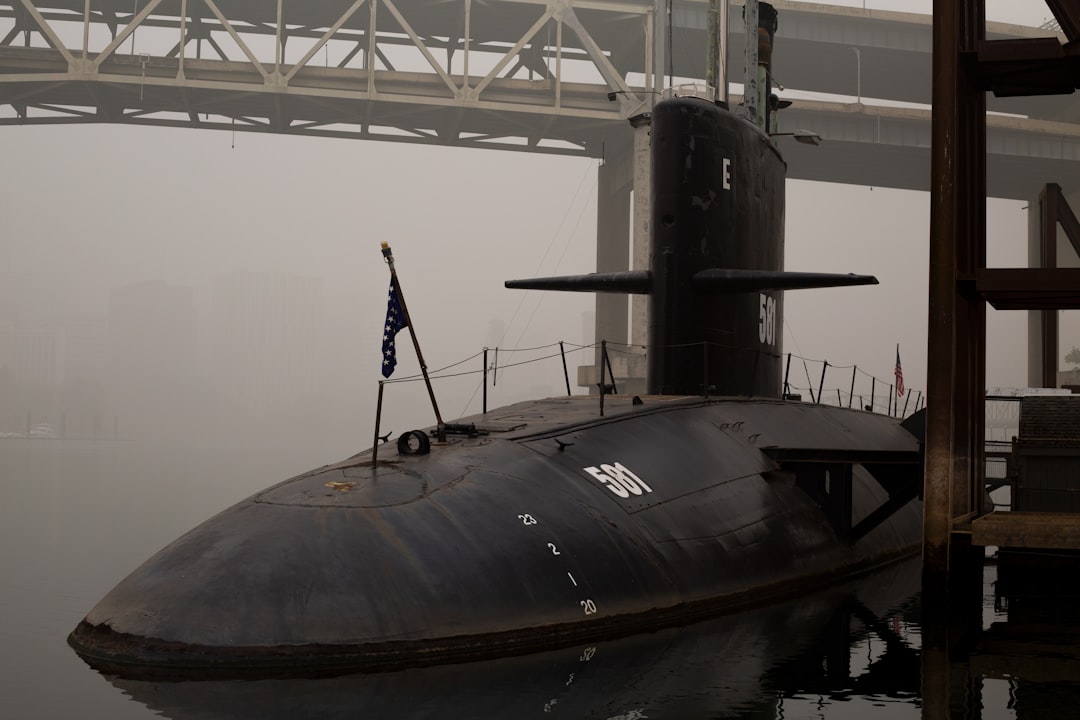
Submarine stealth has emerged as a critical component of modern naval warfare, representing a blend of advanced technology and strategic military doctrine.
This stealth capability allows submarines to gather intelligence, conduct surveillance, and launch attacks without revealing their position.
As global tensions rise and maritime conflicts become more complex, the importance of submarine stealth cannot be overstated. It serves not only as a deterrent but also as a means of ensuring national security in an increasingly unpredictable world. The evolution of submarine technology has been marked by a relentless pursuit of stealth.
From the early days of diesel-electric submarines to the sophisticated nuclear-powered vessels of today, advancements in design and engineering have continually enhanced their ability to evade detection. The interplay between stealth and detection technologies creates a dynamic battlefield where submarines must constantly adapt to countermeasures employed by adversaries. Understanding the principles of submarine stealth is essential for grasping its implications on naval strategy and international relations.
Key Takeaways
- Submarine stealth is crucial for naval warfare, allowing submarines to operate undetected and carry out missions effectively.
- Sonar detection is the primary method used to detect submarines, using sound waves to locate and track underwater targets.
- Submarine stealth is achieved through various technologies and principles, including minimizing acoustic signatures and using advanced materials.
- Advancements in submarine stealth technologies continue to improve the ability of submarines to evade sonar detection and operate covertly.
- Acoustic signature management plays a key role in achieving submarine stealth, by reducing the noise and signals emitted by submarines to avoid detection.
The Basics of Sonar Detection
Sonar, an acronym for Sound Navigation and Ranging, is the primary method used to detect submarines underwater. It operates on the principle of sound wave propagation, utilizing both active and passive systems. Active sonar emits sound pulses into the water and listens for echoes that bounce back from objects, while passive sonar relies on listening for sounds generated by submarines themselves, such as engine noise or propeller cavitation.
The effectiveness of sonar detection is influenced by various factors, including water temperature, salinity, and oceanic conditions, which can affect sound wave transmission. The complexity of sonar technology has evolved significantly over the years. Modern sonar systems are equipped with sophisticated algorithms that can filter out background noise and enhance target detection capabilities.
However, despite these advancements, the underwater environment remains challenging for sonar operators. The vastness of the ocean, combined with its variable acoustic properties, means that detecting a submarine can be akin to finding a needle in a haystack. This inherent difficulty underscores the importance of stealth technologies in submarine design.
Understanding the Principles of Submarine Stealth
Submarine stealth is fundamentally rooted in minimizing the acoustic signature that a submarine emits while operating underwater. This signature encompasses all sounds produced by the vessel, including machinery noise, water turbulence around the hull, and even the sounds generated by crew activities. By reducing these noises, submarines can operate more discreetly and evade detection by enemy sonar systems.
The principles of submarine stealth involve a combination of design features, operational tactics, and technological innovations. One key aspect of submarine stealth is hull design. Modern submarines are often constructed with hydrodynamic shapes that reduce drag and minimize noise generation as they move through water.
Additionally, materials used in construction can absorb sound waves rather than reflect them, further diminishing the vessel’s acoustic signature. Coupled with advanced propulsion systems that operate more quietly than traditional engines, these design elements work in concert to enhance stealth capabilities. Understanding these principles is crucial for appreciating how submarines maintain their advantage in naval operations.
Types of Submarine Stealth Technologies
| Stealth Technology | Description |
|---|---|
| Anechoic Coating | A sound-absorbing coating that reduces the reflection of active sonar signals. |
| Hydrodynamic Design | Streamlined shape and special hull materials to reduce water resistance and noise. |
| Silent Propulsion | Advanced propulsion systems to minimize acoustic signature and noise. |
| Noise Reduction | Various techniques to reduce machinery and equipment noise on board the submarine. |
Various technologies contribute to enhancing submarine stealth, each designed to address specific aspects of acoustic signature management. One prominent technology is the use of anechoic coatings—specialized materials applied to the submarine’s hull that absorb sound waves and reduce reflections. These coatings are engineered to minimize the likelihood of sonar detection by dampening the sounds produced by the vessel itself.
Another critical technology involves advanced propulsion systems, such as pump-jet propulsors or electric drive systems, which operate more quietly than conventional propellers. These systems not only reduce noise but also improve maneuverability and efficiency. Additionally, innovations in noise reduction techniques for onboard machinery play a vital role in minimizing operational sounds.
Together, these technologies form a comprehensive approach to submarine stealth that enhances survivability in hostile environments.
Advancements in Submarine Stealth
The field of submarine stealth has witnessed remarkable advancements over recent decades, driven by technological innovation and evolving military needs. One significant development is the integration of artificial intelligence (AI) into submarine operations. AI algorithms can analyze vast amounts of data from various sensors in real-time, allowing submarines to make informed decisions about navigation and evasion tactics while minimizing noise output.
Moreover, advancements in materials science have led to the creation of lighter and more effective anechoic coatings that provide better sound absorption without compromising structural integrity. These materials are often designed to withstand harsh underwater conditions while maintaining their stealth properties over time. As nations invest in research and development for next-generation submarines, these advancements will continue to shape the future landscape of underwater warfare.
How Submarines Evade Sonar Detection
Submarines employ a variety of tactics to evade sonar detection effectively. One common strategy is known as “silent running,” where submarines reduce their speed and minimize noise production by shutting down non-essential systems. This tactic allows them to blend into the ambient noise of the ocean, making it more challenging for sonar operators to distinguish their presence from natural sounds.
Additionally, submarines may utilize terrain masking techniques by navigating close to underwater features such as mountains or canyons that can deflect sonar waves. By positioning themselves strategically within these natural formations, submarines can exploit the limitations of sonar detection systems. Furthermore, they may also employ decoys or other countermeasures designed to confuse or mislead enemy sonar operators, creating false targets that divert attention away from their actual location.
Challenges in Achieving Submarine Stealth
Despite significant advancements in submarine stealth technologies, achieving complete invisibility remains an elusive goal. One major challenge is the inherent trade-off between speed and stealth; while faster speeds may be necessary for certain missions, they often result in increased noise levels that can compromise stealth capabilities. Striking a balance between operational requirements and stealth performance is a constant challenge for naval strategists.
Moreover, as adversaries develop more sophisticated sonar technologies, submarines must continuously adapt their stealth measures to counter these advancements. The arms race between detection and evasion technologies creates an ongoing cycle of innovation that demands significant investment in research and development. Additionally, environmental factors such as ocean currents and temperature variations can impact sonar effectiveness and complicate stealth operations further.
The Role of Acoustic Signature Management
Acoustic signature management plays a pivotal role in enhancing submarine stealth capabilities. This involves not only reducing noise emissions but also understanding how different operational parameters affect a submarine’s acoustic profile. By meticulously managing factors such as speed, depth, and equipment usage, submarines can optimize their stealth performance during missions.
Training crews to operate submarines with an acute awareness of acoustic signature management is equally important. Crew members must be educated on how their actions—ranging from machinery operation to routine activities—can influence noise levels. This comprehensive approach ensures that every aspect of submarine operation contributes to maintaining a low acoustic signature, thereby enhancing overall stealth effectiveness.
Future Trends in Submarine Stealth
Looking ahead, several trends are likely to shape the future of submarine stealth technology. One promising area is the development of unmanned underwater vehicles (UUVs) that can operate alongside manned submarines or independently conduct missions with minimal risk of detection. These UUVs can be equipped with advanced sensors and stealth technologies that complement traditional submarines’ capabilities.
Additionally, advancements in quantum technology may revolutionize sonar detection and submarine stealth dynamics. Quantum sensors could potentially offer unprecedented sensitivity in detecting acoustic signatures while also enabling submarines to develop countermeasures that exploit these new detection methods. As nations continue to invest in research and development for next-generation naval capabilities, these trends will undoubtedly influence future strategies in underwater warfare.
Implications of Submarine Stealth on Naval Warfare
The implications of submarine stealth extend far beyond individual vessels; they fundamentally alter naval warfare dynamics. The ability to operate undetected allows submarines to conduct surprise attacks on enemy fleets or coastal installations, shifting the balance of power in maritime conflicts. This capability serves as a deterrent against potential aggressors while providing nations with strategic options during crises.
Furthermore, submarine stealth influences broader geopolitical considerations as nations seek to enhance their naval capabilities in response to perceived threats. The race for advanced submarine technologies can lead to increased tensions among rival powers, prompting arms races and strategic posturing in contested maritime regions. As such, understanding submarine stealth’s implications is essential for comprehending contemporary naval strategy and international relations.
Conclusion and the Importance of Submarine Stealth
In conclusion, submarine stealth represents a cornerstone of modern naval warfare, embodying a complex interplay between technology, strategy, and operational tactics. As nations continue to invest in advanced submarine capabilities, the importance of maintaining a low acoustic signature cannot be overstated. The ongoing evolution of sonar detection technologies necessitates constant innovation in stealth measures to ensure submarines remain effective tools for national defense.
Ultimately, submarine stealth not only enhances military effectiveness but also shapes geopolitical landscapes by influencing power dynamics at sea. As global maritime challenges continue to evolve, understanding the principles and technologies behind submarine stealth will remain crucial for policymakers and military strategists alike. The future of naval warfare will undoubtedly be shaped by those who master the art of remaining unseen beneath the waves.
Submarines employ various techniques to evade sonar detection, including sound dampening materials and advanced maneuvering strategies. For a deeper understanding of these stealth technologies, you can read more in the article on MyGeoQuest, which explores the intricacies of submarine operations and their methods for hiding from sonar. Check it out here: