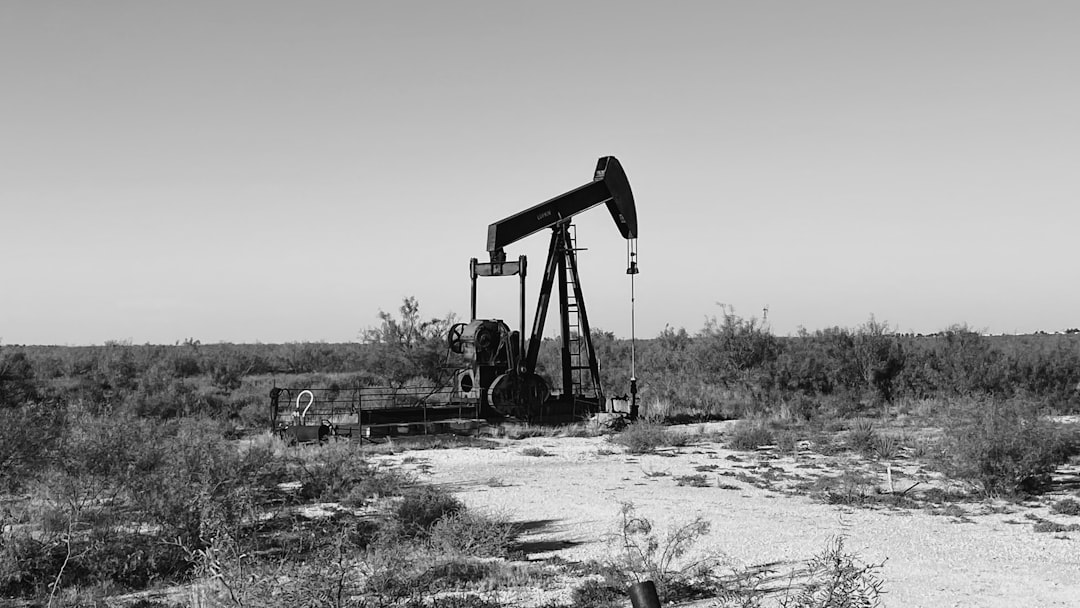
Global oil prices are influenced by a myriad of factors that intertwine economic, political, and environmental elements. One of the primary determinants is the balance between supply and demand. When demand for oil surges, often due to economic growth in major markets, prices tend to rise.
Conversely, when there is an oversupply, perhaps due to increased production from oil-rich nations or a downturn in global economic activity, prices can plummet. This delicate equilibrium is further complicated by geopolitical events, such as conflicts in oil-producing regions or sanctions imposed on key exporters, which can disrupt supply chains and lead to price volatility. In addition to supply and demand dynamics, market speculation plays a significant role in shaping oil prices.
Traders and investors often react to news and forecasts, driving prices up or down based on perceived future conditions rather than current realities. For instance, if there are rumors of a potential conflict in the Middle East, speculators may drive prices higher in anticipation of supply disruptions. Furthermore, currency fluctuations, particularly the strength of the U.S.
dollar, can also impact oil prices since oil is predominantly traded in dollars. A stronger dollar makes oil more expensive for countries using other currencies, potentially dampening demand and influencing price trends.
Key Takeaways
- Global oil prices are affected by various factors such as supply and demand, geopolitical tensions, and economic conditions.
- Diversifying energy sources can help reduce dependence on oil and increase energy security.
- Strengthening international cooperation and agreements is crucial for stabilizing global oil prices and ensuring energy security.
- Effective supply chain management is essential for ensuring a steady and reliable supply of oil.
- Investing in renewable energy technologies is important for reducing reliance on oil and mitigating environmental impact.
Diversifying Energy Sources to Reduce Dependence on Oil
The global reliance on oil as a primary energy source has prompted many nations to explore diversification strategies. By investing in alternative energy sources such as natural gas, solar, wind, and nuclear power, countries can mitigate the risks associated with fluctuating oil prices and enhance their energy security. This diversification not only helps stabilize energy costs but also reduces vulnerability to geopolitical tensions that can disrupt oil supplies.
For instance, nations that have invested heavily in renewable energy infrastructure are better positioned to weather the storms of global oil market volatility. Moreover, diversifying energy sources can lead to significant environmental benefits. The transition from fossil fuels to cleaner energy alternatives is crucial in addressing climate change and reducing greenhouse gas emissions.
Countries that prioritize renewable energy development not only contribute to global sustainability efforts but also create new economic opportunities through job creation in emerging industries. As technology advances and costs decrease, the feasibility of alternative energy sources continues to improve, making it increasingly attractive for nations to reduce their dependence on oil.
Strengthening International Cooperation and Agreements
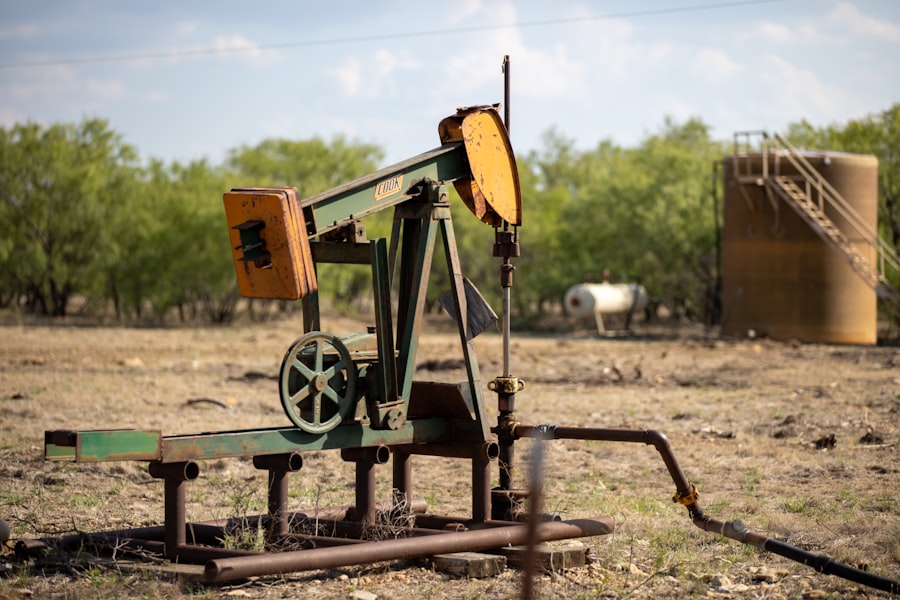
In an interconnected world, international cooperation is essential for addressing the complexities of global oil markets. Collaborative agreements among oil-producing nations can help stabilize prices and ensure a more predictable supply chain. Organizations such as the Organization of the Petroleum Exporting Countries (OPEC) play a pivotal role in this regard by coordinating production levels among member countries to manage market dynamics effectively.
However, the effectiveness of such organizations often hinges on the willingness of member states to adhere to agreed-upon production cuts or increases. Beyond production agreements, international cooperation extends to sharing best practices and technologies that enhance oil extraction and processing efficiency. Countries can benefit from collaborative research initiatives aimed at improving extraction methods or reducing environmental impacts associated with oil production.
By fostering a spirit of collaboration rather than competition, nations can work together to create a more stable and sustainable global oil market that benefits all stakeholders involved.
Implementing Effective Supply Chain Management
| Metrics | Definition |
|---|---|
| Inventory Turnover | The number of times inventory is sold or used in a given period |
| On-time Delivery | The percentage of orders delivered on time |
| Perfect Order Rate | The percentage of orders that are delivered without any errors |
| Supply Chain Cycle Time | The total time it takes for a product to move from supplier to customer |
| Supplier Lead Time | The time it takes for a supplier to deliver an order after it has been placed |
Effective supply chain management is crucial for ensuring the smooth operation of the global oil market. The complexity of oil logistics—from extraction and refining to transportation and distribution—requires meticulous planning and coordination among various stakeholders. Companies involved in the oil supply chain must adopt advanced technologies and data analytics to optimize their operations, reduce costs, and enhance efficiency.
Moreover, robust supply chain management can help mitigate risks associated with disruptions caused by natural disasters or geopolitical events. By diversifying transportation routes and establishing contingency plans, companies can ensure continuity in their operations even in the face of unforeseen challenges.
Additionally, fostering strong relationships with suppliers and partners can enhance resilience within the supply chain, allowing for quicker responses to market changes and minimizing potential losses.
Investing in Renewable Energy Technologies
As the world grapples with the challenges posed by climate change and fluctuating oil prices, investing in renewable energy technologies has become increasingly imperative. Governments and private sectors alike are recognizing the potential of solar, wind, hydroelectric, and geothermal energy as viable alternatives to fossil fuels. These investments not only contribute to reducing greenhouse gas emissions but also promote energy independence by decreasing reliance on imported oil.
The transition to renewable energy technologies is not without its challenges; however, advancements in technology are making these alternatives more accessible and cost-effective.
As countries commit to ambitious climate goals, the push for renewable energy investment will likely accelerate, paving the way for a more sustainable energy future.
Monitoring and Regulating Speculation in the Oil Market
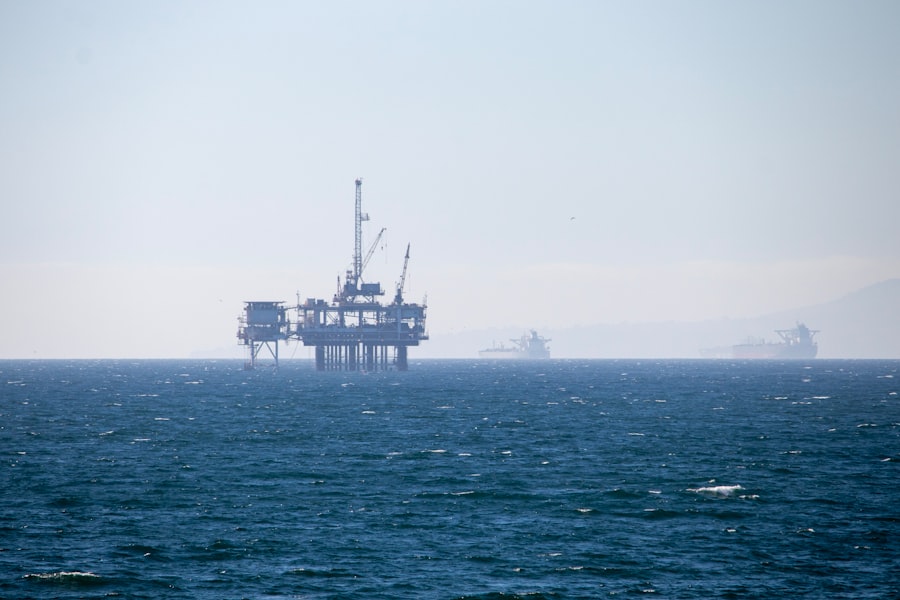
Speculation in the oil market can lead to significant price volatility that affects consumers and businesses alike. To mitigate these impacts, regulatory bodies must implement effective monitoring mechanisms that ensure transparency and accountability among market participants. By establishing clear guidelines for trading practices and enforcing compliance, regulators can help prevent excessive speculation that distorts market prices.
Furthermore, enhancing information sharing among stakeholders can improve market stability. By providing timely data on supply levels, demand forecasts, and geopolitical developments, regulators can empower investors to make informed decisions rather than relying solely on speculation. This proactive approach not only fosters a more stable market environment but also builds trust among participants, ultimately benefiting consumers through more predictable pricing.
Developing Strategic Oil Reserves
Strategic oil reserves serve as a critical buffer against supply disruptions caused by geopolitical tensions or natural disasters. By maintaining a stockpile of crude oil and refined products, countries can ensure a steady supply during times of crisis while stabilizing domestic markets. The establishment of strategic reserves requires careful planning and investment; however, the long-term benefits far outweigh the initial costs.
Countries with well-managed strategic reserves can respond swiftly to sudden price spikes or supply shortages, thereby protecting their economies from external shocks. Additionally, these reserves can be utilized as a tool for diplomatic negotiations or as leverage in international relations. By demonstrating preparedness for potential disruptions, nations can enhance their energy security while fostering stability within the global oil market.
Promoting Energy Efficiency and Conservation
Promoting energy efficiency and conservation is essential for reducing overall demand for oil and mitigating its environmental impact. Governments can implement policies that encourage businesses and consumers to adopt energy-efficient practices through incentives such as tax credits or rebates for energy-saving appliances and vehicles. By raising awareness about the benefits of conservation, individuals are more likely to make informed choices that contribute to reduced oil consumption.
In addition to individual efforts, industries must also prioritize energy efficiency within their operations. By investing in modern technologies that optimize energy use—such as advanced manufacturing processes or smart building systems—companies can significantly lower their reliance on oil while simultaneously reducing operational costs. The cumulative effect of these efforts can lead to substantial reductions in overall oil demand, contributing to a more sustainable energy landscape.
Addressing Geopolitical Tensions and Conflicts
Geopolitical tensions often have profound implications for global oil markets. Conflicts in key oil-producing regions can disrupt supply chains and lead to significant price fluctuations that ripple through economies worldwide. To address these challenges effectively, it is crucial for nations to engage in diplomatic efforts aimed at resolving conflicts peacefully while promoting stability in volatile regions.
International organizations play a vital role in facilitating dialogue among nations embroiled in disputes over resources or territorial claims. By fostering cooperation and understanding among conflicting parties, these organizations can help mitigate tensions that threaten global oil supplies. Additionally, investing in conflict resolution initiatives can create a more stable environment for oil production while promoting long-term peace and security.
Encouraging Sustainable Oil Production Practices
As concerns about climate change intensify, encouraging sustainable oil production practices has become increasingly important. The oil industry must adopt methods that minimize environmental impacts while ensuring economic viability. This includes implementing technologies that reduce greenhouse gas emissions during extraction and refining processes as well as investing in carbon capture and storage solutions.
Moreover, companies should prioritize transparency regarding their environmental practices and engage with stakeholders—including local communities—to address concerns related to oil production activities. By fostering a culture of sustainability within the industry, companies can enhance their reputations while contributing positively to global efforts aimed at combating climate change.
Enhancing Transparency and Information Sharing in the Oil Industry
Transparency within the oil industry is essential for building trust among stakeholders and ensuring fair market practices. Enhanced information sharing regarding production levels, pricing trends, and environmental impacts allows investors and consumers to make informed decisions based on accurate data rather than speculation or misinformation. Regulatory bodies should promote initiatives that require companies to disclose relevant information about their operations while encouraging collaboration among industry players to share best practices.
By fostering an environment of openness and accountability, stakeholders can work together towards creating a more stable and sustainable global oil market that benefits all parties involved. In conclusion, addressing the complexities of global oil prices requires a multifaceted approach that encompasses understanding market dynamics, diversifying energy sources, strengthening international cooperation, implementing effective supply chain management strategies, investing in renewable technologies, regulating speculation, developing strategic reserves, promoting energy efficiency, addressing geopolitical tensions, encouraging sustainable practices, and enhancing transparency within the industry. Through concerted efforts across these areas, nations can work towards achieving a more stable and sustainable energy future that benefits both economies and the environment alike.
In the quest to stabilize global oil prices, it is essential to consider various strategies and their potential impacts on the market. One related article that delves into the intricacies of energy resources and their management can be found on MyGeoQuest. This article provides insights into the geographical and economic factors influencing oil prices and offers a comprehensive analysis of potential solutions. For more detailed information, you can read the full article by visiting this page.
WATCH THIS! One Narrow Strait Holds Global Economy Hostage
FAQs
What are global oil prices?
Global oil prices refer to the cost of crude oil on the international market, which impacts the price of gasoline, heating oil, and other petroleum-based products around the world.
Why is it important to stabilize global oil prices?
Stabilizing global oil prices is important because it affects the cost of living for consumers, the profitability of businesses, and the economic stability of countries that rely on oil exports.
What factors contribute to fluctuations in global oil prices?
Fluctuations in global oil prices can be influenced by factors such as supply and demand dynamics, geopolitical tensions, natural disasters, and changes in production levels by oil-producing countries.
How can global oil prices be stabilized?
Global oil prices can be stabilized through measures such as increasing oil production, investing in alternative energy sources, reducing geopolitical tensions, and implementing policies to manage supply and demand.
What are the potential consequences of unstable global oil prices?
Unstable global oil prices can lead to economic uncertainty, inflation, and increased production costs for businesses, as well as impacting the financial well-being of oil-producing nations and the global economy as a whole.