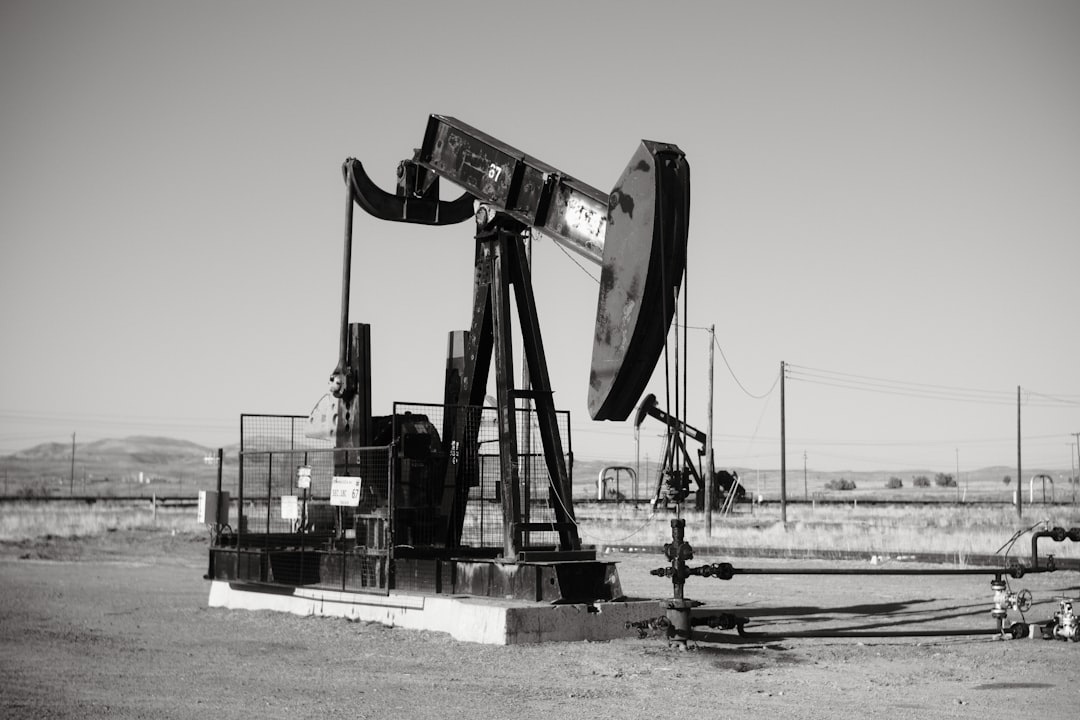
The Strategic Petroleum Reserve (SPR) serves as a critical component of national energy security for the United States. Established in the wake of the 1973 oil crisis, the SPR was designed to provide a buffer against potential disruptions in oil supply, ensuring that the nation could withstand geopolitical tensions, natural disasters, or other emergencies that might threaten its energy resources. The reserve consists of vast underground salt caverns along the Gulf Coast, capable of storing hundreds of millions of barrels of crude oil.
This strategic stockpile not only acts as an emergency supply but also plays a role in stabilizing oil prices during periods of volatility. The importance of the SPR extends beyond mere storage; it symbolizes the nation’s commitment to safeguarding its energy independence. By maintaining a reserve of crude oil, the U.S.
can mitigate the impacts of sudden supply shocks and maintain economic stability. However, as global energy dynamics evolve and domestic consumption patterns shift, the relevance and management of the SPR have come under scrutiny. Understanding its current status and the factors contributing to its depletion is essential for evaluating its future role in national energy policy.
Key Takeaways
- The Strategic Petroleum Reserve (SPR) is a critical national asset designed to ensure energy security during supply disruptions.
- Current depletion of the SPR is driven by increased emergency releases and reduced replenishment amid global market pressures.
- A depleted SPR poses risks including heightened oil price volatility and reduced ability to respond to geopolitical crises.
- Mitigation strategies involve government-industry collaboration, boosting alternative energy adoption, and enhancing international cooperation.
- Long-term energy security depends on diversifying energy sources and implementing sustainable policies to reduce reliance on the SPR.
Current status of the Strategic Petroleum Reserve
As of late 2023, the Strategic Petroleum Reserve holds approximately 350 million barrels of crude oil, a significant decrease from its peak capacity of over 700 million barrels. This reduction has raised concerns among policymakers and energy analysts alike, as it reflects a trend of increasing withdrawals from the reserve to address immediate market needs. The SPR has been tapped multiple times in recent years, particularly during periods of heightened geopolitical tensions and supply chain disruptions caused by events such as hurricanes or international conflicts.
The current status of the SPR is not merely a reflection of physical inventory but also indicative of broader trends in U.S. energy policy. The Biden administration has emphasized the need for energy transition and sustainability, which has led to discussions about the long-term viability of fossil fuel reserves.
As a result, there is an ongoing debate about whether to replenish the SPR or to pivot towards alternative energy sources that align with climate goals. This complex interplay between immediate energy needs and long-term sustainability objectives shapes the current discourse surrounding the reserve.
Factors contributing to the depletion of the Strategic Petroleum Reserve

Several factors have contributed to the depletion of the Strategic Petroleum Reserve in recent years. One primary reason is the increasing frequency of withdrawals prompted by global crises that disrupt oil supply chains. Events such as geopolitical conflicts, natural disasters, and economic sanctions have necessitated the use of reserve oil to stabilize domestic markets and prevent price spikes.
For instance, during the COVID-19 pandemic, significant withdrawals were made to counteract plummeting demand and support struggling oil markets. Additionally, changes in U.S. energy production have played a role in the reserve’s depletion.
The rise of domestic shale oil production has transformed the U.S. into one of the world’s leading oil producers, reducing reliance on foreign oil imports. This shift has led to a perception that maintaining a large reserve may be less critical than in previous decades.
However, this perspective can be misleading; while domestic production has increased, it does not eliminate vulnerabilities associated with global supply disruptions. The interplay between domestic production levels and strategic reserves remains a crucial consideration for policymakers.
Implications of a depleted Strategic Petroleum Reserve
The implications of a depleted Strategic Petroleum Reserve are far-reaching and multifaceted.
S. vulnerable to sudden supply shocks that could arise from geopolitical tensions or natural disasters.
Without adequate reserves, the country may struggle to respond effectively to crises, potentially leading to significant economic repercussions such as soaring fuel prices and inflation. Moreover, a depleted SPR can undermine confidence in U.S. energy policy both domestically and internationally.
Investors and market participants may perceive a lack of preparedness for energy disruptions, which could lead to increased volatility in oil markets. This uncertainty can deter investment in both traditional and alternative energy sectors, hampering efforts to transition towards more sustainable energy sources. The long-term consequences of a depleted reserve extend beyond immediate economic impacts; they can shape perceptions of U.S.
leadership in global energy markets.
Potential consequences for global oil markets
| Metric | Value | Unit | Description |
|---|---|---|---|
| Current SPR Level | 350 | Million Barrels | Amount of crude oil remaining in the Strategic Petroleum Reserve |
| Maximum Capacity | 714 | Million Barrels | Total storage capacity of the SPR |
| Depletion Rate | 5 | Million Barrels per Month | Average monthly withdrawal rate from the SPR |
| Estimated Months to Empty | 70 | Months | Time until SPR is fully depleted at current withdrawal rate |
| Global Oil Demand Impact | 2 | Percent | Estimated increase in global oil prices due to SPR depletion |
| Emergency Release Frequency | 3 | Times per Year | Number of emergency releases from SPR in the past year |
| Strategic Reserves Replenishment Rate | 1 | Million Barrels per Month | Rate at which SPR is being refilled |
The depletion of the Strategic Petroleum Reserve could have profound consequences for global oil markets. As one of the largest consumers of oil, any significant reduction in U.S. reserves can trigger ripple effects across international markets.
A sudden withdrawal from the SPR may temporarily alleviate domestic supply issues but could simultaneously exacerbate global price volatility as other nations react to shifts in U.S. demand dynamics. Furthermore, a depleted SPR may lead to increased competition for available crude oil supplies on the global market.
Countries that rely heavily on oil exports may respond by adjusting their production levels or pricing strategies in anticipation of heightened demand from the U.S. This could create a scenario where geopolitical tensions escalate as nations vie for limited resources, potentially leading to conflicts that further destabilize global markets.
Impact on domestic energy security
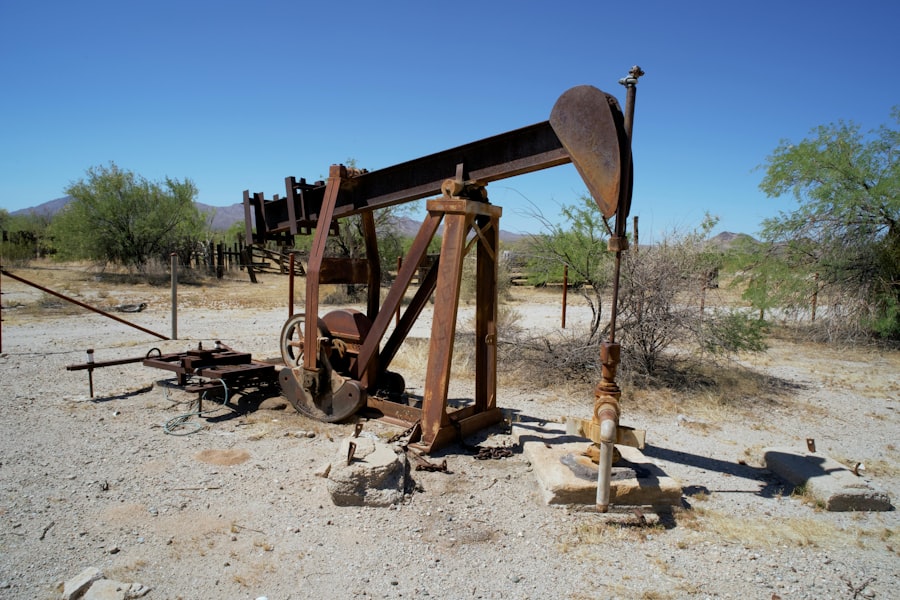
The impact of a depleted Strategic Petroleum Reserve on domestic energy security cannot be overstated. With reduced reserves, the U.S. faces heightened risks associated with supply disruptions that could arise from various sources, including geopolitical conflicts or natural disasters like hurricanes that frequently affect Gulf Coast oil infrastructure.
In such scenarios, having a robust reserve is essential for ensuring that consumers have access to fuel and that prices remain stable. Moreover, diminished reserves can hinder the government’s ability to respond effectively to emergencies. In times of crisis, swift access to strategic reserves can be crucial for maintaining public confidence and ensuring that essential services continue to operate smoothly.
A lack of adequate reserves may lead to panic buying and fuel shortages, exacerbating economic challenges during already tumultuous times.
Strategies to mitigate the depletion crisis
To address the crisis surrounding the depletion of the Strategic Petroleum Reserve, several strategies can be implemented. First and foremost, policymakers must prioritize replenishing the reserve when market conditions allow for it. This could involve purchasing crude oil at lower prices during periods of surplus supply or when geopolitical tensions ease, thereby ensuring that the reserve is adequately stocked for future emergencies.
Additionally, diversifying energy sources can play a pivotal role in mitigating reliance on traditional fossil fuels stored in the SPR. Investing in renewable energy technologies such as solar, wind, and battery storage can help reduce overall demand for crude oil while simultaneously contributing to climate goals. By fostering innovation in alternative energy sectors, policymakers can create a more resilient energy landscape that is less dependent on strategic reserves.
Role of government and industry in addressing the crisis
The collaboration between government and industry is essential for effectively addressing the challenges posed by a depleted Strategic Petroleum Reserve. Government agencies must work closely with private sector stakeholders to develop comprehensive strategies that prioritize both immediate energy needs and long-term sustainability goals. This collaboration can facilitate information sharing and resource allocation during times of crisis.
Moreover, industry players have a responsibility to invest in technologies that enhance energy efficiency and reduce reliance on fossil fuels. By embracing innovation and adopting sustainable practices, companies can contribute to a more stable energy market while also aligning with broader environmental objectives. The partnership between government and industry will be crucial in navigating the complexities associated with managing strategic reserves and ensuring energy security.
Alternative energy sources and their role in reducing reliance on the Strategic Petroleum Reserve
Alternative energy sources play an increasingly vital role in reducing reliance on the Strategic Petroleum Reserve and enhancing overall energy security. As advancements in technology make renewable energy more accessible and cost-effective, transitioning away from fossil fuels becomes not only feasible but also imperative for long-term sustainability. Solar power, wind energy, and biofuels are just a few examples of alternatives that can help diversify energy portfolios.
Investing in these alternative sources not only mitigates dependence on crude oil but also contributes to reducing greenhouse gas emissions and combating climate change. By prioritizing renewable energy development, policymakers can create an environment where strategic reserves are viewed as a complement rather than a crutch for national energy security.
International cooperation and coordination in managing the Strategic Petroleum Reserve
International cooperation is essential for effectively managing strategic petroleum reserves on a global scale. As countries face similar challenges related to energy security and supply disruptions, collaborative efforts can enhance resilience across borders. Initiatives such as information sharing regarding stock levels, production capabilities, and emergency response strategies can foster greater stability within global oil markets.
Furthermore, international agreements aimed at promoting sustainable energy practices can help mitigate risks associated with reliance on fossil fuels stored in strategic reserves. By working together towards common goals—such as reducing carbon emissions or enhancing renewable energy adoption—nations can collectively address challenges related to energy security while also contributing to global climate objectives.
Long-term solutions for ensuring energy security in the face of a depleted Strategic Petroleum Reserve
In light of a depleted Strategic Petroleum Reserve, long-term solutions must focus on creating a more resilient and sustainable energy landscape. This involves not only replenishing reserves when feasible but also investing heavily in research and development for alternative energy technologies that can reduce dependence on fossil fuels over time. Additionally, enhancing infrastructure for renewable energy generation and distribution will be crucial for ensuring that alternative sources can meet growing demand effectively.
Policymakers should prioritize incentives for clean energy investments while also fostering public-private partnerships that drive innovation within this sector. Ultimately, ensuring energy security requires a multifaceted approach that balances immediate needs with long-term sustainability goals. By embracing change and prioritizing collaboration among stakeholders at all levels—governmental, industrial, and international—the U.S.
can navigate challenges associated with a depleted Strategic Petroleum Reserve while paving the way for a more secure energy future.
The ongoing crisis surrounding the depletion of the Strategic Petroleum Reserve has raised significant concerns about energy security and market stability. For a deeper understanding of the implications of this situation, you can read a related article that discusses the potential impacts on global oil prices and the economy. Check it out here: Strategic Petroleum Reserve Depletion: Impacts and Insights.
WATCH THIS! 🎬 The US Strategic Reserve is a $1 Trillion Lie That Will Kill the Dollar
FAQs
What is the Strategic Petroleum Reserve (SPR)?
The Strategic Petroleum Reserve (SPR) is a government-owned stockpile of crude oil maintained to provide an emergency supply in case of significant disruptions to the oil market or national energy security.
Why is the Strategic Petroleum Reserve important?
The SPR serves as a buffer against supply shocks, helping to stabilize oil prices and ensure energy availability during crises such as natural disasters, geopolitical conflicts, or major supply chain interruptions.
What does “Strategic Petroleum Reserve depletion crisis” mean?
A Strategic Petroleum Reserve depletion crisis refers to a situation where the reserve’s oil stocks are significantly reduced or nearly exhausted, limiting the government’s ability to respond effectively to future energy emergencies.
What causes the depletion of the Strategic Petroleum Reserve?
Depletion can occur due to prolonged or large-scale releases of oil to address supply shortages, increased demand during crises, or insufficient replenishment of the reserve after drawdowns.
What are the potential consequences of SPR depletion?
If the SPR is depleted, the country may face increased vulnerability to oil supply disruptions, leading to higher fuel prices, economic instability, and reduced national security.
How is the SPR replenished after depletion?
Replenishment typically involves purchasing crude oil from the market when prices are favorable and storing it in designated reserve facilities to restore the stockpile to desired levels.
Who manages the Strategic Petroleum Reserve?
In the United States, the Department of Energy (DOE) is responsible for managing the SPR, including its maintenance, drawdowns, and replenishment.
Can the SPR be used for purposes other than emergencies?
While primarily intended for emergency use, the SPR can also be used to influence oil markets during significant disruptions or to support foreign policy objectives, but such uses are generally limited and carefully regulated.
How much oil does the SPR currently hold?
The amount of oil in the SPR fluctuates based on drawdowns and replenishments; for the most current figures, official government sources such as the U.S. Department of Energy provide updated data.
What measures are being taken to address the SPR depletion crisis?
Measures may include strategic purchases to refill the reserve, policy adjustments to manage drawdowns more sustainably, and investments in alternative energy sources to reduce dependence on oil.