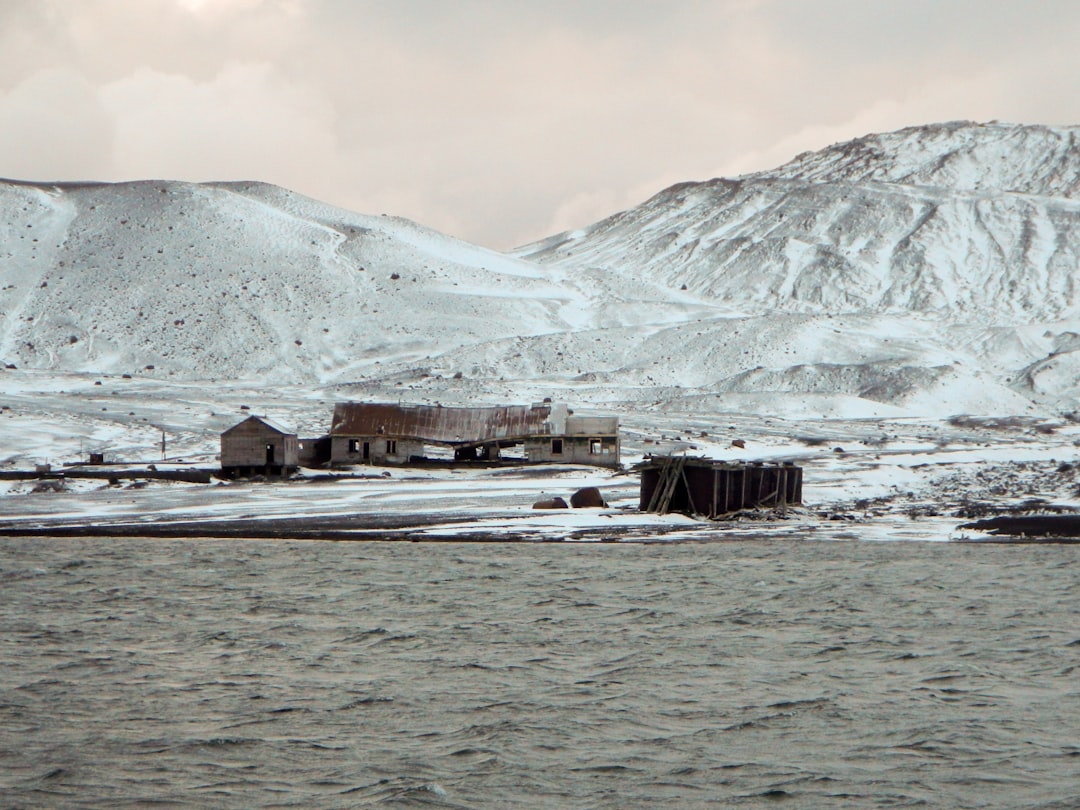
The Arctic Circle, a region defined by its unique geographical and climatic characteristics, encompasses a vast expanse of land and sea that is home to diverse ecosystems and indigenous cultures. This area, marked by extreme temperatures and prolonged periods of darkness during winter, has long been perceived as a remote and inhospitable environment. However, the Arctic Circle is increasingly gaining attention on the global stage due to its strategic significance, particularly in terms of military operations and geopolitical dynamics.
As nations recognize the potential for resource extraction, shipping routes, and territorial claims, the Arctic has transformed from a forgotten frontier into a focal point of international interest. The Arctic Circle is not merely a barren wasteland; it is a region rich in natural resources, including oil, gas, and minerals. The melting ice caps, a consequence of climate change, have opened up new shipping lanes and made previously inaccessible areas more navigable.
This newfound accessibility has prompted countries to reassess their military strategies and presence in the region. As nations vie for control over these valuable resources and strategic routes, the Arctic Circle has become a theater for military posturing and geopolitical maneuvering, raising questions about security, sovereignty, and environmental stewardship.
Importance of the Arctic Circle for Military Strategies
The Arctic Circle’s significance in military strategies cannot be overstated. As global warming continues to alter the landscape, the region’s strategic importance is amplified by its potential as a new frontier for military operations. The thawing ice has not only opened up new shipping routes but has also made it easier for nations to project power and influence in an area that was once considered too remote for serious military engagement.
The Arctic is now viewed as a critical zone for national defense, with countries investing in infrastructure and capabilities to secure their interests. Moreover, the Arctic Circle serves as a strategic buffer zone for several nations. For example, Russia has been particularly proactive in establishing military bases and enhancing its naval capabilities in the region.
This military buildup is not merely about territorial claims; it is also about ensuring control over vital shipping lanes that could become increasingly important as global trade patterns shift. The United States and NATO allies are closely monitoring these developments, recognizing that the Arctic could become a flashpoint for conflict if diplomatic efforts fail to address competing interests.
Historical Context of Military Bases in the Arctic Circle
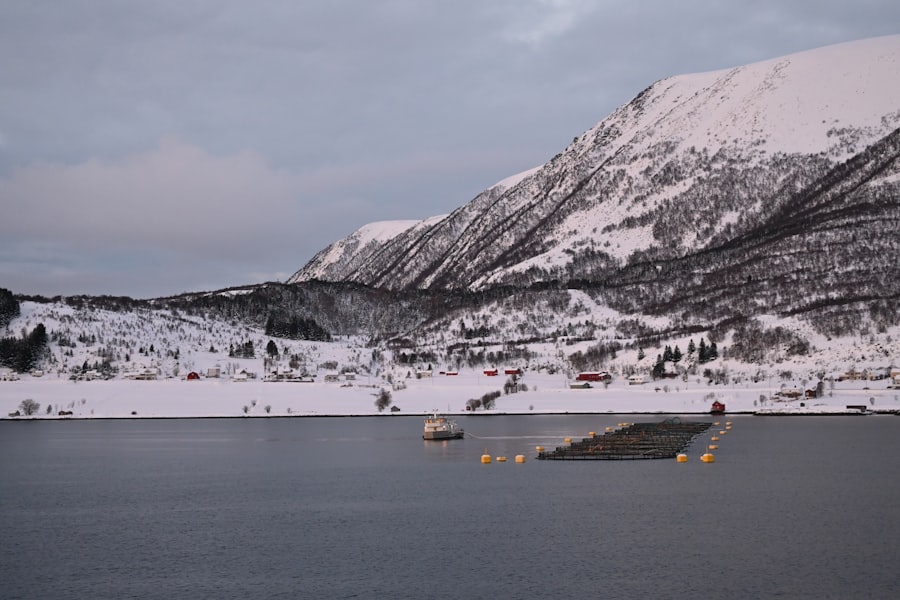
The establishment of military bases in the Arctic Circle has a rich historical context that dates back to World War
In recent decades, the focus on military bases in the Arctic has evolved from a Cold War mentality to one that emphasizes resource competition and environmental concerns. The end of the Cold War did not diminish interest in the region; rather, it shifted the focus toward securing economic interests and addressing emerging threats such as climate change. Countries like Canada, Norway, and Denmark have also invested in their Arctic capabilities, recognizing that a robust military presence is essential for safeguarding their sovereignty and interests in this rapidly changing environment.
Key Players in the Arctic Circle Military Presence
| Country | Number of Military Personnel | Number of Military Bases |
|---|---|---|
| United States | Approximately 1,000 | Several |
| Russia | Approximately 6,000 | Several |
| Canada | Approximately 500 | Several |
| Norway | Approximately 3,000 | Several |
| Denmark | Approximately 200 | Several |
Several key players dominate the military landscape of the Arctic Circle, each with distinct motivations and strategies. Russia stands out as the most significant actor, having invested heavily in its Arctic military infrastructure over the past decade. The establishment of new bases, modernization of existing facilities, and expansion of naval capabilities underscore Russia’s commitment to asserting its influence in the region.
This military buildup is often framed as a response to perceived threats from NATO and other Western nations. The United States also plays a crucial role in Arctic military dynamics. With its vast coastline along Alaska and strategic interests in maintaining freedom of navigation, the U.S.
has increased its military presence through joint exercises with allies and investments in icebreaker fleets. Canada, Norway, Denmark, and other Arctic nations are equally involved, each seeking to protect their territorial claims while fostering cooperation among allies. The interplay between these key players creates a complex web of relationships that shapes the security landscape of the Arctic Circle.
Geopolitical Implications of Military Bases in the Arctic Circle
The geopolitical implications of military bases in the Arctic Circle are profound and multifaceted. As nations establish or expand their military presence, they inevitably raise tensions with neighboring countries that have competing claims or interests. The potential for conflict over resources such as oil and gas reserves or access to shipping lanes is heightened by the militarization of the region.
This situation necessitates careful diplomacy to prevent misunderstandings that could escalate into confrontations. Furthermore, the presence of military bases can influence international relations beyond the immediate Arctic context. For instance, Russia’s assertive actions in the region have prompted NATO to bolster its defenses in Northern Europe, leading to a renewed focus on collective security among member states.
Similarly, China’s growing interest in the Arctic—viewing it as a potential trade route—adds another layer of complexity to geopolitical dynamics. As these nations navigate their interests in the Arctic Circle, they must balance competition with cooperation to ensure stability in this strategically vital region.
Environmental Challenges of Operating Military Bases in the Arctic Circle
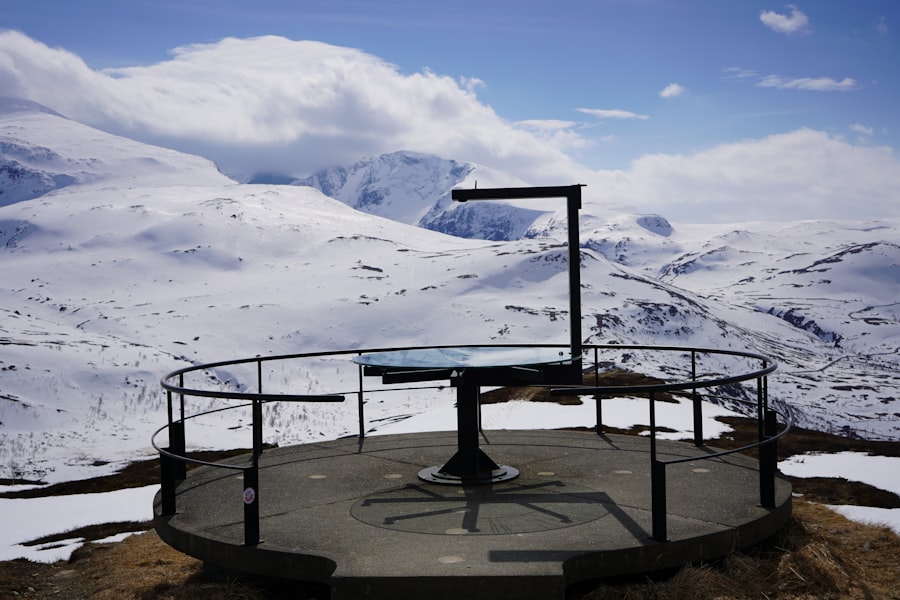
Operating military bases in the Arctic Circle presents significant environmental challenges that cannot be overlooked. The harsh climate conditions pose logistical difficulties for construction and maintenance activities, while also raising concerns about ecological impacts. The fragile Arctic ecosystem is particularly vulnerable to disturbances caused by human activity, including pollution from military operations and potential oil spills from resource extraction efforts.
Moreover, climate change exacerbates these challenges by altering weather patterns and increasing the frequency of extreme weather events. As ice melts and permafrost thaws, infrastructure built on unstable ground may face risks of collapse or damage. The environmental consequences of military operations extend beyond immediate impacts; they can also affect indigenous communities that rely on traditional ways of life tied to the land and sea.
As nations pursue their strategic interests in the Arctic, they must grapple with the responsibility of protecting this unique environment for future generations.
Technological Advancements in Arctic Military Operations
Technological advancements play a crucial role in enhancing military operations within the Arctic Circle. As nations invest in cutting-edge technologies tailored for extreme conditions, they are better equipped to navigate challenges posed by harsh weather and difficult terrain. Innovations such as advanced icebreakers, unmanned aerial vehicles (UAVs), and satellite surveillance systems have transformed how militaries operate in this remote region.
For instance, icebreakers equipped with state-of-the-art navigation systems can facilitate safe passage through treacherous waters while supporting logistical operations for remote bases. UAVs provide real-time intelligence gathering capabilities that are invaluable for monitoring activities across vast distances. Additionally, satellite technology enables enhanced communication and coordination among forces operating in isolated environments.
These technological advancements not only improve operational efficiency but also contribute to greater situational awareness in an increasingly contested Arctic landscape.
Economic and Resource Considerations in the Arctic Circle
The economic potential of the Arctic Circle is a driving force behind many nations’ military strategies in the region. Rich reserves of oil, natural gas, minerals, and fish stocks present lucrative opportunities for resource extraction that could significantly impact national economies. As climate change continues to open up previously inaccessible areas for exploration, countries are eager to stake their claims and secure access to these valuable resources.
However, tapping into these resources comes with inherent risks and challenges. Environmental concerns surrounding extraction processes must be carefully managed to prevent irreversible damage to fragile ecosystems. Additionally, fluctuating global markets can affect the viability of resource projects, leading nations to reassess their investments in military infrastructure aimed at securing these economic interests.
Balancing economic ambitions with environmental stewardship remains a critical consideration for countries operating within the Arctic Circle.
International Cooperation and Conflict in the Arctic Circle
The complex interplay between international cooperation and conflict defines the current state of affairs in the Arctic Circle. While competing interests often lead to tensions among nations vying for control over resources and territory, there are also numerous avenues for collaboration aimed at addressing shared challenges such as climate change and maritime safety. Organizations like the Arctic Council provide platforms for dialogue among Arctic states and indigenous communities, fostering cooperation on issues ranging from environmental protection to scientific research.
However, instances of conflict cannot be ignored. Disputes over maritime boundaries or resource claims can escalate into confrontations if not managed through diplomatic channels. The presence of military bases adds another layer of complexity; while they serve as deterrents against potential aggression, they can also heighten tensions if perceived as aggressive posturing by neighboring countries.
Striking a balance between cooperation and competition will be essential for maintaining stability in this strategically important region.
Future Outlook for Military Bases in the Arctic Circle
The future outlook for military bases in the Arctic Circle is shaped by a confluence of factors including geopolitical dynamics, environmental considerations, technological advancements, and economic interests.
Increased competition for resources may lead to further militarization of the Arctic; however, there is also potential for enhanced cooperation among nations seeking common ground on pressing issues such as climate change mitigation and sustainable development practices.
The evolution of international norms governing behavior in the Arctic will play a crucial role in determining whether future interactions are characterized by conflict or collaboration.
The Role of Military Bases in Shaping the Arctic’s Future
Military bases within the Arctic Circle are poised to play a pivotal role in shaping not only regional security dynamics but also broader geopolitical relations among nations with vested interests in this unique environment. As countries navigate competing claims over resources while grappling with environmental challenges posed by climate change, their military strategies will undoubtedly evolve. Ultimately, how nations choose to engage with one another—whether through cooperation or conflict—will significantly influence the future trajectory of military operations in the Arctic Circle.
Balancing national security interests with environmental stewardship will be essential for ensuring that this fragile region remains a space for sustainable development rather than a battleground for competing ambitions. The decisions made today will resonate far beyond borders; they will define how future generations experience life within one of Earth’s last frontiers.
The strategic importance of military bases in the Arctic Circle has been increasingly recognized by global powers, as the region holds significant geopolitical and economic potential due to its vast natural resources and new shipping routes emerging from melting ice. An article on MyGeoQuest delves into the implications of these developments, discussing how nations are positioning themselves to secure their interests in this rapidly changing environment. The article provides insights into the military strategies being employed and the potential for international cooperation or conflict in the Arctic.
WATCH THIS! The Arctic Ice Is Melting, And It Will Start World War 3
FAQs
What countries have military bases in the Arctic Circle?
Several countries have military bases in the Arctic Circle, including the United States, Russia, Canada, Norway, and Denmark (through Greenland).
What is the purpose of military bases in the Arctic Circle?
The purpose of military bases in the Arctic Circle is to assert territorial claims, conduct military exercises, monitor activity in the region, and protect national interests, including natural resources and shipping routes.
How many military bases are there in the Arctic Circle?
The exact number of military bases in the Arctic Circle is difficult to determine, as some are classified and others are temporary. However, there are numerous bases operated by various countries in the region.
What are the environmental concerns associated with military bases in the Arctic Circle?
Military bases in the Arctic Circle can have environmental impacts, including the release of pollutants, disturbance of wildlife, and potential oil spills. These concerns are particularly relevant given the fragile nature of the Arctic ecosystem.
Are there any international agreements governing military activity in the Arctic Circle?
There are several international agreements that govern military activity in the Arctic Circle, including the United Nations Convention on the Law of the Sea (UNCLOS) and the Arctic Council, which promotes cooperation and environmental protection in the region.