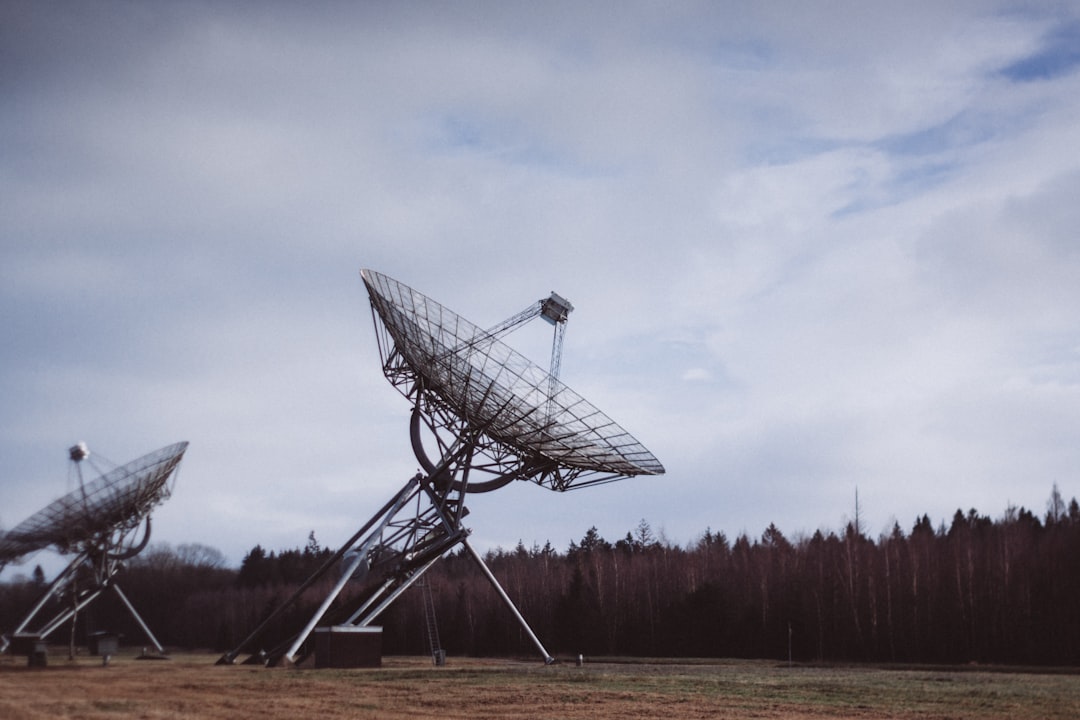
Space weather refers to the environmental conditions in space that can influence the Earth’s magnetosphere, ionosphere, and thermosphere. It encompasses a variety of phenomena, including solar flares, coronal mass ejections (CMEs), and high-energy solar particle events. These occurrences are primarily driven by the Sun’s activity, which can vary significantly over time.
As the Sun goes through its 11-year solar cycle, periods of heightened activity can lead to increased space weather events that have the potential to disrupt technological systems on Earth. Understanding space weather is crucial, especially in an age where society relies heavily on electrical infrastructure for daily operations. The implications of space weather extend beyond mere scientific curiosity; they pose real threats to modern civilization.
As technology becomes more integrated into everyday life, the vulnerabilities of electrical systems to space weather events become increasingly apparent. The potential for widespread disruptions raises concerns among scientists, engineers, and policymakers alike. This article aims to explore the multifaceted relationship between space weather and electrical infrastructure, highlighting historical examples, risks, mitigation strategies, and the importance of collaboration in safeguarding against these cosmic phenomena.
Key Takeaways
- Space weather, including geomagnetic storms, can severely disrupt electrical infrastructure and power grids.
- Historical space weather events have caused significant electrical outages and damage worldwide.
- Electrical systems are vulnerable to space weather due to induced currents and electromagnetic disturbances.
- Monitoring, early warning systems, and collaboration between scientists and operators are crucial for mitigation.
- Policy development and ongoing research are essential to enhance resilience against future space weather threats.
Understanding the Impact of Space Weather on Electrical Infrastructure
The impact of space weather on electrical infrastructure is profound and multifaceted. When solar activity increases, it can lead to geomagnetic storms that induce electric currents in the Earth’s surface. These geomagnetic induced currents (GICs) can flow through power lines and transformers, potentially causing equipment damage and operational failures.
The electrical grid, which is designed to handle a certain level of stress, may become overwhelmed during severe space weather events, leading to blackouts or system failures. Moreover, the effects of space weather are not limited to immediate disruptions. Long-term impacts can also arise from increased wear and tear on electrical components due to GICs.
Transformers, for instance, are particularly vulnerable; they can suffer from overheating and insulation breakdown when subjected to prolonged exposure to these induced currents. As a result, utility companies must remain vigilant and proactive in their approach to managing the risks associated with space weather.
Historical Examples of Space Weather Events and their Impact on Electrical Infrastructure
Throughout history, there have been several notable instances where space weather has significantly impacted electrical infrastructure. One of the most famous examples occurred in March 1989 when a geomagnetic storm caused a nine-hour blackout in Quebec, Canada. The storm was triggered by a CME that struck the Earth’s magnetic field, inducing GICs that overwhelmed the province’s power grid.
This event served as a wake-up call for many in the energy sector, highlighting the vulnerabilities of electrical systems to space weather. Another significant event took place in 2003 during the Halloween solar storms. A series of intense solar flares and CMEs led to widespread disruptions in satellite communications and navigation systems.
While the direct impact on electrical infrastructure was less severe than in 1989, the event underscored the interconnectedness of modern technology and the potential for cascading failures across various sectors. These historical examples illustrate that space weather is not merely a theoretical concern; it has tangible consequences that can disrupt daily life and economic stability.
The Role of Geomagnetic Storms in Disrupting Electrical Grids
| Metric | Description | Typical Range/Value | Impact on Electrical Grids |
|---|---|---|---|
| Kp Index | Global geomagnetic activity index (0-9 scale) | 5-9 during storms | Higher values indicate stronger geomagnetic storms, increasing risk of grid disturbances |
| Dst Index (nT) | Disturbance storm time index measuring ring current strength | -50 to -500 nT during storms | More negative values correlate with stronger geomagnetic storms affecting grid stability |
| Geomagnetically Induced Currents (GIC) | Electric currents induced in power lines during storms | Up to several hundred amperes | Can cause transformer saturation, overheating, and damage |
| Transformer Heating Increase | Rise in transformer temperature due to GIC | Up to 20-30°C above normal | Accelerates aging and risk of failure |
| Voltage Fluctuations | Variations in grid voltage during geomagnetic disturbances | 5-15% deviations | Can cause equipment malfunction and outages |
| Frequency of Grid Disturbances | Number of reported electrical grid issues during storms | Increases by 2-5 times during major storms | Higher likelihood of blackouts and equipment damage |
Geomagnetic storms play a central role in disrupting electrical grids during periods of heightened solar activity. When a CME reaches Earth, it can compress the magnetosphere and create fluctuations in the Earth’s magnetic field. These fluctuations induce electric currents in conductive materials on the surface, including power lines and pipelines.
The resulting GICs can lead to voltage instability and equipment malfunctions within power systems. The severity of geomagnetic storms can vary widely, with some events causing minimal disruption while others result in significant damage. For instance, during extreme storms, GICs can exceed safe operational limits for transformers, leading to overheating and potential failure.
Utility companies must therefore monitor space weather forecasts closely to anticipate these storms and implement measures to protect their infrastructure from potential damage.
Potential Risks and Vulnerabilities of Electrical Infrastructure to Space Weather
The risks posed by space weather to electrical infrastructure are numerous and complex. One of the primary vulnerabilities lies in the aging infrastructure of many power grids around the world. Older transformers may not be equipped to handle the stresses induced by GICs, making them more susceptible to failure during geomagnetic storms.
Additionally, as society becomes increasingly reliant on digital technologies and smart grids, any disruption caused by space weather could have cascading effects across various sectors.
For example, during geomagnetic storms, there may be a surge in demand for electricity as people turn to backup generators or alternative power sources due to outages.
This increased demand can further strain already vulnerable systems, leading to a higher likelihood of failures or blackouts.
Mitigation and Preparedness Strategies for Space Weather Events
To address the risks associated with space weather, utility companies and governments must implement effective mitigation and preparedness strategies. One approach involves investing in infrastructure upgrades that enhance resilience against GICs. This may include installing protective devices such as GIC blockers or designing transformers with improved insulation capabilities to withstand induced currents.
In addition to physical upgrades, developing comprehensive response plans is essential for managing space weather events. Utility companies should establish protocols for monitoring space weather forecasts and communicating with stakeholders about potential risks. Training personnel to respond effectively during geomagnetic storms can also help minimize disruptions and ensure a swift recovery.
The Importance of Space Weather Monitoring and Early Warning Systems
Monitoring space weather is critical for anticipating potential disruptions to electrical infrastructure. Advanced satellite technology allows scientists to observe solar activity in real-time, providing valuable data that can inform early warning systems. By tracking solar flares and CMEs as they occur, researchers can issue alerts that enable utility companies to take proactive measures before a storm reaches Earth.
Early warning systems play a vital role in minimizing the impact of space weather events on electrical grids. When utilities receive timely alerts about impending geomagnetic storms, they can implement precautionary measures such as reducing load on transformers or temporarily shutting down vulnerable components of the grid. This proactive approach can significantly reduce the risk of damage and ensure a more resilient response during adverse conditions.
Collaboration between Space Weather Scientists and Electrical Infrastructure Operators
Collaboration between space weather scientists and electrical infrastructure operators is essential for developing effective strategies to mitigate risks associated with space weather events. By fostering partnerships between these two fields, stakeholders can share knowledge and resources that enhance understanding of how solar activity impacts electrical systems. Joint research initiatives can lead to improved predictive models that better forecast the effects of space weather on power grids.
Additionally, workshops and training sessions can facilitate knowledge transfer between scientists and utility personnel, ensuring that operators are equipped with the latest information on best practices for managing space weather risks.
Policy and Regulatory Considerations for Protecting Electrical Infrastructure from Space Weather
As awareness of the threats posed by space weather grows, policymakers must consider regulatory frameworks that protect electrical infrastructure from these risks. Establishing standards for resilience against geomagnetic storms can guide utility companies in their efforts to upgrade infrastructure and implement best practices. Furthermore, funding for research into space weather impacts should be prioritized at both national and international levels.
By investing in scientific studies and technological advancements, governments can help ensure that electrical systems are better prepared for future challenges posed by solar activity.
Future Challenges and Opportunities in Addressing the Threat of Space Weather to Electrical Infrastructure
Looking ahead, several challenges remain in addressing the threat of space weather to electrical infrastructure. As climate change continues to alter environmental conditions on Earth, it is uncertain how these changes may interact with solar activity and impact electrical systems. Additionally, as technology evolves, new vulnerabilities may emerge that require ongoing adaptation and innovation.
However, these challenges also present opportunities for growth and advancement within the field of space weather research and electrical engineering. By embracing interdisciplinary collaboration and investing in cutting-edge technologies, stakeholders can develop more resilient systems capable of withstanding the impacts of space weather.
The Need for Continued Research and Action to Safeguard Electrical Infrastructure from Space Weather Events
In conclusion, the relationship between space weather and electrical infrastructure is complex yet critical for modern society’s functioning. As historical examples have shown, geomagnetic storms can have devastating effects on power grids, leading to widespread disruptions that impact daily life and economic stability. To safeguard against these threats, continued research into space weather phenomena is essential.
Moreover, proactive measures such as infrastructure upgrades, early warning systems, and collaborative efforts between scientists and utility operators will be vital in mitigating risks associated with space weather events. Policymakers must also play a role by establishing regulatory frameworks that prioritize resilience against geomagnetic storms. By taking these steps now, society can better prepare for future challenges posed by an ever-changing solar environment while ensuring that electrical infrastructure remains robust and reliable in the face of cosmic uncertainties.
Space weather poses significant risks to electrical infrastructure, particularly during solar storms that can induce geomagnetic currents. A related article that delves into the implications of these phenomena on power grids can be found at this link. Understanding the potential impacts of space weather is crucial for developing strategies to protect our electrical systems and ensure their resilience against such natural events.
WATCH THIS! The $500 Billion Bet: Why America’s Biggest Dam Is Guaranteed to Fail
FAQs
What is space weather?
Space weather refers to the environmental conditions in space as influenced by the Sun and the solar wind. It includes phenomena such as solar flares, coronal mass ejections (CMEs), and geomagnetic storms that can impact Earth’s magnetosphere and atmosphere.
How does space weather affect electrical infrastructure?
Space weather can induce geomagnetically induced currents (GICs) in power grids, which can overload transformers and other electrical equipment. This can lead to voltage instability, equipment damage, and widespread power outages.
What are geomagnetically induced currents (GICs)?
GICs are electric currents driven by changes in Earth’s magnetic field caused by solar activity. These currents flow through conductive materials on the ground, including power lines and pipelines, potentially causing damage to electrical infrastructure.
Which components of the electrical grid are most vulnerable to space weather?
High-voltage transformers, substations, and long transmission lines are particularly vulnerable to GICs. Transformers can overheat or fail due to the additional currents, leading to disruptions in power supply.
Can space weather events cause widespread power outages?
Yes, severe space weather events, such as intense geomagnetic storms, have the potential to cause large-scale power outages by damaging critical components of the electrical grid.
How can utilities mitigate the risks posed by space weather?
Utilities can implement monitoring systems for geomagnetic activity, install protective devices like GIC blockers, develop operational procedures to reduce load during storms, and design infrastructure to withstand GIC effects.
Are there forecasting systems for space weather?
Yes, organizations like NOAA’s Space Weather Prediction Center provide forecasts and warnings about solar activity and geomagnetic storms to help utilities prepare and respond to potential impacts.
Has space weather caused significant electrical infrastructure damage in the past?
Yes, notable events include the March 1989 geomagnetic storm that caused a nine-hour blackout in Quebec, Canada, due to transformer failures triggered by GICs.
Is space weather risk increasing with modern electrical infrastructure?
As electrical grids become more interconnected and reliant on high-voltage transformers, the potential impact of space weather events may increase, making risk assessment and mitigation more critical.
What role do governments and regulatory bodies play in managing space weather risks?
Governments and regulatory agencies develop standards, guidelines, and policies to enhance grid resilience, support research, and coordinate response efforts to minimize the impact of space weather on electrical infrastructure.