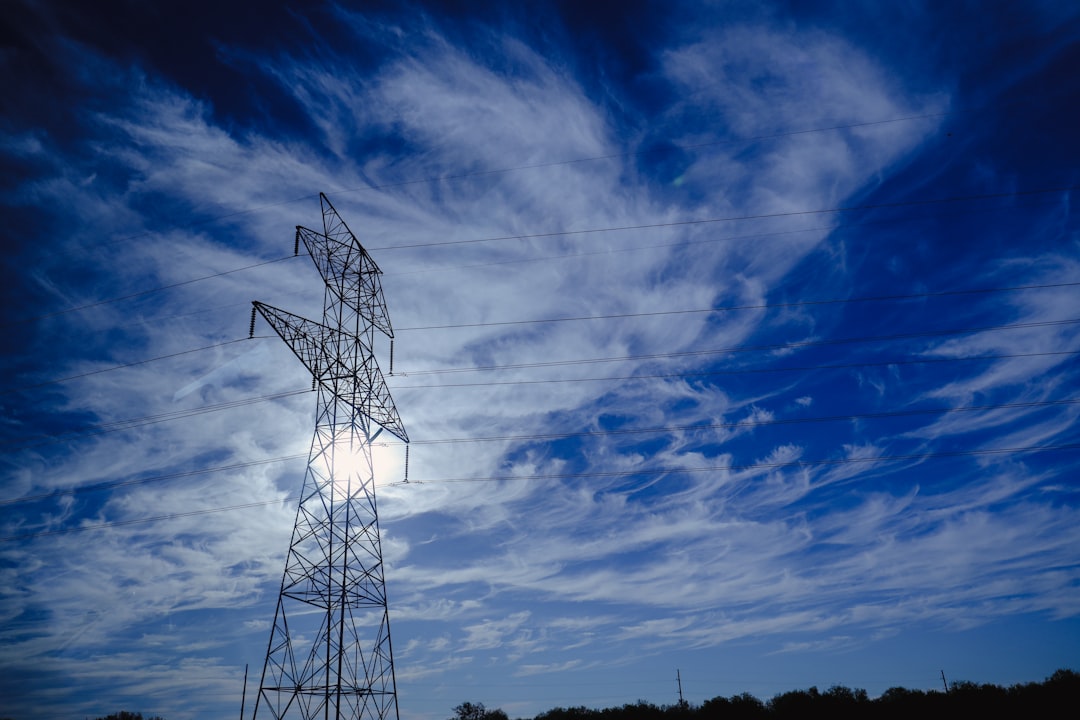
Space weather refers to the environmental conditions in space that can affect both technological systems and human activities on Earth. It encompasses a variety of phenomena, including solar flares, coronal mass ejections (CMEs), and solar energetic particle (SEP) events. These occurrences are driven by the Sun’s activity, which can vary significantly over time, leading to periods of heightened solar activity known as solar storms.
The implications of space weather extend beyond mere scientific curiosity; they pose real threats to modern infrastructure, particularly to power grids, communication systems, and satellite operations. As society becomes increasingly reliant on technology, understanding and preparing for space weather events has become a critical area of research and policy-making. The Sun operates on an approximately 11-year cycle of solar activity, during which it experiences phases of increased and decreased sunspot numbers.
During periods of high activity, the likelihood of space weather events increases, leading to potential disruptions on Earth. The interaction between solar wind—a stream of charged particles emitted by the Sun—and the Earth’s magnetic field can create geomagnetic storms that have far-reaching consequences. As the world continues to advance technologically, the need for robust systems to monitor and respond to space weather becomes ever more pressing.
This article will explore the multifaceted relationship between space weather and power grids, examining historical incidents, current policies, proposed reforms, and the role of technology in mitigating risks.
Key Takeaways
- Space weather significantly affects Earth’s power grids, causing disruptions and vulnerabilities.
- Historical events demonstrate the severe impact of solar storms on electrical infrastructure.
- Current policies exist but require reforms to better protect power grids from space weather threats.
- Technological advancements and international collaboration are crucial for mitigating space weather effects.
- Increasing public awareness and education is essential for supporting future power grid policy reforms.
Impact of Space Weather on Earth
The impact of space weather on Earth is profound and multifaceted. One of the most immediate effects is the disruption of communication systems. Solar flares can cause radio blackouts, particularly affecting high-frequency communications used by aviation and maritime industries.
These disruptions can lead to significant operational challenges, as pilots and ship captains rely on uninterrupted communication for navigation and safety. Additionally, satellites in orbit are vulnerable to increased radiation during solar storms, which can damage their electronic components and degrade their functionality. This vulnerability underscores the importance of understanding space weather patterns to protect critical infrastructure.
Beyond communication systems, space weather can also have severe implications for power grids. Geomagnetic storms induced by solar activity can induce electric currents in power lines, potentially leading to transformer damage and widespread outages. The cascading effects of such disruptions can be catastrophic, affecting not only electricity supply but also water treatment facilities, transportation systems, and emergency services.
As such, the impact of space weather extends far beyond immediate disruptions; it poses a threat to public safety and national security.
Vulnerability of Power Grids to Space Weather
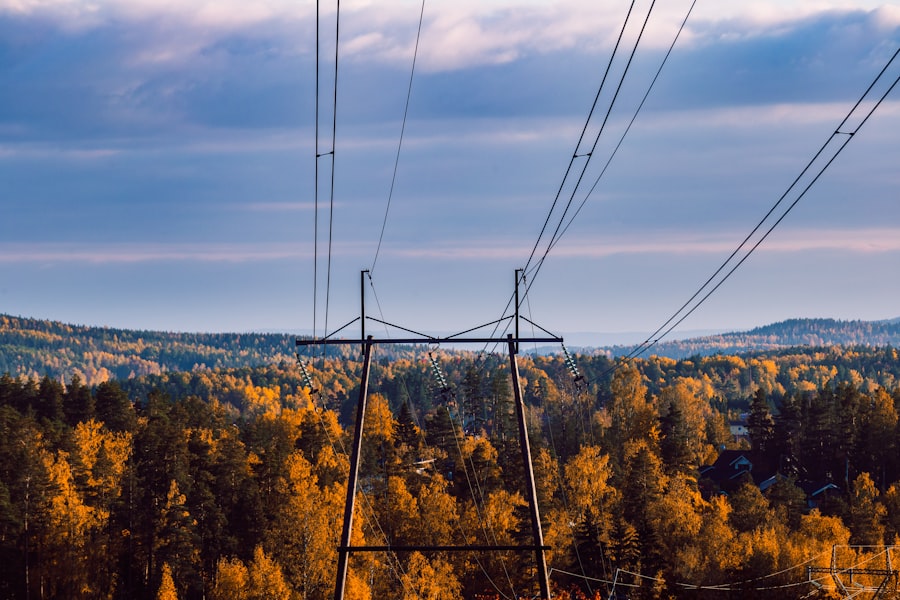
Power grids are particularly vulnerable to the effects of space weather due to their extensive networks and reliance on electromagnetic systems. When geomagnetic storms occur, they can induce geomagnetically induced currents (GICs) in long transmission lines. These currents can overload transformers and other critical components of the power grid, leading to equipment failure and outages.
The risk is exacerbated by the fact that many power grids were not designed with space weather in mind; thus, their resilience to such events is often limited. Moreover, the increasing complexity and interconnectivity of power grids further heighten their vulnerability. As utilities integrate renewable energy sources and smart grid technologies, they create new pathways for potential disruptions.
While these advancements offer numerous benefits, they also introduce additional points of failure that can be exploited during space weather events. Consequently, understanding the vulnerabilities inherent in power grid design is essential for developing effective strategies to mitigate risks associated with space weather.
Historical Incidents of Power Grid Disruptions due to Space Weather
| Year | Location | Event | Cause | Impact on Power Grid | Duration |
|---|---|---|---|---|---|
| 1859 | Worldwide (notably North America and Europe) | Carrington Event | Solar Coronal Mass Ejection (CME) | Telegraph systems disrupted; some operators received electric shocks; widespread auroras | Hours to days |
| 1921 | United States | New York Railroad Power Failure | Solar Storm | Power failure affecting railroad signaling and power systems | Several hours |
| 1960 | United States | Hydro-Quebec Power Grid Disturbance | Geomagnetic Storm | Transformer damage and power outages | Hours |
| 1989 | Canada (Quebec) | March 1989 Geomagnetic Storm | Solar CME | Power grid collapse affecting 6 million people; transformers damaged | 9 hours |
| 2003 | Sweden | Halloween Storms | Solar CME | Power grid disturbances and transformer damage | Several hours |
| 2003 | United States | Halloween Storms | Solar CME | Voltage instability and equipment damage in power grids | Hours to days |
| 2012 | Worldwide (near miss) | July 2012 Solar Storm | Solar CME | Potential for widespread power grid disruption (event missed Earth) | N/A |
Historically, there have been several notable incidents where power grids were disrupted due to space weather events. One of the most significant occurrences took place in March 1989 when a geomagnetic storm caused a nine-hour blackout in Quebec, Canada. The storm induced GICs that overwhelmed transformers in Hydro-Québec’s network, leading to widespread outages affecting millions of residents.
This incident served as a wake-up call for utilities worldwide regarding the potential dangers posed by space weather. Another notable event occurred in 2003 during a period of heightened solar activity known as the Halloween Storms. A series of powerful solar flares and CMEs resulted in geomagnetic storms that impacted power grids across North America and Europe.
While no major blackouts were reported during this event, it highlighted the vulnerabilities of electrical infrastructure to space weather phenomena. These historical incidents underscore the need for proactive measures to safeguard power grids against future disruptions caused by solar activity.
Current Policies and Regulations regarding Space Weather and Power Grids
In response to the growing awareness of space weather’s impact on power grids, various policies and regulations have been implemented at national and international levels. In the United States, agencies such as the Federal Energy Regulatory Commission (FERC) and the North American Electric Reliability Corporation (NERC) have established guidelines for assessing and mitigating risks associated with geomagnetic storms. These guidelines encourage utilities to develop contingency plans and invest in infrastructure upgrades to enhance resilience against space weather events.
Internationally, organizations like the International Space Environment Service (ISES) provide real-time data on space weather conditions to help countries prepare for potential impacts. Collaborative efforts among nations aim to improve monitoring capabilities and share best practices for managing risks associated with space weather. However, despite these initiatives, many experts argue that existing policies may not be sufficient to address the evolving challenges posed by increasingly severe solar activity.
Proposed Reforms in Power Grid Policy due to Space Weather
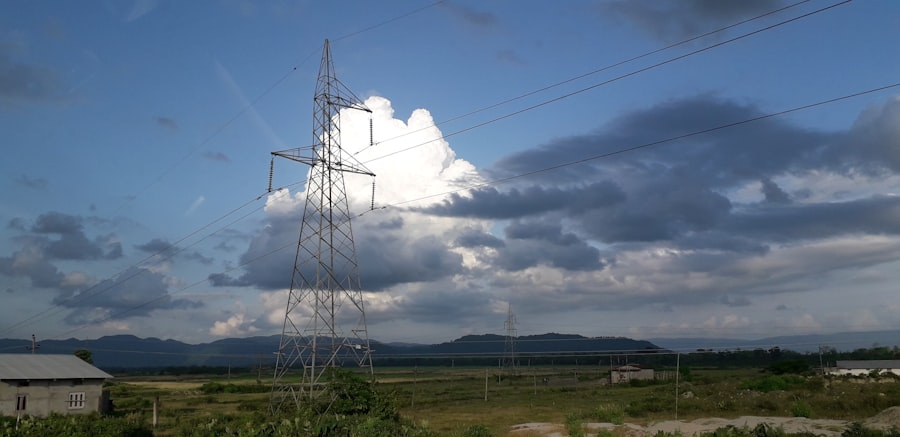
Given the vulnerabilities exposed by historical incidents and ongoing research into space weather impacts, experts have proposed several reforms aimed at enhancing power grid resilience. One key recommendation is the establishment of stricter standards for transformer design and installation to withstand GICs induced by geomagnetic storms. By incorporating advanced materials and technologies into transformer construction, utilities can reduce the risk of equipment failure during extreme space weather events.
Additionally, there is a growing call for increased investment in monitoring systems that provide real-time data on solar activity and its potential impacts on power grids. Enhanced forecasting capabilities would enable utilities to take preemptive measures during periods of heightened solar activity, such as temporarily reducing load or rerouting power flows to minimize risks. Furthermore, fostering collaboration between government agencies, utility companies, and research institutions can facilitate knowledge sharing and innovation in developing effective strategies for managing space weather risks.
Potential Costs and Benefits of Implementing Reforms
Implementing reforms aimed at enhancing power grid resilience against space weather comes with both costs and benefits that must be carefully considered. On one hand, upgrading infrastructure and investing in advanced monitoring systems require significant financial resources. Utilities may face challenges in justifying these expenditures without clear evidence of imminent threats or regulatory mandates compelling action.
However, the potential costs associated with power outages—ranging from lost productivity to public safety risks—can far exceed the initial investments required for reform. On the other hand, the benefits of implementing these reforms extend beyond mere risk mitigation; they also contribute to long-term sustainability and reliability of power systems. By enhancing resilience against space weather events, utilities can ensure uninterrupted service during extreme conditions while also protecting critical infrastructure from damage.
Moreover, proactive measures can foster public confidence in energy systems, ultimately supporting economic growth and stability in an increasingly technology-dependent society.
International Collaboration in Addressing Space Weather and Power Grids
Addressing the challenges posed by space weather requires international collaboration among governments, research institutions, and industry stakeholders. Given that solar activity affects all countries regardless of geographic location, a coordinated global response is essential for effective risk management. Initiatives such as the International Space Weather Initiative (ISWI) promote collaboration among nations to enhance monitoring capabilities and share data related to space weather phenomena.
Furthermore, joint exercises simulating potential space weather scenarios can help countries assess their preparedness levels and identify areas for improvement. By fostering partnerships across borders, nations can leverage collective expertise and resources to develop comprehensive strategies for mitigating risks associated with space weather impacts on power grids. Such collaboration not only enhances individual countries’ resilience but also contributes to global stability in an increasingly interconnected world.
Role of Technology in Mitigating the Effects of Space Weather on Power Grids
Technology plays a pivotal role in mitigating the effects of space weather on power grids through advancements in monitoring, forecasting, and infrastructure design. Real-time monitoring systems equipped with sensors can detect changes in geomagnetic conditions and provide utilities with timely information about potential threats. This data enables operators to make informed decisions regarding load management and system adjustments during periods of heightened solar activity.
Moreover, innovations in transformer design—such as incorporating advanced materials that can withstand GICs—can significantly enhance grid resilience against geomagnetic storms. Smart grid technologies also offer opportunities for improved communication between utilities and consumers, allowing for more efficient energy management during adverse conditions. By harnessing technological advancements, utilities can better prepare for and respond to space weather events while minimizing disruptions to service.
Public Awareness and Education about Space Weather and Power Grids
Raising public awareness about space weather and its potential impacts on power grids is crucial for fostering a culture of preparedness within communities. Educational initiatives aimed at informing citizens about the nature of space weather phenomena—such as solar flares and geomagnetic storms—can empower individuals to understand the risks associated with these events. Furthermore, promoting awareness about how these phenomena can disrupt essential services encourages proactive engagement with local utility providers regarding preparedness measures.
Community outreach programs that involve schools, local governments, and utility companies can facilitate discussions about emergency preparedness plans related to space weather events.
Future Outlook for Space Weather and Power Grid Policy Reform
The future outlook for space weather policy reform concerning power grids is one marked by both challenges and opportunities. As solar activity continues to evolve with climate change influencing atmospheric conditions on Earth, policymakers must remain vigilant in adapting regulations that address emerging risks associated with space weather phenomena. The increasing frequency of extreme weather events further complicates this landscape; thus, integrating climate resilience into discussions about space weather preparedness will be essential.
Moreover, advancements in technology will likely play a crucial role in shaping future policies related to power grid resilience against space weather impacts. As research continues to uncover new insights into solar activity patterns and their effects on Earth’s infrastructure, policymakers will need to remain agile in implementing evidence-based reforms that prioritize public safety while fostering innovation within energy systems. In conclusion, addressing the challenges posed by space weather requires a multifaceted approach involving collaboration among stakeholders at all levels—from local communities to international organizations.
By prioritizing education, investing in technology, and reforming policies related to power grid resilience against space weather events, society can better prepare for an uncertain future shaped by both solar activity and climate change.
In the context of power grid policy reform and the impact of space weather, it is essential to consider the implications of solar storms on electrical infrastructure. A related article that delves into these issues can be found at MyGeoQuest, where it discusses the vulnerabilities of power grids to space weather events and the necessary reforms to enhance resilience.
WATCH THIS! The $500 Billion Bet: Why America’s Biggest Dam Is Guaranteed to Fail
FAQs
What is power grid policy reform?
Power grid policy reform refers to changes and updates in regulations, standards, and practices governing the operation, management, and development of electrical power grids. These reforms aim to improve grid reliability, efficiency, security, and integration of new technologies.
How does space weather affect the power grid?
Space weather, including solar flares and geomagnetic storms, can induce geomagnetically induced currents (GICs) in power grids. These currents can damage transformers, disrupt grid operations, and cause widespread power outages.
Why is power grid policy reform important in the context of space weather?
Reforming power grid policies to address space weather risks is crucial to enhance grid resilience. Policies can mandate improved monitoring, infrastructure hardening, emergency response plans, and coordination among utilities to mitigate the impact of space weather events.
What measures can be included in power grid policy reforms to mitigate space weather risks?
Measures may include installing geomagnetic monitoring systems, developing early warning protocols, upgrading transformers to withstand GICs, implementing operational procedures during space weather events, and investing in research and development for grid resilience.
Who is responsible for implementing power grid policy reforms related to space weather?
Implementation typically involves government regulatory agencies, power grid operators, utility companies, and scientific organizations. Collaboration among these stakeholders ensures effective policy development and execution.
Are there international efforts to address space weather impacts on power grids?
Yes, international organizations and collaborations, such as the International Electrotechnical Commission (IEC) and the North American Electric Reliability Corporation (NERC), work on standards and guidelines to manage space weather risks globally.
How can consumers be affected by space weather-induced power grid disruptions?
Consumers may experience power outages, voltage fluctuations, and damage to electrical devices during severe space weather events affecting the grid. Policy reforms aim to minimize these disruptions and protect consumer interests.
What role does technology play in power grid policy reform for space weather?
Technology enables better monitoring, forecasting, and response to space weather events. Incorporating advanced sensors, real-time data analytics, and automated control systems into policy frameworks enhances grid resilience.
How often do space weather events impact power grids?
Severe space weather events are relatively rare but can have significant consequences when they occur. Moderate events happen more frequently and can still pose risks, making ongoing policy attention necessary.
Where can I find more information about power grid policy reform and space weather?
Reliable information can be found through government energy departments, space weather research centers, utility companies, and international organizations focused on grid reliability and space weather monitoring.