
The South Atlantic Anomaly (SAA) is a region of the Earth’s magnetic field that exhibits a significant decrease in magnetic intensity. This anomaly is located over the South Atlantic Ocean, extending from the southern tip of South America to parts of Africa. The phenomenon arises due to the tilt of the Earth’s magnetic field and the presence of a weak spot in the magnetic field known as the geomagnetic field.
The SAA is characterized by its unique properties, which make it a focal point for scientific research and exploration. The SAA is not merely a geographical curiosity; it has profound implications for technology and space exploration. The region is of particular interest to scientists because it provides insights into the dynamics of the Earth’s magnetic field and its interactions with solar radiation.
As the Earth’s magnetic field protects the planet from harmful cosmic rays and solar winds, the SAA represents a vulnerability in this protective shield, making it a critical area for understanding both terrestrial and extraterrestrial phenomena.
Key Takeaways
- The South Atlantic Anomaly (SAA) is a region where Earth’s magnetic field is weaker, causing increased radiation exposure for satellites.
- Satellites passing through the SAA experience higher risks of malfunctions and communication disruptions due to charged particle interference.
- GPS systems and satellite communications can be degraded or temporarily lost when operating within the SAA region.
- Scientists monitor the SAA using space-based instruments and geomagnetic storm data to predict and mitigate satellite risks.
- Measures such as hardening satellite electronics and adjusting orbital paths are employed to reduce the impact of the SAA on space missions.
How does the South Atlantic Anomaly affect satellites?
Satellites orbiting the Earth are designed to operate within specific parameters, relying on stable conditions to function effectively. However, when these satellites pass through the SAA, they encounter an environment that can disrupt their operations. The reduced magnetic field strength in this region allows for increased exposure to charged particles from cosmic rays and solar radiation.
This exposure can lead to various malfunctions, including data corruption, loss of communication, and even damage to onboard systems. The effects of the SAA on satellites can vary depending on their altitude and mission objectives. Low Earth Orbit (LEO) satellites are particularly susceptible to these disruptions due to their proximity to the anomaly.
As they traverse this region, they may experience temporary outages or anomalies in their data transmission. This can pose significant challenges for satellite operators who must ensure that their systems remain functional and reliable despite these environmental challenges.
The impact of the South Atlantic Anomaly on satellite communication

Satellite communication is a cornerstone of modern technology, enabling everything from global positioning systems to internet connectivity in remote areas. However, the SAA poses unique challenges to these communication systems. When satellites pass through the anomaly, they may experience signal degradation or interruptions, leading to potential lapses in service.
This can be particularly problematic for applications that require real-time data transmission, such as weather forecasting or emergency response systems. Moreover, the impact of the SAA on satellite communication extends beyond mere interruptions. The increased radiation levels can cause bit flips in memory storage, leading to corrupted data that may compromise mission objectives.
For instance, satellites used for scientific research may collect inaccurate data during their passage through the SAA, affecting the integrity of research findings. As a result, satellite operators must implement robust error correction protocols and redundancy measures to mitigate these risks.
The potential risks of satellite disruption in the South Atlantic Anomaly
| Risk Factor | Description | Potential Impact | Mitigation Strategies |
|---|---|---|---|
| Increased Radiation Exposure | Higher levels of charged particles in the South Atlantic Anomaly (SAA) region | Damage to satellite electronics and increased error rates in data transmission | Radiation-hardened components, shielding, and error-correcting codes |
| Satellite System Failures | Temporary or permanent malfunction of satellite subsystems due to radiation | Loss of communication, navigation, or scientific data collection capabilities | Redundant systems, regular system checks, and safe mode protocols |
| Data Corruption | Bit flips and data errors caused by high-energy particles | Compromised data integrity affecting mission outcomes and decision-making | Use of error detection and correction algorithms, data validation |
| Increased Operational Costs | Additional maintenance and recovery efforts due to satellite disruptions | Higher mission costs and potential loss of revenue or scientific value | Improved satellite design and predictive maintenance planning |
| Communication Blackouts | Interruption of satellite communication links when passing through the SAA | Temporary loss of real-time data and control over satellites | Scheduling critical operations outside SAA transit times, alternative communication paths |
The risks associated with satellite disruption in the SAA are multifaceted and can have far-reaching consequences. One of the most immediate concerns is the potential for loss of communication with satellites during critical operations.
This is particularly concerning for satellites involved in disaster monitoring or environmental assessments, where timely data is crucial. In addition to operational risks, there are also financial implications associated with satellite disruptions in the SAThe costs of repairing or replacing damaged satellites can be astronomical, not to mention the potential loss of revenue from disrupted services. Furthermore, prolonged outages can erode public trust in satellite-based services, leading to decreased usage and investment in future satellite technologies.
As such, understanding and addressing the risks posed by the SAA is essential for ensuring the continued success of satellite operations.
How do scientists monitor the South Atlantic Anomaly?
Monitoring the South Atlantic Anomaly is a complex endeavor that involves a combination of ground-based observations and satellite data collection. Scientists utilize a variety of instruments to measure changes in magnetic field strength and radiation levels within the anomaly. Ground-based observatories play a crucial role in providing continuous data on geomagnetic variations, while satellites equipped with magnetometers can offer real-time insights into the anomaly’s behavior.
In addition to direct measurements, researchers also employ computer models to simulate the dynamics of the SAA and predict its future evolution. These models take into account various factors, including solar activity and changes in the Earth’s core dynamics. By analyzing this data, scientists can gain a better understanding of how the SAA may evolve over time and its potential impacts on satellite operations.
The role of geomagnetic storms in the South Atlantic Anomaly
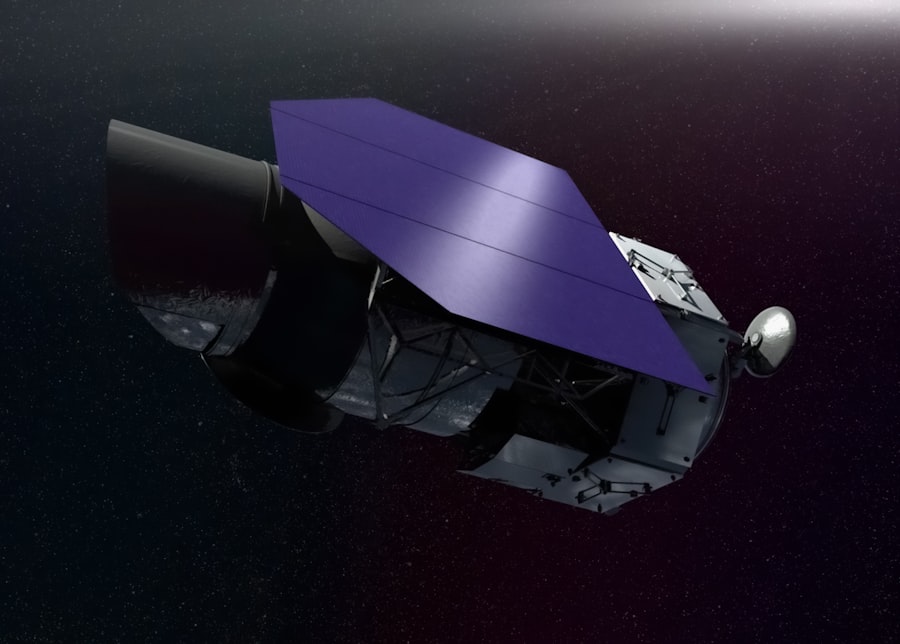
Geomagnetic storms are disturbances in the Earth’s magnetic field caused by solar activity, such as coronal mass ejections or solar flares. These storms can exacerbate the effects of the South Atlantic Anomaly by increasing radiation levels and further weakening the magnetic shield over this region. During periods of heightened solar activity, satellites passing through the SAA may face even greater risks of disruption.
The interplay between geomagnetic storms and the SAA highlights the importance of monitoring solar activity as part of risk management strategies for satellite operations. By anticipating geomagnetic storms and their potential impacts on the SAA, satellite operators can take proactive measures to protect their assets. This may include temporarily shutting down non-essential systems or adjusting satellite orbits to minimize exposure during storm events.
How does the South Atlantic Anomaly affect GPS systems?
Global Positioning System (GPS) technology relies on a network of satellites that transmit signals to receivers on Earth. However, when GPS satellites pass through the South Atlantic Anomaly, they may experience signal degradation or interruptions that can affect positioning accuracy. This is particularly concerning for applications that require precise navigation, such as aviation or maritime operations.
The impact of the SAA on GPS systems can lead to increased positioning errors or temporary loss of signal altogether. For users relying on GPS for critical operations, such as emergency responders or commercial shipping companies, these disruptions can have serious consequences. As such, understanding how the SAA affects GPS technology is essential for developing strategies to mitigate its impact on navigation systems.
What measures are being taken to mitigate the effects of the South Atlantic Anomaly on satellites?
In response to the challenges posed by the South Atlantic Anomaly, satellite operators and researchers are implementing various measures to mitigate its effects. One approach involves designing satellites with enhanced shielding to protect sensitive components from radiation exposure. This can help reduce the likelihood of data corruption and system failures during passages through the anomaly.
Additionally, operators are developing advanced algorithms for error correction and data recovery that can help restore functionality after disruptions occur. These algorithms are designed to identify anomalies in data transmission and correct them in real-time, ensuring that critical information remains intact despite environmental challenges. By investing in these technologies, satellite operators aim to enhance resilience against disruptions caused by the SAA.
The future outlook for satellite disruption in the South Atlantic Anomaly
As our reliance on satellite technology continues to grow, understanding and addressing disruptions caused by the South Atlantic Anomaly will become increasingly important. Researchers are actively studying how changes in solar activity and geomagnetic conditions may influence the behavior of the anomaly over time. This ongoing research will be crucial for predicting future risks and developing effective mitigation strategies.
Moreover, advancements in satellite technology may provide new opportunities for overcoming challenges associated with the SAAs engineers design more robust systems capable of withstanding harsh environments, it is likely that future satellites will be better equipped to navigate through regions affected by anomalies like the SAA without significant operational disruptions.
The potential impact of the South Atlantic Anomaly on space exploration missions
The implications of the South Atlantic Anomaly extend beyond Earth-orbiting satellites; they also pose challenges for space exploration missions venturing beyond our planet’s atmosphere. As spacecraft travel through regions affected by geomagnetic anomalies, they may encounter increased radiation levels that could jeopardize both crewed and uncrewed missions. Understanding how these anomalies interact with spacecraft is essential for ensuring mission safety and success.
For example, missions aimed at exploring Mars or other celestial bodies may need to account for potential disruptions caused by cosmic radiation during their journey through areas influenced by anomalies like the SABy incorporating this knowledge into mission planning and spacecraft design, space agencies can enhance their ability to conduct successful explorations while minimizing risks associated with radiation exposure.
Understanding and managing the risks of satellite disruption in the South Atlantic Anomaly
The South Atlantic Anomaly represents a unique challenge for satellite operations and communication systems due to its reduced magnetic field strength and increased radiation exposure. As technology continues to evolve and our reliance on satellites grows, understanding this anomaly becomes increasingly critical for ensuring reliable service delivery across various sectors. Through ongoing research and technological advancements, scientists and engineers are working diligently to mitigate risks associated with satellite disruptions in this region.
By implementing robust monitoring systems and developing innovative solutions for radiation protection, they aim to safeguard vital satellite operations against potential threats posed by the South Atlantic Anomaly. Ultimately, a comprehensive understanding of this phenomenon will be essential for navigating future challenges in both satellite technology and space exploration endeavors.
The South Atlantic Anomaly (SAA) is known for causing significant disruptions to satellites as they pass through this region of weakened Earth’s magnetic field. For a deeper understanding of the implications of the SAA on satellite operations and the measures being taken to mitigate its effects, you can read a related article on this topic at My Geo Quest. This resource provides valuable insights into the challenges faced by satellite technology in this unique geographical area.
WATCH THIS! The $500 Billion Bet: Why America’s Biggest Dam Is Guaranteed to Fail
FAQs
What is the South Atlantic Anomaly?
The South Atlantic Anomaly (SAA) is a region over the South Atlantic Ocean where the Earth’s inner Van Allen radiation belt comes closest to the Earth’s surface. This results in an area of increased radiation levels compared to other parts of the Earth.
Why does the South Atlantic Anomaly affect satellites?
Satellites passing through the South Atlantic Anomaly are exposed to higher levels of charged particles and radiation. This can cause disruptions in satellite electronics, leading to temporary malfunctions or data corruption.
Which satellites are most affected by the South Atlantic Anomaly?
Satellites in low Earth orbit (LEO) are most affected by the South Atlantic Anomaly because their orbits often pass through this region. This includes many Earth observation, communication, and scientific satellites.
What kind of disruptions can satellites experience in the South Atlantic Anomaly?
Disruptions can include temporary loss of communication, errors in onboard instruments, increased noise in sensor data, and in some cases, damage to electronic components due to radiation exposure.
How do satellite operators mitigate the effects of the South Atlantic Anomaly?
Operators use radiation-hardened components, implement software error correction, schedule sensitive operations outside of SAA passages, and design satellites to enter safe modes during SAA transit to minimize damage and data loss.
Is the South Atlantic Anomaly changing over time?
Yes, the South Atlantic Anomaly is slowly shifting and changing in size due to variations in the Earth’s magnetic field. Scientists continuously monitor these changes to update satellite operation protocols.
Can the South Atlantic Anomaly affect astronauts?
Yes, astronauts aboard spacecraft passing through the SAA are exposed to increased radiation levels. Space agencies take precautions such as limiting time spent in the anomaly and using shielding to protect crew members.
Does the South Atlantic Anomaly impact ground-based systems?
No, the increased radiation in the South Atlantic Anomaly primarily affects satellites and spacecraft in orbit. Ground-based systems are generally not impacted by this phenomenon.