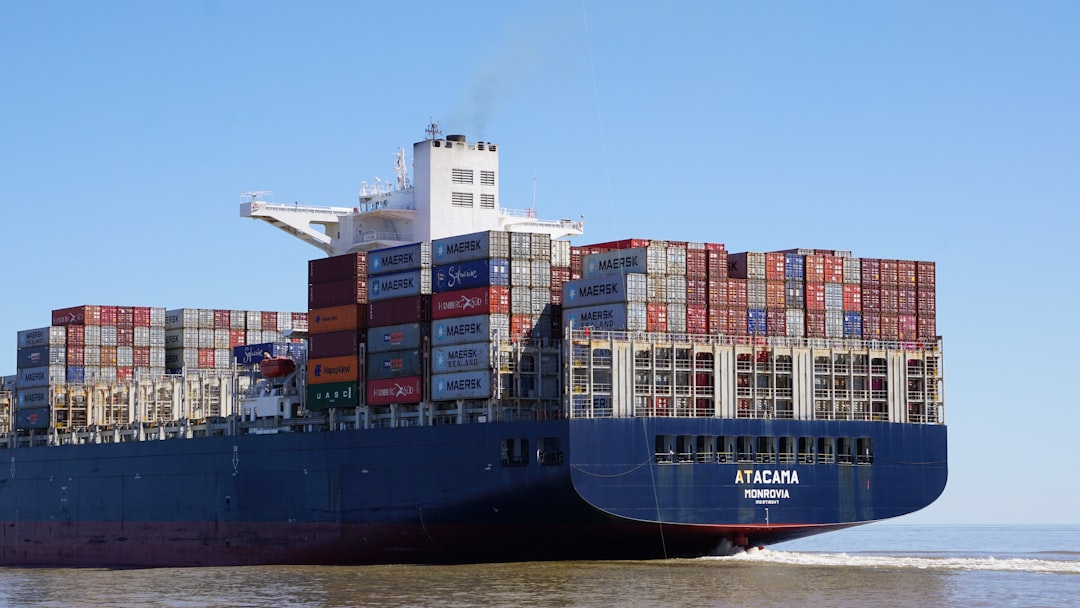
The Red Sea, a vital artery for global commerce, pulsates with an unsettling rhythm. The steady flow of ships, once a predictable murmur of engines and the distant cries of gulls, has been disrupted by increasingly audacious and coordinated attacks orchestrated by Houthi forces in Yemen. These assaults, primarily targeting commercial shipping, have sent shockwaves through the maritime industry, igniting a complex tapestry of reactions encompassing heightened security measures, rerouting strategies, escalating costs, and a pressing demand for international intervention. As the geopolitical currents shift and the stakes rise, the global shipping industry finds itself navigating a tempestuous new reality.
The Houthi campaign, which has intensified significantly in recent months, represents a dramatic escalation in their capacity and intent to disrupt maritime traffic. These attacks, often employing drones, anti-ship missiles, and even attempted boardings, are presented by the Houthis as a response to the ongoing conflict in Gaza and broader geopolitical grievances. The frequency and sophistication of these strikes have moved beyond localized incidents to become a persistent and palpable threat to vessels transiting the Bab el-Mandeb Strait, a narrow chokepoint crucial for trade between Europe and Asia, as well as connecting to the Suez Canal.
The Scope and Nature of Houthi Attacks
The methods employed by the Houthi rebels have evolved, moving from opportunistic strikes to more calculated and sustained offensives.
Drone and Missile Strikes
Unmanned aerial vehicles (UAVs) and ballistic missiles have become primary weapons in the Houthi arsenal. These projectiles, often launched from the Yemeni mainland, pose a significant threat due to their speed and destructive potential. While not all strikes are successful, the increasing frequency of near-misses and direct hits has forced shipping companies into a state of constant vigilance. The psychological impact of these attacks also cannot be understated, as crews face the harrowing reality of potential bombardment.
Attempts at Vessel Seizure and Boarding
Beyond projectile attacks, there have been documented instances of Houthi forces attempting to board vessels, or even successfully seizing ships. These actions serve a dual purpose: demonstrating capability and potentially holding vessels and their crews hostage for political leverage. Such incursions are a stark reminder of the human element of this crisis, placing seafarers in direct peril.
Targeting Criteria and Collateral Damage Concerns
While the Houthis claim to target vessels with perceived links to Israel or its allies, the reality on the ground has blurred these lines. The complex nature of global shipping means that many vessels operate under flags of convenience, employ international crews, and are chartered by entities with diverse affiliations. This ambiguity has led to concerns about the potential for unintended collateral damage, where purely commercial vessels, with no direct political ties, find themselves caught in the crossfire. The risk of such incidents further complicates efforts to de-escalate the situation.
Global Political Response and Military Deployments
The international community has largely condemned the Houthi actions, recognizing the profound implications for global trade and regional stability. Various nations have deployed naval assets to the region, aiming to deter attacks and protect shipping.
Formation of Maritime Task Forces and Coalitions
Several international coalitions have been formed to address the security vacuum in the Red Sea. These initiatives involve coordinated patrols, intelligence sharing, and the deployment of warships from various navies. The aim is to create a more robust defense against Houthi aggression and to reassure shipping companies of a degree of protection.
Diplomatic Efforts and Sanctions
Beyond military deployments, diplomatic channels are also being utilized. Efforts are underway to de-escalate tensions through dialogue, albeit with limited success thus far. The potential for targeted sanctions against individuals or entities involved in orchestrating the attacks has also been discussed, though the practical implementation and effectiveness of such measures remain subjects of debate.
The Role of Naval Power in a Contested Sea
The presence of international naval forces is intended to serve as a deterrent. However, the vastness of the Red Sea and the decentralized nature of Houthi operations present significant challenges for complete protection. The effectiveness of these deployments is a constant point of evaluation, as the attackers adapt their tactics.
The shipping industry has been increasingly concerned about the ongoing Houthi attacks in the Red Sea, which have raised significant security risks for maritime operations in the region. A related article that delves into the implications of these attacks on global shipping routes and the measures being taken by shipping companies can be found at this link: Shipping Industry Response to Houthi Attacks. This article provides valuable insights into how the industry is adapting to these challenges and the potential impact on international trade.
Rerouting and Its Economic Reverberations
The immediate and most visible reaction from the shipping industry has been the widespread rerouting of vessels away from the Red Sea and Suez Canal. This decision, driven by the unacceptable level of risk, has created a ripple effect of increased transit times, higher fuel consumption, and a consequential surge in shipping costs.
The Long and Winding Road: Detours Around Africa
The alternative route, necessitating a circumnavigation of the African continent via the Cape of Good Hope, has become the new normal for many voyages. This extended journey adds thousands of nautical miles to voyages, demanding significantly more fuel and time. What once took days through the Suez Canal now takes weeks, stretching supply chains to their breaking point.
Increased Transit Times and Operational Delays
The geographical detour translates directly into substantial delays. Vessels are now spending an additional 10 to 14 days, sometimes more, at sea. This has a cascading effect, delaying the arrival of goods at their destinations, impacting production schedules, and creating bottlenecks at ports. The predictability of global logistics, a cornerstone of modern trade, has been severely undermined.
Fuel Consumption and Environmental Considerations
The longer routes necessitate considerably more fuel consumption. This not only adds to the operational costs for shipping companies but also has environmental implications. Increased burning of bunker fuel contributes to higher carbon emissions, raising concerns about the industry’s sustainability goals amidst this forced detour.
The Price of Peril: Soaring Freight Rates and Insurance Premiums
The increased operational costs and perceived risk have inevitably translated into higher prices for consumers and businesses alike. The economic fallout of the Houthi attacks is being felt across the global marketplace.
Jump in Freight Rates
The scarcity of available shipping capacity, coupled with the extended transit times and increased operational expenses, has led to a dramatic increase in freight rates. Container shipping rates, which had seen some stabilization after the pandemic-induced surges, have once again begun to climb. This makes the movement of goods more expensive, from raw materials to finished products.
Escalation of War Risk Insurance Premiums
Shipping companies are also facing higher premiums for war risk insurance. Insurers, assessing the elevated threat landscape, are demanding more to cover potential losses due to attack or seizure. This added layer of cost further inflates the overall price of maritime transport.
Impact on Consumer Goods and Inflationary Pressures
The increased cost of shipping ultimately filters down to the consumer. The price of everyday goods, from electronics to clothing and even food items, is likely to see upward pressure. This exacerbates existing inflationary concerns and adds another layer of economic uncertainty.
Strain on Supply Chains and Inventory Management
The disruption at a critical maritime chokepoint like the Suez Canal has placed immense strain on already stretched global supply chains. Businesses are being forced to re-evaluate their inventory strategies and contingency plans to mitigate the impact of these unforeseen delays.
The Juggernaut of Just-In-Time Delivery Under Threat
Many modern supply chains are built on the principle of “just-in-time” inventory, aiming to minimize warehousing costs by having goods arrive precisely when needed. The rerouting and delays have exposed the fragility of this model, as the smooth flow of components and finished products has been interrupted.
Stockpiling and Buffer Inventories
In response to the extended lead times, some companies are opting to increase their buffer inventories, essentially stockpiling goods to ensure continuity of supply. This comes with its own set of costs, including warehousing expenses and the risk of obsolescence.
Diversification of Sourcing and Shipping Routes
The crisis is also accelerating efforts by companies to diversify their sourcing of raw materials and components, as well as explore alternative shipping routes. This strategic shift aims to reduce reliance on a single point of transit, thereby enhancing resilience.
The Domino Effect on Production Schedules
Delays in component deliveries can bring manufacturing lines to a standstill. The interconnected nature of global production means that a disruption in one part of the supply chain can have a domino effect, impacting businesses far removed from the initial incident.
Impact on Specific Industries and Sectors
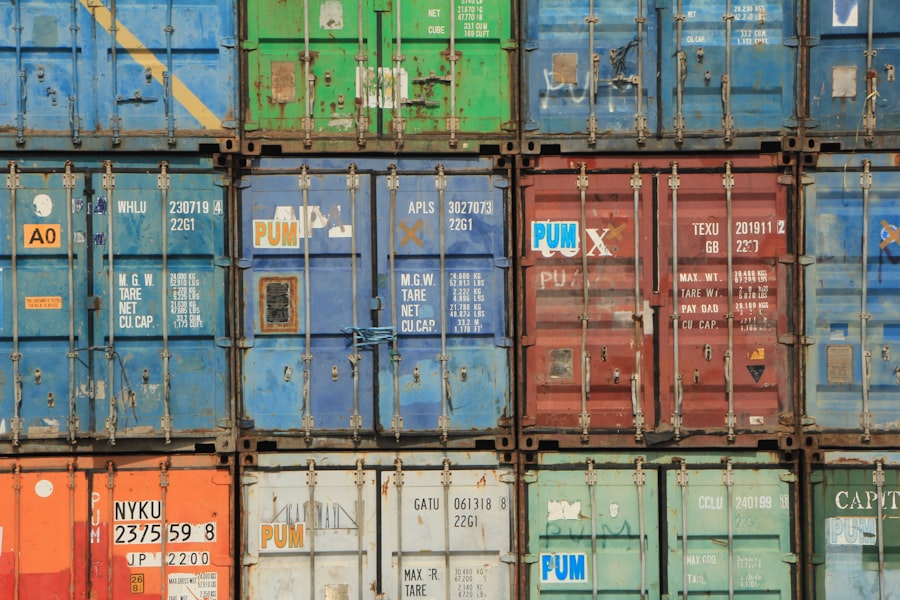
The repercussions of the Houthi attacks are not uniformly distributed. Certain industries, heavily reliant on time-sensitive deliveries and specific trade routes, are bearing a disproportionate brunt of the disruption.
Energy Sector Vulnerabilities
The Red Sea is a critical route for the transit of oil and Liquefied Natural Gas (LNG). While direct attacks on energy tankers have been less frequent than on container ships, the threat has forced energy companies to re-evaluate their shipping logistics.
Oil and Gas Tanker Routes
A significant volume of oil and gas transits through the Suez Canal. The rerouting around Africa adds days to journey times, potentially impacting global energy supply and pricing dynamics. The specter of attacks on these high-value targets remains a significant concern.
LNG Shipments and European Energy Security
Europe, in particular, relies on LNG shipments that often traverse the Red Sea. Disruptions to these shipments can have immediate implications for energy security, especially during periods of high demand. The need for diversified energy sources and resilient supply routes has been underscored by this crisis.
Automotive and Electronics Manufacturing
Industries such as automotive and electronics manufacturing are characterized by complex, multi-stage supply chains that depend on the timely delivery of a wide array of components from various parts of the world.
Just-In-Time Component Delivery
The automotive industry, in particular, has heavily invested in just-in-time manufacturing models. The delays in receiving engines, electronics, and other critical parts can halt production lines, leading to significant financial losses.
High-Value Electronics and Vulnerable Components
The global electronics industry, with its intricate network of component suppliers and assembly plants, is equally susceptible. The movement of sensitive and high-value electronic components, often air-freighted due to their urgency, can still be impacted by the broader disruptions to maritime schedules, even if not directly targeted.
The shipping industry has faced significant challenges in recent years, particularly in response to Houthi attacks in the Red Sea region. These incidents have prompted shipping companies to reassess their security protocols and routes to ensure the safety of their vessels and crews. For a deeper understanding of how the industry is adapting to these threats, you can read a related article that explores the evolving strategies and measures being implemented. This insightful piece can be found here.
The Future of Maritime Security and the Red Sea Route
| Metric | Data/Value | Details |
|---|---|---|
| Number of Attacks Reported (2023) | 15 | Incidents involving Houthi missile or drone strikes on commercial vessels |
| Average Insurance Premium Increase | 35% | Increase in war risk insurance premiums for vessels transiting the Red Sea and Bab el-Mandeb |
| Rerouting Percentage | 20% | Proportion of ships rerouted to avoid high-risk areas near Yemen |
| Security Measures Adopted | Enhanced | Use of armed guards, increased onboard security protocols, and convoy sailing |
| Average Delay per Voyage | 2-3 days | Delays caused by rerouting and security checks |
| Number of Shipping Companies Issuing Warnings | 12 | Companies advising caution or route changes due to Houthi threats |
| International Naval Patrols | Increased | More frequent multinational naval escorts in the Red Sea region |
The sustained Houthi attacks have ignited a fervent debate about the long-term future of maritime security in the Red Sea and the viability of the Suez Canal route. The industry is grappling with the possibility that this may not be a fleeting crisis, but a new and enduring geopolitical reality.
Rethinking Global Shipping Lanes and Infrastructure
The current crisis is prompting a fundamental re-evaluation of global shipping infrastructure and the inherent risks associated with relying on narrow, politically sensitive chokepoints.
Investment in Alternative Infrastructure
There is a growing discussion about the need for increased investment in alternative shipping infrastructure, potentially including land-based transport links or additional canal projects, although these are long-term and capital-intensive endeavors.
The Suez Canal’s Enduring Importance vs. Growing Risks
Despite the current challenges, the Suez Canal’s strategic importance as the shortest maritime route between Europe and Asia cannot be overstated. The question remains whether the perceived risks will outweigh its inherent efficiencies in the long run, or if robust security measures can restore confidence.
The Evolving Role of Maritime Security and International Cooperation
The Houthi attacks have underscored the critical need for enhanced international cooperation and robust maritime security protocols. The challenges presented by non-state actors with asymmetric warfare capabilities are a stark lesson for global navies.
Enhancing Naval Presence and Intelligence Sharing
A continued, and perhaps expanded, naval presence in the region, coupled with improved intelligence sharing capabilities, will be crucial for deterring future attacks and responding effectively to ongoing threats.
The Importance of Diplomacy and De-escalation
While military solutions are a part of the response, sustained diplomatic efforts aimed at de-escalating the underlying geopolitical tensions are paramount for achieving a lasting resolution. The economic and human costs of this conflict are too high to ignore.
Innovation in Maritime Security Technology
The industry also needs to explore and adopt innovative technologies in maritime security, including advanced detection systems, defensive countermeasures, and potentially even autonomous security vessels, to adapt to the evolving threat landscape.
In conclusion, the Houthi attacks on shipping in the Red Sea have unmoored the global maritime industry, forcing it to navigate treacherous waters. The immediate consequences are felt in rerouted ships, soaring costs, and strained supply chains. Yet, beyond the immediate turbulence, this crisis serves as a potent reminder of the interconnectedness of the global economy and the inherent vulnerabilities within our intricate trade networks. The industry, and indeed the world, watches with bated breath as the geopolitical currents continue to churn, seeking a path towards greater stability and resilience in the vital arteries of global commerce.
FAQs
What are Houthi attacks in the context of the shipping industry?
Houthi attacks refer to hostile actions carried out by the Houthi movement, primarily targeting commercial vessels and maritime infrastructure in strategic waterways such as the Red Sea and the Bab el-Mandeb Strait. These attacks often involve missile strikes, drone assaults, or naval mines aimed at disrupting shipping routes.
How has the shipping industry responded to Houthi attacks?
The shipping industry has responded by enhancing security measures, rerouting vessels to avoid high-risk areas, increasing the use of armed guards on ships, and collaborating with international naval forces to ensure safe passage. Shipping companies also update risk assessments and insurance policies to mitigate potential losses.
What impact do Houthi attacks have on global shipping routes?
Houthi attacks can cause significant disruptions to global shipping routes, particularly those passing through the Red Sea and the Bab el-Mandeb Strait, which are critical chokepoints for international trade. These disruptions can lead to delays, increased shipping costs, and heightened security concerns.
Are there international efforts to counter Houthi attacks on shipping?
Yes, international coalitions, including naval patrols by countries such as the United States, Saudi Arabia, and European nations, work to secure maritime routes and deter attacks. Additionally, organizations like the International Maritime Organization (IMO) provide guidelines and support for maritime security in affected regions.
What precautions should shipping companies take when operating in areas affected by Houthi attacks?
Shipping companies should conduct thorough risk assessments, follow updated maritime security advisories, implement onboard security protocols, consider alternative routes when feasible, and maintain communication with naval forces and maritime security organizations to ensure the safety of their vessels and crews.