
The Three Gorges Dam, an engineering marvel located on the Yangtze River in Hubei province, China, stands as the largest hydroelectric power station in the world. Completed in 2012, this colossal structure stretches over 2,335 meters in length and reaches a height of 185 meters. It was designed not only to generate electricity but also to control flooding, improve river navigation, and promote economic development in the region.
The dam’s reservoir extends for approximately 600 kilometers upstream, creating a significant body of water that has transformed the landscape and the lives of millions of people. Despite its impressive capabilities and contributions to energy production, the Three Gorges Dam has been a focal point of controversy and concern, particularly regarding its seismic stability. The dam’s construction involved the displacement of over a million residents and submerged numerous towns and archaeological sites.
As the dam continues to operate, questions surrounding its safety in the event of seismic activity have become increasingly pertinent. The interplay between human engineering and natural forces raises critical issues about the long-term viability of such massive infrastructure projects.
Key Takeaways
- The Three Gorges Dam has a complex history of seismic concerns due to its location in an earthquake-prone region.
- Extensive monitoring and mitigation efforts are in place to manage potential seismic risks and ensure structural safety.
- Public safety measures, including evacuation plans, have been developed to protect nearby populations in case of an earthquake.
- International experts provide varied opinions on the dam’s seismic vulnerability, influencing government response and policy.
- The dam’s environmental and economic impacts are significant, with ongoing contingency planning to address future seismic events.
History of Seismic Concerns
The history of seismic concerns related to the Three Gorges Dam dates back to its inception. The region surrounding the Yangtze River is known for its geological instability, with several fault lines running through it. Experts have long warned that the dam’s immense weight and the vast reservoir it creates could potentially trigger seismic events or exacerbate existing geological vulnerabilities.
In fact, studies conducted prior to the dam’s construction indicated that the area had experienced earthquakes in the past, raising alarms about the potential risks associated with such a large-scale project. As the dam began operations, reports of minor seismic activity in the vicinity became more frequent. Researchers noted that fluctuations in water levels within the reservoir could influence local tectonic movements.
This phenomenon, known as reservoir-induced seismicity, has been documented in various locations worldwide, leading to heightened scrutiny of the Three Gorges Dam. The combination of geological factors and human intervention has created a complex scenario that demands ongoing monitoring and assessment to ensure the safety of both the dam and the surrounding communities.
Potential Impact of Seismic Activity
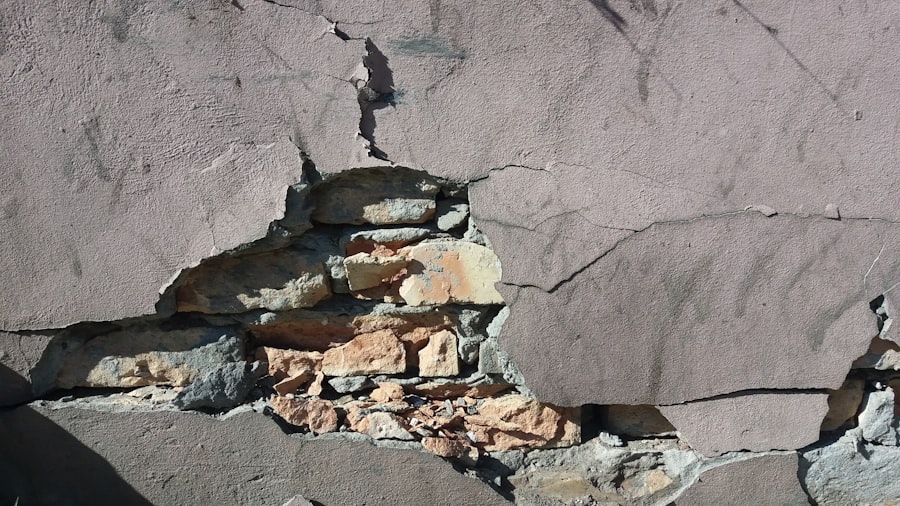
The potential impact of seismic activity on the Three Gorges Dam is a matter of significant concern for engineers, geologists, and local residents alike. A major earthquake could pose catastrophic risks not only to the dam itself but also to the millions of people living downstream. If structural integrity were compromised, the consequences could be dire, including massive flooding that could inundate cities and agricultural lands, leading to loss of life and economic devastation.
Moreover, the dam’s role in regulating water flow and preventing flooding becomes even more critical in the context of seismic activity. An earthquake could disrupt the dam’s operations, impairing its ability to manage water levels effectively. This scenario raises questions about emergency preparedness and response strategies, as communities must be equipped to handle potential disasters stemming from both natural and man-made sources.
The implications extend beyond immediate safety concerns; they encompass long-term environmental and economic challenges that could reshape the region for generations.
Monitoring and Mitigation Efforts
| Metric | Description | Current Value | Target Value | Last Updated |
|---|---|---|---|---|
| Air Quality Index (AQI) | Measures the level of air pollution | 45 (Good) | Below 50 | 2024-06-01 |
| Water Contamination Level (ppm) | Concentration of contaminants in water | 3.2 | Less than 5 | 2024-05-28 |
| Noise Pollution (dB) | Average noise level in monitored area | 62 | Below 65 | 2024-06-02 |
| Emission Reduction (%) | Percentage reduction in harmful emissions | 18% | 25% | 2024-05-30 |
| Mitigation Actions Implemented | Number of mitigation strategies applied | 12 | 15 | 2024-06-01 |
| Incident Response Time (hours) | Average time to respond to environmental incidents | 3.5 | Under 4 | 2024-06-01 |
In response to these seismic concerns, extensive monitoring and mitigation efforts have been implemented at the Three Gorges Dam. The Chinese government has invested heavily in advanced technology to track seismic activity in real-time. This includes a network of seismographs strategically placed around the dam and throughout the surrounding region.
These instruments provide crucial data that can help predict potential earthquakes and assess their impact on the dam’s structural integrity. Additionally, engineers have developed various mitigation strategies aimed at enhancing the dam’s resilience against seismic events. These measures include reinforcing critical components of the structure and conducting regular inspections to identify any signs of wear or damage.
The integration of modern engineering practices with traditional construction techniques has created a robust framework designed to withstand potential seismic shocks. Continuous research into innovative materials and designs further bolsters these efforts, ensuring that the dam remains a safe and reliable source of energy for years to come.
Public Safety and Evacuation Plans
Public safety is paramount when considering the potential risks associated with the Three Gorges Dam. Authorities have established comprehensive evacuation plans for communities living downstream in case of an emergency. These plans involve regular drills and simulations to prepare residents for various scenarios, including dam failure or significant seismic events.
Local governments work closely with emergency services to ensure that evacuation routes are clear and accessible, minimizing response times during crises. Moreover, public awareness campaigns play a crucial role in educating residents about potential risks and safety protocols. Information dissemination through community meetings, pamphlets, and digital platforms helps foster a culture of preparedness among those living near the dam.
International Expert Opinions
International experts have weighed in on the seismic risks associated with the Three Gorges Dam, offering diverse perspectives on its safety and sustainability. Some geologists argue that while the dam is an engineering feat, it is situated in a seismically active region that cannot be ignored. They emphasize that even with advanced monitoring systems in place, there remains an inherent risk due to unpredictable geological forces.
These experts advocate for ongoing research into alternative energy sources that may pose fewer risks to human populations. Conversely, other experts highlight the extensive measures taken by Chinese authorities to ensure the dam’s safety. They point out that many large dams worldwide face similar challenges related to seismic activity but have successfully operated for decades without catastrophic failures.
These professionals argue that with continued investment in monitoring technology and infrastructure improvements, the Three Gorges Dam can remain a vital asset for China’s energy needs while minimizing risks associated with seismic events.
Government Response and Action
The Chinese government has taken proactive steps in response to concerns about seismic activity at the Three Gorges Dam. Following initial reports of minor earthquakes in the area, officials convened expert panels to assess risks and develop comprehensive action plans. These plans include increased funding for research into seismic activity and enhanced training for personnel responsible for monitoring dam safety.
Additionally, government agencies have prioritized transparency by sharing data on seismic activity with the public. This openness fosters trust among residents who may feel anxious about living near such a massive structure. By engaging with local communities and addressing their concerns directly, authorities aim to create a collaborative environment where citizens feel empowered to participate in discussions about safety measures and emergency preparedness.
Environmental Implications
The environmental implications of the Three Gorges Dam extend beyond its immediate vicinity. While it has significantly contributed to reducing carbon emissions by providing a renewable energy source, it has also altered ecosystems along the Yangtze River. The creation of a vast reservoir has submerged forests, wildlife habitats, and agricultural land, leading to biodiversity loss and changes in local ecosystems.
Sediment buildup can affect water quality and aquatic life downstream, posing challenges for fisheries and local communities reliant on these resources. Balancing energy production with environmental stewardship remains a critical challenge for authorities as they navigate the complexities of managing such a large-scale infrastructure project.
Economic Consequences
The economic consequences of the Three Gorges Dam are multifaceted, impacting both local communities and national interests. On one hand, the dam has generated substantial amounts of electricity, contributing significantly to China’s energy grid and supporting industrial growth. This influx of energy has facilitated economic development in surrounding regions, creating jobs and improving living standards for many residents.
On the other hand, the displacement of over a million people during construction has led to social upheaval and economic challenges for those affected. Many individuals lost their homes and livelihoods as towns were submerged beneath the reservoir. While compensation programs were established, critics argue that they fell short of addressing long-term economic impacts on displaced communities.
The ongoing debate surrounding these economic consequences underscores the need for comprehensive planning that considers both immediate benefits and long-term sustainability.
Comparison with Other Dams
When comparing the Three Gorges Dam with other large dams around the world, several similarities and differences emerge regarding seismic concerns and management practices. For instance, dams like Brazil’s Itaipu Dam or India’s Bhakra Nangal Dam also face challenges related to geological stability but have implemented rigorous monitoring systems tailored to their specific environments. However, what sets the Three Gorges Dam apart is its sheer scale and complexity.
The combination of its size, location in a seismically active region, and significant social implications creates a unique set of challenges not found in many other dam projects globally. This comparison highlights not only engineering achievements but also underscores the importance of learning from past experiences to inform future infrastructure developments.
Future Outlook and Contingency Planning
Looking ahead, contingency planning will be crucial for ensuring the long-term safety and sustainability of the Three Gorges Dam. As climate change continues to influence weather patterns and geological stability worldwide, authorities must remain vigilant in assessing potential risks associated with both natural disasters and human activities. Investments in research will play a pivotal role in shaping future strategies for managing seismic risks at large dams like Three Gorges.
Collaborative efforts between government agencies, academic institutions, and international experts can foster innovation in monitoring technologies and risk assessment methodologies. By prioritizing proactive measures over reactive responses, stakeholders can work together to safeguard not only this monumental structure but also the communities that depend on it for their livelihoods. In conclusion, while the Three Gorges Dam represents an extraordinary achievement in engineering and renewable energy production, it also embodies complex challenges related to seismic activity, environmental impact, economic consequences, and public safety.
As stakeholders navigate these multifaceted issues, ongoing dialogue among experts, government officials, and local communities will be essential for ensuring a balanced approach that prioritizes both human safety and environmental sustainability in this critical region of China.
Concerns regarding the seismicity of the Three Gorges Dam have been a topic of significant discussion among researchers and environmentalists. A related article that delves into the geological implications and potential risks associated with the dam can be found on MyGeoQuest. For more detailed insights, you can read the article here: MyGeoQuest.
WATCH THIS! The $30 Billion Lie: Why China’s Three Gorges Dam Will Fail Sooner Than You Think
FAQs
What is the Three Gorges Dam?
The Three Gorges Dam is a hydroelectric gravity dam located on the Yangtze River in Hubei Province, China. It is the world’s largest power station in terms of installed capacity and was completed in 2012.
Why are there seismicity concerns related to the Three Gorges Dam?
Seismicity concerns arise because the massive weight of the dam and the reservoir water can potentially induce seismic activity, known as reservoir-induced seismicity (RIS). The filling and operation of the reservoir may alter stress conditions in the Earth’s crust, potentially triggering earthquakes.
Has the Three Gorges Dam caused earthquakes?
There have been reports of increased seismic activity in the region since the reservoir began filling. However, most of these earthquakes have been minor. Scientific studies continue to monitor and assess whether these events are directly linked to the dam’s presence.
What measures are in place to monitor seismic activity at the Three Gorges Dam?
China has established a comprehensive seismic monitoring network around the Three Gorges Dam area. This includes seismographs and other geotechnical instruments to detect and analyze seismic events in real time, ensuring the dam’s structural safety.
Is the Three Gorges Dam structurally safe despite seismic concerns?
The dam was designed and constructed with seismic safety in mind, adhering to strict engineering standards. Continuous monitoring and maintenance help ensure its stability and safety against potential seismic risks.
What is reservoir-induced seismicity (RIS)?
Reservoir-induced seismicity refers to earthquakes that occur as a result of changes in stress and pore pressure in the Earth’s crust caused by the filling and operation of large reservoirs behind dams.
Can reservoir-induced seismicity cause large, damaging earthquakes?
While RIS typically results in small to moderate earthquakes, there is a possibility, though rare, of larger seismic events. Therefore, careful assessment and monitoring are essential for large dams like the Three Gorges Dam.
How does the Three Gorges Dam impact the local environment besides seismicity?
Besides seismic concerns, the dam has significant environmental impacts, including changes to river ecosystems, sediment transport, and displacement of local populations. These factors are also subjects of ongoing study and management.
Are there international guidelines for managing seismic risks in large dam projects?
Yes, international organizations such as the International Commission on Large Dams (ICOLD) provide guidelines and best practices for assessing and managing seismic risks in dam design, construction, and operation.
Where can I find more information about the seismicity concerns of the Three Gorges Dam?
More information can be found through scientific publications, government reports from Chinese authorities, and international research institutions studying reservoir-induced seismicity and dam safety.