The Three Gorges Dam, an engineering marvel located on the Yangtze River in Hubei province, China, stands as the largest hydroelectric power station in the world. Completed in 2012, this colossal structure stretches over 2,335 meters in length and reaches a height of 185 meters. The dam was constructed with the dual purpose of generating electricity and controlling flooding, a significant concern for the densely populated regions along the river.
The project has been a focal point of both national pride and international scrutiny, symbolizing China’s rapid industrialization and its ambitious infrastructure projects. The dam’s reservoir extends approximately 600 kilometers upstream, creating a vast body of water that has transformed the landscape and the lives of millions. With a capacity of 22,500 megawatts, the Three Gorges Dam generates a substantial portion of China’s electricity, contributing to the country’s energy security.
However, this monumental project is not without its challenges and controversies, particularly regarding environmental impacts and sediment management. As the dam continues to operate, understanding its significance and the issues it faces becomes increasingly crucial.
Key Takeaways
- The Three Gorges Dam is a critical infrastructure project with significant importance for energy and flood control.
- Sediment buildup poses a major challenge, affecting the dam’s efficiency and structural integrity.
- Managing sediment accumulation involves complex environmental and economic considerations.
- Potential solutions require advanced technology and international cooperation to ensure sustainability.
- The dam’s long-term viability depends on effective sediment management and ongoing global collaboration.
Importance of the Three Gorges Dam
The Three Gorges Dam plays a pivotal role in China’s energy landscape, providing a renewable source of electricity that helps to reduce reliance on fossil fuels. By harnessing the power of the Yangtze River, the dam generates clean energy that supports economic growth and development across the nation. This renewable energy source is particularly vital in a country grappling with severe air pollution and climate change challenges.
The dam’s contribution to reducing greenhouse gas emissions cannot be overstated, as it displaces millions of tons of carbon dioxide that would otherwise be released by coal-fired power plants. In addition to its energy production capabilities, the dam serves as a critical flood control mechanism.
By regulating water flow and storing excess water during heavy rainfall, the Three Gorges Dam mitigates the risk of catastrophic flooding downstream. This protective function is especially important for densely populated cities like Wuhan and Nanjing, where millions reside in close proximity to the riverbanks. The dam’s ability to manage water levels has undoubtedly saved countless lives and safeguarded vital infrastructure.
The Issue of Sediment Buildup
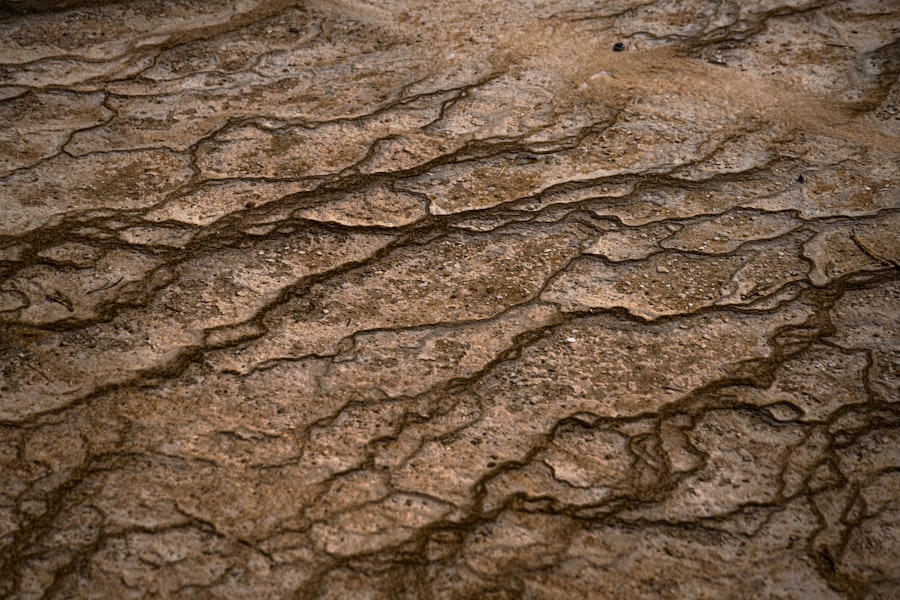
Despite its many benefits, the Three Gorges Dam faces a significant challenge: sediment buildup. The Yangtze River carries a substantial amount of sediment from upstream sources, including soil erosion and runoff from agricultural activities. As water flows into the reservoir created by the dam, this sediment settles at the bottom, gradually reducing the reservoir’s capacity over time.
This phenomenon poses a serious threat to the dam’s operational efficiency and long-term viability. Sediment buildup is not merely an engineering concern; it also has ecological implications. The accumulation of sediment can alter water quality and disrupt aquatic ecosystems within the reservoir.
As sediment levels rise, they can affect fish populations and other wildlife that depend on a balanced aquatic environment. Understanding the dynamics of sediment transport and deposition is essential for managing the health of both the dam and the surrounding ecosystem.
Impact of Sediment Buildup on the Dam
| Metric | Value | Unit | Impact Description |
|---|---|---|---|
| Annual Sediment Accumulation | 1.2 | Million Cubic Meters | Volume of sediment deposited in the reservoir each year |
| Reservoir Capacity Loss | 15 | Percent | Reduction in water storage capacity due to sediment buildup |
| Hydropower Generation Reduction | 8 | Percent | Decrease in electricity output caused by reduced water flow |
| Dam Structural Stress Increase | 12 | Percent | Additional stress on dam structure from sediment pressure |
| Flood Risk Increase | 20 | Percent | Higher likelihood of flooding due to reduced reservoir capacity |
| Maintenance Costs Increase | 25 | Percent | Additional expenses for sediment removal and dam upkeep |
The impact of sediment buildup on the Three Gorges Dam is multifaceted. One of the most immediate concerns is the reduction in reservoir capacity. As sediment accumulates, it occupies space that would otherwise be used for water storage.
This reduction in capacity can hinder the dam’s ability to manage floodwaters effectively, potentially leading to increased flood risks downstream during periods of heavy rainfall. Furthermore, diminished storage capacity can limit electricity generation during peak demand periods when water levels are critical. In addition to operational challenges, sediment buildup can also affect the structural integrity of the dam itself.
The weight of accumulated sediment can exert pressure on the dam’s foundation, potentially leading to structural issues over time. Engineers must continuously monitor sediment levels and assess their impact on the dam’s overall stability. Failure to address these concerns could result in costly repairs or even catastrophic failure, underscoring the importance of effective sediment management strategies.
Challenges in Managing Sediment Buildup
Managing sediment buildup at the Three Gorges Dam presents numerous challenges for engineers and environmental scientists alike. One significant hurdle is accurately predicting sediment transport patterns within the river system. The complex interplay between water flow, sediment load, and seasonal variations makes it difficult to develop effective management strategies.
Additionally, changes in land use upstream—such as deforestation or urbanization—can further complicate sediment dynamics. Another challenge lies in balancing sediment management with ecological preservation. While dredging and other mechanical methods can remove sediment from the reservoir, these actions may disrupt local ecosystems and harm aquatic life.
Striking a balance between maintaining operational efficiency and protecting biodiversity requires careful planning and consideration of various environmental factors. As such, developing innovative solutions that address both sediment buildup and ecological health remains a pressing concern for stakeholders involved in managing the dam.
Environmental Concerns
The environmental implications of the Three Gorges Dam extend beyond sediment buildup. The construction of such a massive structure has led to significant alterations in local ecosystems and habitats. The flooding caused by the dam’s reservoir submerged vast areas of land, displacing wildlife and disrupting natural habitats.
Species that once thrived along the riverbanks have faced challenges adapting to their new environments or have been driven to extinction. Moreover, changes in water temperature and flow patterns resulting from the dam’s operation can have cascading effects on aquatic ecosystems. Fish populations may decline due to altered spawning grounds or changes in food availability.
Additionally, water quality issues arising from sediment accumulation can further threaten biodiversity within the reservoir. Addressing these environmental concerns requires ongoing research and monitoring to ensure that conservation efforts are integrated into dam management practices.
Economic Implications
The economic implications of sediment buildup at the Three Gorges Dam are significant and multifaceted. On one hand, reduced reservoir capacity can lead to decreased electricity generation during peak demand periods, potentially resulting in higher energy prices for consumers and businesses alike. This economic strain can ripple through various sectors, affecting everything from manufacturing to agriculture.
On the other hand, addressing sediment buildup through dredging or other management techniques incurs substantial costs. These expenses must be weighed against potential losses in energy production and flood control capabilities. As such, policymakers must carefully consider how best to allocate resources for sediment management while ensuring that economic growth remains sustainable in light of environmental challenges.
Potential Solutions to Address Sediment Buildup
To effectively address sediment buildup at the Three Gorges Dam, a combination of innovative solutions is necessary. One potential approach involves enhancing upstream land management practices to reduce soil erosion and sediment runoff into the river system. Implementing sustainable agricultural practices, reforestation initiatives, and erosion control measures can significantly decrease sediment loads entering the reservoir.
Additionally, technological advancements in sediment monitoring and management can play a crucial role in mitigating buildup issues. Utilizing remote sensing technologies and advanced modeling techniques can help engineers better predict sediment transport patterns and optimize reservoir operations accordingly. Furthermore, exploring alternative methods for sediment removal—such as controlled flushing or selective dredging—can minimize ecological disruption while maintaining operational efficiency.
International Collaboration and Expertise
Addressing the challenges posed by sediment buildup at the Three Gorges Dam requires collaboration among experts from various fields and countries. International partnerships can facilitate knowledge sharing and provide access to best practices in sediment management from around the world. Countries with similar experiences in managing large dams can offer valuable insights into effective strategies for addressing sedimentation issues.
Moreover, engaging with environmental organizations and research institutions can enhance understanding of ecological impacts associated with sediment buildup. Collaborative research initiatives can lead to innovative solutions that balance operational needs with environmental preservation.
Long-Term Viability of the Three Gorges Dam
The long-term viability of the Three Gorges Dam hinges on effective management strategies that address both operational challenges and environmental concerns. As sediment buildup continues to pose risks to reservoir capacity and ecological health, proactive measures must be implemented to ensure that the dam remains functional for years to come. This includes ongoing monitoring of sediment levels, investment in research and technology, and collaboration with international experts.
Furthermore, public awareness and community engagement are essential components of long-term sustainability efforts. Educating local populations about the importance of responsible land use practices can help mitigate upstream erosion and reduce sediment loads entering the river system. By fostering a sense of stewardship among communities along the Yangtze River, stakeholders can work together to protect this vital resource for future generations.
Conclusion and Future Outlook
In conclusion, while the Three Gorges Dam stands as a testament to human ingenuity and engineering prowess, it faces significant challenges related to sediment buildup that must be addressed for its continued success. The importance of this monumental structure cannot be overstated; it plays a crucial role in energy production and flood control while also impacting local ecosystems and economies. Looking ahead, proactive measures that incorporate innovative solutions, international collaboration, and community engagement will be essential for ensuring the long-term viability of the Three Gorges Dam.
By addressing sediment buildup effectively while balancing ecological health with operational needs, stakeholders can secure a sustainable future for this iconic infrastructure project—one that continues to benefit both China and its people for generations to come.
The sediment accumulation in the Three Gorges Dam has raised significant environmental concerns, impacting both the dam’s efficiency and the surrounding ecosystem. For a deeper understanding of the implications of sediment management in large-scale hydropower projects, you can refer to a related article on this topic at My Geo Quest. This article explores the challenges faced by the Three Gorges Dam and offers insights into potential solutions for sediment control.
WATCH THIS! The $30 Billion Lie: Why China’s Three Gorges Dam Will Fail Sooner Than You Think
FAQs
What is the sediment problem associated with the Three Gorges Dam?
The sediment problem refers to the accumulation and deposition of silt and sediment behind the Three Gorges Dam, which can reduce the reservoir’s storage capacity and affect the dam’s operational efficiency.
Why does sediment accumulate in the Three Gorges Dam reservoir?
Sediment accumulates because the Yangtze River carries a large amount of silt and soil particles downstream. When the river water slows down upon entering the reservoir, these particles settle and deposit on the reservoir bed.
How does sediment buildup affect the dam’s performance?
Sediment buildup can decrease the reservoir’s water storage capacity, reduce hydroelectric power generation efficiency, increase the risk of flooding, and cause wear and tear on dam infrastructure.
What measures are taken to manage sediment in the Three Gorges Dam?
Management strategies include sediment flushing through bottom outlets, dredging, sediment bypass systems, and watershed management upstream to reduce soil erosion.
Is sedimentation a common issue for large dams worldwide?
Yes, sedimentation is a common challenge for many large dams globally, as rivers naturally carry sediment that tends to accumulate in reservoirs over time.
What are the environmental impacts of sediment accumulation behind the dam?
Sediment accumulation can alter aquatic habitats, affect water quality, and disrupt the natural sediment flow downstream, which can impact river ecosystems and delta regions.
How long is the Three Gorges Dam expected to operate effectively despite sedimentation?
While sedimentation reduces reservoir capacity over time, ongoing management efforts aim to maintain the dam’s functionality for several decades, though exact timelines depend on sedimentation rates and mitigation success.
Can sedimentation lead to safety concerns for the Three Gorges Dam?
Excessive sediment buildup can increase pressure on dam structures and reduce flood control capacity, potentially raising safety concerns if not properly managed.