
Maritime infrastructure serves as the backbone of global trade and economic development. It encompasses a wide array of facilities and systems, including ports, harbors, shipping lanes, and offshore platforms. These elements are crucial for the transportation of goods and resources across the world’s oceans, facilitating international commerce and ensuring that economies remain interconnected.
The efficiency and reliability of maritime infrastructure directly impact supply chains, influencing everything from the price of consumer goods to the availability of essential resources. As such, understanding its importance is vital for policymakers, businesses, and security agencies alike. Moreover, maritime infrastructure is not only significant for economic reasons but also plays a critical role in national security.
Many nations rely on their maritime capabilities to protect their interests and maintain sovereignty over territorial waters. The ability to secure shipping routes and ports is essential for safeguarding trade against potential threats, including piracy, terrorism, and geopolitical tensions. As global trade continues to expand, the need for robust maritime infrastructure becomes increasingly apparent, highlighting the necessity for investment and innovation in this sector.
Key Takeaways
- Maritime infrastructure is crucial for global trade and transportation, making it essential to understand its importance for economic and national security.
- Identifying vulnerabilities in maritime infrastructure is necessary to address potential security threats and prevent potential attacks or disruptions.
- Implementing security measures for ports and harbors is essential to safeguard against unauthorized access, smuggling, and terrorist activities.
- Protecting offshore oil and gas platforms is critical to prevent sabotage, theft, and environmental disasters that could result from security breaches.
- Securing shipping lanes and routes is vital to ensure the safe and efficient movement of goods while deterring piracy and other criminal activities.
Identifying Vulnerabilities in Maritime Infrastructure
Despite its importance, maritime infrastructure is not without vulnerabilities. Ports and shipping lanes are often exposed to various risks, including natural disasters, human error, and malicious attacks. For instance, many ports are located in coastal areas that are susceptible to hurricanes, flooding, and rising sea levels due to climate change.
Additionally, the physical security of ports can be compromised by inadequate surveillance and access control measures, making them potential targets for criminal activities. Human factors also contribute to vulnerabilities within maritime infrastructure.
The reliance on outdated technology and insufficient training can lead to operational inefficiencies and increased risks. Furthermore, the complexity of global supply chains means that disruptions in one area can have cascading effects throughout the entire system. Identifying these vulnerabilities is crucial for developing effective strategies to enhance security and resilience in maritime operations.
Implementing Security Measures for Ports and Harbors

To address the vulnerabilities identified in maritime infrastructure, it is essential to implement comprehensive security measures for ports and harbors. This includes enhancing physical security through improved surveillance systems, access control protocols, and regular security assessments. By investing in advanced technologies such as biometric identification systems and automated monitoring solutions, port authorities can better manage access to sensitive areas and detect potential threats before they escalate.
In addition to physical security enhancements, fostering a culture of security awareness among personnel is equally important. Training staff on emergency response procedures and threat recognition can significantly improve a port’s overall security posture. Regular drills and simulations can help ensure that employees are prepared to respond effectively to various scenarios, from natural disasters to security breaches.
By combining technological advancements with human factors, ports can create a more secure environment that protects both assets and personnel.
Protecting Offshore Oil and Gas Platforms
| Metrics | Data |
|---|---|
| Number of offshore oil and gas platforms | Approximately 5,000 globally |
| Investment in platform protection | Billions of dollars annually |
| Types of protection measures | Physical barriers, surveillance systems, security personnel |
| Environmental impact mitigation | Use of advanced technology to prevent oil spills and minimize environmental damage |
Offshore oil and gas platforms represent another critical component of maritime infrastructure that requires robust security measures. These installations are often located in remote areas, making them vulnerable to both environmental threats and intentional attacks. The potential consequences of a successful attack on an offshore platform can be catastrophic, leading to environmental disasters, loss of life, and significant economic repercussions.
To safeguard these vital assets, operators must implement a multi-layered security approach that includes physical barriers, surveillance systems, and emergency response plans. Regular inspections and maintenance of equipment are essential to ensure that platforms remain operational and secure against potential threats. Additionally, collaboration with local authorities and maritime security agencies can enhance situational awareness and facilitate rapid response in the event of an incident.
Securing Shipping Lanes and Routes
Securing shipping lanes and routes is paramount for maintaining the integrity of global trade. These corridors are often subject to various threats, including piracy, smuggling, and geopolitical tensions. The challenge lies in balancing the need for security with the free flow of commerce.
Overly stringent measures can lead to delays and increased costs for shipping companies, while lax security can expose vessels to significant risks. To effectively secure shipping lanes, nations must collaborate on intelligence sharing and joint maritime patrols. International agreements such as the United Nations Convention on the Law of the Sea provide a framework for cooperation among nations in addressing maritime security challenges.
Additionally, employing advanced technologies such as satellite tracking systems can enhance situational awareness for vessels operating in high-risk areas. By fostering collaboration and leveraging technology, countries can work together to create safer shipping routes that protect both commerce and national interests.
Utilizing Technology for Maritime Security
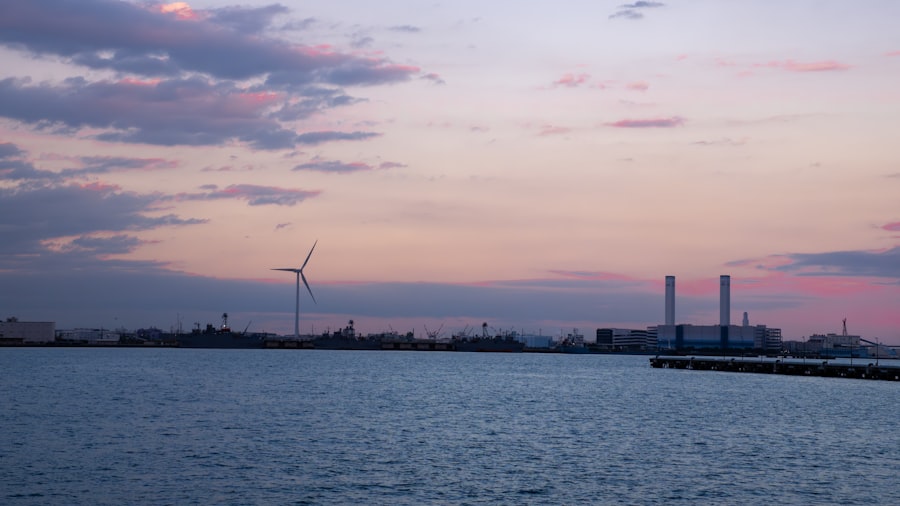
The integration of technology into maritime security strategies has revolutionized how threats are detected and managed. Advanced surveillance systems, including drones and satellite imagery, provide real-time monitoring of maritime activities, allowing authorities to respond swiftly to potential incidents. Furthermore, data analytics can be employed to identify patterns in shipping traffic, enabling proactive measures against emerging threats.
Cybersecurity is another critical aspect of utilizing technology for maritime security. As vessels become increasingly reliant on digital systems for navigation and communication, they also become more vulnerable to cyberattacks. Implementing robust cybersecurity protocols is essential for protecting sensitive information and ensuring the safe operation of maritime assets.
By investing in cutting-edge technologies and prioritizing cybersecurity measures, stakeholders can significantly enhance the resilience of maritime infrastructure against evolving threats.
Collaborating with International Partners for Maritime Security
Given the global nature of maritime operations, collaboration with international partners is essential for effective maritime security. Many threats transcend national borders, necessitating a coordinated response from multiple countries. Joint exercises and training programs can foster cooperation among naval forces and enhance interoperability in responding to maritime incidents.
International organizations such as the International Maritime Organization (IMO) play a crucial role in facilitating collaboration among member states. By establishing guidelines and best practices for maritime security, these organizations help create a unified approach to addressing common challenges. Additionally, regional partnerships can strengthen collective security efforts by sharing resources and intelligence among neighboring countries.
Through collaboration, nations can build a more secure maritime environment that benefits all stakeholders involved.
Training and Preparedness for Maritime Security Incidents
Training and preparedness are fundamental components of an effective maritime security strategy. Regular drills and exercises help ensure that personnel are familiar with emergency response protocols and can act decisively in the event of an incident. These training programs should encompass a wide range of scenarios, from natural disasters to terrorist attacks, allowing staff to develop the skills necessary to respond effectively under pressure.
Moreover, fostering a culture of preparedness within organizations is essential for enhancing overall resilience. Encouraging open communication about potential risks and promoting continuous learning can empower employees to take proactive measures in identifying vulnerabilities. By prioritizing training and preparedness initiatives, organizations can create a workforce that is equipped to handle maritime security incidents with confidence.
Ensuring Cybersecurity for Maritime Infrastructure
As maritime infrastructure becomes increasingly digitized, ensuring cybersecurity has emerged as a critical concern. Cyberattacks targeting shipping companies or port facilities can disrupt operations and compromise sensitive data.
To mitigate these risks, stakeholders must adopt comprehensive cybersecurity strategies that include regular assessments of digital systems, employee training on cybersecurity best practices, and incident response plans tailored specifically for maritime operations. Collaboration with cybersecurity experts can also provide valuable insights into emerging threats and effective countermeasures. By prioritizing cybersecurity within maritime infrastructure planning and operations, organizations can safeguard their assets against evolving cyber threats.
Addressing Environmental and Natural Disaster Threats to Maritime Infrastructure
Environmental factors pose significant challenges to maritime infrastructure, necessitating proactive measures to mitigate risks associated with natural disasters. Coastal erosion, rising sea levels, and extreme weather events can all impact ports and offshore facilities. As climate change continues to exacerbate these issues, it becomes increasingly important for stakeholders to invest in resilient infrastructure that can withstand environmental challenges.
Implementing adaptive strategies such as reinforcing coastal defenses or relocating vulnerable facilities can help protect maritime assets from environmental threats. Additionally, conducting regular risk assessments can identify potential vulnerabilities related to climate change impacts. By addressing these environmental concerns proactively, stakeholders can enhance the resilience of maritime infrastructure while ensuring continued operational effectiveness.
Balancing Security with the Flow of Commerce in Maritime Infrastructure
Striking a balance between security measures and the flow of commerce is a complex challenge faced by stakeholders in maritime infrastructure. While robust security protocols are essential for protecting assets and personnel, overly stringent measures can hinder trade efficiency and increase costs for businesses. Finding this equilibrium requires careful consideration of both security needs and economic realities.
Engaging with industry stakeholders during the development of security policies can help ensure that measures are practical and do not unduly disrupt operations. Additionally, leveraging technology to streamline security processes—such as automated screening systems—can enhance efficiency while maintaining high-security standards. By fostering collaboration between security agencies and commercial interests, stakeholders can create a maritime environment that prioritizes both safety and economic vitality.
In conclusion, the importance of maritime infrastructure cannot be overstated; it serves as a critical component of global trade while also presenting unique challenges related to security and resilience. By understanding vulnerabilities, implementing effective measures, utilizing technology, collaborating internationally, prioritizing training, ensuring cybersecurity, addressing environmental threats, and balancing security with commerce flow, stakeholders can work together to create a safer maritime environment that supports economic growth while safeguarding national interests.
Protecting critical maritime infrastructure is essential for ensuring the safety and security of global trade routes. A related article that delves into this topic can be found at this link, where various strategies and technologies are discussed to enhance the resilience of maritime operations against potential threats.
WATCH THIS! The Map You Can’t See is Controlling the World
FAQs
What is critical maritime infrastructure?
Critical maritime infrastructure refers to the essential facilities, systems, and networks that support maritime transportation and trade, including ports, terminals, waterways, and vessels. These assets are vital for the functioning of global supply chains and the economy.
Why is protecting critical maritime infrastructure important?
Protecting critical maritime infrastructure is important for ensuring the security, safety, and resilience of maritime transportation and trade. Disruptions or attacks on these assets can have significant economic, environmental, and security consequences.
What are the potential threats to critical maritime infrastructure?
Potential threats to critical maritime infrastructure include terrorism, piracy, cyber attacks, natural disasters, and accidents. These threats can disrupt operations, cause environmental damage, and pose risks to human life.
How can critical maritime infrastructure be protected?
Critical maritime infrastructure can be protected through a combination of physical security measures, such as perimeter fencing and surveillance systems, as well as cybersecurity measures to safeguard against digital threats. Additionally, emergency response and contingency planning are important for mitigating the impact of potential disruptions.
What role do governments and international organizations play in protecting critical maritime infrastructure?
Governments and international organizations play a key role in establishing regulations, standards, and cooperation mechanisms to enhance the security and resilience of critical maritime infrastructure. This includes initiatives to combat piracy, improve cybersecurity, and promote information sharing among stakeholders.