
The Red Sea, a vital artery for global trade, has recently become a focal point for increasing maritime security concerns. The documentary “Securing the Red Sea: A Maritime Security Documentary” delves into the multifaceted challenges and intricate strategies employed to safeguard this critical waterway. This article provides an in-depth look at the documentary’s scope, its key themes, and the implications of securing this geostrategically significant region.
The Red Sea serves as a crucial maritime chokepoint, connecting the Mediterranean Sea to the Indian Ocean via the Suez Canal. Its strategic importance cannot be overstated; a significant portion of the world’s container traffic and oil shipments traverse these waters. The documentary effectively establishes this context, illustrating the sheer volume of economic activity that hinges on the unhindered flow of vessels through the Red Sea.
A Lifeline of Global Commerce
The documentary opens with a stark visualization of the Red Sea’s economic significance. Animated maps and statistical data are employed to highlight the percentage of global trade that passes through this narrow strait. This section underscores how disruptions in the Red Sea have ripple effects that extend far beyond regional economies, impacting supply chains, commodity prices, and ultimately, consumers worldwide. The Suez Canal, a man-made marvel, is presented not just as a waterway but as the very aorta of international commerce, and the Red Sea as the vast, surrounding circulatory system.
Historical Context of Maritime Activity
Beyond its modern economic role, the documentary also touches upon the historical significance of the Red Sea as a traditional trade route. From ancient spice traders to the colonial era, the Red Sea has always been a nexus for cultural exchange and economic enterprise. This historical perspective adds depth to the understanding of why the region continues to be a focal point for international attention and security concerns. The currents of history, like the sea itself, have always carried trade and conflict.
The Geography of Vulnerability
The documentary meticulously outlines the geographical features that contribute to the Red Sea’s inherent vulnerabilities. The narrow passages, the proximity to volatile regions, and the presence of numerous coastal states all present unique security challenges. The film emphasizes that this geostrategic location, while economically advantageous, also creates a concentrated point of potential instability. The Red Sea, in this sense, is a double-edged sword, offering immense opportunity but also carrying significant risk.
For those interested in the intricate dynamics of maritime security in the Red Sea, the documentary provides a compelling overview of the region’s strategic importance and the challenges it faces. A related article that delves deeper into the geopolitical implications and security measures in this vital waterway can be found at My Geo Quest. This resource offers valuable insights into the ongoing efforts to ensure safe navigation and the protection of maritime interests in the area.
Pirates and Predators: The Evolving Threat Landscape
One of the most prominent threats to maritime security in the Red Sea has historically been piracy. While the documentary acknowledges the successes in mitigating large-scale pirate attacks in recent years, it also explores the evolving nature of these threats and the emergence of new actors.
The Ghost of Piracy Past
The film revisits the heightened piracy concerns of the early 2010s, showcasing interviews with naval officers, maritime security experts, and individuals who have directly experienced pirate encounters. The documentary uses archival footage and dramatic reenactments to depict the terrifying reality of pirate raids, highlighting the courage and resourcefulness of those who defended against them. This section serves as a crucial reminder of the stakes involved and the progress that has been made.
Modern Manifestations of Maritime Crime
However, “Securing the Red Sea” is not simply a historical recounting. It adeptly pivots to discuss the contemporary threats, which extend beyond traditional piracy. The documentary explores the rise of sophisticated criminal organizations involved in smuggling, illegal fishing, and even human trafficking, all of which utilize the Red Sea’s vastness to their advantage. These actors, less visible than pirates in their ski masks and speedboats, operate in the shadows, posing a different but equally insidious challenge.
The Shifting Sands of Affiliation
A particularly insightful segment of the documentary examines how the lines between traditional piracy and other forms of maritime crime have blurred. The documentary suggests that economic hardship, political instability, and the presence of organized crime networks can create fertile ground for individuals to engage in various illicit maritime activities. This complex web of motivations and affiliations makes effective interdiction more challenging, akin to trying to catch smoke with a net.
Non-State Actors and Regional Instability

The Red Sea’s proximity to regions experiencing prolonged conflict and political turmoil has led to the increased involvement of non-state actors in maritime security challenges. The documentary dedicates significant attention to these complex dynamics.
The Shadow of Houthi Aggression
A substantial portion of the film focuses on the impact of the Houthi movement in Yemen on Red Sea shipping. The documentary details how Houthi actions, including missile and drone attacks on commercial vessels, have created a significant security vacuum and fear among shipping companies. The film presents evidence and expert analysis on the types of weaponry used and the operational patterns observed, painting a stark picture of the deliberate targeting of civilian infrastructure. This section effectively illustrates how regional conflicts can directly spill over into vital international transit routes, transforming them into theaters of conflict.
The Evolving Tactics of Asymmetric Warfare
The documentary explores the tactics employed by non-state actors, which often fall under the umbrella of asymmetric warfare. These actors, lacking the conventional military might of state actors, leverage unconventional methods to inflict disruption and gain leverage. The film highlights the use of improvised explosive devices (IEDs) on maritime targets, drone technology for surveillance and attack, and the exploitation of maritime traffic for intelligence gathering. The ingenuity and ruthlessness displayed by these actors are a central theme.
The Ripple Effect of Proxy Conflicts
The documentary posits that the Red Sea has become a battleground in a broader regional proxy conflict. The involvement of various state and non-state actors with competing interests, often supported by external powers, complicates efforts to de-escalate tensions and secure the waterway. Understanding these intricate geopolitical layers is crucial for developing sustainable security solutions. The Red Sea, in this context, becomes a petri dish for larger geopolitical struggles.
International Cooperation: A United Front Against Threats
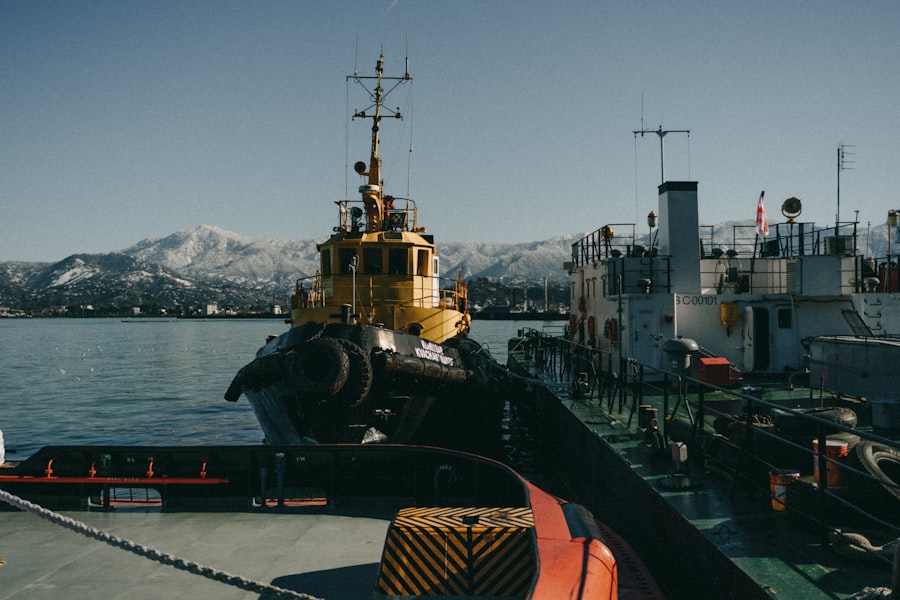
Recognizing the transboundary nature of maritime threats, the documentary emphasizes the critical role of international cooperation in securing the Red Sea. It showcases the various multinational efforts and partnerships aimed at enhancing security in the region.
Naval Patrols and Multinational Task Forces
The film highlights the presence and operations of various international naval forces patrolling the Red Sea. It provides insights into the challenges and successes of multinational task forces working collaboratively to deter and respond to maritime security incidents. The documentary showcases joint exercises, intelligence sharing protocols, and interoperability efforts, underscoring the importance of a coordinated approach. The ships on the horizon, like a fleet of watchful sentinels, represent a collective commitment to safety.
Intelligence Sharing and Situational Awareness
A key theme explored is the indispensable role of intelligence sharing in maritime security. The documentary explains how effective intelligence gathering, analysis, and dissemination enable naval forces and maritime authorities to anticipate and respond to threats proactively. The film illustrates the complex network of communication and data sharing that underpins successful security operations, emphasizing that knowledge is indeed a powerful weapon at sea. Understanding the currents of information is as vital as understanding the ocean currents.
Capacity Building and Regional Partnerships
Beyond direct military intervention, the documentary also delves into initiatives focused on building the capacity of regional maritime authorities. This includes training programs for coast guards, port security enhancements, and the development of legal frameworks to prosecute maritime criminals. The film argues that empowering local actors is essential for long-term security and stability, creating a robust defense from within that complements external efforts.
The Red Sea has become a focal point for discussions on maritime security, and a recent article delves into the complexities surrounding this vital waterway. For those interested in exploring the intricate dynamics of regional security, the article provides valuable insights and complements the themes presented in the Red Sea maritime security documentary. You can read more about these pressing issues in the article found here.
The Future of Red Sea Security: Challenges and Prospects
| Metric | Details |
|---|---|
| Title | Red Sea Maritime Security Documentary |
| Duration | 45 minutes |
| Release Year | 2023 |
| Focus Area | Maritime security challenges in the Red Sea region |
| Key Topics Covered | Piracy, smuggling, naval patrols, international cooperation |
| Number of Interviews | 12 |
| Countries Featured | Saudi Arabia, Egypt, Sudan, Yemen, Djibouti |
| Production Company | Global Maritime Media |
| Viewer Rating | 4.5/5 |
| Available Platforms | Online streaming, DVD |
The documentary concludes by examining the long-term outlook for maritime security in the Red Sea. It acknowledges the persistent challenges while also highlighting the ongoing efforts and potential solutions.
The Enduring Geopolitical Tensions
The film revisits the underlying geopolitical tensions that continue to fuel instability in the region. Internal conflicts, political rivalries, and external influences all contribute to an environment where maritime security remains a delicate balancing act. The documentary suggests that addressing the root causes of these tensions is crucial for achieving lasting peace and security on the Red Sea. The storm clouds of regional discord, though sometimes distant, always threaten to cast a shadow.
Technological Advancements in Maritime Security
“Securing the Red Sea” explores how technological advancements are shaping the future of maritime security. From advanced surveillance systems and drone technology to artificial intelligence for threat detection, the documentary showcases innovative solutions being deployed to counter evolving threats. The film suggests that embracing and adapting to these technologies will be paramount for maintaining a secure maritime environment.
The Economic Imperative for Stability
Ultimately, the documentary reinforces the economic imperative for securing the Red Sea. The continued prosperity and stability of the global economy are directly linked to the unhindered transit of goods through this vital waterway. The film leaves the viewer with a clear understanding that investing in maritime security is not merely a matter of defense but a crucial investment in global economic well-being. The Red Sea, once secured, becomes a guarantee of continued global prosperity, a beacon of stability in a complex world.
FAQs
What is the focus of the Red Sea maritime security documentary?
The documentary focuses on the challenges and efforts related to maintaining maritime security in the Red Sea, including piracy, smuggling, and regional cooperation among bordering countries.
Why is maritime security important in the Red Sea?
Maritime security in the Red Sea is crucial because it is a major international shipping route connecting the Mediterranean Sea via the Suez Canal to the Indian Ocean, facilitating global trade and energy supplies.
Which countries are involved in Red Sea maritime security efforts?
Countries bordering the Red Sea, such as Egypt, Sudan, Eritrea, Djibouti, Saudi Arabia, Yemen, and others, collaborate along with international naval forces to enhance maritime security in the region.
What are some common threats to maritime security in the Red Sea?
Common threats include piracy, armed robbery at sea, smuggling of weapons and goods, illegal fishing, and potential terrorist activities targeting shipping lanes.
How does the documentary contribute to public understanding of Red Sea maritime security?
The documentary provides detailed insights into the geopolitical significance of the Red Sea, highlights the security challenges faced, and showcases the efforts of various stakeholders to ensure safe and secure maritime navigation.